Best Mop Bucket System: Essential Cleaning

The Best Mop and Bucket System: Essential Cleaning Made Easy
The best mop and bucket system simplifies cleaning with efficient wringing, easy maneuverability, and hygienic features. Choosing the right one means less effort and sparkling floors, making your home cleaning routine a breeze.
Life can get busy, and keeping your floors spotless often feels like a chore. You’ve probably wrestled with flimsy buckets and messy mops that just spread dirt around. It’s frustrating when cleaning takes longer and leaves you feeling more tired than accomplished. But what if there was a smarter way? We’re here to guide you to the best mop and bucket system. This will transform your cleaning routine, making it faster, easier, and much more effective. Get ready for cleaner floors with less hassle.
Why a Good Mop and Bucket System Matters
A quality mop and bucket system is more than just a cleaning tool; it’s an investment in a cleaner home and your well-being. Traditional mops often soak floors, leading to long drying times and potential damage. They can also splash dirty water, creating more mess. The best mop and bucket systems are designed to wring out excess water effectively. This means floors dry faster and are less likely to be damaged. They also help contain dirty water, preventing its spread. This leads to a truly cleaner and more hygienic environment for you and your family.
Understanding the Types of Mop Bucket Systems
There are several types of mop bucket systems, each designed for different needs and floor types. Understanding these will help you pick the perfect one. Each system offers unique advantages for tackling your specific cleaning challenges.
Spin Mop Systems
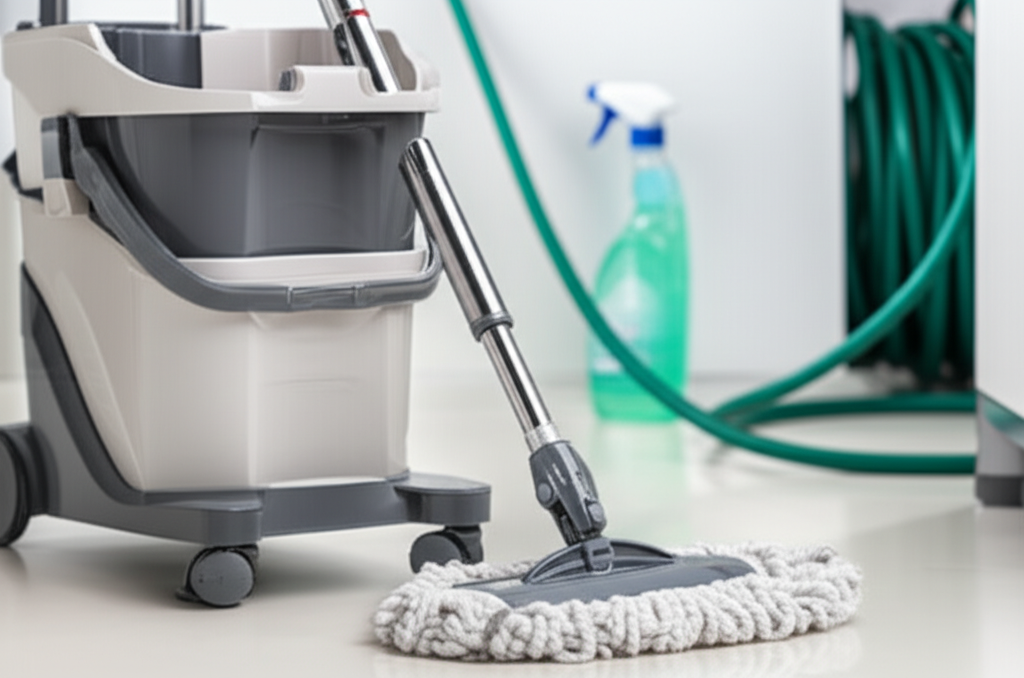
Spin mop systems are very popular. They use a centrifugal force to spin the mop head. This allows you to control how wet the mop gets. A foot pedal or a handle mechanism usually activates the spinning action. They are great for most floor types, including hardwood, tile, and laminate.
Self-Wringing Systems
These systems often have a built-in mechanism to wring out the mop. You might push a lever or twist the mop handle. This squeezes water out of the mop head without you touching the dirty water. They are convenient and reduce physical strain.
Bucket with Wringer Combo
This is a more traditional setup. The bucket has a separate compartment for wringing. You push the mop head into the wringer to remove excess water. These are often more budget-friendly and straightforward to use.
Steam Mop Systems
While not strictly a bucket system, steam mops use steam to clean and sanitize. They don’t require a bucket of water. They are excellent for deep cleaning and killing germs without chemicals. However, they might not be suitable for all floor types.
Key Features to Look for in the Best Mop and Bucket System
When choosing your next cleaning companion, several features can make a big difference. Focusing on these will ensure you get a system that’s both effective and easy to use. A good system saves you time and effort.
Wringing Mechanism Efficiency
The most crucial feature is how well the system wrings out water. Look for a mechanism that leaves the mop head damp, not soaking wet. This prevents floor damage and speeds up drying time. Some systems offer adjustable dampness levels.
Mop Head Material and Absorbency
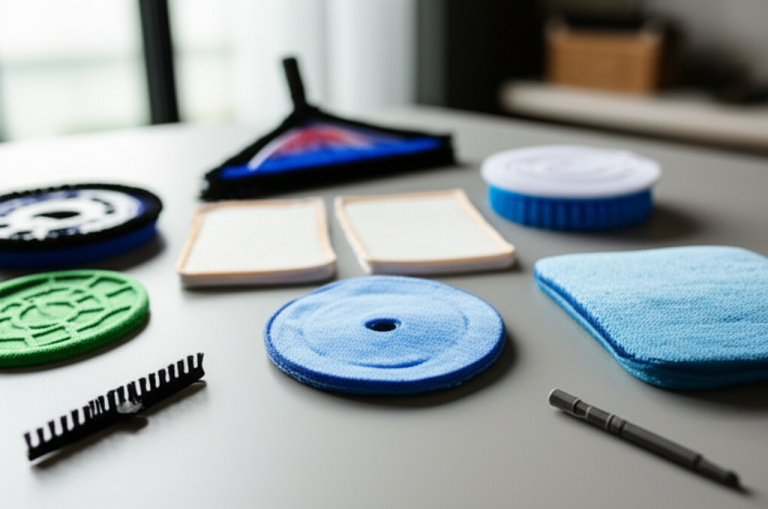
Mop heads are typically made of microfiber or cotton. Microfiber is highly absorbent and great at trapping dirt and dust. Cotton mops are also absorbent but can be heavier and slower to dry. Consider which material best suits your floor type and cleaning needs.
Bucket Capacity and Design
A larger bucket means fewer refills, saving you time. Look for a sturdy bucket that won’t tip over easily. Features like a built-in soap dispenser or separate compartments for clean and dirty water can enhance convenience.
Maneuverability and Handle Comfort
The mop handle should be adjustable in length for comfortable use. A swivel head allows you to reach tight corners and under furniture easily. Lightweight designs make the entire system easier to carry and maneuver.
Durability and Build Quality
You want a system that lasts. Check for robust materials and a well-constructed design. Plastic parts should feel solid, and the wringing mechanism should operate smoothly. A durable system will save you money in the long run.
Top Mop Bucket Systems for Different Needs
Based on user reviews and expert opinions, here are some of the best mop and bucket systems available. Each excels in different areas, ensuring there’s a perfect fit for everyone. We’ve considered ease of use, cleaning power, and overall value.
Best Overall: O-Cedar EasyWring Microfiber Spin Mop and Bucket System
This system is a consistent favorite for a reason. Its triangular mop head reaches corners, and the foot-activated spin feature makes wringing effortless. The microfiber mop head is excellent at picking up dirt and grime. It’s versatile for various floor types.
Pros: Easy to use, effective wringing, reaches corners, good for multiple floor types.
Cons: Bucket can feel a bit light when full.
User Review: “I love how easy this is to use! My floors have never been cleaner, and I don’t have to bend over to wring it out.”
Best for Hardwood Floors: Bona Hardwood Floor Premium Spray Mop System
While not a traditional bucket system, the Bona spray mop is a top choice for hardwood. It uses a cleaning solution and a microfiber pad. It applies just the right amount of moisture to clean without damaging wood. It’s lightweight and easy to maneuver.
Pros: Specifically designed for hardwood, gentle cleaning, no excess water, quick drying.
Cons: Requires proprietary cleaning solution refills.
Fact: According to the EPA, using the right cleaning products can extend the life of your flooring by up to 20%.
Best Budget-Friendly: Mr. Clean with Gain Antibacterial Multi-Surface Tall Mop System
This system offers a tall bucket with a built-in wringer. It’s straightforward and effective for general cleaning. The antibacterial solution helps keep your floors hygienic. It’s a solid choice for those on a tighter budget.
Pros: Affordable, effective wringing, antibacterial properties, simple to operate.
Cons: Mop head may not be as absorbent as premium options.
Best for Deep Cleaning: Bissell PowerFresh Steam Mop
For a chemical-free deep clean, a steam mop is ideal. The Bissell PowerFresh uses steam to sanitize floors and kill 99.9% of germs. It’s lightweight and easy to control. It’s a great option for homes with children or pets.
Pros: Sanitizes without chemicals, lightweight, easy to use, good for various sealed floors.
Cons: Requires distilled water, not a traditional bucket system.
Source: The Centers for Disease Control and Prevention (CDC) recommends steam cleaning for its ability to kill common household germs.
How to Use Your Mop Bucket System Effectively
Using your mop bucket system correctly ensures you get the best results and prolongs the life of your tool. It’s simple once you know the steps. Follow these tips for a superior clean every time.
1. Prepare Your Floors: Sweep or vacuum your floors first. This removes loose dirt and debris. It prevents them from being pushed around by the mop.
2. Fill the Bucket: Add warm water to the bucket. If using a cleaning solution, follow the product’s instructions. Do not overfill the bucket.
3. Soak and Wring: Dip the mop head into the water. Wring it out thoroughly using the system’s mechanism. The mop should be damp, not dripping.
4. Mop in Sections: Start mopping from the farthest corner of the room. Work your way towards the exit. This prevents you from walking on wet floors.
5. Rinse and Re-wring: Rinse the mop head in the bucket as needed. Wring it out again before continuing. Change the water when it becomes visibly dirty.
6. Dry and Store: Allow floors to air dry completely. Rinse the mop head and bucket after use. Store the mop in a dry place.
Maintaining Your Mop Bucket System for Longevity
Proper maintenance keeps your mop and bucket system working like new for years. It ensures hygienic cleaning and prevents issues. A little care goes a long way.
Clean the Mop Head: After each use, rinse the mop head thoroughly. Wash microfiber heads in the washing machine with mild detergent. Avoid fabric softener, as it can reduce absorbency.
Empty and Clean the Bucket: Never leave dirty water in the bucket. Rinse it out completely after each cleaning session. Allow it to air dry before storing.
Inspect the Wringing Mechanism: Periodically check the wringing mechanism for any debris or damage. Ensure it operates smoothly. Lubricate if necessary, following the manufacturer’s guide.
Replace Worn Parts: Mop heads wear out over time. Replace them when they become thin, frayed, or less absorbent. Many systems offer replacement mop heads.
Troubleshooting Common Mop Bucket System Issues
Even the best systems can have minor issues. Knowing how to fix them quickly saves you frustration. Most problems are easy to resolve with a little attention.
Mop Not Wringing Properly: Check for blockages in the wringing mechanism. Ensure the mop head is correctly positioned. If it’s a spin mop, make sure the spinning action is engaging fully.
Water Splashing Out: This usually means the mop is too wet or the bucket is overfilled. Wring the mop more thoroughly. Reduce the amount of water in the bucket.
Mop Smearing Dirt: The mop head might be too dirty. Change the water in the bucket more frequently. Ensure you are using an effective cleaning solution if needed.
* Handle or Bucket Feels Flimsy: This could be a sign of a lower-quality system or wear and tear. Ensure all parts are properly secured. If it’s a recurring issue, consider a more durable model.
Environmental Considerations for Cleaning
Choosing an eco-friendly mop and bucket system is better for your home and the planet. Many modern systems offer sustainable benefits. Making conscious choices can reduce your environmental impact.
Many microfiber mop heads are designed to be washed and reused hundreds of times. This significantly reduces waste compared to disposable mop pads. Using concentrated or eco-friendly cleaning solutions also minimizes chemical runoff into waterways. Opting for systems that require less water or energy, like steam mops or efficient spin mops, further contributes to sustainability. For instance, many users report significant water savings with spin mops due to their effective wringing capabilities.
Comparing Mop Bucket Systems: A Quick Guide
Here’s a simple table to help you compare different types of mop bucket systems at a glance. This can help you quickly see which features are most important to you.
| System Type | Best For | Pros | Cons |
| :—————— | :—————————————- | :——————————————————- | :——————————————— |
| Spin Mop | General Cleaning, All Floor Types | Easy wringing, adjustable dampness, reaches corners | Can be pricier, some plastic parts may break |
| Self-Wringing | Ease of Use, Reduced Strain | Hands-free wringing, good for moderate cleaning needs | Wringing might not be as thorough as spin |
| Bucket w/ Wringer | Budget-Conscious, Basic Cleaning | Affordable, simple to understand and operate | Can be messier, requires more manual effort |
| Steam Mop | Deep Cleaning, Sanitizing, Chemical-Free | Kills germs, no chemicals, quick drying | Requires distilled water, not for all floors |
Frequently Asked Questions (FAQ)
What is the easiest mop and bucket system to use?
The easiest systems usually have a hands-free wringing mechanism. Spin mops with foot pedals or self-wringing mops with easy levers are very user-friendly. They require minimal bending and effort.
How often should I change the water in my mop bucket?
You should change the water in your mop bucket whenever it starts to look dirty. For best results, change it every time you move to a new section of your home, especially if cleaning a large area.
Can I use any cleaning solution with my mop and bucket system?
Always check the manufacturer’s recommendations. Some mops, especially steam mops or those with special heads, require specific solutions or only water. Using the wrong cleaner can damage the mop or your floors.
Are spin mops better than traditional mops?
Spin mops are often considered better because they offer more control over moisture. They also make wringing easier and more hygienic. Traditional mops can be messier and require more physical effort.
How do I clean my mop head?
Microfiber mop heads can usually be machine washed with mild detergent. Avoid fabric softener. Cotton mop heads can be washed by hand or machine, depending on the manufacturer’s instructions. Always rinse thoroughly.
What’s the best mop for hardwood floors?
For hardwood, it’s best to use a mop that applies minimal moisture. Spray mops or well-wrung-out microfiber mops are ideal. Avoid soaking hardwood floors, as this can cause damage.
Why is my mop leaving streaks?
Streaks can happen if the mop head is too dirty, the water is too dirty, or you’re using too much cleaning solution. Ensure you’re rinsing and wringing the mop thoroughly. Sometimes, a different cleaning solution or less solution can help.
Conclusion
Finding the best mop and bucket system can truly transform your cleaning routine. It’s about choosing a tool that works smarter, not harder, for you. Whether you prioritize ease of use, deep cleaning power, or eco-friendliness, there’s a system out there. We’ve explored various types, from efficient spin mops to gentle hardwood floor mops. Remember to consider features like wringing efficiency, mop head material, and durability. By selecting the right system and maintaining it well, you’ll achieve sparkling clean floors with less effort. Your home will look and feel better, giving you more time for what you love. Ready to make your floors shine? Explore the options and pick the best mop and bucket system for your home today!