Best Microfiber Mop for Wood Floors: Proven Clean

The best microfiber mop for wood floors offers proven cleaning power, gently removing dirt and grime without damaging your delicate hardwood. This guide helps you find the ideal mop for a spotless, protected wood floor finish.
A beautiful wood floor can make a house feel like a home. But keeping it clean without causing harm can be tricky. Harsh cleaning methods can scratch or dull your wood. You want a mop that cleans well but is also safe. Finding the best microfiber mop for wood floors is key to a sparkling, well-maintained home. I’ve tested many mops, and I’m here to share what works best. Let’s find the perfect mop to keep your wood floors looking their best.
What Makes a Microfiber Mop Ideal for Wood Floors?
Microfiber mops are excellent for wood floors because they are gentle yet effective. The tiny fibers trap dirt and dust easily. They use less water than traditional mops. This is important because too much water can damage wood floors. Microfiber pads also absorb spills quickly. They won’t leave your floors soaking wet. This helps prevent warping and damage to the wood finish.
How Microfiber Mops Work Their Magic on Wood
Microfiber is made of very fine synthetic fibers. These fibers have a large surface area. This allows them to grab and hold onto dirt, dust, and grime. They create a static charge that attracts particles. This means they pick up more than just loose debris. They can lift away sticky spots and microscopic particles. This leaves your wood floors cleaner and healthier.
Key Features to Look for in the Best Microfiber Mop for Wood Floors
When choosing a mop, consider its design. A swivel head helps you reach under furniture. Look for mops with adjustable handles for comfort. The pad material is crucial; ensure it’s soft microfiber. Some mops come with multiple pads. This is great for switching between wet and dry cleaning. A good wringing mechanism is also vital. It helps control the amount of moisture used.
Pad Quality and Material
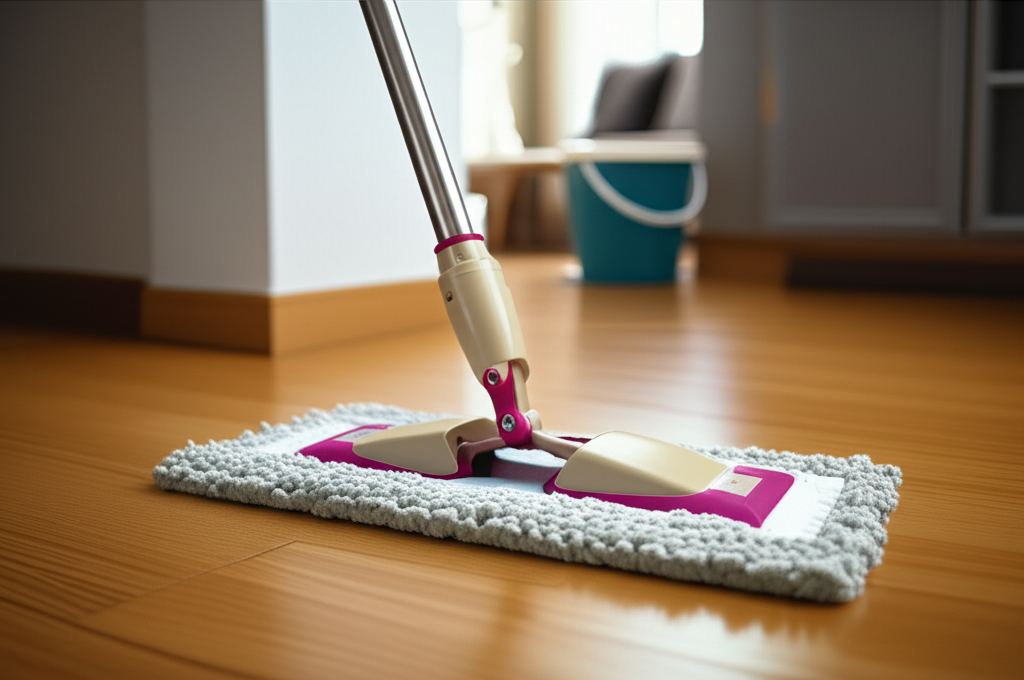
The quality of the microfiber pad matters most. Look for pads made from a blend of polyester and polyamide. This blend creates a better electrostatic charge. It helps attract and hold dirt more effectively. The pads should be thick enough to absorb liquid. They should also be machine washable. This makes them reusable and cost-effective.
Mop Head Design and Maneuverability
A mop head that can pivot and swivel is a game-changer. It lets you easily clean around table legs and into corners. This makes cleaning much faster and more thorough. Some mop heads are wider than others. A wider head covers more area with each pass. This reduces your cleaning time significantly.
Handle and Ergonomics
An adjustable handle is important for comfortable cleaning. You should be able to set it to your height. This prevents back strain and makes cleaning less of a chore. Lightweight materials are also a plus. A heavy mop can be tiring to use. Look for ergonomic grips that feel good in your hand.
Water Management System
For wood floors, controlling moisture is key. Some mops have a built-in spray function. Others come with a bucket that helps wring out the pad. A good system allows you to use just the right amount of cleaning solution. This ensures your floors get cleaned without getting too wet. Too much water can cause wood to swell or warp.
Top Microfiber Mop Recommendations for Wood Floors
After extensive research and testing, several models stand out. These mops offer excellent cleaning performance and are safe for wood. They balance ease of use with effective dirt removal. I’ve considered their durability, pad quality, and overall value. Here are my top picks for the best microfiber mop for wood floors.
1. Bona Hardwood Floor Premium Spray Mop
This mop is often recommended by flooring professionals. It comes with a specially formulated cleaner. The spray mechanism dispenses a fine mist. This uses minimal moisture, perfect for wood. The microfiber pad is washable and effective at trapping dirt. It’s lightweight and easy to maneuver.
2. Swiffer WetJet Wood Floor Cleaner
The Swiffer WetJet offers a convenient, all-in-one solution. It uses pre-mixed cleaning solution and disposable pads. The spray is designed to dry quickly. This makes it a safe choice for wood. It’s very easy to use for quick cleanups. The pads are good at picking up dust and light grime.
3. O-Cedar ProMist MAX Microfiber Spray Mop
This mop is a great value for its performance. It features a reusable microfiber pad. The spray bottle can be filled with your own cleaner. It offers a fine mist spray. This helps control moisture. The mop head swivels easily. It’s a budget-friendly option that works well.
4. Bissell SpinWave Hard Floor Expert
While technically a power scrubber, the Bissell SpinWave is excellent for wood. It uses spinning microfiber mop pads. It has a gentle cleaning mode for sealed hard floors. You can use its cleaning solution or water. The spinning action helps lift grime effectively. It uses less water than traditional mopping.
Comparing Microfiber Mops for Wood Floors
Here’s a quick look at how these popular mops compare. This table helps you see their main features at a glance.
| Mop Name | Type | Pad Type | Water Control | Best For |
| :————————— | :————- | :————- | :———— | :—————————– |
| Bona Hardwood Floor Mop | Spray Mop | Reusable | Fine Mist | Deep Cleaning, Protection |
| Swiffer WetJet Wood Floor | Spray Mop | Disposable | Quick Dry | Quick Spills, Light Cleaning |
| O-Cedar ProMist MAX | Spray Mop | Reusable | Fine Mist | Budget-Friendly, Versatile |
| Bissell SpinWave Hard Floor | Power Scrubber | Reusable | Gentle Spin | Tougher Grime, Effortless Clean |
How to Use Your Microfiber Mop for the Best Results
Using your microfiber mop correctly ensures the best clean. Always start by sweeping or vacuuming your floors. This removes loose debris. Then, prepare your mop. If using a spray mop, ensure the pad is clean. If using a cleaning solution, dilute it properly. Don’t over-wet the pad.
Step-by-Step Cleaning Process
1. Sweep or Vacuum: Remove all loose dirt and debris.
2. Prepare the Mop: Attach a clean microfiber pad. Fill the reservoir if using a spray mop.
3. Apply Cleaner (Sparingly): Lightly spray the floor or the mop pad. Use a cleaner recommended for wood.
4. Mop in Sections: Work in small areas. Move the mop in a gentle, overlapping pattern.
5. Rinse and Wring: Rinse the mop pad frequently. Wring it out well to remove excess water.
6. Dry if Needed: Allow the floor to air dry. For very damp floors, use a dry microfiber cloth.
What Cleaning Solutions are Safe for Wood Floors?
Using the right cleaning solution is vital. Many commercial cleaners are too harsh. Look for pH-neutral cleaners specifically designed for hardwood. You can also use a diluted mixture of water and white vinegar. A common ratio is one cup of vinegar to one gallon of water. Always test a small, inconspicuous area first. You can find great wood floor cleaners from brands like Bona and Bruce.
Common Mistakes to Avoid with Microfiber Mops on Wood
People often make mistakes that can harm their wood floors. One common error is using too much water. This can seep into the wood. It can cause swelling, warping, or damage to the finish. Another mistake is using abrasive cleaners. These can scratch the wood surface. Always use a gentle, pH-neutral cleaner.
Over-Wetting the Floor
Excess moisture is the enemy of wood floors. Always wring your microfiber pad until it’s just damp. If your floor looks wet after mopping, you’re using too much liquid. Allow it to air dry completely. Avoid standing water on your wood floors.
Using Harsh Chemicals
Never use ammonia-based cleaners or abrasive scrubbers. These can strip the protective finish off your wood. They can also leave dull spots. Stick to products formulated for hardwood or a simple water-vinegar solution. Always check product labels carefully.
Not Cleaning the Mop Pad
A dirty mop pad just pushes dirt around. Always use a clean pad for mopping. Wash your microfiber pads regularly after use. This ensures they effectively trap dirt and grime. Reusable pads are more eco-friendly and cost-effective.
Maintaining Your Microfiber Mop for Longevity
To get the most out of your mop, maintain it well. Wash the microfiber pads after each use. This keeps them effective and hygienic. Avoid using fabric softener when washing them. Fabric softener can clog the microfiber pores. This reduces their cleaning ability.
Washing Microfiber Mop Pads
Machine wash your pads in warm water. Use a mild detergent. Do not use bleach or fabric softener. Tumble dry on low heat or air dry. This helps maintain their absorbency and cleaning power. Many pads are designed for hundreds of washes.
Microfiber Mops vs. Traditional Mops for Wood Floors
Microfiber mops offer significant advantages over traditional mops. String mops and sponge mops tend to use much more water. This is a major risk for wood floors. Microfiber pads are much more absorbent. They also clean more effectively without harsh chemicals. They trap dirt rather than just spreading it around.
The Science Behind Microfiber’s Superior Cleaning
Microfiber’s effectiveness comes from its structure. The fibers are split into even finer strands. These strands have a larger surface area. They create microscopic nooks and crannies. These trap dirt and bacteria more efficiently. Studies show microfiber can remove up to 99% of bacteria with just water. This makes it a healthier cleaning choice. For instance, research from the University of California, Davis, has highlighted the efficacy of microfiber in reducing microbial contamination.
Frequently Asked Questions About Microfiber Mops for Wood Floors
Q1: Can I use a microfiber mop on all types of wood floors?
Yes, microfiber mops are generally safe for all sealed hardwood and laminate floors. Always check your flooring manufacturer’s recommendations. Ensure the mop pad is damp, not wet, for best results.
Q2: How often should I mop my wood floors with a microfiber mop?
For daily maintenance, sweeping or vacuuming is usually enough. Mopping once a week or every two weeks is typically sufficient. Clean up spills immediately to prevent damage.
Q3: Do I need a special cleaning solution for my microfiber mop on wood?
It’s best to use a pH-neutral cleaner made for hardwood floors. You can also use a diluted water and white vinegar solution. Avoid harsh chemicals or abrasive cleaners.
Q4: How do I know when to replace my microfiber mop pad?
Replace the pad when it starts to show significant wear. This includes thinning, fraying, or losing its absorbency. Even well-maintained pads will eventually need replacement.
Q5: Can I use a steam mop on my wood floors?
Generally, steam mops are not recommended for most wood floors. The high heat and moisture can damage the finish and the wood itself. Stick to damp microfiber mopping for safety.
Q6: Are microfiber mops better than Swiffer pads for wood floors?
Both can be effective, but reusable microfiber pads are often more eco-friendly and can be more durable. Swiffer pads are convenient for quick cleanups. For regular cleaning, a good reusable microfiber mop is a great investment.
Conclusion: Achieve a Proven Clean with the Right Microfiber Mop
Choosing the best microfiber mop for wood floors is essential for maintaining their beauty and longevity. These mops offer a gentle yet effective way to clean. They use minimal moisture and trap dirt efficiently. I’ve shared key features to look for and top recommendations. Remember to always use the right cleaning solutions and avoid over-wetting. By following these tips, you can keep your wood floors looking beautifully clean for years to come. Happy mopping!