
Best Microfiber Mop for Hardwood Floors: Proven Shine

Discover the best microfiber mop for hardwood floors to achieve a proven shine, ensuring your wood floors gleam without damage. This guide breaks down top choices, essential features, and cleaning tips for a spotless, healthy home.
Keeping your hardwood floors looking their best can feel like a challenge. You want them to shine, but you worry about scratches or dulling their finish. Many mops can leave streaks or use too much water, which is bad for wood. Finding the right microfiber mop is key. It can make cleaning easier and protect your beautiful floors. We’ll help you find the best microfiber mop for hardwood floors that gives you that perfect, lasting shine.
Why Microfiber Mops Are Perfect for Hardwood Floors
Microfiber mops are ideal for hardwood floors because they are gentle yet effective. The tiny fibers trap dirt and dust instead of pushing it around. They also use less water than traditional mops. This is crucial for hardwood, which can warp or get damaged by excess moisture. A good microfiber mop cleans thoroughly and safely.
Top Microfiber Mops for Hardwood Floors in [Current Year]
Choosing the right mop makes all the difference. We’ve researched and found some of the best microfiber mops for hardwood floors. These models stand out for their cleaning power, durability, and ease of use. They are designed to give your hardwood floors a brilliant, streak-free shine.
1. O-Cedar ProMist MAX Microfiber Spray Mop
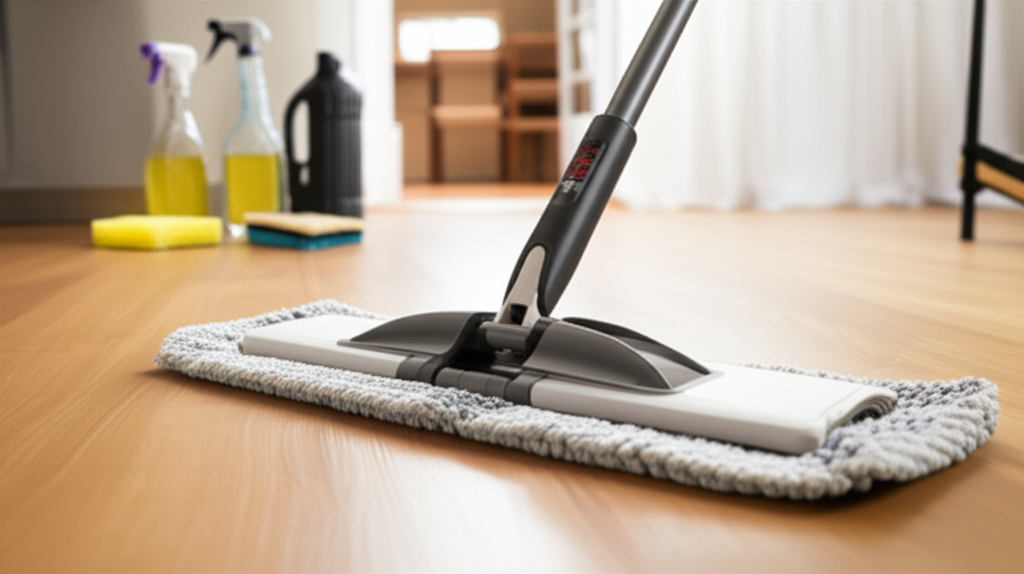
This mop is a popular choice for many homeowners. It has a reusable spray bottle, so you can use your own cleaning solution. The microfiber pad is machine washable and effective at picking up dirt. It’s lightweight and easy to maneuver around furniture.
Key Features:
Built-in sprayer
Reusable bottle
Machine washable pads
Lightweight design
This mop offers convenience and great cleaning performance for everyday spills and dust. It helps maintain the shine of your hardwood floors with minimal effort.
2. Bona Hardwood Floor Mop
Bona is a brand known for its floor care products. Their hardwood floor mop is specifically designed for wood. It comes with a cleaning solution and a microfiber pad. The mop glides smoothly and cleans efficiently.
Key Features:
Specially formulated wood cleaner
Durable microfiber pad
Ergonomic handle
Leaves no dulling residue
The Bona mop is a great option if you want a system that’s already proven for hardwood. It ensures a clean and safe finish.
3. Swiffer WetJet Wood Floor Cleaner
While not purely a microfiber mop, the Swiffer WetJet Wood Floor Cleaner uses specialized pads that work well on wood. It comes with a spray mop and cleaning solution. The pads are designed to clean and dry quickly.
Key Features:
Fast-drying formula
Designed for wood
Easy pad replacement
No-rinse cleaning
This system is very convenient for quick cleanups and maintaining a fresh look on your hardwood floors.
4. SHARK HydroVac Cordless Pro (for Hardwood & More)
For a more advanced cleaning experience, the Shark HydroVac offers a powerful solution. It vacuums, mops, and cleans itself all in one. It’s excellent for deep cleaning and tackling tougher messes on hardwood.
Key Features:
Cordless convenience
Self-cleaning system
Multi-surface capability
Powerful suction and mopping
This is a premium option for those who want the best performance and convenience for all their hard floors, including hardwood.
5. Bissell SpinWave Hardwood Floor Cleaner
The Bissell SpinWave uses rotating mop pads to scrub your floors. This can be very effective for getting rid of stuck-on dirt. It’s designed to be gentle on sealed hardwood floors.
Key Features:
Rotating mop pads
Gentle cleaning action
Works with wood cleaning solutions
Covers a wide cleaning path
This mop offers a bit more scrubbing power without risking damage to your hardwood.
What Makes a Microfiber Mop Great for Hardwood?
Microfiber cloths are made of very fine synthetic fibers. These fibers are excellent at trapping dirt, dust, and grime. They create a soft surface that won’t scratch your delicate hardwood floors. Microfiber also absorbs liquids well, which is important for cleaning without leaving excess water.
The Science Behind Microfiber’s Cleaning Power
The tiny fibers in microfiber have a large surface area. This allows them to grab and hold onto dirt particles effectively. They create a static charge that attracts dust. This makes them superior to cotton mops for picking up fine debris.
Water Usage: A Critical Factor for Hardwood
Hardwood floors are sensitive to moisture. Too much water can cause swelling, warping, or damage to the finish. Microfiber mops use much less water than traditional string or sponge mops. Many spray mops allow you to control the amount of liquid applied. This makes them a safer choice for preserving your hardwood.
Key Features to Look For in a Microfiber Mop for Hardwood
When shopping for the best microfiber mop for hardwood floors, consider these important features. They will help you make the best choice for your home and floors.
Pad Material and Quality
Look for mops with high-quality microfiber pads. They should be soft and absorbent. Multiple pads are a plus, so you can swap them out during cleaning or when one is in the wash.
Handle and Maneuverability
A lightweight mop with an adjustable or ergonomic handle makes cleaning easier. Swivel heads are great for reaching under furniture and into corners.
Water Tank and Spray Mechanism (for Spray Mops)
If you choose a spray mop, check the size of the water tank. Ensure the spray mechanism is consistent and easy to use. Some mops offer adjustable spray levels.
Durability and Washability
You want a mop that will last. Check if the mop head is machine washable and how many washes it can withstand. This saves money and is better for the environment.
Included Cleaning Solution (if applicable)
Some mops come with their own cleaning solutions. Make sure these are specifically formulated for hardwood floors and are non-toxic.
How to Use Your Microfiber Mop for the Best Shine
Using your best microfiber mop for hardwood floors correctly ensures great results. It also helps protect your floors for years to come. Follow these simple steps for a brilliant shine.
Step 1: Prepare Your Floors
Before mopping, sweep or vacuum your hardwood floors. This removes loose dirt and debris. This prevents scratching the floor during mopping.
Step 2: Prepare Your Mop
If using a spray mop, fill the tank with water and a hardwood-safe cleaner. For other mops, attach a clean, damp microfiber pad. Ensure the pad is damp, not soaking wet.
Step 3: Mopping Technique
Start mopping in a corner of the room and work your way towards the exit. Use gentle, overlapping strokes. For spray mops, spray a small section at a time and then mop it.
Step 4: Rinse and Dry (if needed)
Most microfiber mops don’t require rinsing. The floors should dry quickly. If you notice any streaks, you may have used too much cleaner or water.
Step 5: Clean Your Mop Pads
After mopping, wash your microfiber pads. This keeps them clean and ready for the next use. Machine washing with a mild detergent is usually best.
Common Mistakes to Avoid with Hardwood Floor Mops
Even with the best microfiber mop for hardwood floors, mistakes can happen. Avoiding these common errors will keep your floors looking beautiful.
Using Too Much Water
This is the biggest no-no for hardwood. Always wring out traditional mops well, or use spray mops with controlled spray.
Using Harsh or Wrong Cleaners
Never use abrasive cleaners, ammonia, or oil soaps on hardwood. Stick to pH-neutral cleaners specifically made for wood floors.
Scrubbing Too Hard
Microfiber is effective without excessive scrubbing. Over-scrubbing can damage the finish.
Not Sweeping/Vacuuming First
Always remove loose dirt before mopping. This prevents creating muddy streaks.
Microfiber Mop vs. Other Mop Types for Hardwood
Let’s compare microfiber mops to other popular types to see why they are superior for hardwood.
| Mop Type | Pros for Hardwood | Cons for Hardwood |
| :——————- | :———————————————- | :————————————————— |
| Microfiber Mop | Gentle, effective, low water usage, traps dirt | Can be more expensive initially, pads need washing |
| String Mop | Absorbs liquid well | High water usage, can leave streaks, pushes dirt |
| Sponge Mop | Absorbs liquid well, good for spills | High water usage, can push dirt, may scratch |
| Steam Mop | Sanitizes, no chemicals | High heat/moisture can damage finish, not for all wood |
| Traditional Mop | Cheap, readily available | High water usage, harsh on finish, pushes dirt |
As you can see, microfiber mops offer the best balance of cleaning power and safety for hardwood.
Maintaining Your Microfiber Mop Pads
To get the most out of your best microfiber mop for hardwood floors, care for its pads. Clean pads mean cleaner floors.
Washing Instructions
Always check the manufacturer’s instructions. Generally, wash microfiber pads in a washing machine with warm water. Use a small amount of mild detergent.
What to Avoid
Never use fabric softener or bleach. These can damage the microfiber’s cleaning ability. Avoid washing them with other fabrics that might leave lint.
Drying Your Pads
Air drying is best for microfiber pads. You can also tumble dry them on a low heat setting. Ensure they are completely dry before storing them.
Frequently Asked Questions About Microfiber Mops for Hardwood Floors
Here are answers to common questions about using microfiber mops on your beautiful hardwood floors.
Q1: Can I use a microfiber mop on my unfinished hardwood floors?
A1: It’s best to avoid using any liquid mops, including microfiber spray mops, on unfinished hardwood. Unfinished wood is very porous and can be easily damaged by moisture. Always check if your floors are sealed.
Q2: How often should I mop my hardwood floors with a microfiber mop?
A2: For daily maintenance, a quick sweep or vacuum is often enough. You can mop your hardwood floors once a week or every two weeks, depending on traffic and how dirty they get.
Q3: Can I use my regular floor cleaner with a microfiber mop?
A3: Only use cleaners specifically labeled for hardwood floors. Harsh chemicals can strip the finish or dull the shine. Check your mop’s manual for recommended cleaning solutions.
Q4: How do I get rid of streaks from my microfiber mop?
A4: Streaks usually mean too much cleaning solution or water was used. Try using less cleaner, or ensure your mop pad is not too wet. Sometimes, a second pass with a dry pad can help.
Q5: Are steam mops safe for hardwood floors?
A5: Steam mops can be risky for hardwood. The high heat and moisture can damage the wood and its finish over time. It’s generally safer to stick with damp mopping using a microfiber mop.
Q6: How many times can I reuse a microfiber mop pad?
A6: High-quality microfiber pads can be washed and reused many times, often hundreds. Proper washing and drying will extend their lifespan significantly.
Conclusion: The Proven Path to Gleaming Hardwood Floors
Choosing the best microfiber mop for hardwood floors is a smart investment in your home’s beauty and longevity. These mops offer a safe, effective, and convenient way to clean. They trap dirt, use minimal water, and leave your floors with a brilliant, streak-free shine. By selecting a quality mop and using it correctly, you can easily maintain the gorgeous look of your hardwood floors. Give your floors the care they deserve with the right microfiber mop.
If you found this guide helpful, consider subscribing to HomeHygia for more tips on keeping your home sparkling clean and healthy.
