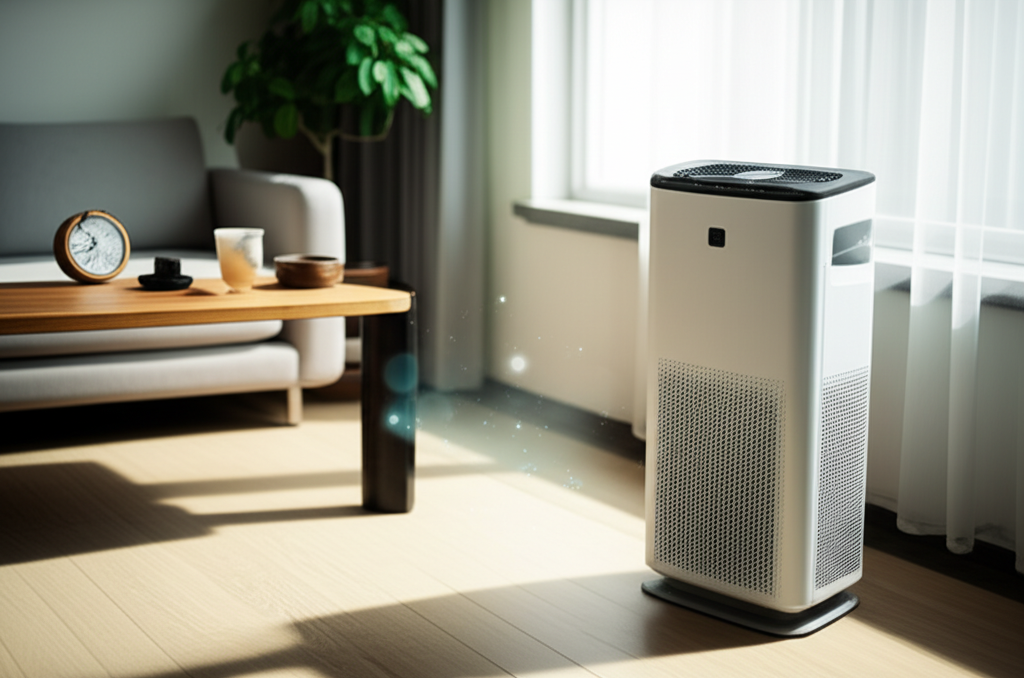
Best Location for Air Purifier: Proven Essential

Best Location for Air Purifier: Proven Essential for Cleaner Air
The best location for an air purifier is crucial for maximizing its effectiveness. Placing it strategically ensures it can efficiently circulate and filter air, tackling pollutants at their source and improving your home’s overall air quality.
Breathing clean air at home is more than just a comfort; it’s essential for our health and well-being. Yet, many of us are unknowingly compromising the effectiveness of our air purifiers by placing them in less-than-ideal spots. It’s a common frustration: you invest in a great device, only to wonder why you still feel the effects of poor air quality. But don’t worry, finding the best location for air purifier use is simpler than you think. I’m here to guide you through the proven essentials, ensuring your purifier works its hardest for you. Let’s uncover the secrets to optimal placement and unlock truly fresh air in your home.
Why Air Purifier Placement Matters So Much
The effectiveness of an air purifier is heavily dependent on where you place it. A well-positioned unit can dramatically improve your indoor air quality by capturing airborne pollutants more efficiently. Conversely, a poorly placed purifier might struggle to circulate air properly, leaving areas of your home with less filtered air. Understanding the science behind airflow and pollutant concentration is key to making the right choice.
When an air purifier is placed in a central location or near a primary source of pollution, its HEPA filter and activated carbon layers can work more effectively. This strategic placement ensures that the device can draw in a larger volume of air and process it, leading to a noticeable difference in the air you breathe. It’s about creating an optimal environment for the purifier to perform its vital function.
Understanding Airflow Dynamics for Optimal Filtration
Air purifiers work by drawing in surrounding air, passing it through filters, and releasing cleaner air back into the room. This process relies heavily on good airflow. If an air purifier is blocked or placed in a confined space, its ability to circulate air is significantly reduced. This means fewer air changes per hour, and therefore, less effective pollutant removal.
Think of it like a fan; it needs space to push air effectively. Similarly, an air purifier needs unobstructed pathways to pull in polluted air and expel purified air. Obstacles can create dead zones where air doesn’t circulate well, and pollutants can linger. Ensuring adequate clearance around your unit is a fundamental step towards achieving the best location for air purifier performance.
Identifying High-Traffic and High-Pollution Areas
Some areas in your home naturally experience more air circulation and higher concentrations of pollutants. These are prime candidates for your air purifier. Identifying these zones is the first step in strategically placing your device for maximum impact. Common culprits include bedrooms, living rooms, kitchens, and areas where pets spend their time.
Consider where you spend most of your time, as this is where you’ll benefit most from cleaner air. Also, think about sources of indoor pollution, such as cooking fumes, pet dander, dust mites, or off-gassing from furniture. Placing your air purifier in or near these areas allows it to tackle pollutants before they spread throughout your home.
The Bedroom: Your Sanctuary for Clean Air
Your bedroom should be a haven for rest and recovery, making it a critical location for an air purifier. We spend a significant portion of our lives sleeping, and the air quality in this space directly impacts our sleep quality and overall health. Allergens like dust mites and pollen can be particularly disruptive during the night.
Placing your air purifier in the bedroom, ideally on a nightstand or a dresser, allows it to work continuously while you sleep. This ensures you’re breathing purified air throughout the night, which can lead to fewer allergy symptoms, better sleep, and a more refreshed feeling upon waking. This is often considered the best location for air purifier use for individuals with allergies or respiratory issues.
Living Room: Battling Common Household Pollutants
The living room is often the central hub of a household, where families gather, guests are entertained, and daily life unfolds. This means it’s also a space where various pollutants can accumulate, from dust and pet dander to airborne particles from cooking or outdoor pollution that seeps in. An air purifier here can make a significant difference.
Positioning your air purifier in the living room, perhaps in a corner or near a seating area, helps to combat these common pollutants. It ensures that the air you breathe while relaxing, watching TV, or socializing is as clean as possible. This broad application makes the living room a strong contender for the best location for air purifier deployment in many homes.
Kitchen: Tackling Cooking Fumes and Odors
The kitchen is a notorious source of indoor air pollution. Cooking, especially frying or broiling, releases fine particulate matter, volatile organic compounds (VOCs), and unpleasant odors into the air. Without proper ventilation or an air purifier, these pollutants can linger and spread to other parts of your home.
Placing an air purifier in or near the kitchen, particularly when cooking, can significantly reduce the concentration of these airborne contaminants. While a range hood is essential for immediate source capture, an air purifier can help manage any residual particles and odors that escape. This makes the kitchen a vital area to consider for effective air purification.
Home Office: Enhancing Focus and Well-being
For those who work from home, the office space is where productivity and well-being are paramount. Poor indoor air quality can lead to fatigue, headaches, and reduced concentration. An air purifier in your home office can create a healthier and more conducive environment for work.
Placing your air purifier on your desk or on the floor nearby ensures that the air you breathe while working is clean and fresh. This can help minimize distractions caused by allergens or stuffiness, allowing you to focus better and feel more energized throughout your workday. This strategic placement supports a healthier work-from-home experience.
Basements and Laundry Rooms: Addressing Dampness and Odors
Basements and laundry rooms are often prone to dampness, which can lead to mold and mildew growth. These environments can also harbor lingering odors from laundry detergents, fabric softeners, or general mustiness. Air purifiers equipped with activated carbon filters are particularly effective at capturing these odors and mold spores.
While a dehumidifier is often necessary for damp basements, an air purifier can complement its function by filtering out airborne mold particles and odors. Placing an air purifier in these areas helps prevent musty smells from spreading and contributes to a healthier overall home environment. This is a crucial, though often overlooked, placement strategy.
Strategic Placement Tips for Maximum Effectiveness
Achieving the best location for air purifier involves more than just picking a room; it’s about smart positioning within that room. There are several key considerations to ensure your unit operates at peak efficiency and captures the maximum amount of pollutants. Following these tips will help you optimize your air purifier’s performance.
Here are some essential placement tips:
Elevate Your Purifier: Placing your air purifier on a raised surface, like a table or dresser, can improve air circulation. This prevents it from being too close to the floor, where dust and debris tend to settle.
Maintain Clearance: Always ensure there is at least 1-2 feet of unobstructed space around all sides of the air purifier. This allows for optimal air intake and exhaust. Avoid placing it directly against walls, furniture, or curtains.
Consider Airflow Patterns: Think about how air moves in your room. Place the purifier where it can draw in the most air, ideally away from windows or doors that might let in unfiltered outside air.
Centralize When Possible: In larger rooms, a more central location can help the purifier cover a wider area. If you have multiple rooms to cover, consider using multiple units or a powerful one capable of purifying larger spaces.
Avoid High-Heat or High-Moisture Areas: Keep your air purifier away from direct heat sources like radiators or ovens, and avoid placing it in excessively humid areas like bathrooms (unless specifically designed for such use).
Understanding the Role of Air Circulators
While air purifiers filter the air, air circulators are designed to move air efficiently throughout a room. Combining an air purifier with an air circulator can significantly enhance your home’s overall air quality. The circulator helps to distribute the purified air from the purifier more evenly, reducing stagnant air pockets.
Think of it this way: the air purifier cleans the air, and the air circulator ensures that clean air reaches every corner of the room. This synergistic approach can amplify the benefits of your air purification system. Many modern air purifiers also incorporate fan functions, blurring the lines between these two types of devices.
When to Use Multiple Air Purifiers
For larger homes or homes with specific air quality concerns, one air purifier might not be enough. Consider using multiple units to cover different areas of your home effectively. This is especially beneficial if you have multiple bedrooms, a large open-plan living area, or persistent pollution issues in specific rooms.
Strategically placing air purifiers in key areas like bedrooms, living rooms, and home offices ensures consistent air cleaning throughout your living space. This multi-unit approach is often the most effective way to achieve comprehensive air quality improvement, especially for families with young children, elderly individuals, or those with severe allergies.
Air Purifier Placement FAQs
Q1: Should I put my air purifier in a corner?
While corners can sometimes be out of the way, they often have limited airflow. It’s generally better to place your air purifier away from corners, ensuring at least 1-2 feet of clearance around it for optimal air intake and circulation.
Q2: Does the height of the air purifier matter?
Yes, height can matter. Placing your air purifier on a table or dresser, rather than directly on the floor, can improve its ability to draw in air and distribute purified air more effectively, especially if dust and debris tend to settle low to the ground.
Q3: Can I put my air purifier near a window?
It’s generally best to avoid placing your air purifier directly next to an open window. If you are actively trying to filter incoming outdoor air, it can be positioned to catch it, but for general indoor air purification, it’s better to keep it away from drafts that might disrupt its circulation pattern.
Q4: Is it okay to run my air purifier 24/7?
Yes, for maximum benefit, most modern air purifiers are designed to run continuously. This ensures that your air is constantly being filtered, which is especially important for people with allergies, asthma, or other respiratory sensitivities. Always refer to your manufacturer’s guidelines.
Q5: Where is the absolute best location for an air purifier in a bedroom?
The best location in a bedroom is typically on a nightstand, dresser, or a small table. This allows for good air circulation around the unit and places it close to where you sleep, maximizing its benefit for nighttime respiratory health.
Q6: How do I know if my air purifier is working effectively?
You can often feel a difference in the air quality – it may feel fresher and less stuffy. You might also notice a reduction in allergens like dust or pet dander. Some purifiers have air quality sensors that provide real-time feedback on pollutant levels.
Conclusion: Mastering Air Purifier Placement for a Healthier Home
Finding the best location for air purifier* placement is a straightforward yet critical step towards achieving superior indoor air quality. By understanding airflow dynamics, identifying key areas of your home, and following strategic placement tips, you can ensure your air purifier operates at its full potential. Whether it’s in your bedroom for restful sleep, your living room for family time, or your kitchen to combat cooking fumes, the right spot makes all the difference. Don’t underestimate the power of proper positioning; it’s a proven essential for a healthier, more comfortable living environment.