
Best Honeywell Air Purifier: Essential Clean Air

Best Honeywell Air Purifier: Essential Clean Air for Your Home
Breathe easier with the best Honeywell air purifier. Discover top models, key features, and why Honeywell is a trusted name in home air quality, ensuring a healthier environment for your family.
Breathing clean air at home is more important than ever, but with so many options, finding the right air purifier can feel overwhelming. You want a reliable solution that tackles common irritants like dust, pollen, and pet dander effectively. If you’re considering a Honeywell air purifier, you’re on the right track for achieving essential clean air. This guide will walk you through everything you need to know to find the best Honeywell air purifier for your needs.
Why Choose a Honeywell Air Purifier?
Honeywell stands out in the air purification market due to its long-standing reputation for quality and innovation. They are known for developing durable, effective, and user-friendly appliances that consistently deliver on their promises of cleaner indoor air. Their commitment to research and development ensures their purifiers utilize advanced filtration technologies to combat a wide range of airborne pollutants.
A Legacy of Trust and Performance
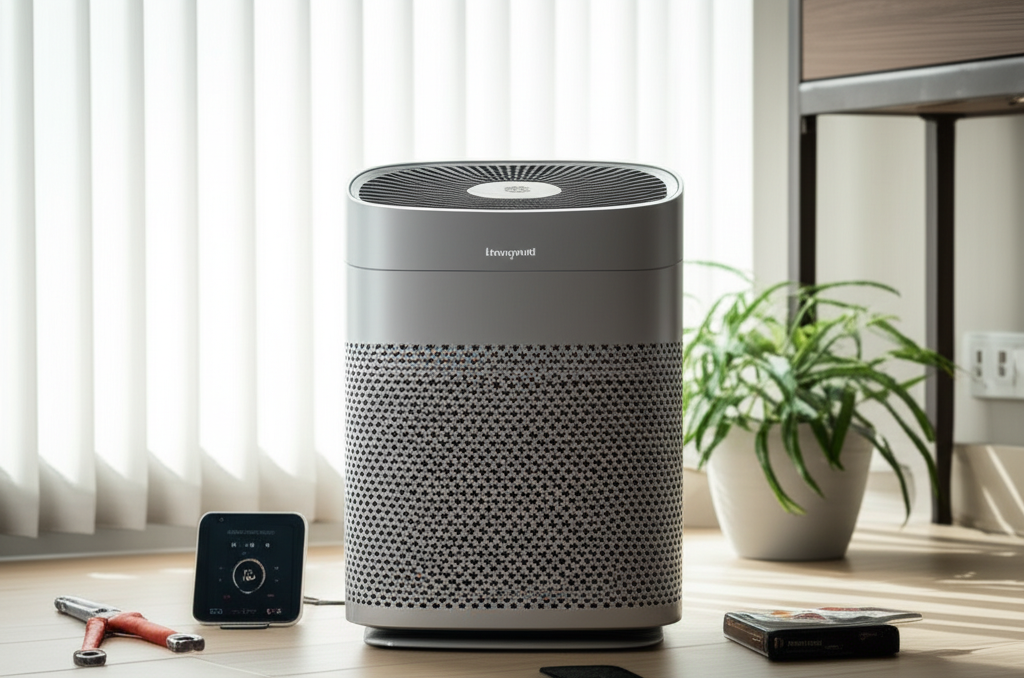
For decades, Honeywell has been a household name, synonymous with reliability and advanced technology. This trust extends to their air purifiers, which are designed with consumer needs in mind, offering peace of mind alongside superior air cleaning capabilities. Their products are built to last, providing long-term solutions for maintaining healthy indoor environments.
Advanced Filtration Technologies
Honeywell air purifiers typically feature multi-stage filtration systems. These often include a pre-filter to capture larger particles, an activated carbon filter to absorb odors and VOCs, and a True HEPA filter to trap 99.97% of microscopic allergens and pollutants as small as 0.3 microns. This comprehensive approach ensures thorough air cleaning.
Top Honeywell Air Purifier Models for Every Need
Selecting the best Honeywell air purifier depends on your specific requirements, such as room size and the types of pollutants you need to address. Honeywell offers a diverse range of models, each tailored to different living spaces and air quality concerns. From compact units for bedrooms to powerful systems for larger living areas, there’s a Honeywell purifier designed to fit your lifestyle.
For Small Rooms: Honeywell HPA060 Series
The Honeywell HPA060 series is an excellent choice for smaller spaces like bedrooms or home offices. Its compact design makes it easy to place on a desk or nightstand, providing targeted air purification where you need it most. Despite its size, it effectively removes common allergens and odors, contributing to a more comfortable environment.
This model is particularly praised for its quiet operation, making it ideal for use while sleeping or working. It’s a budget-friendly option that doesn’t compromise on essential air cleaning performance.
For Medium Rooms: Honeywell HPA100 Series
If you have a medium-sized living area or bedroom, the Honeywell HPA100 series offers enhanced coverage. These units are designed to circulate and filter the air in rooms up to a certain square footage, significantly reducing airborne contaminants. They often feature multiple fan speeds, including a turbo setting for quick purification.
The HPA100 series typically includes the robust True HEPA filtration system, making it a solid performer against dust, pollen, pet dander, and mold spores. Its user-friendly controls and filter replacement indicators add to its convenience.
For Large Rooms: Honeywell HPA300 Series
For those who need to purify the air in larger living rooms, open-concept spaces, or family rooms, the Honeywell HPA300 series is a powerful solution. These models boast higher CADR (Clean Air Delivery Rate) ratings, indicating their ability to clean the air in larger volumes more rapidly. They are designed for maximum efficiency in demanding environments.
The HPA300 is a popular choice for its ability to handle significant pollutant loads, making it ideal for households with pets, allergies, or those living in areas with higher outdoor pollution. It’s a significant investment in your home’s overall air quality.
Specialty Models: Honeywell Allergen Remover Series
Honeywell also offers specialized models, such as their Allergen Remover series, which are specifically engineered to target common allergens. These purifiers often feature enhanced HEPA filtration and may include additional features focused on allergen reduction, providing targeted relief for allergy sufferers.
These units are a great option for individuals dealing with seasonal allergies or year-round sensitivities to dust mites, pollen, and pet dander. They offer a focused approach to creating a healthier indoor atmosphere.
Key Features to Look for in a Honeywell Air Purifier
When evaluating the best Honeywell air purifier for your home, understanding key features will help you make an informed decision. These features directly impact the purifier’s effectiveness, ease of use, and suitability for your specific needs. Prioritizing these aspects ensures you get the most value and performance from your investment.
True HEPA Filtration
This is perhaps the most crucial feature. A True HEPA filter is certified to capture at least 99.97% of airborne particles 0.3 microns in size. This includes common allergens like pollen, dust mites, pet dander, and mold spores, making it essential for allergy and asthma sufferers. Honeywell’s commitment to True HEPA filtration is a significant selling point.
Activated Carbon Pre-Filters
Beyond trapping particles, a good air purifier should tackle odors and volatile organic compounds (VOCs). Activated carbon filters excel at adsorbing these gaseous pollutants, which can come from cooking, pets, smoke, or household cleaning products. Honeywell models often incorporate substantial carbon filters for comprehensive odor control.
CADR (Clean Air Delivery Rate)
CADR ratings indicate how quickly an air purifier can clean the air in a room. Higher CADR ratings mean faster purification. It’s important to match the CADR rating to the size of your room for optimal performance. Honeywell provides CADR information to help consumers select the right unit for their space.
Room Size Coverage
Manufacturers specify the recommended room size for their air purifiers. This is usually based on a certain number of air changes per hour (ACH). Ensure the model you choose is rated for the square footage of the room you intend to use it in, or slightly larger, to ensure effective air cleaning.
Noise Level (dB)
Air purifiers operate with fans, which generate noise. While some noise is inevitable, quieter models are preferable, especially for bedrooms or living areas. Look for decibel (dB) ratings; lower numbers indicate quieter operation. Many Honeywell models offer quiet modes or are designed for low noise output.
Filter Replacement Indicators
To maintain optimal performance, filters need to be replaced periodically. A filter replacement indicator light takes the guesswork out of maintenance, alerting you when it’s time to swap out the old filters. This feature ensures your Honeywell air purifier continues to operate at its peak efficiency.
Honeywell Air Purifier Technology Explained
Honeywell employs several technologies to ensure their air purifiers are effective and efficient. Understanding these technologies can help you appreciate the engineering behind their products and why they are a reliable choice for improving your home’s air quality. These innovations are designed to tackle a wide spectrum of airborne contaminants.
Ionization Technology (Optional)
Some Honeywell models may incorporate ionization technology, which releases negative ions into the air. These ions attach to airborne particles, causing them to clump together and become heavier, making them easier for the filter to capture. It’s important to ensure any ionization feature meets safety standards and doesn’t produce ozone.
Ozone Reduction Features
For models that utilize ionization, Honeywell often includes features designed to minimize or eliminate ozone production, a potential lung irritant. Choosing a purifier with ozone reduction capabilities is crucial for maintaining a healthy breathing environment, especially for sensitive individuals.
Smart Features and App Control
As technology advances, so do air purifiers. Some of the latest Honeywell models may offer smart features, including app connectivity. This allows you to control settings, monitor air quality, and receive filter alerts remotely via your smartphone, adding a layer of convenience and control.
Comparing Honeywell Air Purifier Models: A Quick Guide
To help you visualize the differences between popular Honeywell air purifier models, here’s a comparative overview. This table highlights key specifications to assist you in choosing the best fit for your home. Remember that exact specifications can vary slightly by sub-model within a series.
| Model Series | Recommended Room Size (Sq. Ft.) | True HEPA Filter | Activated Carbon Filter | Noise Level (dB) | Key Features |
|—|—|—|—|—|—|
| HPA060 | Up to 170 | Yes | Yes | ~25-50 | Compact, quiet operation, 3 speeds |
| HPA100 | Up to 155 | Yes | Yes | ~30-50 | Enhanced allergen control, 4 speeds, turbo setting |
| HPA300 | Up to 232 | Yes | Yes | ~35-55 | High CADR, 5 speeds, handles larger spaces |
| HPA5200 (tower) | Up to 170 | Yes | Yes | ~25-50 | Slim tower design, 5 speeds, air quality sensor |
This table provides a general comparison. Always check the specific product details for the most accurate information on room coverage and features.
Maintaining Your Honeywell Air Purifier for Peak Performance
Proper maintenance is key to ensuring your Honeywell air purifier continues to deliver essential clean air effectively. Regular upkeep not only prolongs the life of the unit but also guarantees that it operates at its maximum efficiency, providing the best possible air quality for your home. Neglecting maintenance can reduce performance and lead to premature filter wear.
Regular Filter Replacement
The most critical maintenance task is replacing the filters according to the manufacturer’s recommendations. True HEPA filters typically need replacement every 6-12 months, while carbon filters may need changing more frequently, often every 3 months, depending on usage and air quality. Using genuine Honeywell replacement filters is highly recommended to ensure compatibility and optimal performance. You can find these on the Honeywell Store or authorized retailers.
Cleaning the Exterior and Interior
Periodically, you should gently wipe down the exterior of your air purifier with a soft, damp cloth. Ensure the unit is unplugged before cleaning. You can also use a vacuum cleaner with a brush attachment to gently clean the pre-filter if it is washable, or to remove dust from the intake and exhaust vents.
Checking for Obstructions
Make sure that the air intake and outlet vents are not blocked by furniture or other objects. Proper airflow is essential for the unit to effectively circulate and purify the air in the room. Ensure your Honeywell air purifier has adequate space around it to function efficiently.
Who Benefits Most from a Honeywell Air Purifier?
The benefits of using a Honeywell air purifier extend to a wide range of individuals and households. Anyone concerned about indoor air quality can find value, but certain groups stand to gain significantly more. Investing in clean air can lead to tangible improvements in health and comfort for many.
Individuals with Allergies and Asthma
For those suffering from allergies or asthma, a Honeywell air purifier is almost a necessity. By removing allergens like pollen, dust mites, pet dander, and mold spores, these devices can significantly reduce symptoms such as sneezing, coughing, itchy eyes, and difficulty breathing. The True HEPA filter is the star player here, capturing the microscopic triggers of these conditions.
Pet Owners
Pets bring joy, but they also bring dander, odors, and potential allergens. A Honeywell air purifier with a robust activated carbon filter can help neutralize pet odors, while the HEPA filter captures pet dander, making your home more comfortable for both you and your guests, especially those with sensitivities.
Urban Dwellers and Those in Polluted Areas
If you live in a city or an area prone to outdoor air pollution, your indoor air can be compromised by pollutants seeping in. Honeywell air purifiers can help mitigate this by filtering out particulate matter, smog, and other airborne contaminants that originate from outside, contributing to a healthier indoor sanctuary.
Families with Young Children or Elderly Members
The respiratory systems of young children and the elderly can be more sensitive to air pollutants. Providing clean indoor air with a Honeywell purifier can help support their respiratory health and create a safer, more comfortable living environment for vulnerable family members.
Anyone Concerned About General Health and Well-being
Beyond specific conditions, everyone can benefit from breathing cleaner air. Reducing exposure to common indoor pollutants can contribute to better sleep, increased energy levels, and an overall sense of well-being. A Honeywell air purifier is an investment in your family’s health.
Frequently Asked Questions About Honeywell Air Purifiers
Here are answers to some common questions people have when considering a Honeywell air purifier. These should help clarify any lingering doubts and guide you toward the best choice for your home.
What is the difference between a Honeywell air purifier and other brands?
Honeywell is known for its long-standing reputation for reliability, robust True HEPA filtration, and user-friendly designs. While many brands offer HEPA filters, Honeywell’s consistent quality and performance make it a trusted choice for essential clean air.
How often do I need to replace the filters in my Honeywell air purifier?
Filter replacement frequency varies by model and usage, but typically True HEPA filters last 6-12 months, and activated carbon filters need changing every 3 months. Always refer to your specific model’s manual for precise recommendations.
Are Honeywell air purifiers energy-efficient?
Most Honeywell air purifiers are designed to be energy-efficient, especially when used on lower fan speeds. Many models have ENERGY STAR certifications, indicating they meet strict energy efficiency guidelines set by the EPA.
Can a Honeywell air purifier help with smoke odors?
Yes, models equipped with substantial activated carbon filters are very effective at absorbing and neutralizing smoke odors, whether from cooking, fireplaces, or environmental smoke. For severe smoke issues, a higher CADR model is recommended.
Do Honeywell air purifiers produce ozone?
Honeywell is committed to ozone safety. While some older or specific models might have ionization features that could produce trace amounts of ozone, newer models are designed with ozone reduction technology or avoid ionization altogether. Always check product specifications if ozone is a concern.
What does the “HPA” stand for in Honeywell model numbers?
“HPA” typically stands for Honeywell Personal Air purifier, indicating its function and the brand. The subsequent numbers often denote the series and its capabilities or intended room size.
Conclusion: Invest in Your Health with the Best Honeywell Air Purifier
Finding the best Honeywell air purifier is a crucial step towards ensuring your home environment provides essential clean air for you and your loved ones. Honeywell’s reputation for quality, combined with their advanced filtration technologies like True HEPA and activated carbon, makes them a standout choice for tackling a wide array of indoor air pollutants. Whether you need a compact unit for a small bedroom or a powerful system for a large living area, Honeywell offers a reliable solution.
By understanding the different models, key features, and maintenance requirements, you can confidently select a Honeywell air purifier that meets your specific needs and budget. Investing in a Honeywell air purifier is not just about buying an appliance; it’s about investing in your health, comfort, and peace of mind. Breathe easier, knowing you’ve chosen a trusted name for cleaner, healthier indoor air.

