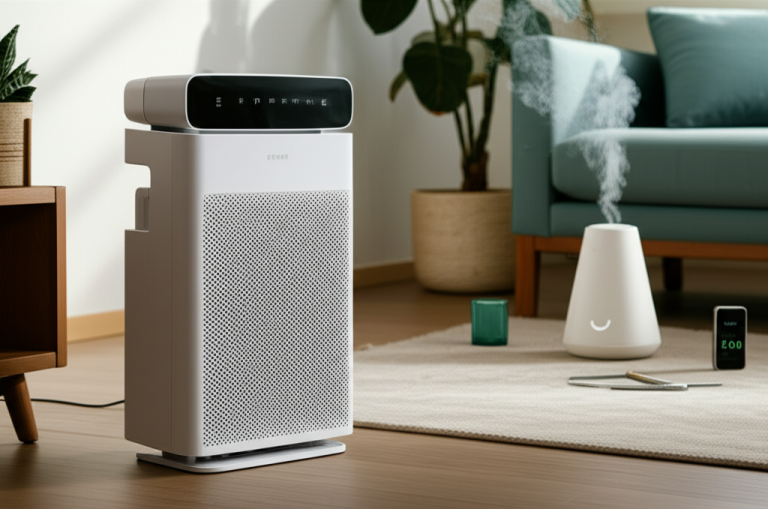
Best Home Air Purifiers For Dust: Essential Guide

Breathe easier with our guide to the best home air purifiers for dust. Discover top-rated models, key features, and expert tips to effectively tackle airborne particles and create a healthier living space. We’ll help you find the perfect solution for a dust-free home.
Dust is more than just an unsightly nuisance; it’s a common allergen that can trigger sneezing, itchy eyes, and respiratory discomfort. For many of us, keeping our homes free from persistent dust feels like a constant battle. Fortunately, the right home air purifier can make a significant difference, trapping those tiny particles before they settle. This guide will walk you through everything you need to know to select the best home air purifiers for dust, ensuring you can finally enjoy cleaner, fresher air.
Why Dust in Your Home Matters
Dust is a complex mixture of microscopic particles, including skin cells, fabric fibers, pet dander, pollen, and even tiny insects. These particles constantly circulate in the air, settling on surfaces and contributing to allergies and respiratory issues. For individuals with asthma or allergies, dust can significantly impact their quality of life. Investing in a good air purifier is a proactive step towards a healthier environment.
The Silent Culprits: Common Dust Sources

Understanding where dust comes from is the first step in controlling it. Common sources include everyday activities like walking, cooking, and even just the movement of air within your home. Open windows can also allow outdoor dust and pollen to enter. Regularly identifying and mitigating these sources can further enhance the effectiveness of your air purification efforts.
What to Look for in the Best Home Air Purifiers for Dust
When searching for the best home air purifiers for dust, several key features stand out. The most crucial element is a robust filtration system, typically involving a HEPA filter, which is essential for capturing fine dust particles. Consider the unit’s coverage area (CADR) and noise level, especially if it will be used in living spaces or bedrooms. Energy efficiency and filter replacement costs are also important long-term considerations.
The Power of HEPA Filters
High-Efficiency Particulate Air (HEPA) filters are the gold standard for capturing airborne particles. True HEPA filters are certified to capture at least 99.97% of particles as small as 0.3 microns, which includes most dust, pollen, and pet dander. When comparing models, ensure the air purifier explicitly states it uses a “True HEPA” filter for maximum effectiveness against dust.
Understanding CADR Ratings
The Clean Air Delivery Rate (CADR) indicates how quickly an air purifier can filter the air in a specific room size. It measures the volume of filtered air delivered per minute for three pollutants: dust, pollen, and smoke. A higher CADR rating generally means the purifier will clean the air in your room more efficiently. Always match the CADR to your room’s square footage for optimal performance.
Activated Carbon: The Odor and Gas Fighter
While HEPA filters excel at trapping physical particles like dust, activated carbon filters are vital for absorbing odors, gases, and volatile organic compounds (VOCs). Many of the best home air purifiers for dust include an activated carbon layer, which helps to eliminate unpleasant smells that can accompany dust, such as mustiness or pet odors. This dual-action filtration provides a more comprehensive air cleaning solution.
Top-Rated Home Air Purifiers for Dust Reviewed
Finding the absolute best home air purifiers for dust requires looking at proven performers. We’ve researched models known for their effectiveness, reliability, and user satisfaction in tackling dust. These selections offer a range of features and price points to suit different needs and budgets. Each unit has been evaluated for its filtration capabilities and overall performance in real-world home environments.
Coway Airmega 200M: A Budget-Friendly Powerhouse
The Coway Airmega 200M is frequently cited as one of the best home air purifiers for dust, especially for its excellent value. It features a multi-stage filtration system, including a pre-filter, an activated carbon filter, and a True HEPA filter. Its smart sensor technology automatically adjusts fan speed based on air quality, and it’s remarkably quiet for its performance. This model is ideal for medium to large rooms.
Pros: Effective True HEPA filtration, quiet operation, automatic mode, cost-effective.
Cons: Filter replacement can be a recurring cost, some users find the auto mode slightly too sensitive.
Blueair Blue Pure 411 Auto: Compact and Stylish
For smaller spaces or those prioritizing aesthetics, the Blueair Blue Pure 411 Auto is a compelling choice. This compact unit utilizes a unique combination of electrostatic and mechanical filtration (HEPASilent™ technology) to capture dust, pollen, and smoke efficiently. Its simple, one-button operation and attractive fabric pre-filters make it easy to use and integrate into your home decor. The auto mode adjusts performance based on air quality.
Pros: Sleek design, very quiet, effective filtration for its size, easy to operate.
Cons: Best suited for smaller rooms, filter replacements are necessary.
Levoit Core 300S: Smart Features for Modern Homes
The Levoit Core 300S offers smart capabilities, allowing you to control it via a smartphone app or voice commands. It employs a 3-stage filtration system, including a preliminary filter, a True HEPA filter, and an activated carbon filter, making it adept at removing dust and other airborne contaminants. Its compact cylindrical design makes it a good fit for bedrooms or home offices. The quiet sleep mode ensures undisturbed rest.
Pros: Smart connectivity, effective multi-stage filtration, compact design, quiet sleep mode.
Cons: Best for small to medium rooms, app can sometimes be slow to connect.
Honeywell HPA300: A Reliable Workhorse
The Honeywell HPA300 is a robust and reliable option, often recommended for its strong performance in larger rooms. It boasts a 3-stage filtration system with a True HEPA filter capable of capturing 99.97% of allergens and microscopic particles. With multiple fan speeds and an automatic shut-off timer, it offers flexibility and convenience. Its sturdy build and proven track record make it a dependable choice for tackling significant dust levels.
Pros: Excellent for large rooms, strong filtration, multiple fan speeds, durable.
Cons: Can be a bit noisy on higher settings, larger footprint.
Essential Features Beyond Filtration
While HEPA and activated carbon filters are paramount for dust removal, other features enhance the user experience and effectiveness of the best home air purifiers for dust. Consider factors like noise levels, energy consumption, smart capabilities, and the availability and cost of replacement filters. These elements contribute to the overall satisfaction and long-term value of your air purifier investment.
Noise Levels and Sleep Modes
The sound an air purifier makes can be a significant factor, especially if it’s placed in a bedroom or living area. Look for models with low decibel ratings, particularly on their lowest settings. Many purifiers offer a “sleep mode” that dims indicator lights and reduces fan speed to a whisper-quiet level, ensuring your rest is undisturbed. This is a key consideration for optimal comfort.
Energy Efficiency and Running Costs
Air purifiers are designed to run for extended periods, so energy consumption is an important consideration. Look for Energy Star certified models, which meet strict energy efficiency guidelines set by the U.S. Environmental Protection Agency. While the initial purchase price is one factor, also consider the ongoing cost of replacement filters, as these can add up over time.
Smart Technology and Connectivity
Modern air purifiers often come equipped with smart features, such as Wi-Fi connectivity, smartphone apps, and voice control integration (e.g., with Amazon Alexa or Google Assistant). These technologies allow for remote operation, scheduling, air quality monitoring, and filter life tracking. For tech-savvy users, these features can significantly enhance convenience and control over their home environment.
How to Maximize Your Air Purifier’s Effectiveness
Simply purchasing one of the best home air purifiers for dust is only part of the solution. Proper placement and maintenance are crucial for ensuring it operates at peak performance and effectively reduces dust in your home. Following these tips will help you get the most out of your investment and enjoy cleaner air consistently.
Strategic Placement for Optimal Airflow
The placement of your air purifier significantly impacts its ability to circulate and clean air. For best results, place it in the room where you spend the most time, such as the bedroom or living room. Ensure there’s at least a foot of clearance around the unit on all sides to allow for unobstructed airflow. Avoid placing it directly behind furniture or in tight corners.
Regular Filter Maintenance and Replacement
Filters are the workhorses of any air purifier, and their effectiveness diminishes over time. Pre-filters often need cleaning every few weeks, while HEPA and carbon filters typically require replacement every 6 to 12 months, depending on usage and air quality. Neglecting filter maintenance will reduce the purifier’s ability to capture dust and can even lead to decreased airflow. Always follow the manufacturer’s recommendations for filter care.
Complementary Dust Control Strategies
While an air purifier is a powerful tool, it works best when combined with other dust control methods. Regular vacuuming with a HEPA-filter vacuum, dusting with microfiber cloths, and washing bedding frequently can significantly reduce the amount of dust in your home. Using a dehumidifier can also help reduce dust mite populations, as they thrive in humid environments.
Choosing the Right Size for Your Space
Selecting an air purifier that’s appropriately sized for your room is critical for effective dust removal. An undersized unit will struggle to clean the air adequately, while an oversized one might be unnecessarily expensive and noisy. Always refer to the manufacturer’s recommended room coverage or CADR rating when making your decision. It’s often better to slightly oversize than undersize.
Understanding Room Coverage and CADR
The manufacturer will typically specify the square footage that an air purifier is designed to cover. This is often linked to its CADR rating. A common guideline is that the air purifier should have a CADR rating of at least two-thirds of the room’s square footage. For example, for a 150 sq ft room, you’d look for a CADR of at least 100 for dust.
When to Consider Multiple Units
If you have a larger home with multiple living areas or bedrooms, a single large air purifier might not be sufficient. In such cases, consider investing in multiple smaller units strategically placed in high-traffic areas or rooms where dust is a significant concern. This approach ensures consistent air purification throughout your home.
Common Misconceptions About Air Purifiers
Despite their growing popularity, there are still some common misunderstandings about how air purifiers work and what they can achieve. Clearing up these myths can help you make a more informed decision when choosing the best home air purifiers for dust and managing your expectations. Understanding their limitations is as important as knowing their strengths.
Are Air Purifiers a Cure for Allergies?
While air purifiers can significantly reduce airborne allergens like dust, pollen, and pet dander, they are not a cure for allergies. They are a valuable tool for managing allergy symptoms by improving indoor air quality. Individuals with severe allergies should still consult with a healthcare professional and continue with their prescribed treatments.
Do Air Purifiers Remove All Dust?
No single air purifier can remove 100% of dust particles from the air. However, the best home air purifiers for dust, especially those with True HEPA filters, can capture over 99.97% of fine dust. Combined with regular cleaning, they dramatically reduce the overall dust burden in your home.
Frequently Asked Questions About Air Purifiers for Dust
How often should I run my air purifier for dust?
For optimal dust reduction, it’s recommended to run your air purifier continuously, especially in rooms where dust is a major concern. Many models have energy-efficient settings that make this feasible without significantly increasing your electricity bill.
Can an air purifier help with pet dander as well as dust?
Yes, absolutely. Air purifiers equipped with True HEPA filters are highly effective at capturing not only dust but also common allergens like pet dander, pollen, and mold spores.
What is the lifespan of an air purifier filter?
The lifespan of an air purifier filter varies by model and usage. Generally, HEPA filters need to be replaced every 6 to 12 months, while activated carbon filters may need replacement around the same time or sooner if odor removal is a primary function. Always check the manufacturer’s guidelines.
Are there any health risks associated with air purifiers?
When used correctly and with genuine HEPA filters, air purifiers are generally safe. Be cautious of models that claim to use ozone generation, as ozone can be a lung irritant. Stick to reputable brands and HEPA-based systems.
How do I know if my air purifier is working effectively?
You can often tell if your air purifier is working by noticing a reduction in visible dust settling on surfaces and experiencing fewer allergy symptoms. Some smart models also provide real-time air quality readings. Regularly checking and cleaning/replacing filters is also a good indicator.
Conclusion
Investing in one of the best home air purifiers for dust is a powerful step towards creating a healthier and more comfortable living environment. By understanding the importance of HEPA filtration, CADR ratings, and other key features, you can confidently choose a unit that effectively tackles airborne dust particles. Remember to consider room size, noise levels, and ongoing maintenance costs to ensure your air purifier provides long-term value. With the right air purifier and consistent maintenance, you can significantly reduce dust in your home and enjoy cleaner, fresher air for you and your family.