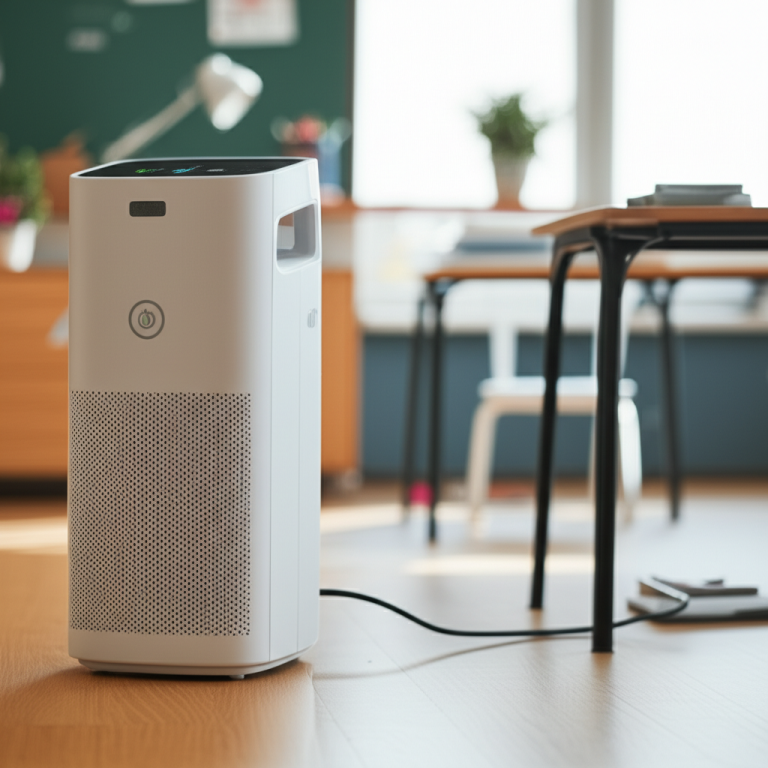
Best Home Air Purifier System: Essential Clean Air

Breathe easier with the best home air purifier system, designed to tackle allergens, pollutants, and odors, ensuring your living space is a sanctuary of clean air for optimal health and well-being.
The air inside our homes can be surprisingly polluted, often worse than the outdoor air. Dust, pet dander, pollen, mold spores, and even volatile organic compounds (VOCs) from everyday products can trigger allergies, asthma, and general discomfort. Finding the best home air purifier system is crucial for creating a healthier living environment. This guide will walk you through everything you need to know to make an informed choice, ensuring you and your loved ones can enjoy essential clean air.
Why You Need the Best Home Air Purifier System
A top-tier home air purifier system acts as a vital shield against invisible threats circulating in your home. These devices actively remove airborne contaminants, significantly improving indoor air quality. This leads to fewer allergy symptoms, better sleep, and a generally healthier atmosphere for everyone.
Understanding Indoor Air Pollutants

Indoor air pollution stems from various sources, many of which are common in households. Understanding these pollutants is the first step in choosing the right purification system. Common culprits include dust mites, pet dander, pollen, mold spores, smoke particles, and VOCs released from paints, cleaning supplies, and furniture.
The Impact on Your Health
Poor indoor air quality can have a profound impact on your health. For allergy and asthma sufferers, it can mean constant irritation, difficulty breathing, and frequent flare-ups. Even for those without specific sensitivities, prolonged exposure to pollutants can lead to headaches, fatigue, and weakened immune systems.
Key Features to Look for in an Air Purifier System
When selecting the best home air purifier system, several core features will determine its effectiveness. Focusing on these will help you narrow down your options and find a unit that meets your specific needs. Consider the type of filtration, coverage area, and noise level.
HEPA Filtration: The Gold Standard
High-Efficiency Particulate Air (HEPA) filters are considered the benchmark for air purification. A true HEPA filter can capture at least 99.97% of airborne particles as small as 0.3 microns. This includes common allergens like pollen, dust mites, and pet dander, making it essential for allergy relief.
Activated Carbon Filters for Odors and Gases
Beyond particles, many air purifiers incorporate activated carbon filters. These are highly effective at adsorbing odors, smoke, and harmful gases like formaldehyde and VOCs. If you’re concerned about cooking smells, pet odors, or fumes from household products, an activated carbon filter is a must-have.
Pre-filters for Larger Particles
A washable pre-filter is a valuable addition, as it captures larger particles like hair and lint. This not only helps extend the life of your HEPA and carbon filters but also improves the overall efficiency of the system by preventing the finer filters from becoming clogged too quickly.
CADR: Clean Air Delivery Rate Explained
The Clean Air Delivery Rate (CADR) is a standardized measure of how quickly an air purifier can clean a room of specific pollutants like smoke, dust, and pollen. Higher CADR ratings mean faster purification. When choosing the best home air purifier system, always check the CADR for the room size you intend to use it in.
Choosing the Right Air Purifier for Your Space
The size of the room and the specific air quality concerns you have will dictate the type of air purifier that is best for you. A unit that is too small will struggle to clean the air effectively, while an oversized one might be unnecessarily noisy and expensive.
Room Size and Coverage Area
Air purifiers are rated for specific room sizes, usually measured in square feet. It’s crucial to match the purifier’s coverage area to your room’s dimensions. For larger spaces or open-plan living areas, you might need a more powerful unit or consider placing multiple purifiers strategically.
Placement Considerations
Where you place your air purifier can significantly impact its performance. Ideally, position it in the room where you spend the most time, such as the bedroom or living room. Ensure it has adequate space around it for proper air circulation, avoiding corners or placing it directly against walls.
Noise Levels and Sleep Modes
Air purifiers can generate noise, especially at higher fan speeds. If you plan to use it in a bedroom, look for models with quiet operation or a dedicated sleep mode that reduces fan speed and dims indicator lights for undisturbed rest.
Top Air Purifier Technologies and Types
The market offers various air purifier technologies, each with its strengths and weaknesses. Understanding these can help you select the best home air purifier system that aligns with your needs and preferences.
Ionizers and Ozone Production Concerns
Ionizers work by releasing negative ions into the air, which attach to airborne particles, causing them to fall out of the air or stick to surfaces. While effective, some ionizers can produce ozone as a byproduct, which can be a lung irritant. Look for purifiers that are certified as low-ozone or ozone-free.
UV-C Light for Sterilization
Some air purifiers include UV-C light technology, which is designed to kill airborne bacteria, viruses, and mold spores. While UV-C can be effective, its ability to neutralize pathogens depends on the intensity of the light and the duration the contaminants are exposed to it within the unit.
Combination Systems for Comprehensive Cleaning
Many of the best home air purifier systems combine multiple technologies, such as HEPA, activated carbon, and sometimes UV-C or ionizers. This multi-stage approach offers more comprehensive air cleaning, tackling a wider range of pollutants simultaneously for superior indoor air quality.
Popular Air Purifier Brands and Models to Consider
Several reputable brands consistently offer high-performing air purifiers. Researching these established names can provide a strong starting point for finding the best home air purifier system for your needs.
Coway Air Purifiers
Coway is renowned for its effective and stylish air purifiers. Models like the Coway Airmega series are often praised for their robust filtration, smart features, and excellent performance in medium to large rooms. They typically feature multi-stage filtration, including HEPA and carbon filters.
Blueair Air Purifiers
Blueair focuses on combining high performance with energy efficiency and a sleek Scandinavian design. Their HEPASilent™ technology is a key feature, offering powerful filtration with whisper-quiet operation. Models like the Blueair Classic and HealthProtect are popular choices.
Levoit Air Purifiers
Levoit offers a wide range of air purifiers that balance affordability with effective performance. Their Core series, including the Levoit Core 300 and Core 400S, are often recommended for their compact size, true HEPA filtration, and user-friendly features, making them excellent for smaller to medium spaces.
Winix Air Purifiers
Winix purifiers often include PlasmaWave™ technology, which works to reduce airborne pollutants. Combined with their True HEPA filters and activated carbon filters, they provide a comprehensive approach to air cleaning. The Winix 5500-2 is a frequently recommended model for its all-around performance.
Maintaining Your Air Purifier for Optimal Performance
To ensure your air purifier continues to deliver essential clean air, regular maintenance is key. Neglecting maintenance can reduce its effectiveness and even lead to the recirculation of trapped pollutants.
Filter Replacement Schedule
The most critical maintenance task is replacing the filters according to the manufacturer’s recommendations. HEPA and carbon filters have a limited lifespan and will eventually become saturated. Check your user manual for specific timelines, which typically range from 6 to 12 months.
Cleaning the Pre-filter
If your unit has a washable pre-filter, cleaning it regularly will significantly extend the life of your main filters. Most pre-filters can be vacuumed or rinsed under water. This simple step ensures the unit can efficiently draw in air.
General Cleaning and Inspection
Periodically, wipe down the exterior of the air purifier with a damp cloth. You should also inspect the fan blades and interior for any dust buildup. Ensure the unit is unplugged before performing any cleaning to avoid electrical hazards.
Factors Beyond Filtration: Smart Features and Energy Efficiency
When selecting the best home air purifier system, consider features that enhance convenience and long-term value. Smart technology and energy efficiency can make a significant difference in your daily life.
Smart Connectivity and App Control
Many modern air purifiers offer Wi-Fi connectivity, allowing you to control them remotely via a smartphone app. These apps often provide real-time air quality monitoring, filter life status, and scheduling capabilities, adding a layer of convenience and control.
Energy Star Certification
Look for air purifiers with Energy Star certification. This indicates that the appliance meets strict energy efficiency guidelines set by the Environmental Protection Agency, meaning it will use less electricity and save you money on your utility bills over time.
Filter Life Indicators
A built-in filter life indicator is a highly useful feature. It takes the guesswork out of when to replace your filters, ensuring your purifier always operates at peak efficiency. This prevents the common mistake of using clogged filters for too long.
Troubleshooting Common Air Purifier Issues
Even the best home air purifier system can encounter minor issues. Knowing how to troubleshoot these common problems can save you time and ensure continuous clean air delivery.
Reduced Airflow
If you notice significantly reduced airflow, the most likely cause is clogged filters. Check your pre-filter and main filters. If they are dirty, clean or replace them as needed. Ensure no obstructions are blocking the air intake or outlet vents.
Unusual Noises
New or unusual noises can indicate a problem with the fan or motor. Ensure the unit is on a stable, level surface. If the noise persists after checking for obstructions, it might be a sign of a mechanical issue, and you may need to contact the manufacturer.
Unit Not Turning On
If your air purifier won’t turn on, first check that it is properly plugged into a working electrical outlet. Ensure the power switch is in the “on” position. If it still doesn’t power up, there might be an internal electrical issue.
Frequently Asked Questions About Home Air Purifiers
Here are some common questions beginner users have about air purifiers.
Q1: How often should I replace the filters in my air purifier?
A: Filter replacement frequency varies by model and usage, but generally, HEPA filters need replacement every 6-12 months, and carbon filters also typically last 6-12 months. Always consult your manufacturer’s manual for specific recommendations.
Q2: Can an air purifier help with pet odors?
A: Yes, air purifiers with activated carbon filters are very effective at removing pet odors. The carbon adsorbs odor-causing molecules, leaving your home smelling fresher.
Q3: Are air purifiers noisy?
A: Noise levels vary significantly between models and fan speeds. Many modern air purifiers have quiet or sleep modes designed for bedrooms, operating at very low decibel levels.
Q4: Do air purifiers use a lot of electricity?
A: Energy efficiency varies, but many newer models, especially those with Energy Star certification, are designed to be energy-conscious and won’t significantly increase your electricity bill.
Q5: Can an air purifier eliminate all allergens?
A: While air purifiers are excellent at reducing allergens like pollen, dust mites, and pet dander, they may not eliminate 100% of them. They are a crucial part of a comprehensive allergy management strategy.
Q6: Where is the best place to put an air purifier in my home?
A: Place your air purifier in the room where you spend the most time, such as your bedroom or living room. Ensure there is at least a foot of clearance around the unit for optimal air circulation.
Conclusion: Investing in Your Well-being with the Best Home Air Purifier System
Choosing the best home air purifier system is a proactive investment in your health and the comfort of your living space. By understanding the different types of filters, technologies, and key features, you can confidently select a unit that effectively tackles the specific air quality challenges in your home. From capturing allergens to neutralizing odors and removing harmful VOCs, a quality air purifier provides a tangible benefit you can feel and breathe. Prioritizing clean air means prioritizing well-being, ensuring your home remains a healthy sanctuary for you and your family.