Best HEPA Filter Air Purifier For Covid-19: Proven Essential

The best HEPA filter air purifier for COVID-19 is an essential tool for reducing airborne virus transmission in your home. Choosing the right one involves understanding HEPA filtration, CADR ratings, and room coverage to ensure effective virus particle capture and cleaner air.
The lingering concern about airborne viruses like COVID-19 can make us feel uneasy in our own homes. We want to create a safe sanctuary, and understanding how to improve indoor air quality is a crucial step. Many people wonder if air purifiers can truly make a difference. This article will guide you through selecting the best HEPA filter air purifier for COVID-19, explaining what to look for and why it’s a vital investment for your health and peace of mind.
Why a HEPA Filter Air Purifier is Crucial for COVID-19 Protection
A true HEPA filter is designed to capture at least 99.97% of airborne particles as small as 0.3 microns. This is incredibly important because viruses, including SARS-CoV-2 (the virus that causes COVID-19), can travel on respiratory droplets and aerosols that fall within this size range. By trapping these tiny particles, a HEPA filter air purifier significantly reduces the concentration of the virus in the air you breathe. This makes it a proven essential for enhancing indoor air safety, especially in shared living spaces or areas where someone might be ill.
Understanding HEPA Standards: What “True HEPA” Really Means
When looking for the best HEPA filter air purifier for COVID-19, it’s vital to understand what “HEPA” signifies. “True HEPA” filters meet stringent standards set by regulatory bodies. They are engineered to trap a vast majority of microscopic particles. Non-HEPA filters, or those labeled “HEPA-like” or “HEPA-type,” may not offer the same level of particle capture efficiency. Always look for the “True HEPA” designation to ensure you are getting the most effective filtration for virus-sized particles.
Key Features to Look for in the Best HEPA Filter Air Purifier for COVID-19
Selecting the right air purifier involves more than just finding a HEPA filter. Several other features contribute to its effectiveness in combating airborne viruses. Considering these aspects will help you make an informed decision and ensure you are investing in a device that genuinely improves your indoor air quality against threats like COVID-19.
1. True HEPA Filtration: The Non-Negotiable Core
As mentioned, a true HEPA filter is the absolute cornerstone of any effective air purifier for virus mitigation. This type of filter physically traps particles, including virus-laden aerosols, through a dense mesh. It’s not a chemical process; it’s mechanical capture. This ensures that the air passing through is scrubbed of microscopic threats, offering a tangible layer of protection against airborne pathogens like the COVID-19 virus.
2. CADR Ratings: Measuring Performance
CADR stands for Clean Air Delivery Rate. It’s a standardized measure of how quickly an air purifier can clean the air in a room. There are separate ratings for smoke, dust, and pollen. For virus protection, a higher CADR for smoke is often a good indicator of its ability to clear smaller particles efficiently. A higher CADR means the purifier works faster and is more effective for its stated room size.
3. Room Size and ACH (Air Changes per Hour)
Every air purifier is rated for a specific room size. It’s crucial to match the purifier’s capacity to the square footage of the space you intend to use it in. Additionally, consider the ACH, which indicates how many times the air in the room is completely filtered per hour. For effective virus reduction, aim for an air purifier that can achieve at least 4-5 ACH in the target room. This ensures the air is being cleaned frequently enough to make a significant impact on airborne viral load.
4. Activated Carbon Filters: Tackling Odors and VOCs
While HEPA filters capture physical particles, activated carbon filters are excellent at adsorbing gases, odors, and Volatile Organic Compounds (VOCs). Although not directly responsible for capturing virus particles, a good activated carbon pre-filter can remove other airborne irritants and unpleasant smells, contributing to overall better indoor air quality. This dual-action approach enhances the purifier’s comprehensive air-cleaning capabilities.
5. Pre-filters: Extending HEPA Lifespan
A washable pre-filter is designed to capture larger particles like dust, hair, and lint. This is a valuable feature because it prevents the more delicate HEPA filter from becoming clogged too quickly. By trapping larger debris, the pre-filter extends the life of your HEPA filter, saving you money on replacements and ensuring the purifier operates at peak efficiency for longer. It’s a simple yet effective addition.
6. Noise Levels: Finding a Peaceful Solution
Air purifiers can vary significantly in noise levels, especially when operating at higher fan speeds. While powerful purification is essential, you don’t want a device that disrupts your daily life or sleep. Look for models that specify their decibel (dB) ratings for different fan speeds. Many modern units offer a “sleep mode” that operates at a very low, unobtrusive sound level, allowing for continuous purification without disturbance.
7. Energy Efficiency: Eco-Friendly Operation
Running an air purifier continuously can impact your electricity bill. When selecting the best HEPA filter air purifier for COVID-19, consider its energy consumption. Look for Energy Star certified models, which are designed to be more energy-efficient without compromising performance. This not only saves you money but also makes your choice more environmentally friendly.
Top Air Purifier Brands and Models for COVID-19 Defense
Navigating the market for the best HEPA filter air purifier for COVID-19 can be overwhelming with so many options. Based on performance, features, and user reviews, certain brands and models consistently stand out for their effectiveness in providing cleaner air. I’ve researched some of the most reputable choices that prioritize true HEPA filtration and robust performance.
Popular and Effective Air Purifier Brands
Here are some of the leading brands known for producing high-quality air purifiers that are well-suited for combating airborne viruses:
Coway: Often praised for their advanced filtration systems and quiet operation.
Levoit: Offers a wide range of models with excellent value and performance.
Blueair: Known for combining performance with stylish design and quiet operation.
Winix: Features multi-stage filtration, including PlasmaWave technology.
* Honeywell: A trusted name in home appliances, offering reliable air purification.
These brands consistently deliver on the promise of true HEPA filtration and effective air cleaning, making them strong contenders for your home. Their commitment to quality ensures you’re investing in a device that truly works.
Recommended Models for Enhanced Air Quality
While specific model recommendations can change with new releases, here are some types of units and features to seek out from reputable brands:
| Model Type/Feature | Key Benefits | Ideal For |
| :———————— | :———————————————————————— | :———————————————– |
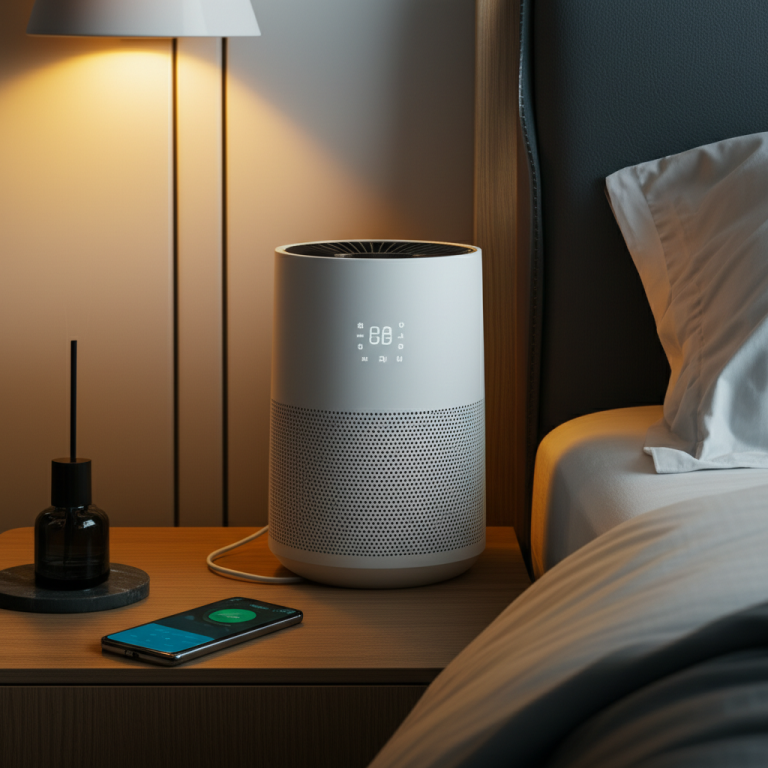
| Compact Personal Unit | Portable, good for small offices or bedrooms, energy-efficient. | Individual workspaces, small bedrooms. |
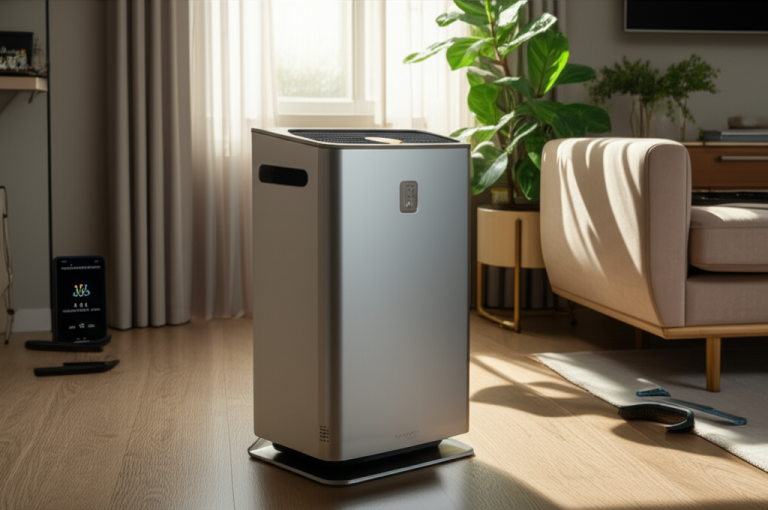
| Mid-Size Room Purifier| Balances coverage and noise, suitable for living rooms or larger bedrooms. | Medium-sized living areas, master bedrooms. |
| Whole-House System | Integrates with HVAC, provides air purification throughout the entire home. | Larger homes, families with multiple living areas. |
When choosing, always check the specific CADR ratings and recommended room sizes for the model you are considering to ensure it meets your needs. Always verify that the model explicitly states “True HEPA” filtration.
How to Use Your Air Purifier Effectively Against COVID-19
Simply owning an air purifier isn’t enough; proper usage is key to maximizing its effectiveness against airborne viruses like COVID-19. Following a few simple guidelines will ensure your device is working optimally to protect you and your family. Think of it as tuning up a high-performance machine for the best results.
Placement Matters: Optimizing Airflow
The location of your air purifier significantly impacts its performance. Place it in the room where you spend the most time, or in the area where you want to ensure the cleanest air. Ensure there’s at least a foot of clearance around the unit, especially on the intake and outlet sides, to allow for unimpeded airflow. Avoid placing it in corners or directly against walls, as this can restrict its ability to draw in and expel air effectively.
Consistent Operation: 24/7 Protection
For continuous protection against airborne pathogens, it’s best to run your air purifier 24/7. This ensures that the air is constantly being filtered, preventing the buildup of virus particles. While you can turn it off to save energy, doing so means the air quality will degrade until it’s turned back on. For maximum benefit, especially during periods of concern or when someone is ill, consistent operation is recommended.
Filter Maintenance: The Key to Performance
Regularly cleaning or replacing your air purifier’s filters is crucial for maintaining its effectiveness. Pre-filters should be cleaned monthly, while HEPA filters typically need replacement every 6-12 months, depending on usage and air quality. A clogged filter cannot capture particles efficiently and can even reduce airflow. Always follow the manufacturer’s recommendations for filter maintenance and replacement schedules.
Frequently Asked Questions About Air Purifiers and COVID-19
Many people have questions about how air purifiers work and their role in combating viruses. Here are some of the most common queries, answered to help you feel more confident in your choice and usage.
Q1: Can an air purifier kill the COVID-19 virus?
A: Air purifiers with true HEPA filters do not kill viruses; they physically trap them. By capturing virus-laden particles, they reduce the concentration of the virus in the air, thereby lowering the risk of transmission. Some purifiers also include UV-C light or ionizers, which may have some germicidal effect, but HEPA filtration is the primary mechanism for particle removal.
Q2: How close does the air purifier need to be to someone to be effective?
A: Air purifiers work by cleaning the air in a room, not by targeting specific individuals directly. While placing it in the same room is beneficial, the exact distance is less critical than ensuring adequate air circulation and filtration for the entire space. Aim for good airflow around the unit and in the room itself.
Q3: Do I still need to wear a mask if I have an air purifier?
A: Air purifiers are an excellent supplementary tool for improving indoor air quality and reducing airborne virus concentration. However, they are not a substitute for other preventative measures like vaccination, hand hygiene, and mask-wearing in high-risk settings or when recommended by health authorities. They work best as part of a layered approach to protection.
Q4: How do I know if my air purifier is actually working?
A: You can tell an air purifier is working by observing improvements in air quality, such as reduced odors and less dust settling. Many models have indicator lights for filter status and air quality levels. Regularly checking that the fan is running and that the filters are clean or recently replaced are also good signs.
Q5: Are air purifiers with ionizers safe for use against COVID-19?
A: Ionizers can produce ozone as a byproduct, which can be a lung irritant. While some newer models are designed to produce very little ozone, it’s essential to check for certifications like CARB (California Air Resources Board) compliance if you choose a model with an ionizer. For maximum safety and proven effectiveness against particles, a true HEPA filter remains the most recommended technology.
Q6: How many air purifiers do I need for my home?
A: The number of air purifiers needed depends on the size of your home, the layout, and the specific rooms you want to protect. Generally, one appropriately sized air purifier for each main living area and bedroom is recommended. For larger homes or open-plan layouts, you might need multiple units or a whole-house system.
Conclusion: Investing in Cleaner Air for a Healthier Home
The desire to create a safe and healthy living environment is paramount, especially in the current climate. Understanding the role of a best HEPA filter air purifier for COVID-19 is a significant step towards achieving that goal. By focusing on true HEPA filtration, appropriate CADR ratings, and correct usage, you can effectively reduce airborne virus particles and improve your overall indoor air quality.
Investing in a quality air purifier is an investment in your well-being and peace of mind. It provides a tangible way to combat airborne threats, ensuring your home remains a sanctuary. Remember to prioritize genuine HEPA filters and follow maintenance guidelines to keep your purifier performing at its best. This proactive approach to air quality is a proven essential for a healthier future.