Best Detergent for Carpet Cleaning: Proven Effortless Shine

Discover the best detergent for carpet cleaning to achieve an effortless shine, tackling stains and refreshing your carpets with proven, easy-to-use solutions.
Carpets can get dirty quickly. Spills, dirt, and pet accidents happen. Finding the right cleaner can feel overwhelming. You want a carpet that looks and smells fresh. This guide will help you find the best detergent for carpet cleaning. We will look at different types and how to use them. Get ready for cleaner, brighter carpets with less effort.
What Makes a Detergent the Best for Carpet Cleaning?
The best detergent for carpet cleaning effectively lifts dirt and stains. It should also be safe for your carpet fibers. Look for formulas that break down grease and grime. Good detergents rinse out easily. This prevents residue that attracts more dirt. They should also leave a pleasant, clean scent.
Understanding Carpet Fiber Types and Detergent Compatibility
Different carpet fibers need different care. Wool carpets are natural and sensitive. Harsh chemicals can damage them. Synthetic carpets like nylon or polyester are more durable. They can handle stronger cleaning solutions. Always check the detergent label for compatibility. This ensures you don’t ruin your carpet.
Natural Fibers (Wool, Silk): Require pH-neutral or wool-safe cleaners.
Synthetic Fibers (Nylon, Polyester, Olefin): Can generally use a wider range of detergents.
Choosing the wrong detergent can cause fading or fiber damage. Always test in an inconspicuous area first. This is a simple step that saves a lot of trouble.
Top Detergents for a Spotless Carpet Shine
Several detergents stand out for their cleaning power. These options are often recommended by professionals. They tackle common household messes effectively. Let’s explore some top choices.
Enzyme-Based Detergents: The Stain Masters
Enzyme detergents use natural enzymes to break down stains. They are excellent for organic stains like pet accidents, food, and blood. The enzymes ‘eat’ the stain molecules. This makes them very effective and safe for many carpets. They work best when left on the stain for a while. This gives the enzymes time to do their job.
Pros: Great for organic stains, biodegradable, safe for most carpets.
Cons: May take longer to work, less effective on synthetic stains like ink.
Many users find enzyme cleaners revolutionary for pet messes. They not only remove the stain but also the odor.
Oxygen-Based Detergents: Brightening Powerhouses
Oxygen-based cleaners release oxygen when mixed with water. This oxidation process lifts and breaks down stains. They are good for brightening carpets and removing general grime. They are often a good choice for lighter-colored carpets. These detergents are generally safe for most carpet types. They work by lifting stains to the surface.
Pros: Brightens carpets, effective on many stain types, generally color-safe.
Cons: Can be less effective on deep-set grease stains.
Products like OxiClean Carpet Cleaning Formula are popular examples. They offer a powerful, yet generally safe, cleaning action.
Wool-Safe Detergents: Gentle Giants for Natural Fibers
If you have wool carpets, you need a special detergent. Wool-safe detergents are pH-balanced. They avoid harsh chemicals that can damage wool fibers. These cleaners are specifically formulated to be gentle. They clean effectively without stripping natural lanolin. Always look for the “WoolSafe” logo. This certification ensures it’s safe for your wool carpet.
Pros: Safe for wool and other delicate natural fibers, preserves carpet texture.
Cons: May not be as strong on tough synthetic stains.
Using a wool-safe detergent protects your investment. It keeps your natural fiber carpets looking their best for years.
How to Use Carpet Detergent Effectively for Maximum Shine
Using the best detergent for carpet cleaning is only half the battle. Proper application is key to achieving that effortless shine. Always follow the product instructions. Incorrect use can lead to residue or damage.
Step-by-Step Guide to Detergent Application
Here’s a simple process for using most carpet detergents:
1. Vacuum Thoroughly: Remove loose dirt and debris first.
2. Test in an Inconspicuous Area: Check for colorfastness.
3. Dilute the Detergent: Mix with water as directed on the label.
4. Apply Sparingly: Use a spray bottle or sponge. Avoid over-wetting the carpet.
5. Agitate Gently: Use a soft brush or cloth to work the solution in.
6. Let it Dwell (if recommended): Allow time for the detergent to act on stains.
7. Rinse Thoroughly: Blot with a clean, damp cloth or use a carpet cleaning machine.
8. Dry Completely: Ensure good ventilation to prevent mildew.
This method ensures the detergent works efficiently. It also helps prevent leaving behind cleaning solution.
Spot Cleaning vs. Deep Cleaning with Detergents
Spot cleaning tackles small, fresh stains. You use a small amount of detergent directly on the spot. Deep cleaning involves cleaning larger areas or the entire carpet. This often requires a carpet cleaning machine. The detergent is mixed with water in the machine’s tank.
Spot Cleaning: Quick, targets specific messes.
Deep Cleaning: For overall freshness and heavy soiling.
Using the right method saves time and effort. It also protects your carpet from unnecessary wear.
Choosing the Right Detergent for Your Needs
The best detergent for carpet cleaning depends on your specific situation. Consider the type of stains you face. Think about your carpet material. Your budget also plays a role.
Factors to Consider When Buying Carpet Detergent
Stain Type: Pet stains, grease, food, mud?
Carpet Material: Wool, synthetic, blend?
Cleaning Method: Manual spot cleaning or machine use?
Allergies/Sensitivities: Look for fragrance-free or hypoallergenic options.
Environmental Impact: Biodegradable or eco-friendly formulas.
A detergent that works wonders on pet stains might not be ideal for general refresh. Understanding these factors guides your choice.
Popular Carpet Detergent Brands and Their Strengths
Several brands offer effective carpet cleaning solutions. Each has unique strengths.
| Brand Name | Key Strength | Best For |
| :———————- | :——————————————– | :————————————- |
| Biokleen Bac-Out | Enzyme and live culture formula, odor removal | Pet stains, organic messes |
| Puracy Natural Carpet | Plant-based, hypoallergenic, gentle | General cleaning, sensitive users |
| Woolite Carpet Cleaner | pH-neutral, safe for wool and delicates | Wool carpets, general cleaning |
| Folex Instant Carpet | Fast-acting, no rinsing needed | Quick stain removal, all carpet types |
Source: Based on user reviews and product descriptions.
Reading reviews can offer insights into real-world performance. Many users praise Folex for its speed. Biokleen is a favorite for pet owners.
The Role of Detergent in Carpet Cleaning Machines
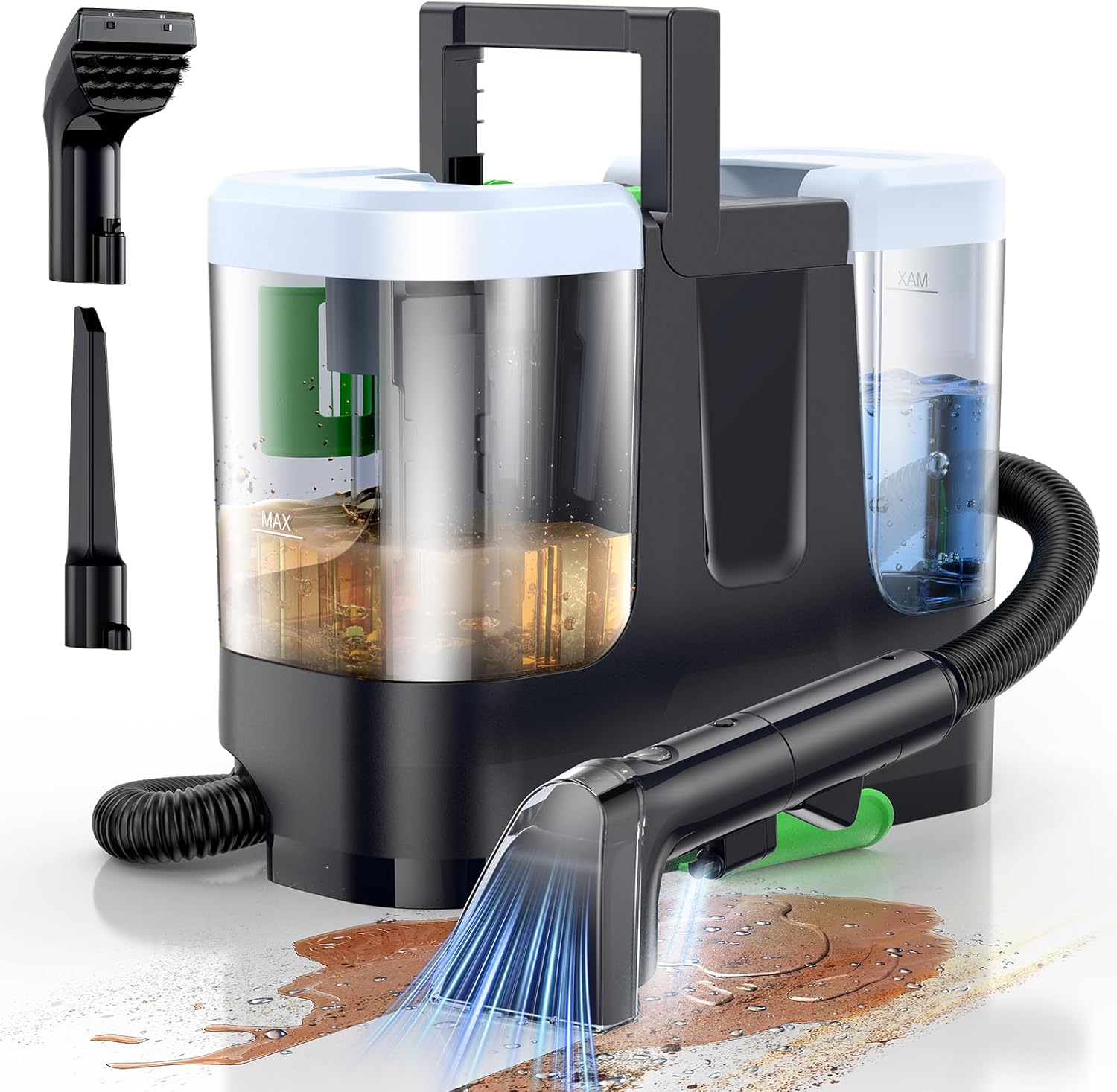
Carpet cleaning machines, also called carpet extractors, use detergent to clean. They spray a cleaning solution onto the carpet. Then, they immediately vacuum up the dirty water. This process is very effective. The detergent loosens the dirt. The vacuum suction removes it.
How Detergent Works with Extraction Machines
Detergents are formulated to work with the water and suction of these machines. They help lift embedded dirt and oils. The rinse cycle of the machine removes the detergent. This prevents sticky residue. Using the correct detergent is vital for machine performance. It also protects the machine’s internal parts.
Tip: Always use detergents specifically designed for carpet cleaning machines. Household detergents can cause excessive suds. This can damage the machine and leave residue.
The machine’s power combined with the right detergent provides a deep clean. It’s a powerful way to refresh your entire carpet.
Natural and Eco-Friendly Detergent Options
Many people prefer natural cleaning solutions. These options are better for the environment. They are also often gentler on skin and respiratory systems. Natural detergents use plant-derived ingredients. They avoid harsh chemicals and artificial fragrances.
DIY Carpet Cleaning Solutions
Simple ingredients can create effective DIY carpet cleaners. A common recipe involves water, white vinegar, and a bit of dish soap. For tougher stains, baking soda can be used as a paste. Always test DIY solutions before widespread use. Some ingredients can affect certain carpet types.
Basic Cleaner: Mix 1 cup white vinegar with 1 cup water.
For Odors: Sprinkle baking soda, let sit, then vacuum.
While DIY solutions can work, commercial eco-friendly options are often more powerful. They are formulated for specific cleaning challenges.
Commercial Eco-Friendly Detergents
Many brands now offer eco-friendly carpet detergents. Look for labels like “biodegradable,” “plant-based,” or “EPA Safer Choice.” These products are effective. They also minimize environmental impact. Brands like Puracy and Seventh Generation offer such options. They provide a clean conscience along with clean carpets.
Maintaining Your Carpet’s Shine Between Deep Cleans
Keeping your carpet clean isn’t just about the detergent you use. Regular maintenance is crucial. It prevents dirt from setting in. This makes future cleaning easier.
Regular Vacuuming is Key
Vacuuming at least once a week is essential. For high-traffic areas, vacuum more often. This removes surface dirt and prevents it from being ground into the fibers. Use the correct vacuum settings for your carpet type. A good vacuum cleaner is your first line of defense.
Prompt Stain Treatment
Treat spills and stains immediately. The longer a stain sits, the harder it is to remove. Blot, don’t rub, fresh spills. This prevents spreading the stain. Use a clean cloth or paper towel. Then, use an appropriate spot cleaner. Quick action prevents many stains from becoming permanent.
Common Mistakes to Avoid with Carpet Detergents
Even with the best detergent for carpet cleaning, mistakes can happen. Avoiding these common errors ensures the best results.
Over-Wetting Your Carpet
Using too much liquid can saturate the carpet backing. This can lead to mold and mildew growth. It can also damage the carpet’s structure. Always use detergent sparingly. Ensure good ventilation for drying.
Not Rinsing Properly
Leaving detergent residue in the carpet attracts dirt. It can also make the carpet feel stiff or sticky. Always rinse the area thoroughly. If using a machine, use the rinse cycle. If cleaning by hand, blot with a clean, damp cloth.
Using the Wrong Detergent
Using a detergent not suited for your carpet type can cause damage. For example, using a standard cleaner on wool can ruin it. Always check the label for compatibility. When in doubt, choose a wool-safe or pH-neutral cleaner.
Frequently Asked Questions About Carpet Detergents
What is the difference between carpet shampoo and carpet detergent?
Carpet shampoos often create more foam. They are typically used for manual cleaning. Detergents are often used in carpet cleaning machines. They are designed to lift dirt and be extracted. Both aim to clean your carpets.
Can I use dish soap to clean my carpet?
You can use a small amount of mild dish soap for spot cleaning. However, dish soap can create a lot of suds. This can leave residue if not rinsed completely. It’s generally better to use a dedicated carpet cleaner.
How often should I deep clean my carpets with detergent?
For most homes, deep cleaning once or twice a year is sufficient. If you have pets or children, you might need to clean more often. Regular vacuuming and spot cleaning help maintain cleanliness between deep cleans.
Are there any detergents that work on all carpet types?
Some detergents are formulated for broad use. However, it’s always safest to check the label. Wool and delicate natural fibers often require specific cleaners. Synthetic carpets are more versatile.
Does detergent remove pet odors from carpets?
Many detergents, especially enzyme-based ones, are excellent at removing pet odors. Enzymes break down the organic matter causing the smell. Ensure the detergent is specifically designed for pet stains and odors.
Conclusion: Your Path to Effortless Carpet Shine
Finding the best detergent for carpet cleaning is about matching the right product to your needs. Whether you choose an enzyme-based cleaner for tough stains or a gentle, eco-friendly option, effectiveness and safety are key. By understanding your carpet type and following proper application techniques, you can achieve a truly effortless shine. Regular vacuuming and prompt stain treatment will keep your carpets looking their best between deep cleans. Choose wisely, clean correctly, and enjoy the renewed beauty of your home.
To keep learning about home care, follow HomeHygia for more tips and guides!