
Best Commercial Vacuum Cleaner: Essential Power

The best commercial vacuum cleaner offers essential power for spotless results in busy environments. It tackles tough dirt, debris, and allergens efficiently, saving time and ensuring a healthy space. Choosing the right one means prioritizing durability, performance, and ease of use for your specific needs.
Are you tired of vacuums that quit before the job is done? For businesses, a clean space isn’t just nice; it’s necessary. It keeps customers happy and employees healthy. But finding the best commercial vacuum cleaner can feel overwhelming. Many options exist, each promising powerful cleaning. I understand this frustration. I’m here to guide you through finding a vacuum that truly delivers. We will look at what makes a commercial vacuum great and how to pick the perfect one for your business.
Why a Commercial Vacuum Cleaner is Different
A commercial vacuum cleaner is built for tough jobs. Unlike home models, they are made to last and perform in demanding settings. Think of daily use in offices, restaurants, or retail stores. These vacuums have stronger motors and more durable parts. They are designed to pick up more dirt and debris quickly. This saves you time and ensures a consistently clean environment.
This robustness means they can handle constant use without breaking down. They often come with larger dustbins and longer cords. This lets you clean bigger areas without stopping often. A good commercial unit is an investment in a cleaner, more professional space.
What Makes a Commercial Vacuum Cleaner “The Best”?
The “best” commercial vacuum cleaner depends on your specific needs. However, certain features are universally important. These include powerful suction, durable construction, and ease of maneuverability. Capacity and filtration also play a big role. A truly great vacuum balances these factors for optimal performance.
Consider the types of surfaces you clean. Some vacuums excel on carpets, while others are better for hard floors. The best models are versatile enough to handle various cleaning challenges. They should also be easy to maintain and repair.
Key Features to Look for in a Commercial Vacuum
When shopping, focus on specific features that boost performance and longevity. Powerful suction is crucial for deep cleaning. Look for vacuums with high wattage motors or strong CFM ratings. Durability is also key; commercial-grade materials like reinforced plastics and metal components are essential.
Consider the vacuum’s weight and how easy it is to push and pull. Good filtration systems, like HEPA filters, are vital for air quality. This is especially important in offices or healthcare settings. Features like brush roll controls and various attachments add versatility.
Suction Power: The Heart of Cleaning
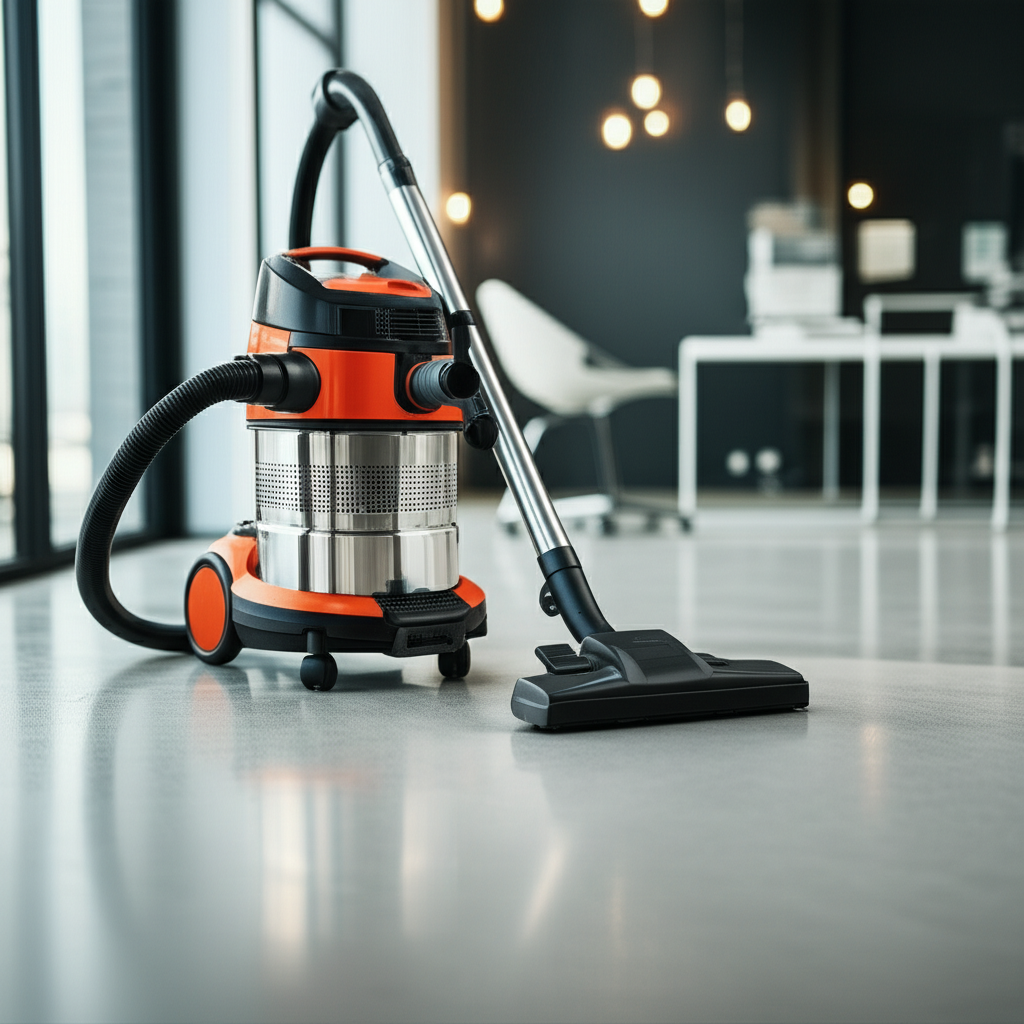
Suction power is the most critical factor in any vacuum. For commercial use, you need a machine that can lift heavy debris and fine dust with ease. This is often measured in Air Watts (AW) or by the motor’s wattage. Higher numbers generally mean stronger suction.
A powerful vacuum means less time spent going over the same spot. It picks up more on the first pass. This is a huge time saver in busy commercial spaces. Don’t settle for a weak motor; it will cost you more time and effort in the long run.
Durability and Build Quality
Commercial vacuums face a lot more wear and tear than home vacuums. They are used more often and sometimes more roughly. Therefore, build quality is paramount. Look for models made with robust materials that can withstand daily use.
Metal components, reinforced housings, and heavy-duty cords are good signs. Brands known for their reliability often use these materials. A durable vacuum means fewer repairs and replacements, saving your business money.
Filtration Systems: Beyond Just Dirt
Effective filtration is crucial for maintaining good indoor air quality. Commercial spaces can accumulate dust, allergens, and other particles. A vacuum with a good filtration system traps these contaminants, preventing them from being recirculated.
HEPA (High-Efficiency Particulate Air) filters are the gold standard. They can capture 99.97% of particles as small as 0.3 microns. This is vital for health and hygiene in any business environment.
Capacity and Ease of Use
Consider the dustbin or bag capacity. Larger capacities mean you can clean for longer periods without stopping to empty or change bags. This is a significant efficiency booster for large areas.
Ease of use includes weight, maneuverability, and cord length. A lightweight vacuum that is easy to steer will reduce user fatigue. A long power cord allows you to cover more ground.
Types of Commercial Vacuum Cleaners
There are several types of commercial vacuum cleaners, each suited for different tasks and environments. Understanding these types will help you choose the best fit. From powerful uprights to versatile canisters, each has its strengths.
Bagged vacuums are often better for allergy sufferers as they trap dust more effectively. Bagless models offer convenience by eliminating the need to buy replacement bags. The choice depends on your priorities for maintenance and air quality.
Upright Commercial Vacuums
Upright vacuums are familiar and effective for carpeted areas. Commercial models are built tougher with stronger motors and wider cleaning paths. They often have powerful brush rolls that agitate carpets to lift embedded dirt.
These are great for general cleaning in offices, hotels, and retail stores with large carpeted spaces. Their design makes them easy to push and maneuver. Many feature adjustable height settings for different carpet piles.
Canister Commercial Vacuums
Canister vacuums offer more versatility, especially for hard floors and detailed cleaning. They separate the motor and dustbin from the cleaning head, making them lighter to handle. This design allows for easier access to stairs, upholstery, and tight spaces.
Canisters typically come with various attachments, making them adaptable for different surfaces and tasks. They are excellent for businesses with mixed flooring types or those requiring detailed cleaning.
Backpack Commercial Vacuums
Backpack vacuums are designed for maximum efficiency and mobility. You wear them like a backpack, freeing up your hands. This makes them ideal for cleaning large areas quickly, like auditoriums, convention centers, or theaters.
Their lightweight design and freedom of movement allow for faster cleaning. They are also effective for cleaning stairs and overhead areas. Many backpack vacuums offer powerful suction for deep cleaning.
Wet/Dry Commercial Vacuums
For environments that deal with spills or require deep cleaning, a wet/dry vacuum is essential. These machines can pick up both dry debris and liquids. This makes them perfect for restaurants, workshops, or industrial settings.
They offer a robust solution for tackling messes that standard vacuums can’t handle. Their versatility makes them a valuable tool for maintaining hygiene in challenging environments.
Top Commercial Vacuum Cleaner Brands and Models (Examples)
Several brands consistently deliver high-quality commercial vacuum cleaners. Brands like Miele Professional, Bissell Commercial, and Sanitaire are well-regarded for their durability and performance. Each offers a range of models to suit different needs.
When researching specific models, look at user reviews and professional recommendations. Consider the warranty offered, as it’s a good indicator of the manufacturer’s confidence in their product’s durability.
| Brand | Popular Model Example | Type | Best For |
|—————-|—————————-|—————–|————————————————|
| Miele | Miele Professional | Upright/Canister | High-traffic areas, premium filtration |
| Bissell | Bissell Commercial | Upright/Backpack | Versatile cleaning, deep carpet cleaning |
| Sanitaire | Sanitaire Commercial | Upright/Canister | Heavy-duty cleaning, durable construction |
| Hoover | Hoover Commercial | Upright/Backpack | Value, reliable performance |
| Nilfisk | Nilfisk Commercial | Canister/Backpack| Industrial settings, powerful suction |
This table provides a general overview. Specific features and suitability may vary by model.
How to Choose the Best Commercial Vacuum Cleaner for Your Business
To select the best commercial vacuum cleaner, start by assessing your specific cleaning needs. What type of floors do you have? How large are the areas you need to clean? What kind of debris do you encounter most often? Answering these questions will narrow down your options significantly.
Consider your budget and the long-term value. A slightly more expensive, durable vacuum can save you money over time. Don’t forget to factor in maintenance costs and the availability of parts.
Assess Your Cleaning Environment
Your business environment dictates the type of vacuum you need. For a large office with mostly carpet, a powerful upright might be best. If you have a restaurant with hard floors and frequent spills, a wet/dry canister vacuum is a better choice.
Think about the traffic in your space. High-traffic areas require vacuums that can handle constant use and heavy dirt loads. For spaces with allergies or respiratory concerns, prioritize advanced filtration.
Consider Budget and Long-Term Value
While price is always a factor, focus on the total cost of ownership. A cheap vacuum that breaks down quickly will cost more in repairs and replacements. Invest in a quality machine that offers durability and reliability.
Look for models with good warranties. This shows the manufacturer stands behind their product. Compare features and performance against price to find the best value for your business.
Evaluate Maintenance and Support
A commercial vacuum needs to be easy to maintain. Check how simple it is to change bags or empty the dustbin. Are replacement parts readily available? Good customer support from the manufacturer can be invaluable.
Some vacuums require professional servicing. Understand the maintenance schedule and costs involved. A vacuum that is easy to clean and maintain will ensure consistent performance and longevity.
Maintenance Tips for Your Commercial Vacuum Cleaner
Proper maintenance is key to ensuring your commercial vacuum cleaner lasts and performs optimally. Regular cleaning and checks will prevent breakdowns and extend its lifespan. Simple tasks can make a big difference in its efficiency.
Always follow the manufacturer’s recommendations for maintenance. This usually includes emptying the dustbin or changing the bag regularly. Cleaning filters and checking the brush roll are also important steps.
Regular Cleaning of Filters and Brush Rolls
Filters are the lungs of your vacuum cleaner. Clogged filters reduce suction power and can lead to motor overheating. Clean or replace them according to the manufacturer’s instructions. This is crucial for maintaining air quality and vacuum efficiency.
The brush roll can get tangled with hair, threads, and debris. Regularly inspect and clean the brush roll to ensure it spins freely. This maintains its ability to agitate carpets effectively.
Emptying Dustbins or Changing Bags
Never let the dustbin or bag get completely full. This significantly reduces suction power and can strain the motor. Empty bagless bins promptly after each use. For bagged vacuums, replace the bag when it’s about two-thirds full.
This simple step ensures your vacuum works at its best. It also prevents dust from escaping back into the air.
Inspecting for Damage and Wear
Periodically inspect the vacuum’s cord, hose, and housing for any signs of damage or wear. A damaged cord can be a safety hazard. Worn parts might indicate it’s time for a replacement or repair.
Catching small issues early can prevent them from becoming major problems. This proactive approach saves time and money.
Frequently Asked Questions about Commercial Vacuum Cleaners
Q1: What is the main difference between a commercial and a residential vacuum cleaner?
Commercial vacuums are built with stronger motors and more durable materials for heavy, daily use. They are designed to last longer under demanding conditions. Residential vacuums are typically made for lighter, occasional use.
Q2: How often should I replace the filters in my commercial vacuum cleaner?
This depends on the model and how often you use the vacuum. For HEPA filters, check them monthly and clean or replace them every 6-12 months. Always refer to your vacuum’s manual for specific recommendations.
Q3: Are bagged or bagless commercial vacuums better?
Bagged vacuums generally offer better filtration and are more hygienic for emptying, especially for allergy sufferers. Bagless vacuums are more convenient as they eliminate the need to buy replacement bags. The best choice depends on your priorities.
Q4: Can I use a commercial vacuum cleaner on all floor types?
Many commercial vacuums are versatile, but some are specialized. Uprights are great for carpets, while canisters with different attachments work well on hard floors. Always check the product specifications to ensure compatibility with your flooring.
Q5: What does “suction power” mean for a commercial vacuum?
Suction power refers to how strongly the vacuum can pull dirt and debris from surfaces. It’s often measured in Air Watts (AW) or motor wattage. Higher suction power means more efficient and deeper cleaning.
Q6: How important is the cord length on a commercial vacuum?
A longer cord is very important for commercial vacuums. It allows you to clean larger areas without constantly switching outlets. Look for cords that are at least 30 feet long for better efficiency.
Conclusion: Powering Your Business with the Right Vacuum
Choosing the best commercial vacuum cleaner is an investment in your business’s appearance and health. By understanding the key features, types, and maintenance needs, you can select a machine that offers essential power and lasting performance. A powerful, reliable vacuum saves time, improves air quality, and contributes to a professional environment.
Consider your specific needs carefully, and don’t hesitate to invest in quality. The right commercial vacuum cleaner will be a dependable workhorse for years to come. Explore the options available from reputable brands and find the perfect fit for your business.
