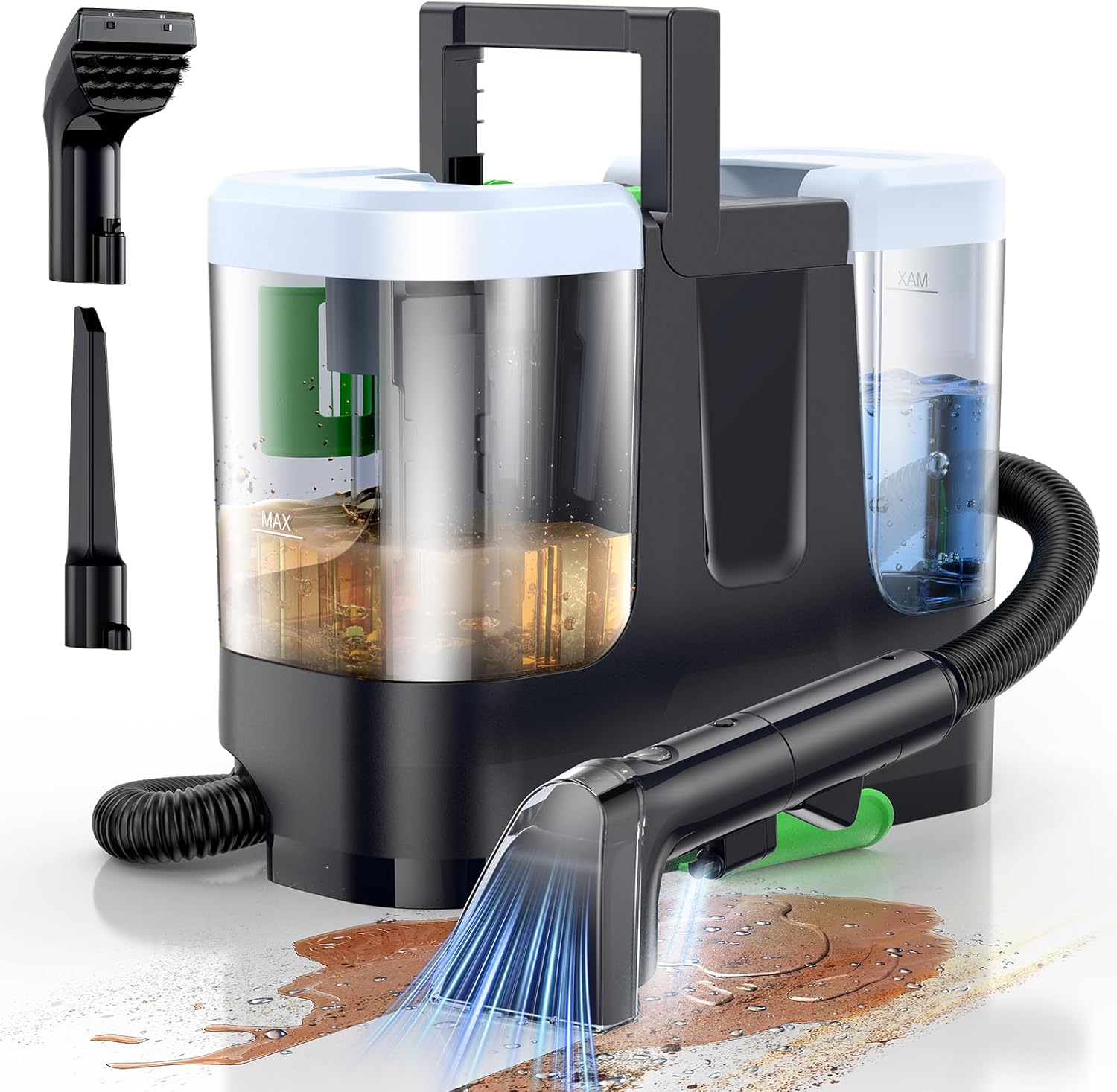
Best Carpet Cleaning Method: Proven, Effortless Results

The best carpet cleaning method depends on the stain and your carpet type, but steam cleaning and professional hot water extraction offer deep, effortless results for most situations. We’ll explore proven techniques for sparkling carpets.
Carpets get dirty easily. Spills, dirt, and everyday life leave their mark. Finding the best carpet cleaning method can feel overwhelming. You want clean carpets without all the fuss. This guide will show you simple, effective ways to get that fresh, clean feeling back. We’ll cover everything from quick fixes to deep cleaning that truly works.
What is the Best Carpet Cleaning Method?
The best carpet cleaning method is typically hot water extraction, often called steam cleaning. This powerful technique uses hot water and cleaning solutions injected deep into carpet fibers. A strong vacuum then extracts the loosened dirt and moisture. This method is highly effective for removing deep-seated grime and allergens.
This method is excellent for most carpet types. It tackles tough stains and leaves carpets cleaner than surface-level methods. Professionals use powerful machines for the best results.
Understanding Different Carpet Cleaning Methods
Many ways exist to clean carpets. Some are good for quick touch-ups, while others offer deep cleaning. Knowing the differences helps you choose the right method. This way, you get the best results for your specific needs.
Here’s a look at common methods:
Hot Water Extraction (Steam Cleaning): Uses hot water and solution to deep clean.
Dry Cleaning: Uses powders or foams with minimal moisture. Good for delicate carpets.
Shampooing: Uses a foamy detergent. Can leave residue if not rinsed well.
Bonnet Cleaning: Uses a rotating machine with an absorbent pad. Best for surface dirt.
Each method has its place. For overall deep cleaning and stain removal, hot water extraction is usually top-rated.
Hot Water Extraction: The Champion Method
Hot water extraction is widely considered the best carpet cleaning method by experts. It uses heated water and specialized cleaning solutions. These are forced deep into the carpet fibers under pressure. This loosens dirt, allergens, and even stubborn stains.
A powerful vacuum immediately follows. It sucks up the dirty water and cleaning solution. This leaves your carpet clean and only slightly damp. The process effectively removes up to 95% of the dirt.
Pros of Hot Water Extraction:
Deepest clean possible.
Removes allergens and bacteria effectively.
Excellent for tough stains.
Leaves carpets looking and feeling refreshed.
Cons of Hot Water Extraction:
Can take longer to dry than other methods.
Requires specialized equipment, often best done by professionals.
This method provides a thorough clean that other methods can’t match. It’s great for homes with kids, pets, or allergy sufferers.
Dry Cleaning: A Quick and Gentle Option
Dry cleaning methods use very little water. They often involve special powders or foams. These cleaning agents are spread on the carpet. They absorb dirt and then are vacuumed away.
This method is much faster to dry. It’s a good choice for carpets that can’t handle much moisture. It’s also quicker for general refreshing of the carpet surface.
Pros of Dry Cleaning:
Very fast drying time.
Good for delicate carpet fibers.
Minimal risk of mold or mildew.
Cons of Dry Cleaning:
Not as effective for deep-seated dirt or heavy stains.
Powder can sometimes be difficult to remove completely.
Dry cleaning is a practical choice for light cleaning needs. It’s less intensive than steam cleaning.
Shampooing: An Older, Less Recommended Method
Carpet shampooing was popular for a long time. It uses a lot of water and a strong detergent. This creates a lot of foam. The foam lifts dirt from the carpet surface.
The main issue is rinsing. It’s hard to rinse all the soap out. Leftover soap attracts more dirt. This can make your carpet get dirty again quickly.
Pros of Shampooing:
Can lift surface dirt well.
Cons of Shampooing:
High risk of residue.
Can damage some carpet fibers.
Longer drying times.
Because of the residue issue, shampooing is not usually considered the best carpet cleaning method for long-term results.
Bonnet Cleaning: For Surface Maintenance
Bonnet cleaning uses a machine with a rotating pad. This pad is soaked in a cleaning solution. The machine spins the pad over the carpet surface. It absorbs dirt from the top layer of the carpet.
This method is quick and dries fast. However, it only cleans the very top. It doesn’t reach the deeper parts of the carpet. It’s more of a surface refresh.
Pros of Bonnet Cleaning:
Fast drying.
Good for high-traffic areas needing a quick clean.
Cons of Bonnet Cleaning:
Only cleans the carpet surface.
Can push dirt deeper into the carpet.
Not effective for stains.
Bonnet cleaning is best for maintenance, not deep cleaning. It’s a good option for commercial spaces.
DIY vs. Professional Carpet Cleaning: Which is Better?
Deciding between cleaning yourself or hiring pros is a big step. Both have advantages. Your choice depends on your budget, time, and the condition of your carpet.
DIY methods can save money. However, they often lack the power of professional machines. Professionals have access to better equipment and stronger, yet safe, cleaning solutions. They also have the training to handle different carpet types.
DIY Carpet Cleaning: Tools and Techniques
You can rent carpet cleaning machines or buy them for home use. Home machines are often smaller and less powerful than professional ones. They still can do a good job for general cleaning.
When cleaning yourself, always follow the machine’s instructions. Test cleaning solutions in an inconspicuous spot first. Blotting stains quickly is key. Avoid overwetting the carpet.
Essential DIY Tools:
Home carpet cleaning machine (rental or purchase)
Appropriate carpet cleaning solution
Stain remover
Clean cloths or towels
Vacuum cleaner
Taking your time and using the right products makes a big difference. It helps achieve better results.
Professional Carpet Cleaning: The Effortless Choice
Hiring professionals offers a truly effortless experience. They bring their own powerful equipment. They know how to treat different carpet materials and stains. This ensures a thorough and safe cleaning.
Professionals use advanced hot water extraction machines. These machines heat water to optimal temperatures. They also have stronger suction power. This means a deeper clean and faster drying times.
Benefits of Professional Cleaning:
Deepest clean and best stain removal.
Saves you time and effort.
Protects your carpet investment.
Often comes with a satisfaction guarantee.
For many, especially those seeking the best carpet cleaning method for truly deep results, professionals are the answer. Companies like Home Hygia offer expert services. They use advanced techniques for a spotless finish.
Tackling Common Carpet Stains: A Step-by-Step Guide
Stains happen. The key to removing them is acting fast. The best carpet cleaning method for a stain depends on what caused it. Here’s a simple guide for common spills.
Always blot, never rub, a stain. Rubbing can spread the stain and damage carpet fibers. Start with the mildest cleaning solution and work up if needed.
Steps for Stain Removal:
1. Blot up excess liquid: Use a clean, dry cloth or paper towel. Press firmly.
2. Apply a cleaning solution: Use a solution appropriate for the stain type.
3. Blot again: Work from the outside of the stain inward.
4. Rinse: Lightly dampen the area with clean water.
5. Blot dry: Use a dry cloth or paper towel until no more moisture transfers.
6. Allow to air dry: Ensure the spot is completely dry.
For tough stains, you might need a second attempt or a professional.
Red Wine and Coffee Stains
These are common and can be tricky. For fresh spills, blot up as much as possible. Then, try a mixture of white vinegar and water (1:1 ratio). Or use a specialized red wine stain remover.
After applying the solution, let it sit for a few minutes. Blot gently. Rinse with clean water and blot dry. Baking soda can also help absorb odors and remaining moisture.
Pet Stains: Odor and Stain Removal
Pet accidents require special attention. They can cause both stains and lingering odors. Use an enzymatic cleaner designed for pet stains. These cleaners break down the organic matter causing the smell and stain.
Apply the enzymatic cleaner generously to the affected area. Let it sit for the time recommended on the product label. This allows the enzymes to work. Then, blot and rinse. Ensure the area dries completely to prevent mildew.
Grease and Oil Stains
Grease stains can be challenging. Start by gently scraping off any excess grease. Then, sprinkle baking soda or cornstarch on the stain. Let it sit for several hours to absorb the oil.
Vacuum up the powder. If a stain remains, use a small amount of dish soap mixed with water. Gently blot the area. Rinse and blot dry. Repeat if necessary.
How Often Should You Clean Your Carpets?
Regular cleaning keeps your carpets looking good and healthy. The frequency depends on your household. High-traffic areas need more attention.
General guidelines suggest a professional deep clean every 12-18 months. For homes with pets or children, this might need to be every 6-12 months. Vacuuming frequently is also crucial.
Carpet Cleaning Frequency Guide:
| Household Type | Recommended Deep Cleaning Frequency | Recommended Vacuuming Frequency |
| :——————– | :———————————- | :—————————— |
| No pets, no kids | 12-18 months | 1-2 times per week |
| Pets or young children| 6-12 months | 2-3 times per week |
| Allergy sufferers | 6-12 months | Daily in high-traffic areas |
Frequent vacuuming removes surface dirt before it gets ground into the fibers. This significantly extends the life of your carpet. It also makes deep cleaning more effective.
Choosing the Right Carpet Cleaning Solution
The cleaning solution you use is vital. It should be safe for your carpet fibers. It should also be effective against the type of dirt or stain you have. Always read the product label.
Many solutions are available. Some are for general cleaning, others for specific stains. For the best carpet cleaning method results, use solutions recommended by carpet manufacturers.
Types of Cleaning Solutions:
Detergent-based: Effective for general dirt. Can leave residue if not rinsed.
Enzymatic cleaners: Best for pet stains and organic matter.
Solvent-based cleaners: Good for grease and oil. Use with caution.
Natural/DIY solutions: Vinegar, baking soda, hydrogen peroxide (use carefully).
If you are unsure, a professional carpet cleaner can recommend the best products. They understand the chemistry of cleaning.
Maintaining Your Carpet Between Deep Cleans
Keeping your carpets clean between professional or DIY deep cleans is important. Regular maintenance prevents dirt buildup. It makes future cleaning easier.
Simple habits can make a big difference. These include regular vacuuming and prompt stain treatment. Using doormats also helps a lot.
Carpet Maintenance Tips:
Vacuum regularly: At least once or twice a week. More often in busy areas.
Use doormats: Place mats at all entrances to catch dirt.
Remove shoes indoors: This dramatically reduces tracked-in dirt.
Address spills immediately: Blot up any spills as soon as they happen.
Trim pet nails: This can prevent snagging and damage to carpet fibers.
These small steps help maintain your carpet’s appearance and longevity. They contribute to a cleaner home environment.
The Importance of Proper Drying
After any carpet cleaning, proper drying is crucial. If carpets stay too wet for too long, it can lead to problems. These include mold, mildew, and unpleasant odors.
Hot water extraction is effective because it removes most of the moisture. However, some dampness remains. Ensure good air circulation to speed up drying.
Tips for Faster Drying:
Open windows: If weather permits, open windows for fresh air.
Use fans: Place fans to blow air across the damp carpet.
Turn on air conditioning/dehumidifier: These can help remove moisture from the air.
Avoid walking on damp carpet: This can cause resoiling or matting.
Proper drying ensures your carpet is safe and fresh. It prevents secondary issues from developing.
Frequently Asked Questions About Carpet Cleaning
Q1: Is steam cleaning really the best carpet cleaning method?
Yes, hot water extraction, often called steam cleaning, is generally considered the best carpet cleaning method. It effectively removes deep dirt, allergens, and stains by using hot water and powerful suction. It leaves carpets cleaner and healthier than many other methods.
Q2: How long does it take for carpets to dry after cleaning?
Drying time varies. It can take anywhere from 2 to 12 hours for carpets to dry completely after hot water extraction. Factors like humidity, airflow, and the amount of water used affect drying time. Dry cleaning methods dry much faster, often in an hour or two.
Q3: Can I clean my carpet myself?
Yes, you can clean your carpet yourself using rented or owned machines. For general maintenance and light cleaning, DIY can be effective. However, for deep cleaning and tough stains, professional services often provide superior results due to more powerful equipment.
Q4: How often should I vacuum my carpets?
You should vacuum your carpets at least once or twice a week. In homes with pets, children, or high foot traffic, vacuuming 2-3 times a week or even daily in busy areas is recommended. Frequent vacuuming is key to preventing dirt from settling deep into the fibers.
Q5: Will professional carpet cleaning damage my carpet?
Reputable professional carpet cleaners use methods and solutions that are safe for most carpet types. They are trained to identify carpet fibers and choose the appropriate cleaning approach. Choosing a certified and experienced company minimizes any risk of damage.
Q6: What is the best way to remove pet odors from carpets?
The best carpet cleaning method for pet odors is using enzymatic cleaners. These cleaners break down the odor-causing molecules. For severe odors, professional cleaning is highly recommended. Ensure the area is completely dry after treatment.
Conclusion: Achieving Spotless Carpets Effortlessly
Finding the best carpet cleaning method leads to a cleaner, healthier home. For deep, effective results that tackle tough dirt and allergens, hot water extraction (steam cleaning) stands out. Whether you choose to do it yourself with a rented machine or opt for the effortless convenience of professional services, consistency is key. Regular vacuuming and prompt stain treatment are your first lines of defense. Investing in a professional cleaning every 12-18 months, or more often with pets or children, ensures your carpets remain a beautiful and hygienic part of your home. Consider Home Hygia for expert care.