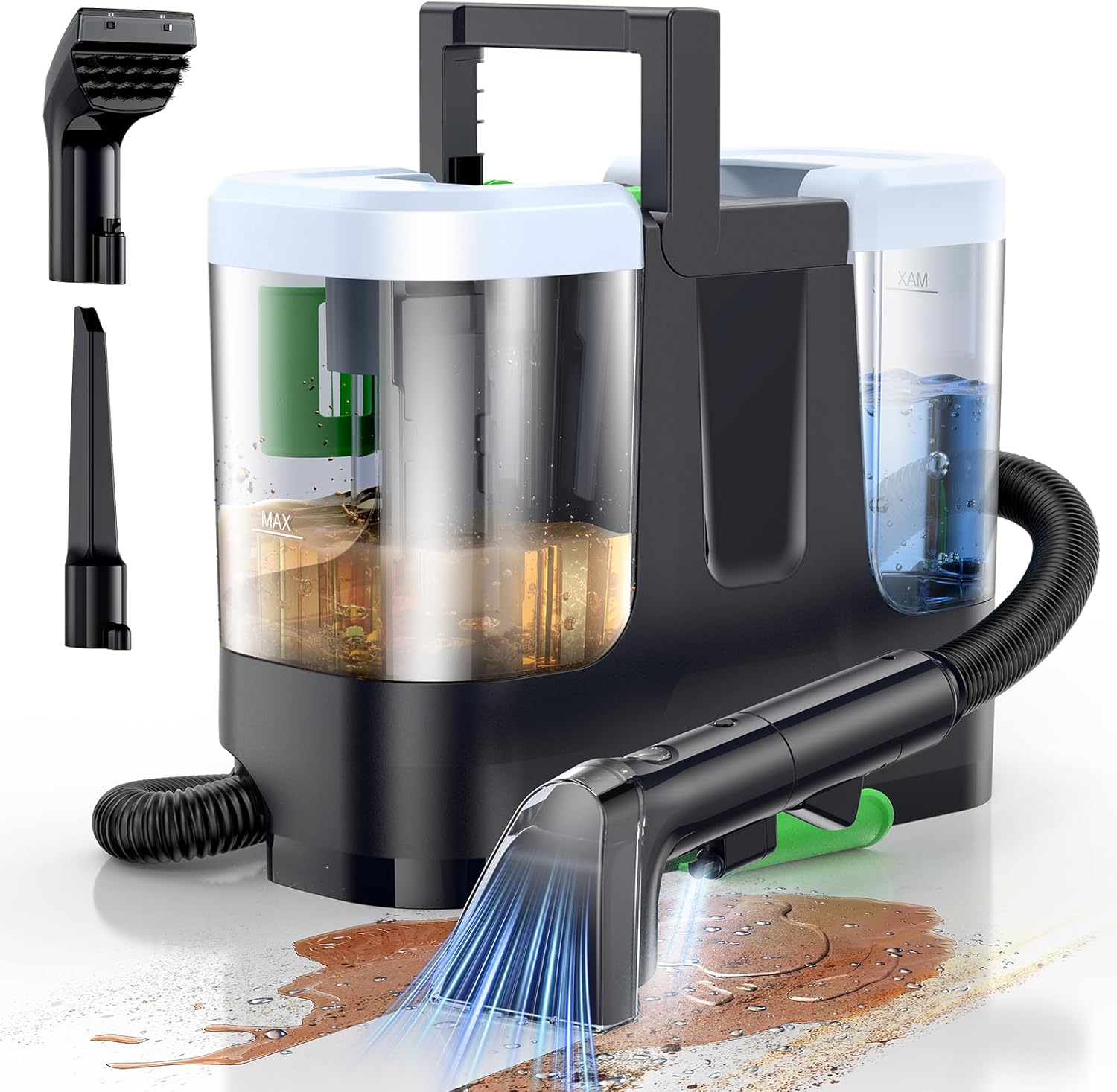
Best Carpet Cleaner For Bed Bugs: Proven Eradication

The best carpet cleaner for bed bugs uses high heat and specific formulations to kill these pests. Look for steam cleaners or powerful vacuums with HEPA filters. Targeted treatments are crucial for complete eradication, ensuring your home is free from these persistent invaders.
Dealing with bed bugs is a stressful experience. These tiny pests can make your home feel uncomfortable and unsafe. Finding the right cleaning tools is a big step toward reclaiming your space. This guide will help you choose the best carpet cleaner for bed bugs to get rid of them for good.
We’ll explore what makes a carpet cleaner effective against bed bugs. You’ll learn about different types of cleaners and how to use them properly. Our goal is to give you the knowledge you need for a successful eradication.
Why Bed Bugs Love Carpets and How They Hide
Bed bugs are tiny insects that feed on human blood. They are nocturnal and hide in dark, secluded places during the day. Carpets offer many perfect hiding spots. Seams, the carpet backing, and even the fibers themselves can shelter them.
They can also hide in furniture, cracks in walls, and electrical outlets. Their small size and flat bodies allow them to squeeze into tight spaces. This makes them very difficult to find and eliminate completely.
Understanding Bed Bug Life Cycles: Why Cleaning is Key
Bed bugs go through several stages of life. They start as tiny eggs, then hatch into nymphs, and finally become adult bugs. All stages, including eggs, need to be targeted for successful eradication. Carpet cleaning can help disrupt their life cycle.
High heat is particularly effective at killing bed bug eggs and all life stages. This is why certain types of carpet cleaners are recommended. Simply vacuuming might miss eggs or bugs deep within the carpet fibers.
Steam Cleaners: The Top Choice for Bed Bug Eradication
Steam cleaners are often considered the best carpet cleaner for bed bugs. They use high temperatures to kill bugs and their eggs on contact. The steam penetrates deep into carpet fibers and crevices. This makes it a powerful tool against these resilient pests.
When using a steam cleaner, ensure the steam reaches at least 113°F (45°C). This temperature is lethal to bed bugs at all life stages. Always follow the manufacturer’s instructions for safe and effective use.
How Steam Cleaners Work Against Bed Bugs
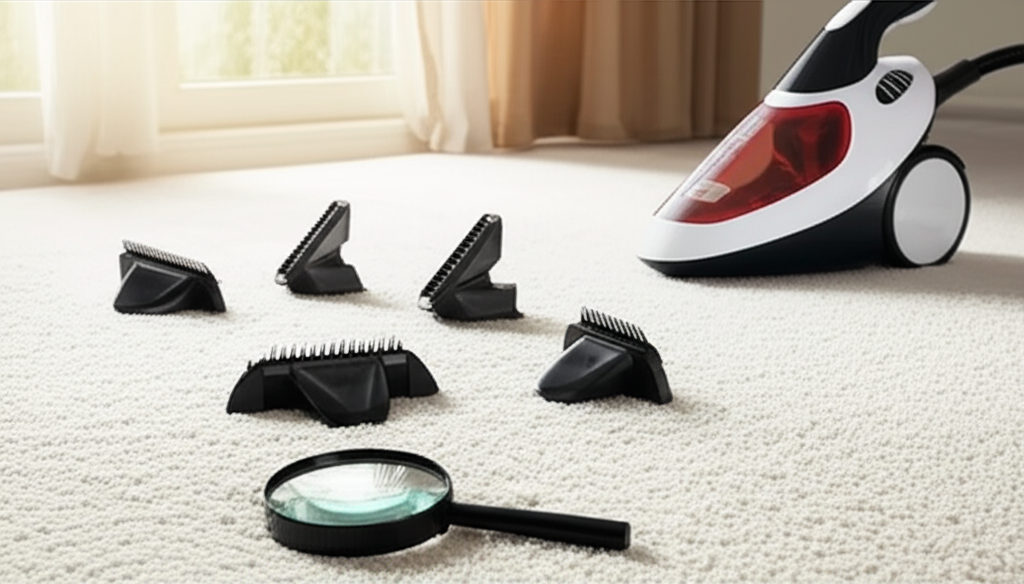
The hot vapor from a steam cleaner dehydrates and kills bed bugs. It’s a chemical-free method that is safe for most carpets. This method is also effective for cleaning upholstery and other surfaces where bed bugs might hide.
A good steam cleaner should have adjustable temperature settings. It should also come with various attachments. These attachments help you target cracks, seams, and edges where bed bugs often gather.
Recommended Steam Cleaners for Bed Bug Problems
Several steam cleaners stand out for their effectiveness against bed bugs. Brands like Wagner, McCulloch, and Dupray offer models known for their high heat output and reliability. Researching specific models for their steam temperature and pressure is important.
Consider models with continuous steam functions. This allows for longer treatment sessions without frequent refilling. Always check user reviews for testimonials related to pest control.
Powerful Vacuums with HEPA Filters: A Crucial Step
While steam cleaners kill bugs with heat, a powerful vacuum cleaner is essential. It physically removes bed bugs, eggs, and larvae from your carpets. A vacuum with a HEPA filter is crucial to prevent these tiny particles from being released back into the air.
The HEPA filter traps even the smallest bed bug eggs and debris. This prevents re-infestation and ensures thorough cleaning. After vacuuming, it is vital to immediately dispose of the vacuum bag or empty the canister outside your home.
The Importance of HEPA Filtration
HEPA stands for High-Efficiency Particulate Air. These filters capture 99.97% of particles as small as 0.3 microns. This includes bed bug eggs, dust mites, and other allergens. Using a vacuum with a HEPA filter is a key part of a comprehensive bed bug eradication strategy.
Without a HEPA filter, a powerful vacuum could simply blow bed bug eggs and dust around your home. This would make the problem worse rather than solving it. Look for the HEPA certification on the vacuum cleaner.
Vacuuming Techniques for Bed Bug Removal
When vacuuming for bed bugs, be thorough. Go over the carpet slowly and methodically. Pay special attention to edges, seams, and areas near furniture legs. Vacuuming daily can help catch new bugs or nymphs.
Use attachments like crevice tools to reach tight spots. This ensures you remove bugs and eggs from every possible hiding place. After each use, seal the vacuum bag or canister in a plastic bag and discard it outside.
Specialized Carpet Cleaning Solutions for Bed Bugs
Beyond heat and vacuuming, specific carpet cleaning solutions can help. Some products are formulated to kill bed bugs on contact. These often contain natural insecticides or specific chemicals. Always choose products approved for use against bed bugs.
These solutions can be sprayed directly onto carpets and upholstery. They are often used as a follow-up treatment after steam cleaning or vacuuming. Read and follow all product instructions carefully.
Natural and Chemical Treatments
Natural options often use ingredients like diatomaceous earth or essential oils. Diatomaceous earth is a powder that scratches the exoskeletons of insects, causing them to dehydrate. Essential oils like peppermint or lavender can also act as repellents. These are generally safer but may be less potent.
Chemical treatments use approved insecticides. These are often more effective but require caution. Always ensure the product is labeled for indoor use and specifically for bed bugs. Ventilation is key when using chemical sprays.
DIY vs. Professional Treatments
For severe infestations, professional pest control services are often recommended. They have access to more powerful treatments and expertise. However, for smaller or early-stage infestations, DIY methods can be effective. Combining steam cleaning, vacuuming, and targeted treatments can work well.
A professional can assess the extent of the infestation. They can then recommend the most effective treatment plan. This often involves multiple visits and integrated pest management strategies.
Other Important Tools and Methods
Beyond carpet cleaners, other tools aid in bed bug eradication. Edge treatments, mattress encasements, and thorough cleaning of other household items are vital. Bed bugs don’t just stay in carpets; they spread.
Consider using a mattress encasement. This traps any remaining bugs inside and prevents new ones from hiding. Regular inspection of furniture and bedding is also important.
The Role of Mattress Encasements
Mattress encasements are zippered covers that fully enclose your mattress and box spring. They create a barrier that bed bugs cannot penetrate. If there are bugs inside, they will eventually die. If there are no bugs, it prevents them from infesting your mattress.
These encasements are crucial for preventing re-infestation. They also make future inspections easier. Look for encasements specifically designed for bed bugs.
Interceptor Traps for Furniture Legs
Interceptor traps are placed under the legs of beds and furniture. They are designed to catch bed bugs as they try to climb up or down. These traps help you monitor for bed bug activity. They also prevent bugs from reaching your sleeping areas.
Regularly check these traps for signs of bed bugs. This gives you an early warning if an infestation is spreading or returning.
Creating a Bed Bug Eradication Plan
An effective bed bug eradication plan involves multiple steps. It’s not just about the best carpet cleaner for bed bugs. It’s a coordinated effort. You need to treat all potential hiding places.
Your plan should include cleaning, treatment, and prevention. Consistency is key to ensuring bed bugs are completely gone.
Step-by-Step Guide to Carpet Treatment
1. Inspect thoroughly: Check all carpeted areas, especially edges and under furniture.
2. Vacuum: Use a powerful vacuum with a HEPA filter. Go slowly and cover all areas. Dispose of the bag/contents immediately outdoors.
3. Steam clean: Use a steam cleaner on high heat. Focus on seams and high-traffic areas.
4. Apply treatments: Use targeted sprays or powders if needed, following product instructions.
5. Seal and protect: Use mattress encasements and monitor with interceptor traps.
6. Repeat: Bed bug eggs can hatch later. Repeat vacuuming and treatments as needed.
When to Call a Professional
If you see bed bugs after multiple DIY treatments, it’s time to call a professional. Severe infestations are difficult to manage alone. Professionals have access to stronger treatments and can identify all hiding spots. They also offer guarantees on their work.
According to the Environmental Protection Agency (EPA), professionals can provide effective solutions. They use an integrated approach to pest management. This ensures a more thorough eradication.
Common Mistakes to Avoid
One common mistake is not treating the entire infested area. Bed bugs can spread quickly to other rooms. Another mistake is using ineffective cleaning methods or products. Not repeating treatments is also a problem.
Over-reliance on one method is also a pitfall. A multi-pronged approach is always best for bed bugs. Patience and persistence are your best allies.
Frequently Asked Questions About Bed Bugs and Carpet Cleaners
Can I use a regular carpet shampooer for bed bugs?
Regular carpet shampooers might not reach the high temperatures needed to kill bed bugs and their eggs. They also don’t typically use the high-pressure steam required for effective eradication.
How often should I vacuum for bed bugs?
You should vacuum daily during an active infestation. This helps remove bugs and eggs and disrupt their life cycle. Always dispose of the vacuum contents outdoors immediately.
Will steam cleaning kill bed bug eggs?
Yes, steam cleaning is highly effective at killing bed bug eggs. The high heat (above 113°F or 45°C) is lethal to all life stages, including eggs, nymphs, and adults.
Are there any safe DIY carpet treatments for bed bugs?
Yes, using a high-heat steam cleaner and a powerful vacuum with a HEPA filter are safe and effective DIY treatments. Natural options like diatomaceous earth can also be used carefully.
How long does it take to get rid of bed bugs from carpets?
Getting rid of bed bugs can take several weeks to months. It requires persistent cleaning, treatment, and monitoring. Complete eradication depends on the severity of the infestation and the thoroughness of your efforts.
Can bed bugs live in carpet padding?
Yes, bed bugs can hide in carpet padding, especially if there are any loose edges or seams. They can also infest the subfloor beneath the carpet. Thorough treatment of the entire carpet system is essential.
Conclusion: Your Path to a Bed Bug-Free Home
Eradicating bed bugs from your carpets requires the right tools and a solid plan. The best carpet cleaner for bed bugs is often a high-heat steam cleaner, supported by a powerful HEPA-filter vacuum. These tools, combined with consistent effort and targeted treatments, are your most effective defense. Remember to address all potential hiding spots and consider professional help if needed. With patience and the right approach, you can reclaim your home from these unwanted pests.
If you found this guide helpful, consider subscribing for more home hygiene tips.