Best Carbon Air Purifier For Smoke: Proven Essential

The best carbon air purifier for smoke is essential for quickly clearing lingering odors and harmful particles, offering a breath of fresh air and a healthier home environment.
Smoke, whether from cooking mishaps, fireplaces, or even wildfire events, can be incredibly persistent. The acrid smell and the tiny, invisible particles it leaves behind can linger for days, affecting air quality and your well-being. Fortunately, a well-chosen carbon air purifier acts as your secret weapon against these smoky invaders, trapping odors and neutralizing airborne irritants. I’m here to guide you through finding the perfect one to restore peace and freshness to your home.
Why a Carbon Air Purifier is Your Smoke Solution
When smoke invades your home, it’s not just about the smell; it’s about the microscopic particles and volatile organic compounds (VOCs) that come with it. These can irritate your lungs and exacerbate allergies. A carbon air purifier is specifically designed to tackle these issues effectively.
The Science Behind Activated Carbon for Smoke
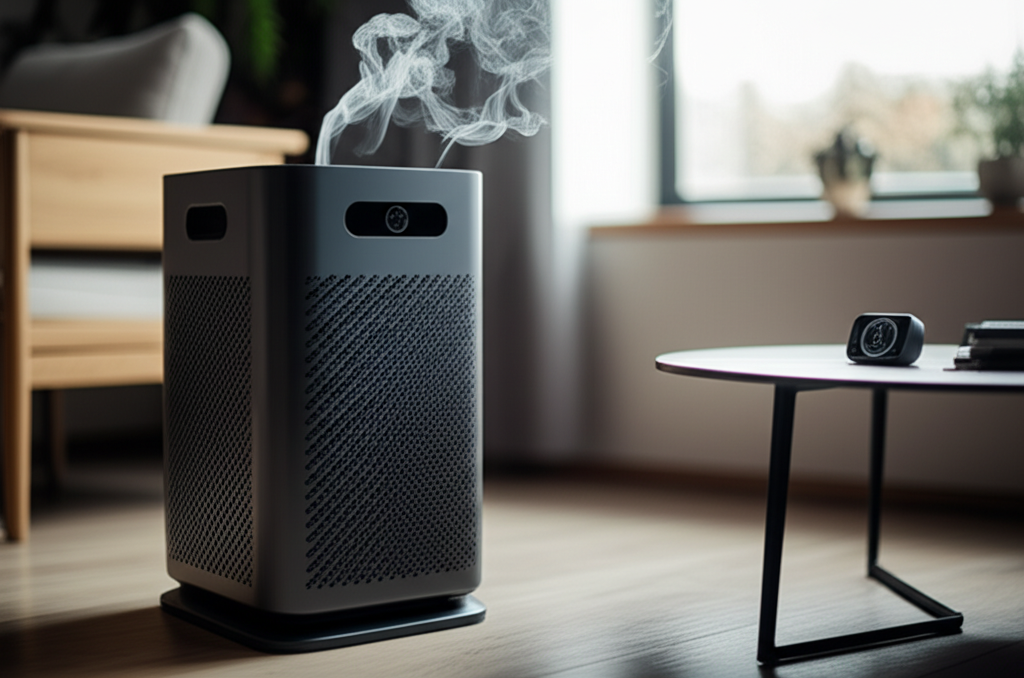
Activated carbon, often called activated charcoal, is a powerhouse when it comes to absorbing odors and gases. Its porous structure creates an enormous surface area, allowing it to trap smoke particles and neutralize the chemicals responsible for that unpleasant smell. This makes it a vital component in any air purifier targeting smoke.
Beyond Odor: Tackling Smoke Particles
While activated carbon excels at adsorption, a comprehensive air purifier also needs other filters. HEPA filters, for instance, capture the fine particulate matter that makes up smoke, removing them from the air you breathe. Combining these filtration types offers a complete defense against smoke.
Key Features to Look for in the Best Carbon Air Purifier for Smoke
Selecting the right air purifier involves understanding its capabilities and how they match your specific needs for smoke removal. I’ve found that focusing on a few key features makes the decision much easier.
True HEPA Filtration: The First Line of Defense
A True HEPA filter is non-negotiable when dealing with smoke. It’s designed to capture at least 99.97% of airborne particles as small as 0.3 microns, including smoke particles, dust, and allergens. This is crucial for removing the physical remnants of smoke from your environment.
The Importance of a Substantial Carbon Filter
The effectiveness of a carbon air purifier for smoke hinges on the amount and quality of its activated carbon filter. Look for purifiers with a substantial carbon pre-filter or a thick, granular activated carbon layer. This ensures it has the capacity to absorb a significant amount of smoke odor and VOCs.
CADR Ratings: Measuring Purification Power
Clean Air Delivery Rate (CADR) is a standardized measure of how quickly an air purifier can clean a room of specific pollutants like smoke, dust, and pollen. For smoke, a higher smoke CADR rating indicates a more powerful unit capable of faster purification. Always check the CADR for smoke specifically.
Room Size and Air Changes Per Hour (ACH)
It’s essential to match the air purifier’s capacity to your room size. Manufacturers usually provide a recommended room coverage area. Aim for a purifier that can achieve at least 4-5 Air Changes Per Hour (ACH) in your space to ensure continuous and effective smoke removal.
Noise Levels: A Quiet Companion
While powerful, air purifiers can sometimes be noisy, especially on higher settings. For bedrooms or living areas, look for models with low decibel (dB) ratings on their lower settings. Many offer a “sleep mode” for quiet operation.
Additional Features: Smart Controls and Indicators
Modern air purifiers often come with helpful features like air quality sensors, automatic modes, filter replacement indicators, and Wi-Fi connectivity for app control. These can enhance convenience and ensure optimal performance.
Top Picks: Best Carbon Air Purifiers for Smoke in 2024
Based on my research and understanding of what makes an air purifier effective against smoke, here are some of the best options available. These models consistently perform well in removing smoke odors and particles.
Coway Airmega 200M: A Reliable All-Rounder
The Coway Airmega 200M is a fantastic choice for its robust filtration system, which includes a True HEPA filter and a substantial activated carbon filter. It effectively tackles smoke, dust, and allergens, making it a solid performer for medium to large rooms. Its smart sensor adjusts fan speed automatically based on air quality, ensuring efficient operation.
Levoit Core 300S: Compact Powerhouse
For smaller spaces or personal use, the Levoit Core 300S is an excellent, budget-friendly option. It features a 3-stage filtration system, including a HEPA filter and an activated carbon filter specifically designed for odors and VOCs. Its compact size and quiet operation make it ideal for bedrooms or dorm rooms.
Winix 5500-2: Advanced Filtration for Smoke
The Winix 5500-2 stands out with its True HEPA filter, washable AOC (Advanced Odor Control) carbon filter, and PlasmaWave technology. This combination makes it exceptionally effective at capturing fine smoke particles and neutralizing odors. It’s well-suited for medium to large living spaces where smoke is a frequent concern.
Blueair Blue Pure 211+ Auto: High Capacity, Low Noise
The Blueair Blue Pure 211+ Auto is known for its high CADR and ability to clean large rooms quickly. Its unique HEPASilent technology combines electrostatic and mechanical filtration, while the activated carbon filter effectively addresses smoke odors. The auto mode adjusts performance based on detected air quality.
Dyson Purifier Cool TP07: Smart and Stylish
Dyson’s TP07 combines powerful air purification with a sleek, bladeless fan design. It features a sealed HEPA and activated carbon filtration system that captures 99.97% of particles and gases. Its intelligent sensing and reporting, along with app connectivity, make it a top-tier, albeit premium, choice for smoke control.
Comparing Top Carbon Air Purifiers for Smoke
To help you visualize the differences, here’s a comparison of some key features for the models I’ve highlighted. This table focuses on aspects most relevant to smoke purification.
| Model | Room Size Recommendation | CADR (Smoke) | Filter Type | Noise Level (dB) | Key Smoke Feature |
| :——————– | :———————– | :———– | :——————————————- | :————— | :————————————————– |
| Coway Airmega 200M | Up to 361 sq ft | N/A (High) | True HEPA, Granular Activated Carbon | 22-53 | Large carbon filter, auto mode |
| Levoit Core 300S | Up to 219 sq ft | N/A (Good) | True HEPA, Activated Carbon | 22-50 | Specialized carbon filter for odors |
| Winix 5500-2 | Up to 360 sq ft | N/A (High) | True HEPA, Washable AOC Carbon, PlasmaWave | 28-55 | AOC carbon filter, PlasmaWave neutralizes VOCs |
| Blueair Blue Pure 211+ | Up to 540 sq ft | N/A (Very High)| HEPASilent, Activated Carbon | 31-60 | High CADR, effective carbon for smoke odors |
| Dyson Purifier Cool TP07| Up to 900 sq ft (Cooling)| N/A (High) | Sealed HEPA + Carbon | 30-60 | Sealed system, real-time air quality reporting |
Note: CADR ratings for smoke are not always explicitly provided by all manufacturers but are reflected in overall performance and room size recommendations.
Understanding Air Purifier Technology for Smoke
Beyond the basic filters, some air purifiers employ additional technologies that can enhance smoke removal. It’s helpful to understand these to make an informed decision.
Ionizers and Ozone: A Word of Caution
Some air purifiers use ionizers to charge particles, making them easier to capture. However, ionizers can produce ozone as a byproduct, which can be a lung irritant, especially for those sensitive to air pollution. If you choose a model with an ionizer, ensure it’s CARB-certified to be ozone-free or has an option to turn it off.
UV-C Light: Limited Impact on Smoke
UV-C light is primarily used to kill germs and bacteria. While it might be a feature on some purifiers, its effectiveness against smoke particles and odors is minimal compared to activated carbon and HEPA filters. It’s not a primary consideration for smoke removal.
Maintaining Your Carbon Air Purifier for Peak Performance
To ensure your best carbon air purifier for smoke continues to work effectively, regular maintenance is key. This includes cleaning and replacing filters as recommended by the manufacturer.
Filter Replacement Schedule
Activated carbon filters have a finite lifespan; once saturated, they can no longer adsorb odors. HEPA filters also need replacement to maintain their particle-capturing efficiency. Most manufacturers provide guidelines, typically ranging from 6 to 12 months for HEPA and carbon filters, depending on usage and air quality.
Cleaning Pre-filters and Sensors
Many purifiers have washable pre-filters that capture larger particles like pet hair and dust. Regularly cleaning these can extend the life of your HEPA and carbon filters. Also, gently wipe down air quality sensors to ensure accurate readings.
Expert Tips for Maximizing Smoke Purification
As someone who has navigated the challenges of smoke-filled air, I’ve learned a few tricks to enhance the effectiveness of any air purifier. These simple steps can make a significant difference.
Placement is Key
Positioning your air purifier correctly is crucial for optimal performance. Place it in the room where smoke is most likely to occur or where you spend the most time. Ensure there’s adequate space around the unit for air to circulate freely, avoiding corners or placing it too close to walls or furniture.
Run It Continuously
For persistent smoke issues, running your air purifier on a medium or low setting continuously is more effective than short bursts. This ensures a constant flow of purified air, preventing smoke odors and particles from accumulating.
Combine with Ventilation
While air purifiers are excellent for removing pollutants, opening windows for short periods when outdoor air quality is good can help ventilate your home and remove stale air. This is especially useful after a significant smoke event.
Frequently Asked Questions About Carbon Air Purifiers for Smoke
Here are answers to some common questions I receive about using carbon air purifiers to combat smoke.
Q1: How long does it take for a carbon air purifier to remove smoke smell?
A1: The time can vary depending on the severity of the smoke, the size of the room, and the capacity of the air purifier. For mild smoke odors, you might notice a difference within a few hours. For heavy smoke, it could take 24-48 hours of continuous operation.
Q2: Can a carbon air purifier remove smoke from a wildfire?
A2: Yes, a high-quality carbon air purifier with a True HEPA filter is very effective at removing smoke particles and odors from wildfires. Look for models with high CADR ratings for smoke and substantial activated carbon filters.
Q3: How often should I replace the carbon filter in my air purifier for smoke?
A3: Typically, carbon filters need replacement every 6-12 months. However, if you are frequently purifying smoke, you may need to replace them sooner. Check your manufacturer’s recommendations and replace when you notice odors returning.
Q4: Is it better to have a larger carbon filter or more carbon?
A4: A larger surface area of activated carbon, often achieved through a thicker filter or granular carbon, is generally more effective and has a longer lifespan for adsorbing odors and VOCs from smoke.
Q5: Can an air purifier with only a HEPA filter remove smoke smell?
A5: A HEPA filter is excellent for capturing smoke particles, but it doesn’t effectively remove the odors and gaseous pollutants. You need an activated carbon filter in conjunction with a HEPA filter for complete smoke removal.
Q6: Do air purifiers with activated carbon work for cigarette smoke?
A6: Absolutely. Activated carbon is highly effective at adsorbing the numerous VOCs and odor compounds present in cigarette smoke, making it a crucial component for smokers or in environments where smoking occurs.
Conclusion: Breathe Easier with the Best Carbon Air Purifier for Smoke
Dealing with smoke in your home doesn’t have to be a constant battle. By understanding the essential role of activated carbon and HEPA filtration, and by choosing a reputable, high-performing unit, you can effectively neutralize smoke odors and remove harmful particles. Investing in the best carbon air purifier for smoke is a proven step towards ensuring cleaner, healthier air for you and your loved ones, allowing you to truly breathe easy in your own space.