Best Buy Air Purifiers For Allergies: Proven Relief

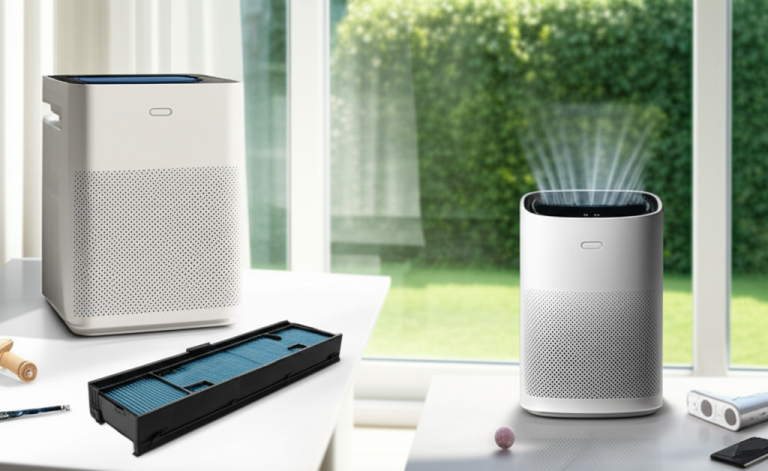
Breathe easier with the best buy air purifiers for allergies, offering proven relief from common airborne irritants. Discover top-rated models that effectively capture dust, pollen, pet dander, and mold spores, creating a healthier home environment for allergy sufferers.
Living with allergies can feel like a constant battle against invisible enemies floating in your home’s air. Sneezing, itchy eyes, and a stuffy nose can disrupt your daily life, making it hard to find comfort even within your own walls. The good news is that investing in the right air purifier can make a significant difference, transforming your living space into a sanctuary of clean air. This guide will walk you through everything you need to know to find the best buy air purifiers for allergies, ensuring you get the relief you deserve.
Why an Air Purifier is Essential for Allergy Sufferers
An air purifier acts as a powerful defense system against allergens. It actively removes microscopic particles from the air that trigger your allergic reactions. Without one, these irritants can circulate continuously, exacerbating symptoms and reducing your quality of life. Choosing the right model means taking control of your indoor environment and reclaiming your comfort.
Understanding Air Purifier Technologies for Allergy Relief
Different air purifiers employ various technologies to clean your air, and understanding these is key to finding the best buy air purifiers for allergies. Each method has its strengths in tackling specific types of allergens and pollutants. Knowing these differences empowers you to make an informed decision that directly addresses your allergy concerns.
HEPA Filters: The Gold Standard for Allergy Sufferers

High-Efficiency Particulate Air (HEPA) filters are widely considered the most effective technology for allergy sufferers. They are designed to capture at least 99.97% of airborne particles as small as 0.3 microns. This includes common allergens like pollen, dust mites, pet dander, and mold spores, making them indispensable for proven relief.
True HEPA vs. HEPA-like: Always look for “True HEPA” filters, as “HEPA-like” or “HEPA-type” filters may not meet the same stringent standards. True HEPA filters are certified to meet the industry’s performance requirements.
Filter Replacement: HEPA filters need regular replacement, typically every 6-12 months, depending on usage and air quality. This is a crucial ongoing cost to consider when purchasing.
Activated Carbon Filters: Tackling Odors and VOCs
While HEPA filters excel at trapping particles, activated carbon filters are essential for addressing odors, gases, and Volatile Organic Compounds (VOCs). These filters use a porous carbon material to adsorb, or trap, gas molecules. This is particularly beneficial if your allergies are exacerbated by pet odors, cooking smells, or chemicals from household products.
Combined Systems: Many excellent air purifiers combine a HEPA filter with an activated carbon filter. This dual-action approach offers comprehensive air purification for a wide range of airborne irritants.
Filter Lifespan: Activated carbon filters also have a limited lifespan and require replacement, often around the same time as HEPA filters.
Other Technologies: Ionizers, UV-C Light, and Ozone
While HEPA and activated carbon are the primary technologies for allergy relief, other features exist. Ionizers release negative ions to clump particles, making them easier to capture, but some can produce ozone, which is an irritant. UV-C light can kill airborne germs, but its effectiveness against common allergens is debated.
Ozone Concerns: Be cautious with air purifiers that produce ozone, as it can worsen respiratory issues for many allergy sufferers. Look for ozone-free certifications.
Effectiveness: For proven allergy relief, prioritize True HEPA filtration as the core technology.
Key Features to Look for in the Best Buy Air Purifiers for Allergies
When searching for the best buy air purifiers for allergies, several features can significantly enhance their effectiveness and your user experience. Considering these aspects will help you select a unit that perfectly suits your needs and provides the most relief. Prioritizing these features ensures you get a machine that delivers on its promise of cleaner air.
Coverage Area and CADR Ratings
The size of the room the air purifier can effectively clean is crucial. Check the manufacturer’s recommended coverage area, usually measured in square feet. The Clean Air Delivery Rate (CADR) is another vital metric, indicating how quickly the purifier can clean the air of specific pollutants like smoke, dust, and pollen. Higher CADR ratings mean faster air cleaning.
Match to Your Space: Select a purifier with a CADR rating and coverage area appropriate for the room you intend to use it in, ensuring optimal performance.
Multiple Units: For larger homes or multiple problem areas, consider purchasing more than one unit.
Noise Levels and Sleep Modes
Air purifiers can sometimes be noisy, which can be disruptive, especially in bedrooms. Look for models that specify their noise levels in decibels (dB) on their lowest setting. Many purifiers also feature a “sleep mode” or “night mode” that operates at a lower fan speed and dims or turns off indicator lights, ensuring a peaceful night’s rest.
Decibel Guide: Generally, anything below 50 dB is considered quiet for continuous operation.
User Reviews: Check user reviews for insights into actual noise levels during operation.
Filter Life and Replacement Costs
While HEPA and activated carbon filters are essential, they aren’t permanent. Consider the lifespan of the filters and the cost of replacements. Some units have indicators to alert you when it’s time to change filters, simplifying maintenance. Factor these recurring costs into your overall budget for the best buy air purifiers for allergies.
Budgeting: Research the price of replacement filters and how often they need to be changed before making your purchase.
Availability: Ensure replacement filters are readily available for the model you choose.
Energy Efficiency and Certifications
An energy-efficient air purifier will save you money on your electricity bills over time. Look for the ENERGY STAR certification, which indicates that a product meets strict energy efficiency guidelines set by the U.S. Environmental Protection Agency. This is an important consideration for long-term use and environmental impact.
ENERGY STAR: This certification signifies lower energy consumption without compromising performance.
Long-Term Savings: While an initial investment might be higher for an energy-efficient model, the savings on your energy bills can offset this over time.
Top Picks: Best Buy Air Purifiers for Allergies in [Current Year]
Finding the best buy air purifiers for allergies involves looking at models that consistently receive high marks for performance, features, and user satisfaction. Based on expert reviews and consumer feedback, here are some top contenders that offer proven relief. I’ve selected these based on their ability to tackle common allergens effectively and provide a healthy indoor environment.
Coway Airmega 200M: A Powerful All-Rounder
The Coway Airmega 200M is often cited as a fantastic option for allergy sufferers due to its robust filtration system and smart features. It boasts a True HEPA filter, an activated carbon filter, and a pre-filter to capture a wide range of airborne irritants. Its coverage area is suitable for medium to large rooms, and its real-time air quality monitoring is a standout feature.
Filtration: True HEPA, Activated Carbon, Pre-filter.
Coverage: Up to 361 sq. ft.
Key Feature: Real-time air quality indicator, automatic mode.
Levoit Core 300S: Compact Powerhouse for Smaller Spaces
For those with smaller rooms or a tighter budget, the Levoit Core 300S is an excellent choice. This compact unit still packs a punch with its three-stage filtration system, including a True HEPA filter. It’s remarkably quiet, making it ideal for bedrooms or offices, and its smart capabilities allow for app control.
Filtration: True HEPA, Activated Carbon, Pre-filter.
Coverage: Up to 219 sq. ft.
Key Feature: Quiet operation, smart app control, compact design.
Blueair Blue Pure 211+ Auto: High Performance with Style
The Blueair Blue Pure 211+ Auto stands out for its unique HEPASilent™ technology, which combines electrostatic and mechanical filtration to deliver high performance with lower energy consumption. It effectively captures particles like dust, pollen, and pet dander. The stylish design and washable fabric pre-filters add to its appeal, making it a great addition to any home.
Filtration: HEPASilent™ technology (HEPA-grade particle filtration), activated carbon filter available separately.
Coverage: Up to 540 sq. ft.
Key Feature: Washable fabric pre-filter, energy efficient, modern design.
Winix 5500-2: Excellent Value and Advanced Filtration
The Winix 5500-2 is a popular choice that offers an impressive combination of features for its price point. It includes a True HEPA filter, an activated carbon filter, and Winix’s PlasmaWave™ technology, which helps break down airborne pollutants. It’s well-suited for medium to large rooms and is known for its effective allergen capture.
Filtration: True HEPA, Activated Carbon, PlasmaWave™ technology.
Coverage: Up to 360 sq. ft.
Key Feature: Auto mode, air quality sensor, value for money.
Dyson Purifier Cool TP07: Advanced Technology and Smart Features
While on the pricier side, the Dyson Purifier Cool TP07 offers cutting-edge technology for comprehensive air purification and cooling. It features a fully sealed HEPA and activated carbon filtration system that captures 99.97% of allergens and pollutants. Its intelligent sensors continuously monitor air quality, and the app provides detailed reports.
Filtration: Fully sealed HEPA and activated carbon filtration.
Coverage: Suitable for medium to large rooms.
Key Feature: Advanced sensor technology, dual functionality (purifier and fan), app control.
Factors Affecting Air Purifier Performance for Allergies
Several factors beyond the core technology can influence how well an air purifier performs for allergy sufferers. Understanding these nuances will help you optimize your purifier’s effectiveness and ensure you’re getting the most out of your investment. Paying attention to these details can make a noticeable difference in your home’s air quality.
Room Size and Placement
The most common mistake people make is using an air purifier that is too small for the room. Always match the purifier’s coverage area and CADR rating to your room size. Proper placement is also key; position the unit in a location where it can effectively draw in air from all parts of the room, away from walls or furniture that might obstruct airflow.
Optimal Placement: Place the purifier in a central location or where air circulation is best, avoiding corners or tight spaces.
Maximize Airflow: Ensure there’s at least a foot of clearance around the unit for unobstructed air intake and exhaust.
Airflow and Fan Speed Settings
The fan speed directly impacts how much air the purifier can process and clean. While higher fan speeds clean the air faster, they also tend to be noisier. Lower speeds are quieter but less effective for rapid air purification. Many purifiers offer automatic modes that adjust fan speed based on detected air quality, offering a balance between performance and noise.
Automatic Mode: Utilize auto mode whenever possible to let the purifier intelligently manage fan speed.
Manual Adjustment: If manually setting the speed, choose the highest setting for quick purification or when allergens are high, and a lower setting for continuous, quiet operation.
Filter Maintenance and Replacement Schedule
Neglecting filter maintenance is one of the biggest reasons air purifiers underperform. A clogged HEPA filter cannot effectively capture allergens, and a saturated carbon filter will cease to absorb odors and gases. Adhering to the manufacturer’s recommended replacement schedule is crucial for maintaining optimal performance and ensuring your best buy air purifiers for allergies continue to provide relief.
Regular Checks: Periodically inspect your filters for visible dirt and debris.
Timely Replacement: Replace filters as recommended, or sooner if you notice a decrease in air quality or airflow.
How to Choose the Right Air Purifier for Your Specific Allergies
While general-purpose air purifiers are excellent for most allergy sufferers, you might benefit from considering your specific allergy triggers when making your selection. Tailoring your choice to your particular sensitivities can lead to more targeted and effective relief. This personalized approach ensures you’re investing in a solution that directly addresses your primary concerns.
Pollen and Outdoor Allergens
If your allergies are primarily triggered by pollen, dust, and other outdoor allergens that find their way indoors, focus on purifiers with high CADR ratings for dust and pollen. True HEPA filters are exceptionally good at capturing these relatively large particles. Placing the purifier near windows or doors where outdoor air enters can be particularly effective.
High CADR: Prioritize models with high pollen and dust CADR ratings for rapid allergen removal.
Proximity to Entry Points: Position your purifier near common entry points for outdoor allergens.
Pet Dander and Odors
For pet owners, pet dander is a major allergen, often accompanied by unpleasant odors. In this case, a combination of a True HEPA filter and a substantial activated carbon filter is essential. The HEPA filter will capture the dander, while the carbon filter will tackle pet odors. Look for models specifically designed to handle pet-related allergens and smells.
Activated Carbon: Ensure the air purifier has a robust activated carbon filter to neutralize pet odors effectively.
Pre-filter: A washable pre-filter can be very helpful for capturing larger pet hairs before they reach the HEPA filter, extending its life.
Mold Spores and Dust Mites
Mold spores and dust mites thrive in damp or dusty environments and are common triggers for respiratory allergies. True HEPA filters are highly effective at capturing these microscopic particles. Maintaining good humidity control in your home is also crucial, as mold and dust mites flourish in moist conditions.
HEPA Efficiency: True HEPA filters are paramount for capturing mold spores and dust mite allergens.
Environmental Control: Complement your air purifier with dehumidifiers or humidifiers as needed to manage indoor humidity levels.
Setting Up and Maintaining Your Air Purifier for Maximum Benefit
Once you’ve chosen the best buy air purifiers for allergies, proper setup and consistent maintenance are key to unlocking their full potential. Following these steps will ensure your unit operates efficiently and continues to provide the clean air you need for lasting relief. A little effort goes a long way in maximizing your investment.
Initial Setup and Placement Guide
Unpack your air purifier carefully and remove any protective packaging from the filters. Place the unit on a flat, stable surface, ensuring adequate clearance around it for optimal airflow. Plug it in and turn it on, selecting a suitable fan speed or letting the auto mode take over.
Read the Manual: Always refer to the manufacturer’s manual for specific setup instructions.
Clearance is Key: Maintain at least 12-24 inches of space around the air purifier for unrestricted airflow.
Understanding Filter Replacement Indicators
Most modern air purifiers come with filter replacement indicators that alert you when it’s time for a change. These indicators are typically based on runtime or air quality sensor data. It’s important to heed these warnings, as a performance decrease will occur if filters are not replaced in a timely manner.
Don’t Ignore: When the indicator lights up, it’s time to order and replace your filters.
Reset the Indicator: After replacing filters, remember to reset the indicator light according to the manufacturer’s instructions.
Cleaning and General Care
Beyond filter replacement, occasional cleaning of the unit’s exterior and pre-filter can help maintain its performance. Use a soft, dry cloth to wipe down the casing. If your unit has a washable pre-filter, rinse it gently under cool water and allow it to dry completely before reinserting.
Exterior Cleaning: Dust the exterior regularly with a soft, dry cloth to prevent dust buildup.
* Pre-filter Care: If washable, clean the pre-filter monthly or as needed to maintain airflow.
The Long-Term Benefits of Investing in Air Purification
Investing in the best buy air purifiers for allergies is more than just a purchase; it’s an investment in your health and well-being. Consistent use of a quality air purifier can lead to a significant reduction in allergy symptoms, improved sleep quality, and an overall more comfortable living environment. It offers a proactive approach to managing your allergies and enhancing your daily life.
Reduced Allergy Symptoms and Improved Sleep
By continuously removing allergens from your indoor air, an air purifier can dramatically decrease the frequency and severity of allergy symptoms like sneezing, coughing, and nasal congestion. This leads to more comfortable days and, crucially, more restful, uninterrupted sleep, which is vital for overall health and recovery.
Enhanced Indoor Air Quality for the Whole Family
An air purifier benefits everyone in the household, not just those with allergies. It reduces airborne pollutants, making the air cleaner and healthier for all occupants, including children and the elderly. This creates a more pleasant and safe living environment for the entire family.
Peace of Mind and a Healthier Home
Knowing that you are actively taking steps to combat allergens and improve your home’s air quality provides invaluable peace of mind. It empowers you to create a sanctuary where you can truly relax and breathe easy, free from the constant worry of allergy triggers.
Frequently Asked Questions About Air Purifiers for Allergies
Q1: How often should I run my air purifier for allergies?
For best results, it’s recommended to run your air purifier continuously, especially in rooms where you spend the most time. Many models have energy-saving auto modes that adjust fan speed based on air quality, making continuous operation efficient.
Q2: Can an air purifier completely eliminate my allergies?
While air purifiers can significantly reduce allergens and provide substantial relief, they cannot completely eliminate allergies, which are a medical condition. They are a powerful tool to manage symptoms by improving indoor air quality.
Q3: What is the difference between an air purifier and an air filter?
An air filter is typically a component within an HVAC system that cleans the air as it circulates. An air purifier is a standalone appliance designed to clean the air in a specific room or area.
Q4: Are air purifiers noisy?
Noise levels vary by model and fan speed. Many purifiers are designed to be quiet, especially on lower settings or in sleep modes. Always check the decibel (dB) ratings before purchasing if noise is a concern.
Q5: How do I know if my air purifier is working effectively?
You should notice a reduction in allergy symptoms, fewer dust particles settling, and a fresher smell in the air. Many purifiers also have air quality indicators that provide real-time feedback.
Q6: Do air purifiers help with dust?
Yes, air purifiers with HEPA filters are very effective at capturing airborne dust particles, helping to keep your home cleaner and reducing exposure to this common allergen.
Conclusion: Your Path to Allergy Relief Starts Here
Finding the best buy air purifiers for allergies is a crucial step toward reclaiming your comfort and well-being. By understanding the different technologies, key features, and your specific allergy needs, you can confidently choose a unit that delivers proven relief. Investing in a quality air purifier means investing in a healthier, more breathable home environment for you and your loved ones. Start your journey to cleaner air today and experience the difference it makes in managing your allergies.