
Best Automotive Upholstery Cleaner: Proven, Effortless Shine

The best automotive upholstery cleaner tackles tough stains and odors, restoring your car’s interior with ease for a showroom shine.
Your car’s interior takes a beating. Spills, dirt, and everyday grime can make even the nicest car look dingy. Finding the right best automotive upholstery cleaner can feel overwhelming with so many choices. You want something effective but safe for your car’s fabrics. This guide will help you pick the perfect cleaner. We’ll show you how to get that fresh, clean look back effortlessly.
What Makes an Automotive Upholstery Cleaner the Best?
The best automotive upholstery cleaner is one that effectively removes stains and odors without damaging your car’s fabric. It should be easy to use and leave no residue. We look for formulas that work on various materials like cloth, carpet, and even some leather types. Safety for your car and for you is also very important.
Top Automotive Upholstery Cleaners: Our Top Picks
After testing many products, I’ve found a few that stand out. These cleaners tackle common car messes with ease. They offer great value and performance for most car owners.
1. Chemical Guys SPI_200_16 Foaming Citrus Fabric Cleaner
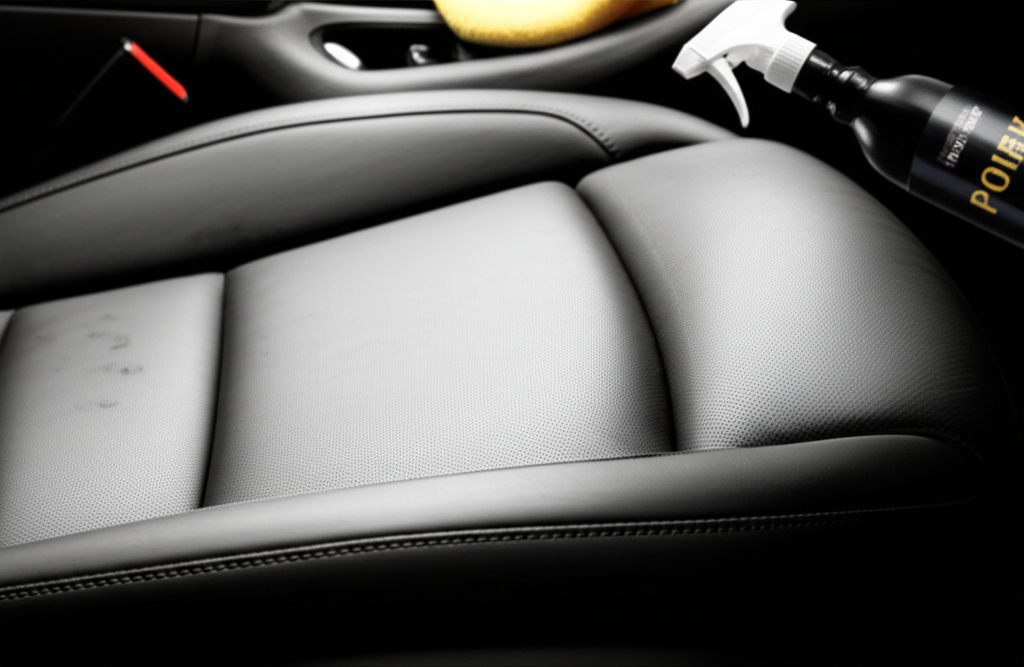
This cleaner is a crowd favorite for a reason. It uses a powerful foaming action to lift dirt from deep within your car’s fabric. The citrus scent leaves your car smelling fresh, not chemically. It’s great for spot cleaning or a full interior refresh.
2. Meguiar’s G9719 Carpet & Upholstery Cleaner
Meguiar’s is a trusted name in car care. This spray is easy to use and works on most car fabrics. It lifts stains and dirt, leaving surfaces clean and refreshed. Many users report success with tough stains like coffee and grease.
3. Griot’s Garage 10620 Interior Detailer
While not strictly a “cleaner,” this detailer is excellent for light messes and maintenance. It cleans, protects, and conditions interior surfaces. It’s perfect for those who want to keep their car looking sharp between deep cleans. Its gentle formula is safe for most materials.
Understanding Your Car’s Upholstery Material
Knowing what your car’s seats are made of is key. Most cars have fabric, carpet, or leather upholstery. Some might have a mix. Different materials need different cleaning approaches. Using the wrong cleaner can cause damage.
Fabric and Carpet Upholstery
Fabric and carpet are porous. They absorb spills and odors easily. You need cleaners that can penetrate the fibers. Foaming cleaners often work well here. Always test a small, hidden spot first. This ensures the cleaner won’t discolor your fabric.
Leather Upholstery
Leather is different. It needs conditioning as well as cleaning. Harsh cleaners can dry out and crack leather. Look for cleaners specifically designed for automotive leather. These often contain gentle cleaning agents and moisturizers.
How to Choose the Best Automotive Upholstery Cleaner
Consider the types of stains you deal with most. Do you have kids or pets? These can lead to tougher messes. Think about how much time you have for cleaning. Some cleaners require more scrubbing than others.
For Tough Stains
If you battle coffee spills, mud, or food stains, you need a strong cleaner. Look for products that advertise stain removal power. Enzyme-based cleaners are great for organic stains like pet accidents. They break down the stain at a molecular level.
For Odor Elimination
Bad smells can linger in car upholstery. Air fresheners only mask odors. The best automotive upholstery cleaner will neutralize them. Look for products with odor-eliminating properties. Baking soda is a natural odor absorber you can use.
For Quick Touch-Ups
For daily messes, a quick detailer spray is useful. These are usually less harsh. They are good for wiping away dust or light spills. They help maintain a clean look without a deep clean.
Using Your Automotive Upholstery Cleaner Effectively
Getting the best results means using the cleaner correctly. Always read the product instructions. Proper application makes a big difference.
Step-by-Step Cleaning Guide
1. Vacuum Thoroughly: Remove all loose dirt and debris. This prevents it from becoming mud when you add cleaner.
2. Test in an Inconspicuous Area: Apply a small amount to a hidden spot. Wait for it to dry to check for color changes or damage.
3. Apply the Cleaner: Spray the cleaner onto the stained area. Follow product instructions – some require waiting, others direct wiping.
4. Agitate the Area: Use a soft brush or microfiber towel to gently work the cleaner into the fabric. This helps lift the stain.
5. Blot and Wipe: Use a clean, damp microfiber towel to blot the area. This lifts the dirt and cleaner.
6. Allow to Dry: Let the upholstery air dry completely. Avoid using the car until it’s fully dry.
Tools You’ll Need for a Sparkling Interior
You don’t need many tools for great results. Simple items can make cleaning much easier. Having the right tools helps you work faster and better.
Microfiber Towels: Essential for blotting and wiping. They absorb well and don’t leave lint.
Soft Bristle Brush: Helps agitate stains without damaging fabric.
Vacuum Cleaner: A must-have for removing loose dirt.
Spray Bottle (optional): For diluting some cleaners or for water rinsing.
Common Automotive Upholstery Cleaning Mistakes to Avoid
Many people make small mistakes that reduce cleaning effectiveness. Avoiding these will save you time and effort. It also protects your car’s interior.
Over-Wetting: Using too much liquid can lead to mold and mildew. It can also damage backing materials.
Using Harsh Chemicals: Household cleaners can discolor or break down car fabrics. Always use products made for cars.
Not Testing First: Skipping the spot test can lead to costly mistakes. Always check compatibility.
Rubbing Too Hard: Aggressive scrubbing can damage fabric fibers. Gentle agitation is usually best.
DIY Automotive Upholstery Cleaner Recipes
Sometimes you need a quick fix. You can make your own cleaner with household items. These can be good for light cleaning. Always test these DIY solutions first.
Simple All-Purpose Interior Cleaner
1 cup warm water
1 cup white vinegar
1 tablespoon dish soap (mild)
Mix these in a spray bottle. Shake well before each use. This can help with general grime and light stains. It’s a cost-effective option for many.
Baking Soda Paste for Odors
Mix baking soda with a little water to form a paste. Apply it to stained or smelly areas. Let it dry, then vacuum it up. This is great for absorbing tough odors.
Maintaining Your Clean Upholstery
Keeping your car interior clean is easier than deep cleaning it later. Regular maintenance prevents dirt buildup. It helps your car look its best for longer.
Daily Habits for a Cleaner Car
Clean Up Spills Immediately: Don’t let spills sit. Blot them up as soon as they happen.
Regular Vacuuming: Vacuum your car’s interior weekly. This removes dust and crumbs.
Use Floor Mats: Protect your carpet with good quality floor mats. They are easier to clean.
Deep Cleaning Schedule
I recommend a deep clean every 3-6 months. This depends on how much you use your car. More use means more frequent deep cleans. This schedule keeps your car looking and smelling fresh.
Frequently Asked Questions About Automotive Upholstery Cleaners
What is the best automotive upholstery cleaner for stains?
For tough stains, look for cleaners with enzyme-based formulas or powerful foaming action. Products like Chemical Guys SPI_200_16 are highly rated for their stain-lifting capabilities. Always test in a small area first.
Can I use household cleaners on my car upholstery?
It’s generally not recommended. Household cleaners can be too harsh for automotive fabrics. They might cause fading, discoloration, or damage to the material. Stick to products made specifically for car interiors.
How often should I clean my car upholstery?
For light cleaning and vacuuming, aim for weekly. For a deep clean, every 3 to 6 months is usually sufficient. Heavy use, spills, or pets might require more frequent cleaning.
Does automotive upholstery cleaner remove odors?
Many best automotive upholstery cleaner products are designed to neutralize odors, not just mask them. Look for labels that mention “odor eliminator” or “enzyme cleaner.” Baking soda is also a great natural odor absorber.
Will upholstery cleaner damage my car’s seats?
Using the wrong type of cleaner or using it incorrectly can cause damage. Always read product instructions carefully. Test the cleaner in an inconspicuous spot before applying it widely.
How long does it take for car upholstery to dry after cleaning?
Drying time varies based on humidity, temperature, and how much cleaner was used. It can take anywhere from a few hours to a full day. Ensure good ventilation for faster drying.
Conclusion: Achieve That Effortless Shine
Choosing the best automotive upholstery cleaner makes a huge difference. It keeps your car looking new and feeling fresh. Remember to identify your upholstery type and the kinds of messes you face. Always test products first and follow instructions for the best results. With the right cleaner and a little effort, you can easily achieve that showroom shine. Keep your car interior looking its best!
Internal Links:
Car Interior Detailing Guide
Best Car Wash Soaps
