
Best Aquarium Vacuum Cleaner: Proven Effortless Clean

The best aquarium vacuum cleaner makes tank upkeep easy. It removes waste and debris efficiently, keeping your fish healthy and your water clear with minimal effort. Find the right one for a sparkling clean aquarium.
The thought of cleaning an aquarium can feel overwhelming. You want a beautiful underwater world for your fish, but the mess and murky water are frustrating. Dealing with gravel sifting and water changes takes time and effort. This guide will show you the best aquarium vacuum cleaner options. We’ll help you choose one that makes cleaning simple and effective. Get ready for a cleaner, healthier tank with less hassle.
What is an Aquarium Vacuum Cleaner and Why You Need One
An aquarium vacuum cleaner, also called a gravel cleaner or siphon, is a tool that helps you clean your fish tank. It removes waste, uneaten food, and debris from the gravel and water. This keeps your fish healthy by preventing harmful toxins from building up. It also makes your aquarium look much nicer. Without one, your tank can quickly become dirty and unhealthy for your aquatic pets.
Regular cleaning with a good vacuum cleaner prevents cloudy water and disease. It’s a vital part of fishkeeping.
How to Choose the Best Aquarium Vacuum Cleaner for Your Tank
Picking the right aquarium vacuum cleaner depends on your tank’s size and type. Consider the depth of your gravel. Some cleaners are better for deep gravel, while others work well on sand or smooth bottoms. Think about how much water you need to change each time. Battery-powered models offer convenience, while manual ones are simple and reliable.
The best choice balances ease of use with effective cleaning for your specific setup.
Types of Aquarium Vacuum Cleaners
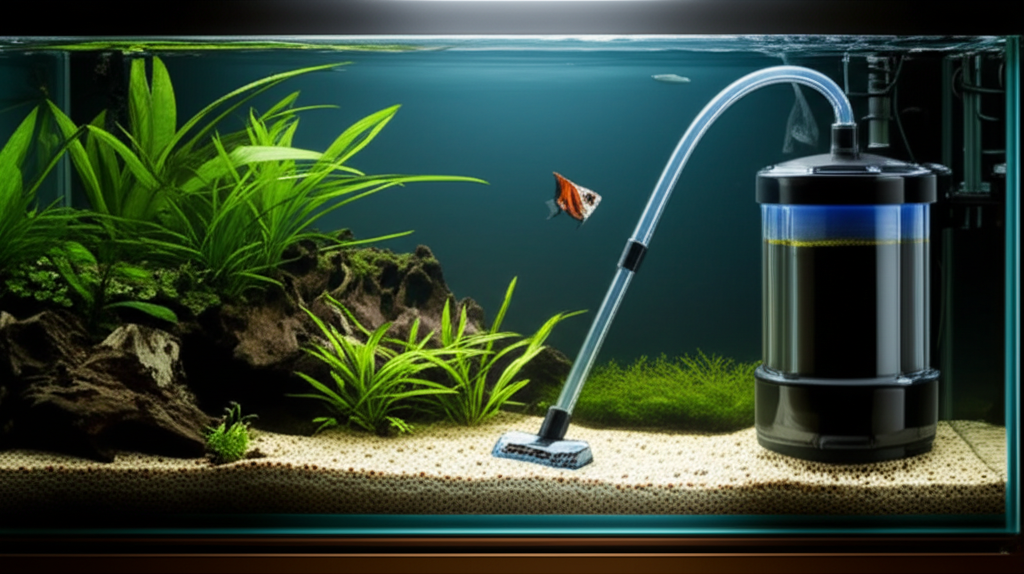
There are several main types of aquarium vacuum cleaners. Each has its own advantages. Manual siphon cleaners are the most common and require no batteries or power. Automatic cleaners use electricity or battery power to do the siphoning for you. Some are designed specifically for small tanks, while others are built for large aquariums.
Understanding these differences helps you find the perfect fit for your needs.
Manual Siphon Gravel Cleaners
Manual siphon gravel cleaners are simple and affordable. You start the siphon by hand or with a built-in pump. Then, you move the vacuum head through the gravel. Water, along with debris, flows into a bucket. They are reliable and don’t require batteries or electricity.
These are great for beginners and budget-conscious fish keepers.
Battery-Powered Gravel Cleaners
Battery-powered gravel cleaners offer more convenience. They have a motor that starts the siphon automatically. This means no manual pumping or shaking. They are great for tanks where frequent or deeper cleaning is needed. You can easily move them around without worrying about cords.
The ease of use is a major benefit for busy aquarists.
Automatic/Electric Gravel Cleaners
Automatic or electric gravel cleaners are the most advanced. They often have powerful motors and can clean large tanks quickly. Some models can even filter the water as they clean. These are ideal for very large aquariums or for those who want the most effortless cleaning experience.
They offer the highest level of automation and efficiency.
Top Features to Look for in an Aquarium Vacuum Cleaner
When shopping, look for a few key features. The length of the vacuum tube is important for different tank depths. A wide nozzle can clean faster, while a narrow one is good for tight spaces. A good hose that doesn’t kink is also essential. Some cleaners have built-in debris filters to catch larger particles.
Consider how easy it is to assemble and clean the vacuum itself.
Suction Power and Flow Rate
Suction power determines how well the vacuum lifts debris from the gravel. A higher flow rate means more water is moved, allowing for quicker cleaning. However, too much suction can pull small fish or decorations. Look for a cleaner with adjustable suction or one that is appropriately sized for your tank.
You want enough power to clean effectively without disturbing your fish.
Hose Length and Diameter
The hose length should be long enough to reach from your tank to your bucket on the floor. This makes water changes easier. The hose diameter affects the flow rate and how quickly you can clean. A wider hose cleans faster but might be too much for small tanks. A flexible, kink-resistant hose is a must.
Choosing the right hose length and diameter ensures comfort and efficiency.
Gravel Guard and Debris Capture
A gravel guard prevents the vacuum from sucking up too much gravel, which can clog the tube. This is especially important for tanks with fine gravel. Some cleaners have a built-in filter bag or compartment to capture larger debris. This helps keep the water clearer during the cleaning process.
These features protect your equipment and improve cleaning results.
Our Top Picks for the Best Aquarium Vacuum Cleaners
After reviewing many options, here are some of the best aquarium vacuum cleaner models. These are chosen for their performance, ease of use, and value.
1. Python No-Spill Clean and Fill Aquarium Cleaner
The Python No-Spill Clean and Fill system is a favorite among experienced aquarists. It connects directly to a faucet. This allows you to siphon out dirty water and refill the tank with clean water without buckets. It’s very efficient for large tanks and regular maintenance.
This system saves a lot of time and effort for frequent tank cleaning.
Key Features:
Connects to faucet for continuous water flow.
Eliminates the need for heavy buckets.
Adjustable flow rate.
Available in various lengths.
Pros:
Extremely convenient for large water changes.
Reduces stress on fish by maintaining stable temperature.
Saves significant time and physical labor.
Cons:
Requires a nearby faucet.
Initial setup can be a bit complex.
Higher initial cost compared to manual cleaners.
2. Aqueon Siphon Vacuum Gravel Cleaner
The Aqueon Siphon Vacuum Gravel Cleaner is a popular choice for its simplicity and effectiveness. It’s a manual siphon that’s easy to set up and use. The long hose and good suction make it suitable for most tank sizes. It’s a reliable workhorse for regular tank cleaning.
This is a solid, no-frills option for most aquarium owners.
Key Features:
Easy-to-use manual siphon start.
Durable plastic construction.
Comes with a hose and gravel tube.
Affordable price point.
Pros:
Very affordable and budget-friendly.
Simple to operate, perfect for beginners.
Effective at removing debris from gravel.
Cons:
Requires manual effort to start and maintain siphon.
Can be slower for very large tanks.
3. Fluval E-Vac Premium Aquarium Water Change System
The Fluval E-Vac is a battery-powered gravel cleaner that offers great convenience. It has a powerful motor to start the siphon quickly. The wide nozzle cleans a good area at once. It’s easy to handle and makes cleaning less of a chore.
This cleaner is a good balance of power and user-friendliness.
Key Features:
Battery-powered for easy siphon start.
Wide nozzle for efficient cleaning.
Includes hose and gravel tube.
Compact and easy to store.
Pros:
Effortless siphon initiation.
Cleans gravel effectively.
Good for tanks of various sizes.
Cons:
Requires batteries, which need replacing.
Can be more expensive than manual options.
4. Hygger Aquarium Gravel Cleaner, 3-in-1 Automatic Fish Tank Vacuum Cleaner
The Hygger 3-in-1 cleaner is a versatile, multi-functional tool. It can siphon water, clean gravel, and even aerate the water. It’s battery-powered and easy to use. This cleaner is great for tanks where you want to do more than just vacuum. It offers a lot of value in one package.
This is a great option if you want multiple cleaning functions in one device.
Key Features:
3-in-1 functionality: water change, gravel cleaning, aeration.
Battery-powered with adjustable flow.
Comes with multiple nozzles for different tasks.
Can be used in saltwater and freshwater tanks.
Pros:
Very versatile with multiple functions.
Easy to switch between cleaning modes.
Effective gravel cleaning and water removal.
Cons:
Battery life can be a consideration.
More complex than simple siphon cleaners.
How to Use Your Aquarium Vacuum Cleaner Effectively
Using your aquarium vacuum cleaner correctly is key to a clean tank. First, prepare your bucket and place it lower than the tank. Start the siphon according to your cleaner’s instructions. Gently move the vacuum head through the gravel. Don’t dig too deep, just lift debris from the top layers.
Work in sections to avoid disturbing your fish too much. Aim to remove about 25-30% of the tank water during a cleaning session.
Step-by-Step Guide to Gravel Vacuuming
1. Prepare: Gather your vacuum cleaner, a bucket, and possibly a hose. Ensure the bucket is clean and dedicated to aquarium use.
2. Start Siphon: Begin the siphon process. For manual cleaners, this might involve pumping a bulb or shaking the tube. Battery-powered ones usually start with a button.
3. Vacuum Gravel: Place the vacuum head into the gravel. Move it slowly up and down. Debris will be sucked into the hose along with the water.
4. Clean in Sections: Clean one section of the gravel at a time. This prevents clouding the entire tank.
5. Water Change: Continue until you have removed the desired amount of water (typically 25-30%).
6. Refill: Carefully refill the tank with dechlorinated water that is at a similar temperature to the tank water.
This process ensures thorough cleaning without stressing your fish.
Tips for Efficient Cleaning
To make your cleaning sessions smoother, try these tips. Always use dechlorinated water when refilling your tank. This is crucial to protect your fish from harmful chlorine. Clean your gravel vacuum thoroughly after each use. This prevents any buildup of gunk inside the tool.
Consider investing in a cleaner with a longer hose if you have a deep tank. This makes the job much easier.
Maintaining a Clean Aquarium Beyond Vacuuming
While a good aquarium vacuum cleaner is essential, other practices help keep your tank pristine. Regular water changes are vital, even with a vacuum. Feed your fish only what they can eat in a few minutes. Uneaten food quickly fouls the water. Proper filtration is also key to a healthy ecosystem.
A clean tank is a healthy tank for your fish.
The Importance of Regular Water Changes
Regular water changes remove nitrates and other dissolved waste that filters can’t fully remove. These changes help maintain water quality and provide essential minerals for your fish. Aim for a 25-30% water change weekly or bi-weekly, depending on your tank’s stocking level. This is one of the most impactful things you can do for your fish’s health.
A study by the University of Florida highlights the critical role of water changes in preventing fish disease.
Filtration and Maintenance
Your aquarium filter plays a huge role in keeping water clean. Make sure it’s adequately sized for your tank. Clean your filter media regularly, but never use tap water. Tap water contains chlorine that kills beneficial bacteria in the filter. Rinse filter media in old tank water removed during a water change.
This preserves the beneficial bacteria needed for a healthy aquarium cycle.
Common Problems and How to Fix Them
Sometimes, you might encounter issues with your aquarium vacuum cleaner. If the siphon won’t start, check for blockages in the tube or hose. Ensure the bucket is positioned correctly below the tank. If suction is weak, the gravel guard might be clogged, or the motor (if electric) might be struggling.
Most common issues are easily fixed with a little troubleshooting.
Siphon Not Starting
If your siphon won’t start, the most common reason is not enough water flow or a slight blockage. For manual cleaners, try pumping the bulb more vigorously or shaking the tube. For battery-powered models, ensure the batteries are fresh and the intake is clear. Make sure the end of the hose in the bucket is submerged.
A proper seal and sufficient water movement are needed to initiate the siphon.
Weak Suction
Weak suction can be caused by several factors. The intake screen might be clogged with debris. The gravel guard could be too close to the substrate. If you have a battery-powered cleaner, the batteries might be low. Check for any kinks in the hose that restrict water flow.
Ensuring all parts are clean and unobstructed will restore strong suction.
Frequently Asked Questions (FAQ)
Q1: How often should I use my aquarium vacuum cleaner?
You should typically use your aquarium vacuum cleaner once a week during a water change. This helps remove accumulated waste from the gravel.
Q2: Can I use a regular household vacuum for my aquarium?
No, never use a household vacuum. They contain soaps and chemicals that are toxic to fish. Aquarium vacuums are specifically designed for safe use in fish tanks.
Q3: My fish seem stressed when I vacuum. What can I do?
Try to vacuum more slowly and in smaller sections. Avoid stirring up too much substrate at once. Ensure the water you refill with is the same temperature and properly dechlorinated.
Q4: How do I clean the aquarium vacuum cleaner itself?
After each use, rinse all parts of the vacuum cleaner with clean water. For models with filters, clean those according to the manufacturer’s instructions. Store it in a dry, clean place.
Q5: What is the best aquarium vacuum cleaner for a 10-gallon tank?
For a 10-gallon tank, a manual siphon gravel cleaner like the Aqueon Siphon Vacuum Gravel Cleaner is often a great choice. They are affordable and easy to control in smaller spaces.
Q6: Do I need a battery-powered vacuum for a small tank?
Not necessarily. Manual siphon cleaners work very well for small tanks. Battery-powered ones offer convenience but are not essential for smaller setups.
Conclusion: Effortless Aquarium Cleaning is Achievable
Finding the best aquarium vacuum cleaner can transform your aquarium maintenance routine. It’s no longer a chore, but a simple task that keeps your aquatic environment healthy and beautiful. Whether you choose a manual siphon, a battery-powered model, or an all-in-one system, the key is consistency. Regular cleaning with the right tool prevents problems and ensures your fish thrive.
Make the smart choice for your aquarium today. A clean tank is a happy tank!
—
This article was reviewed by HomeHygia experts to ensure accuracy and helpfulness.*
