Best Air Purifiers For Pets And Allergies: Essential Guide

Best air purifiers for pets and allergies can significantly improve your home’s air quality, tackling dander, odors, and allergens. This guide helps you choose the right one to breathe easier and enjoy your furry companions without the sniffles.
The constant presence of pet dander, fur, and odors can make life challenging for allergy sufferers. If you find yourself sneezing more often or experiencing itchy eyes around your beloved pets, an air purifier designed for these specific issues might be your solution. Finding the best air purifiers for pets and allergies can feel overwhelming, but with the right guidance, you can transform your living space into a haven of fresh, clean air. Let’s explore how to make the best choice for your home and health.
Why Pets and Allergies Need Specialized Air Purification
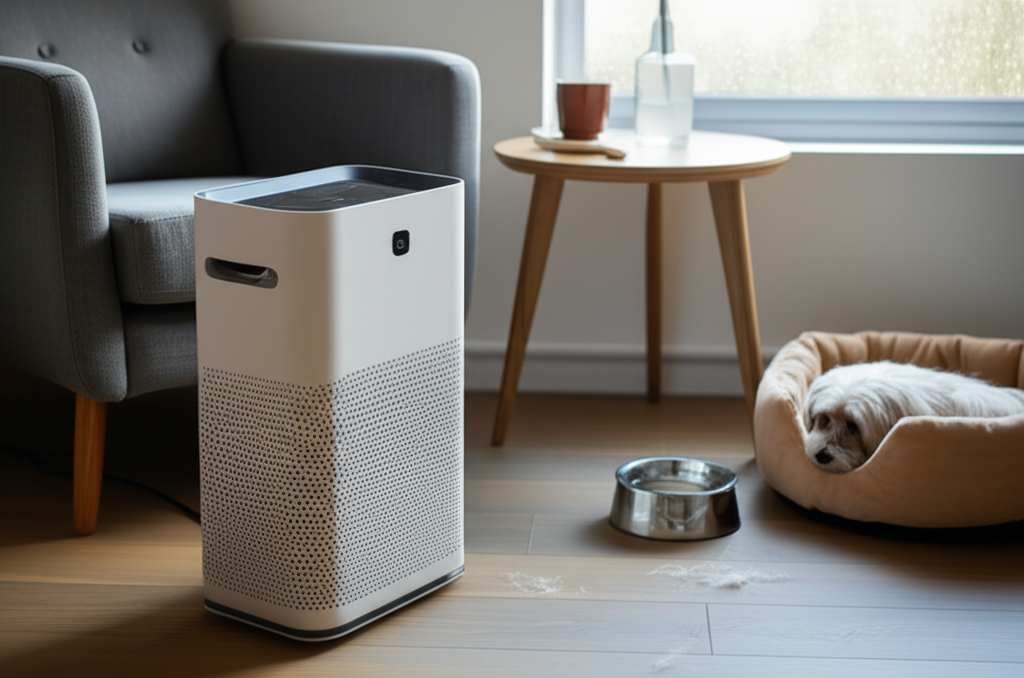
Pet owners often face a unique set of air quality challenges. Beyond just fur, pets shed microscopic dander, which is a common allergen. This dander, along with saliva and urine proteins, can become airborne and trigger allergic reactions. Furthermore, pet odors can linger, impacting the overall freshness of your home. Standard air purifiers may not be equipped to handle these specific airborne irritants effectively.
Air purifiers specifically designed for pets and allergies utilize advanced filtration systems to capture these fine particles and neutralize odors. They are engineered to tackle the unique composition of pet-related allergens and smells, offering a more comprehensive solution for a healthier living environment. This specialized approach ensures that you can enjoy your pets without compromising your respiratory well-being.
Understanding the Culprits: Pet Allergens and Odors
Pet dander is composed of tiny flecks of skin shed by animals with fur or feathers. It’s often the primary trigger for pet allergies, but saliva and urine can also contain proteins that cause reactions. These microscopic particles are lightweight and can easily become airborne, settling on furniture, carpets, and other surfaces. Without effective filtration, they can remain suspended in the air for extended periods.
Pet odors are another common concern for pet owners. These smells can stem from various sources, including pet accidents, grooming habits, and the natural scent of the animal. While some air purifiers can reduce general odors, those designed for pets often incorporate activated carbon filters specifically to absorb and neutralize these more persistent smells. Understanding these culprits is the first step to selecting the right air purifier.
Key Features to Look For in the Best Air Purifiers for Pets and Allergies
When searching for the best air purifiers for pets and allergies, several features are crucial. A multi-stage filtration system is paramount, typically including a pre-filter, a HEPA filter, and an activated carbon filter. The pre-filter captures larger particles like pet hair, the HEPA filter traps 99.97% of airborne allergens down to 0.3 microns, and the activated carbon filter tackles odors and VOCs.
Consider the coverage area of the air purifier to ensure it’s suitable for the size of your room. Look for models with a low noise level, especially if you plan to use it in a bedroom or living area. Features like filter replacement indicators and energy efficiency (e.g., Energy Star certification) can also add significant value and convenience to your purchase.
The Power of HEPA Filtration for Pet Allergens
High-Efficiency Particulate Air (HEPA) filters are the gold standard for capturing airborne particles, including pet dander. True HEPA filters are certified to remove at least 99.97% of airborne particles 0.3 micrometers in size. This means they are highly effective at trapping microscopic pet dander, dust mites, pollen, and other common allergens that can aggravate respiratory conditions.
For pet owners, a HEPA filter is non-negotiable. It ensures that the tiny dander particles shed by your furry friends are captured and prevented from recirculating in your home. When choosing an air purifier, always look for the “True HEPA” certification to guarantee its effectiveness against these microscopic invaders. This is a fundamental component of the best air purifiers for pets and allergies.
Activated Carbon: Your Ally Against Pet Odors
While HEPA filters excel at trapping particles, activated carbon filters are the superheroes when it comes to eliminating odors. Activated carbon is a highly porous material that has been treated to increase its absorbency. It works by trapping odor molecules and volatile organic compounds (VOCs) from the air, effectively neutralizing unpleasant smells rather than just masking them.
For pet owners, this means saying goodbye to lingering pet odors. Whether it’s the distinct smell of a dog or cat, or other household smells, an activated carbon filter can make a significant difference. The amount of activated carbon in an air purifier is also important; a thicker, more substantial carbon filter will generally be more effective and longer-lasting.
Pre-Filters: The First Line of Defense Against Fur
Before air even reaches the HEPA and activated carbon filters, it passes through a pre-filter. This initial layer is designed to capture larger airborne particles, such as pet hair, lint, and dust bunnies. By trapping these larger items, the pre-filter protects the more sensitive HEPA and carbon filters from becoming clogged too quickly.
A washable or easily replaceable pre-filter is a significant advantage. It can extend the lifespan of your main filters and reduce ongoing costs. Regularly cleaning or replacing the pre-filter is a simple yet crucial maintenance step that ensures your air purifier continues to operate at peak efficiency, especially in homes with multiple pets.
Understanding CADR and Room Size Compatibility
Clean Air Delivery Rate (CADR) is a crucial metric for determining an air purifier’s effectiveness and suitability for your space. It measures how quickly an air purifier can clean the air in a room for specific pollutants: smoke, dust, and pollen. Higher CADR ratings indicate a more powerful and efficient unit.
When selecting the best air purifiers for pets and allergies, match the CADR rating to your room size. Manufacturers typically provide recommendations for the square footage an air purifier can effectively cover. It’s generally better to choose a unit with a CADR rating that exceeds your room’s actual size, allowing it to clean the air more rapidly and quietly. You can find CADR ratings on the product’s packaging or specifications.
Top Air Purifier Recommendations for Pet Owners
Based on expert reviews and user feedback, several models consistently stand out as the best air purifiers for pets and allergies. These units offer a strong combination of HEPA filtration, effective odor control, appropriate room coverage, and user-friendly features.
Coway Airmega AP-1512HH Mighty: This compact yet powerful air purifier is a perennial favorite. It features a true HEPA filter, an activated carbon filter, and a pre-filter, making it excellent for capturing pet dander and neutralizing odors. Its auto mode adjusts fan speed based on air quality, and it’s relatively quiet.
Levoit Core 300S: A popular choice for smaller to medium-sized rooms, the Levoit Core 300S offers a three-stage filtration system, including a true HEPA filter and a specialized pet allergy filter option. It’s known for its quiet operation and smart features, like app control and voice commands.
Blueair Blue Pure 211+ Auto: This sleek air purifier is designed for larger rooms and boasts impressive performance. It uses a combination of mechanical and electrostatic filtration (HEPA-like) and a large activated carbon filter to tackle pet dander and odors effectively. The auto mode and filter replacement indicator add convenience.
Winix 5500-2: A well-rounded option, the Winix 5500-2 includes a true HEPA filter, an activated carbon filter, and PlasmaWave technology (which can be turned off if desired). It’s effective for medium to large rooms and offers a good balance of performance and price.
These models are frequently cited for their ability to tackle pet-specific air quality issues, making them excellent investments for pet owners.
Essential Maintenance for Optimal Performance
To ensure your air purifier continues to provide the best air quality for your pets and allergies, regular maintenance is key. This primarily involves cleaning and replacing the filters according to the manufacturer’s instructions. Neglecting filter maintenance can significantly reduce the unit’s effectiveness and even lead to a decrease in air quality.
Always refer to your air purifier’s manual for specific maintenance guidelines. Generally, pre-filters should be cleaned weekly or bi-weekly, depending on the pet hair in your home. HEPA and activated carbon filters typically need replacement every 6-12 months, though this can vary based on usage and air quality. Some units have filter replacement indicators to remind you.
Factors Beyond Filtration: Noise, Energy, and Smart Features
While filtration is paramount, other factors contribute to the overall user experience of the best air purifiers for pets and allergies. Noise levels are a significant consideration, especially for bedrooms or quiet living spaces. Look for models with a low decibel rating on their lower settings, often measured in decibels (dB).
Energy efficiency is another important aspect, particularly if you plan to run the air purifier continuously. Look for Energy Star certified models, which consume less electricity. Smart features, such as app control, scheduling, air quality sensors, and automatic modes, can add convenience and allow you to monitor and manage your home’s air quality remotely.
Comparing Top Models: A Quick Overview
Here’s a simplified comparison to help you visualize the strengths of some popular choices for the best air purifiers for pets and allergies:
| Model | Room Size (sq ft) | True HEPA | Activated Carbon | Noise Level (dB) | Key Pet Feature |
| :————————– | :—————- | :——– | :————— | :————— | :——————————————– |
| Coway Airmega AP-1512HH | Up to 361 | Yes | Yes | 24-54 | Excellent allergen and odor capture |
| Levoit Core 300S | Up to 219 | Yes | Yes | 22-50 | Quiet operation, specialized pet filter option |
| Blueair Blue Pure 211+ Auto | Up to 540 | Yes (HEPA-like) | Yes (Large) | 31-56 | High airflow, effective for large spaces |
| Winix 5500-2 | Up to 360 | Yes | Yes | 27-55 | Good value, effective all-around performance |
Note: Specifications can vary by manufacturer and model iteration. Always check the latest product details.
This table highlights how different models cater to various needs, from smaller apartments to larger homes, each offering robust solutions for pet-related air quality concerns.
Frequently Asked Questions About Air Purifiers for Pets and Allergies
Q1: How often should I replace the filters in an air purifier for pets?
A: Filter replacement frequency depends on the model and your home’s air quality. Generally, HEPA filters need replacement every 6-12 months, and activated carbon filters also have a similar lifespan. Pre-filters often need cleaning weekly or bi-weekly. Always consult your air purifier’s manual for specific recommendations.
Q2: Can an air purifier completely eliminate pet dander?
A: While an air purifier can significantly reduce pet dander and allergens in the air, it cannot entirely eliminate them. Dander is microscopic and can settle on surfaces. Consistent use of an effective air purifier, combined with regular cleaning, is the best approach.
Q3: Are air purifiers with ozone generators safe for pets?
A: It’s generally recommended to avoid air purifiers that produce ozone, as ozone can be a lung irritant for both humans and pets. Look for models that are ozone-free or have an option to disable ozone production.
Q4: Do I need a separate air purifier for each room with a pet?
A: It depends on the size of your home and the air purifier’s coverage area. For larger homes or if pets spend time in multiple distinct areas, multiple units or a powerful central unit might be beneficial. However, one well-placed, appropriately sized unit can make a noticeable difference.
Q5: Can air purifiers help with pet allergies even if I don’t have pets?
A: Yes, if you are visiting a home with pets or if allergens are tracked in from outside, an air purifier can still help reduce the concentration of pet dander in your environment. They are beneficial for general air quality improvement.
Q6: What is the difference between a HEPA filter and a HEPA-type filter?
A: A “True HEPA” filter is certified to capture 99.97% of particles 0.3 microns in size. A “HEPA-type” or “HEPA-like” filter may capture a similar percentage of particles but not necessarily to the same size standard, making True HEPA the preferred choice for serious allergy sufferers.
Conclusion: Breathe Easier with the Right Air Purifier
Choosing the best air purifiers for pets and allergies is a proactive step towards a healthier and more comfortable home environment. By understanding the unique challenges posed by pet dander and odors, and by prioritizing features like true HEPA filtration, robust activated carbon, and appropriate room coverage, you can make an informed decision. Remember that regular maintenance is crucial for sustained performance. Investing in a quality air purifier means investing in cleaner air, fewer allergy symptoms, and a more harmonious life with your beloved pets.