
Best Air Purifiers For Fire Smoke: Proven Essential

Best Air Purifiers For Fire Smoke: Proven Essential for Cleaner Air
Breathe easier during wildfire season with the best air purifiers for fire smoke. These devices are essential for filtering out harmful particulate matter, smoke, and odors, ensuring a healthier indoor environment when outdoor air quality plummets. Discover top-rated models and key features to protect your home and family.
Wildfire smoke can be a serious health concern, invading your home and making the air you breathe unhealthy. The fine particles and toxic gases can cause respiratory irritation, headaches, and exacerbate existing conditions. Finding the right air purifier is crucial for creating a safe haven. This guide will walk you through everything you need to know to choose the best air purifiers for fire smoke, ensuring your family’s well-being.
Why Fire Smoke Demands a Specialized Air Purifier
Wildfire smoke is a complex mixture of particles and gases, far more damaging than typical indoor air pollutants. These tiny particles, known as PM2.5, are small enough to penetrate deep into your lungs and even enter your bloodstream. They carry harmful chemicals and can significantly impact air quality inside your home, even with windows and doors closed.
Standard air purifiers might struggle with the sheer volume and type of contaminants in wildfire smoke. You need a unit specifically designed to tackle these fine particulates and potent odors effectively. Investing in a robust air purification system is a proactive step towards safeguarding your health during these critical periods.
Understanding Key Features for Fire Smoke Purification
When selecting the best air purifiers for fire smoke, certain features are non-negotiable. The effectiveness of an air purifier hinges on its ability to capture ultra-fine particles and neutralize smoke odors. Understanding these components will empower you to make an informed decision for your home’s air quality.
Look for purifiers with a True HEPA filter, which is certified to capture at least 99.97% of airborne particles down to 0.3 microns. This includes the fine soot and ash from fires. Additionally, an activated carbon filter is essential for adsorbing smoke odors and volatile organic compounds (VOCs) that often accompany fire smoke.
True HEPA Filters: The Gold Standard for Particle Capture
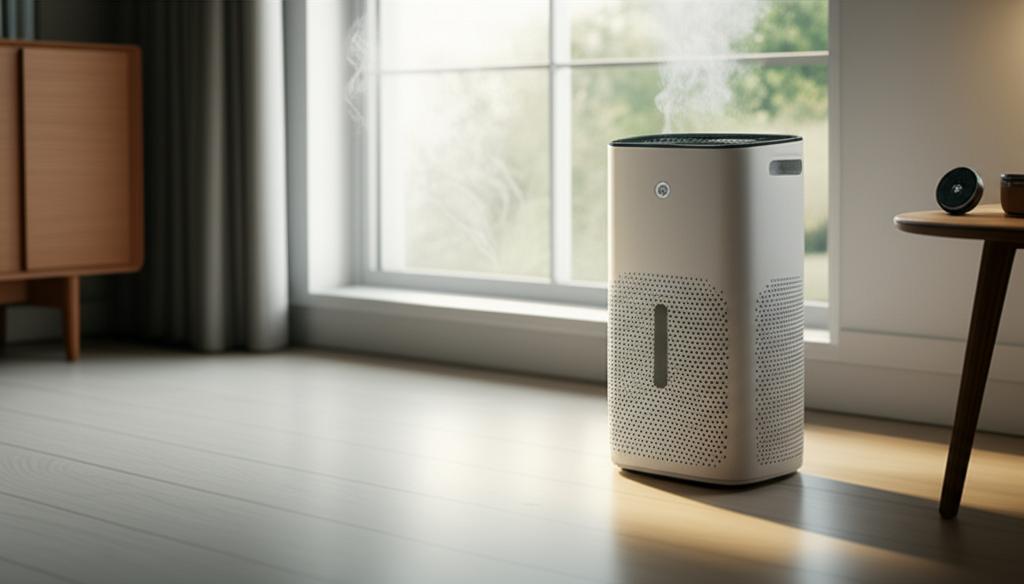
A True HEPA filter is the cornerstone of any effective air purifier, especially when dealing with fire smoke. These filters are rigorously tested to meet specific standards for particle removal. Their dense fiber matrix traps even the smallest airborne contaminants, preventing them from recirculating in your home.
These filters are crucial because wildfire smoke contains a significant amount of PM2.5 particles. Without a True HEPA filter, these microscopic irritants would pass through, rendering the purifier largely ineffective against the most harmful elements of smoke. Ensuring your chosen model has this certification is paramount.
Activated Carbon Filters: Eliminating Smoke Odors
While HEPA filters tackle the particles, activated carbon filters are the heroes for odor removal. Activated carbon is a highly porous material that traps gas molecules and odors through a process called adsorption. This is vital for eliminating the acrid smell of smoke that can linger for days or weeks.
The amount and quality of activated carbon in a purifier directly impact its odor-fighting capabilities. Look for models with a substantial amount of carbon, often measured in pounds, for the best results. This ensures that the persistent smell of smoke is effectively neutralized, not just masked.
CADR Ratings: Measuring Air Cleaning Power
Clean Air Delivery Rate (CADR) is a standardized measure of how quickly an air purifier can clean the air in a room. It’s measured for three common pollutants: smoke, dust, and pollen. A higher CADR rating indicates a more powerful and efficient air purifier.
When choosing the best air purifiers for fire smoke, prioritize models with high smoke CADR ratings. This metric is particularly important as smoke particles are the primary concern. Ensure the CADR is appropriate for the size of the room you intend to purify.
Coverage Area and Room Size
An air purifier’s effectiveness is directly tied to its ability to handle the volume of air in a specific space. Manufacturers typically provide a recommended coverage area, often in square feet. It’s essential to match the purifier’s capacity to the size of the room where it will be used most.
For fire smoke, it’s often advisable to choose a purifier with a slightly larger coverage area than your room size. This ensures it can work efficiently to clean the air quickly and maintain a healthy environment. Consider purchasing multiple units for larger homes or areas with high smoke exposure.
Top-Rated Air Purifiers for Fire Smoke in 2024
Based on extensive research and expert reviews, these air purifiers consistently perform well in capturing fire smoke particles and neutralizing odors. They offer a combination of robust filtration, high CADR ratings, and user-friendly features, making them excellent choices for protecting your home.
Each of these models is a proven performer, offering peace of mind when wildfire smoke is a concern. Consider your specific needs, room size, and budget when making your final selection from these highly recommended options.
Coway Airmega 200M: A Solid All-Rounder
The Coway Airmega 200M is a popular choice known for its effective multi-stage filtration system. It features a True HEPA filter and an abundant activated carbon filter, making it adept at capturing fine smoke particles and eliminating odors. Its smart features and quiet operation add to its appeal.
This model is ideal for medium to large rooms, offering excellent value and performance. Its real-time air quality monitoring helps you stay informed about your indoor environment, ensuring optimal purification.
Blueair Classic 480i: Powerful Performance, Sleek Design
Blueair is renowned for its high-performance air purifiers, and the Classic 480i is no exception. It utilizes a combination of electrostatic and mechanical filtration (HEPASilent™ technology) to capture an impressive amount of airborne pollutants, including smoke. The unit is also designed for energy efficiency and quiet operation.
Its large coverage area and high CADR make it suitable for spacious living areas or bedrooms. The integrated air quality sensor and app control offer convenient management of your air purification.
Winix 5500-2: Advanced Filtration at a Great Price
The Winix 5500-2 is a fan favorite, offering a comprehensive filtration system that includes a True HEPA filter, activated carbon filter, and the PlasmaWave™ technology. It excels at removing smoke particles, odors, and other allergens from the air. Its affordable price point makes it accessible for many households.
This purifier is best suited for medium-sized rooms and offers an excellent balance of features and cost-effectiveness. The automatic mode adjusts fan speed based on detected air quality, providing effortless protection.
Levoit Core 300S: Compact Powerhouse for Smaller Spaces
For smaller rooms or personal spaces, the Levoit Core 300S is an excellent option. Despite its compact size, it boasts a 3-stage filtration system, including a True HEPA filter and an activated carbon filter, effectively tackling smoke and odors. Its smart capabilities allow for app control and voice commands.
This model is perfect for bedrooms, dorm rooms, or home offices. It provides powerful purification in a small footprint, ensuring cleaner air where you need it most.
Beyond the Filters: Additional Features to Consider
While filtration is key, other features can significantly enhance your experience with an air purifier, especially during stressful times like wildfire events. These additions can provide convenience, efficiency, and better overall performance.
Considering these supplementary features can help you find the best air purifiers for fire smoke that not only clean your air but also fit seamlessly into your lifestyle.
Smart Features and App Control
Modern air purifiers often come with smart capabilities, allowing you to control and monitor them remotely via a smartphone app. This can be incredibly convenient, letting you adjust settings, check air quality, and set schedules without being in the same room.
Features like real-time air quality reports and filter life indicators provide valuable insights. This allows you to proactively manage your home’s air and ensure the purifier is always operating at peak efficiency.
Noise Levels
Air purifiers operate using fans, which inevitably produce some noise. During fire events, you might want to run the purifier continuously, so low noise levels are desirable, especially in bedrooms or living areas. Look for models that specify their decibel (dB) levels on different fan settings.
Many manufacturers use terms like “whisper-quiet” or “sleep mode” for their lowest settings. This ensures that the purifier can work effectively in the background without causing significant disturbance.
Energy Efficiency
Running an air purifier 24/7 can impact your electricity bill. Look for models with ENERGY STAR certification, which indicates they meet strict energy efficiency guidelines set by the U.S. Environmental Protection Agency. This ensures you get effective air purification without excessive energy consumption.
Choosing an energy-efficient model not only saves you money but also contributes to a more sustainable household. It’s a win-win for your wallet and the environment.
How to Maximize Your Air Purifier’s Effectiveness Against Fire Smoke
Simply owning an air purifier isn’t enough; proper placement and maintenance are crucial for optimal performance, especially when battling persistent fire smoke. Following these tips will help you get the most out of your investment.
By implementing these strategies, you can significantly enhance your air purifier’s ability to combat fire smoke and maintain a healthier indoor environment.
Strategic Placement in Your Home
Place your air purifier in the room where you spend the most time, such as the bedroom or living room. For maximum effectiveness, position it in an open area, away from walls or furniture that could obstruct airflow.
Consider running it on a higher setting when smoke levels are high, and potentially moving it to different rooms throughout the day. If you have multiple rooms to protect, investing in more than one unit might be necessary.
Regular Filter Maintenance and Replacement
Air purifiers are only as effective as their filters. Regularly check and clean or replace your filters according to the manufacturer’s instructions. Clogged filters reduce airflow and compromise the purifier’s ability to capture pollutants.
Most HEPA and carbon filters need replacement every 6-12 months, depending on usage and air quality. Keeping a spare set of filters on hand ensures you can quickly replace them when needed.
Sealing Your Home Against Smoke Ingress
While an air purifier cleans the air inside, it’s equally important to minimize the amount of smoke entering your home in the first place. Keep windows and doors closed tightly when outdoor air quality is poor due to smoke.
Use weather stripping or caulk to seal any gaps around doors and windows. Consider using a portable air conditioner or a window fan with a sealed unit to avoid drawing smoky outdoor air inside.
Air Purifier vs. HVAC Filter: What’s the Difference for Fire Smoke?
It’s common to wonder if your home’s HVAC system can handle fire smoke. While HVAC filters play a role in air quality, they are generally not a substitute for a dedicated air purifier when it comes to severe smoke events. Understanding their distinct functions is key.
Your home’s HVAC system circulates air throughout your entire house, while portable air purifiers are designed for specific rooms. For intense smoke situations, a dedicated unit offers more targeted and powerful filtration.
HVAC System Filters (MERV Ratings)
HVAC filters, often identified by their MERV (Minimum Efficiency Reporting Value) rating, capture larger particles like dust and pollen. Higher MERV ratings indicate better filtration, but even the highest residential MERV filters may not capture the ultra-fine PM2.5 particles found in wildfire smoke as effectively as a True HEPA filter.
Upgrading your HVAC filter to a higher MERV rating (e.g., MERV 13 or higher) can help reduce some smoke particles circulating through your home. However, this alone is often insufficient to combat dense smoke.
Portable Air Purifiers for Targeted Relief
Portable air purifiers are designed to draw in air from a specific room, pass it through specialized filters (like True HEPA and activated carbon), and then recirculate clean air. This provides concentrated purification in the areas where you live and sleep.
They are particularly effective for creating “clean air rooms” during periods of poor outdoor air quality, offering immediate and noticeable improvements in indoor air.
When to Use Your Air Purifier for Fire Smoke
The decision to deploy your air purifier should be based on objective air quality data. Relying on your senses alone might mean you’re already exposed to harmful levels of smoke. Fortunately, tools are available to help you monitor the situation.
Proactive use of your air purifier ensures you are protected before air quality deteriorates significantly. It’s better to be prepared than to react when the air is already compromised.
Monitoring Outdoor Air Quality
The most reliable way to know when to use your air purifier is by checking outdoor air quality reports. Websites and apps like AirNow.gov (in the US) or local environmental agency sites provide real-time Air Quality Index (AQI) data.
When the AQI for PM2.5 (particulate matter) is in the “Unhealthy,” “Very Unhealthy,” or “Hazardous” categories, it’s time to turn on your air purifier and seal your home.
Recognizing Indoor Air Quality Signs
Even with windows closed, smoke can seep in. Pay attention to signs like a visible haze indoors, a smoky smell, or experiencing symptoms like coughing, itchy eyes, or headaches. These are indicators that your indoor air quality has been compromised.
Don’t wait for these signs to appear; use them as confirmation that your air purifier is needed. Early detection and intervention are key to maintaining a healthy living space.
Frequently Asked Questions About Air Purifiers and Fire Smoke
Here are answers to some common questions about using air purifiers to combat fire smoke.
Can an air purifier completely eliminate fire smoke?
While a high-quality air purifier with True HEPA and activated carbon filters can significantly reduce smoke particles and odors, it may not completely eliminate them in extremely dense smoke conditions. However, it can make the air in your home much safer to breathe.
How many air purifiers do I need for my house?
For optimal protection, it’s recommended to have at least one air purifier per main living area and bedroom. If your house is large or has an open floor plan, you might need units with larger coverage areas or multiple purifiers.
How often should I run my air purifier during fire season?
It’s best to run your air purifier continuously when outdoor air quality is poor due to fire smoke. Many models have an auto mode that adjusts fan speed based on detected air quality, making it easy to maintain clean air without constant adjustments.
Are air purifiers with ionizers or ozone generators safe for smoke?
While some air purifiers use ionizers or ozone, these technologies can potentially produce ozone, which is a lung irritant. For fire smoke, it’s generally safer to stick with purifiers that rely solely on mechanical filtration (HEPA) and activated carbon. Always check for ozone-free certifications.
How do I know if my air purifier is working effectively against smoke?
You’ll notice a reduction in smoky odors and a clearer indoor atmosphere. Many modern purifiers also have air quality sensors that display the current AQI, allowing you to see the improvement in real-time.
Can I use my air purifier outdoors?
No, portable air purifiers are designed for indoor use only. They require a stable power source and are not built to withstand outdoor elements or effectively filter the vast amounts of air outdoors.
Conclusion: Your Healthiest Home Starts with Clean Air
Investing in the best air purifiers for fire smoke is a vital step in protecting your health and well-being when wildfire smoke threatens your home. These devices are essential tools for filtering out harmful particulate matter and neutralizing stubborn smoke odors, creating a sanctuary of clean air. By understanding the critical features like True HEPA filters, activated carbon, and CADR ratings, and by choosing reputable brands, you can ensure your indoor environment remains safe and breathable. Remember to strategically place your unit, maintain its filters diligently, and monitor outdoor air quality to maximize its effectiveness. Prioritizing clean indoor air is not just about comfort; it’s a proven essential for safeguarding your family’s health during fire season and beyond.
