
Best Air Purifiers For Dust: Proven Relief

Best Air Purifiers For Dust: Proven Relief for a Cleaner Home
Breathe easier with the best air purifiers for dust, designed to tackle allergens and fine particles. This guide helps you choose the right model for proven relief, ensuring a healthier indoor environment for you and your family.
Living with dust can be more than just an aesthetic annoyance; it can significantly impact your health and well-being. From triggering allergies and asthma to simply making your living space feel less comfortable, dust is a persistent foe. The good news is that effective solutions exist, and at the forefront are the best air purifiers for dust. These devices are engineered to capture airborne particles, offering a tangible sense of relief and a breath of fresh air in your home. Let’s explore how to find the perfect air purifier to combat dust effectively.
Why Dust is a Problem Indoors
Dust is a complex mixture of microscopic particles, including skin cells, fabric fibers, pet dander, pollen, and even insect fragments. It settles on surfaces and circulates in the air, creating an environment that can exacerbate respiratory issues and trigger allergic reactions. Understanding the sources and impact of indoor dust is the first step toward finding effective solutions.
How Air Purifiers Combat Dust
Air purifiers work by drawing in room air, passing it through a series of filters, and then releasing cleaner air back into the environment. For dust, the most crucial component is the High-Efficiency Particulate Air (HEPA) filter, which is certified to capture at least 99.97% of airborne particles as small as 0.3 microns. This effectively removes the vast majority of dust particles, along with other allergens.
The Science Behind HEPA Filters
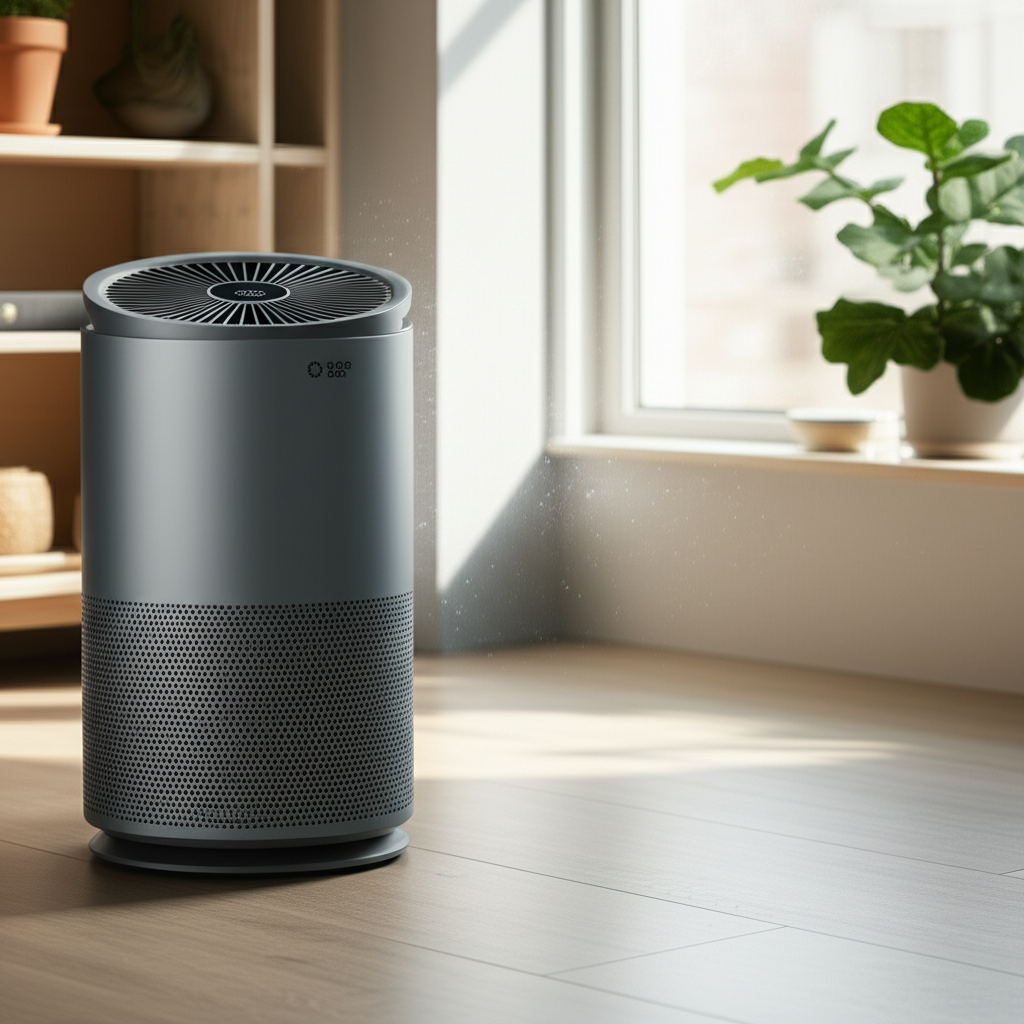
HEPA filters are the gold standard for capturing fine particles like dust. They are made of a dense mesh of randomly arranged fibers that trap particles through three main mechanisms: interception, impaction, and diffusion. This multi-faceted approach ensures that even the smallest dust motes are effectively removed from the air you breathe.
Beyond Dust: Other Airborne Particles Addressed
While we focus on the best air purifiers for dust, it’s important to note that these devices also tackle other airborne contaminants. This includes pet dander, pollen, mold spores, and even some bacteria and viruses, contributing to overall better indoor air quality.
Key Features to Look for in Dust-Fighting Air Purifiers
When selecting the best air purifiers for dust, several features are paramount. Beyond the HEPA filter, consider the unit’s coverage area, noise level, energy efficiency, and any additional filtration stages that might enhance its dust-capturing capabilities.
CADR: The Performance Metric
Clean Air Delivery Rate (CADR) is a crucial metric indicating how quickly an air purifier can clean a room of specific pollutants, including dust. Higher CADR ratings mean faster and more efficient air cleaning. Always match the CADR to your room size for optimal performance.
Room Size and Coverage Area
Ensuring the air purifier is appropriately sized for your room is vital. A unit too small will struggle to effectively remove dust, while an oversized unit might be unnecessarily noisy or power-hungry. Manufacturers typically specify the recommended room size or square footage coverage for each model.
Noise Levels: A Quiet Solution
Air purifiers operate with a fan, and the noise level can be a significant consideration, especially for bedrooms or living areas. Look for models with low decibel ratings, particularly on their lower fan speeds, and check for features like a “sleep mode” that minimizes noise and light.
Activated Carbon Filters: Odor and VOC Absorption
While not directly for dust, many of the best air purifiers for dust also incorporate activated carbon filters. These filters are excellent at absorbing odors, smoke, and volatile organic compounds (VOCs), further improving your home’s air quality and complementing the dust removal process.
Top-Rated Air Purifiers for Dust (2024)
After extensive research and considering user reviews, several models consistently stand out as the best air purifiers for dust. These are units that offer a robust combination of filtration, performance, and user-friendly features.
1. Coway Airmega AP-1512HH Mighty
The Coway Airmega AP-1512HH Mighty is often lauded as one of the best air purifiers for dust due to its excellent HEPA filtration, smart features, and compact design. Its multi-stage filtration system effectively captures dust, pollen, and other allergens.
Pros: High CADR for its size, energy-efficient, quiet operation, and air quality sensor with auto mode.
Cons: Filter replacement can be a recurring cost.
2. Levoit Core 300S Smart True HEPA Air Purifier
Levoit’s Core 300S is a popular choice, offering true HEPA filtration in a small, affordable package. It’s particularly effective for smaller rooms and provides relief from dust and other common airborne irritants.
Pros: Compact and lightweight, app control and voice assistant compatibility, and affordable filter replacements.
Cons: Best suited for smaller spaces; may struggle with very large rooms.
3. Blueair Blue Pure 211+ Auto
The Blueair Blue Pure 211+ Auto is known for its sleek design and impressive performance. Its unique HEPASilent™ technology combines electrostatic and mechanical filtration to capture dust and allergens efficiently and quietly.
Pros: High CADR, whisper-quiet operation on lower settings, and washable pre-filters for larger particles.
Cons: Larger footprint compared to some competitors.
4. Winix 5500-2 Air Purifier
The Winix 5500-2 is a well-rounded option that includes a True HEPA filter, an activated carbon filter, and PlasmaWave™ technology. It’s highly effective at removing dust and neutralizing odors.
Pros: Excellent multi-stage filtration, effective at odor removal, and good value for money.
Cons: PlasmaWave™ can produce ozone, which some users may wish to disable.
5. Honeywell HPA300 Air Purifier
For larger spaces, the Honeywell HPA300 is a powerhouse. It’s designed to capture a significant amount of dust and allergens, making it a top contender for those needing robust air purification in living rooms or open-plan areas.
Pros: High CADR, effective for large rooms, and multiple fan speeds for customization.
Cons: Can be a bit noisier on higher settings.
Understanding Different Filter Types
Air purifiers utilize various filter types, each serving a specific purpose in air purification. Knowing these can help you choose the best air purifiers for dust and your specific needs.
Pre-filters: These capture larger particles like hair and lint, extending the life of the main HEPA filter. They are often washable.
HEPA Filters: Essential for capturing fine dust, pollen, pet dander, and mold spores. True HEPA filters are the most effective.
Activated Carbon Filters: These adsorb odors, smoke, and VOCs, improving the overall freshness of the air.
UV-C Light: Some purifiers include UV-C lamps to kill airborne bacteria and viruses, though their effectiveness against dust is indirect.
* Ionizers: These release negative ions to clump particles together, making them easier to capture. However, some can produce ozone, so it’s important to choose models with ozone-free certification.
Placement and Maintenance for Optimal Dust Removal
To maximize the effectiveness of your chosen air purifier, proper placement and regular maintenance are key. Placing your unit in a central location in the room and ensuring filters are clean and replaced on schedule will ensure it continues to provide proven relief from dust.
Where to Place Your Air Purifier
For best results, place your air purifier in the room where you spend the most time or where dust accumulation is most noticeable. Keep it at least a foot or two away from walls and furniture to allow for unimpeded airflow. Avoid placing it near open windows or doors where dust can easily re-enter.
Filter Replacement Schedule
Filters have a finite lifespan and will eventually become clogged with trapped particles, reducing the purifier’s efficiency. Always follow the manufacturer’s recommendations for filter replacement. This can range from every six months to two years, depending on the filter type and the air quality in your home.
Cleaning Your Air Purifier
Regularly clean the exterior of your air purifier with a damp cloth. If your unit has a washable pre-filter, clean it according to the manufacturer’s instructions. This simple maintenance ensures your device operates efficiently and lasts longer.
When to Consider an Air Purifier for Dust
If you find yourself constantly dusting, experiencing increased allergy symptoms, or noticing a persistent layer of dust on surfaces, it’s a strong indicator that an air purifier could significantly improve your home environment. For families with young children, elderly individuals, or those with pre-existing respiratory conditions, the benefits of cleaner air are even more pronounced.
Frequently Asked Questions (FAQ)
Do air purifiers really help with dust?
Yes, the best air purifiers for dust, especially those with True HEPA filters, are highly effective at capturing airborne dust particles, significantly reducing their presence in your home.
How often should I run my air purifier?
For optimal dust removal, it’s generally recommended to run your air purifier continuously, especially in rooms where you spend a lot of time. Many models have energy-saving auto modes that adjust fan speed based on air quality.
Can an air purifier eliminate dust completely?
While air purifiers dramatically reduce airborne dust, they cannot eliminate it entirely. Dust is also present on surfaces and can be stirred up. Regular cleaning of surfaces remains important.
What is the difference between a HEPA filter and a True HEPA filter?
A True HEPA filter is certified to capture at least 99.97% of airborne particles 0.3 microns in size. “HEPA-like” or “HEPA-type” filters may not meet these stringent standards.
How do I know which air purifier is best for my room size?
Check the manufacturer’s specifications for the recommended room size or Clean Air Delivery Rate (CADR). Choose a purifier with a CADR rating appropriate for the square footage of your space.
Are air purifiers noisy?
Noise levels vary significantly by model. Look for units with low decibel ratings, especially for bedrooms, and consider those with sleep modes for quieter operation.
How often do I need to replace the filters?
Filter replacement frequency depends on the model and your home’s air quality. Typically, HEPA filters need replacing every 6-12 months, and carbon filters may need more frequent changes if you have significant odors.
Conclusion: Invest in Cleaner Air Today
Finding the best air purifiers for dust is a proactive step towards a healthier and more comfortable living space. By understanding the technology behind these devices, key features to look for, and proper maintenance, you can make an informed decision that provides lasting relief from dust and other airborne irritants. Investing in a quality air purifier is an investment in your well-being, allowing you to breathe easier and enjoy your home to the fullest.
