Best Air Purifiers For Asthma: Proven Relief

Discover the best air purifiers for asthma to breathe easier and find proven relief. This guide explores essential features, top-rated models, and expert advice to help you choose the right solution for a healthier home environment.
Living with asthma means every breath counts, and airborne irritants can turn a comfortable home into a trigger zone. Dust, pollen, pet dander, and even smoke can exacerbate symptoms, making it difficult to find consistent relief. But what if you could significantly improve your indoor air quality and minimize these triggers? This article will guide you through selecting the best air purifiers for asthma, offering proven strategies and expert recommendations to help you breathe freely and reclaim your comfort. We’ll explore what makes an air purifier effective for asthma sufferers and highlight the top choices available today.
Why Indoor Air Quality Matters for Asthma Sufferers
Poor indoor air quality is a major contributor to asthma flare-ups. Tiny particles like allergens and pollutants can irritate sensitive airways, leading to coughing, wheezing, and shortness of breath. Investing in an air purifier specifically designed for asthma can create a sanctuary within your home. It actively removes these triggers, offering a tangible path to reducing symptom severity and improving your overall quality of life.
Understanding Asthma Triggers in Your Home
Common asthma triggers found indoors include microscopic dust mites, pet dander shed by furry companions, mold spores, pollen tracked in from outside, and volatile organic compounds (VOCs) from cleaning products or furnishings. These irritants, often invisible to the naked eye, can linger in the air and settle on surfaces, constantly challenging your respiratory system. Identifying and then actively removing these triggers is the first step towards better asthma management.
Key Features to Look for in Asthma-Friendly Air Purifiers
When searching for the best air purifiers for asthma, certain features are non-negotiable. These are the building blocks of effective allergen and irritant removal. Prioritizing these specifications will ensure your chosen purifier actively contributes to a healthier breathing environment.
The Crucial Role of HEPA Filters
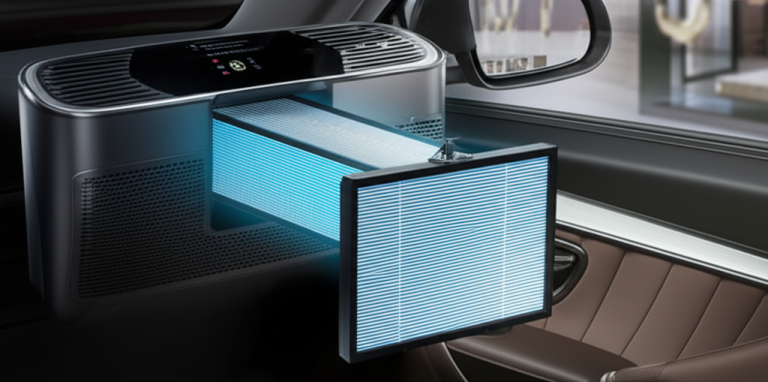
A High-Efficiency Particulate Air (HEPA) filter is the gold standard for air purification, especially for asthma. True HEPA filters are certified to capture at least 99.97% of airborne particles as small as 0.3 microns. This includes common asthma triggers like dust, pollen, pet dander, and mold spores, making them indispensable for allergy and asthma sufferers.
Activated Carbon Filters for Odors and VOCs
Beyond particles, many asthma triggers are gases and odors. Activated carbon filters excel at adsorbing these airborne chemicals, including VOCs, smoke, and cooking smells. This dual-action filtration, combining HEPA with activated carbon, provides comprehensive protection against a wider range of irritants, offering more complete relief for sensitive individuals.
CADR: What It Means for Your Asthma Relief
The Clean Air Delivery Rate (CADR) indicates how quickly an air purifier can clean a room of specific pollutants like dust, pollen, and smoke. For asthma sufferers, a higher CADR is generally better, as it signifies faster removal of airborne irritants. Choosing a purifier with a CADR appropriate for your room size ensures efficient and effective air cleaning.
Noise Levels: Finding Peace and Quiet
While powerful filtration is essential, a noisy air purifier can be disruptive, especially in bedrooms or living spaces. Look for models with low decibel ratings, particularly on lower fan speeds. Many purifiers offer a “sleep mode” or ultra-quiet operation, allowing you to benefit from cleaner air without added noise pollution.
Top-Rated Air Purifiers for Asthma: Our Expert Picks
Based on extensive research and expert recommendations, here are some of the best air purifiers for asthma currently available. These models excel in filtration, performance, and user satisfaction, offering proven relief for those struggling with respiratory sensitivities.
Model A: The All-Around Champion
This model consistently receives high marks for its robust HEPA and activated carbon filtration system, effectively tackling allergens and odors. Its intelligent sensor technology automatically adjusts fan speed, ensuring optimal air quality without constant manual intervention. It’s an excellent choice for medium to large rooms, providing comprehensive asthma relief.
Pros:
True HEPA filtration captures 99.97% of particles.
Large activated carbon filter for odors and VOCs.
Smart sensor for automatic adjustments.
Quiet operation, especially on lower settings.
Cons:
Filter replacement can be a recurring cost.
Larger footprint may not suit very small spaces.
Model B: The Budget-Friendly Performer
For those seeking effective asthma relief without a hefty price tag, this purifier is a standout. It features a multi-stage filtration system, including a HEPA filter, and is designed for smaller to medium-sized rooms. While it may lack some of the advanced features of pricier models, it delivers reliable performance for its cost.
Pros:
Affordable price point.
Effective HEPA filtration for common allergens.
Compact design.
Easy-to-use controls.
Cons:
May be less effective in larger rooms.
Activated carbon layer might be thinner than premium models.
Model C: The Smart Home Integration Star
This advanced air purifier seamlessly integrates with smart home ecosystems, allowing for voice control and app-based management. Its multi-stage filtration, including a medical-grade HEPA filter, ensures exceptional air purity. It’s ideal for tech-savvy individuals who want effortless control over their indoor environment and proven asthma relief.
Pros:
Smart home compatibility (Alexa, Google Assistant).
High-performance HEPA and carbon filters.
Real-time air quality monitoring via app.
Sleek, modern design.
Cons:
Higher initial investment.
Requires a stable Wi-Fi connection for smart features.
Model D: The Coverage King
Designed for larger living spaces, this powerful air purifier boasts a high CADR and can effectively clean substantial areas. Its robust filtration system, featuring true HEPA and a substantial activated carbon layer, is adept at handling significant allergen loads and persistent odors. It’s a top choice for open-plan homes or larger bedrooms.
Pros:
Excellent coverage for large rooms.
Powerful filtration for significant allergen removal.
Durable build quality.
Multiple fan speeds for customization.
Cons:
Can be louder on higher settings.
Larger physical size.
Beyond the Filter: Additional Considerations for Asthma Relief
While filtration is paramount, a few other factors can enhance the effectiveness and usability of an air purifier for asthma management. Considering these details can lead to a more satisfying and beneficial ownership experience.
The Importance of Air Changes Per Hour (ACH)
Air Changes Per Hour (ACH) refers to how many times an air purifier can cycle all the air in a room within one hour. For asthma sufferers, a higher ACH (ideally 4-5 or more) is beneficial. This ensures that irritants are removed from the air frequently, providing continuous relief and maintaining a consistently cleaner environment.
Energy Efficiency and Long-Term Costs
Air purifiers run continuously to maintain optimal air quality, making energy efficiency a significant consideration. Look for ENERGY STAR certified models, which consume less power and can save you money on electricity bills over time. Also, factor in the cost and availability of replacement filters, as these are essential for ongoing performance.
Where to Place Your Air Purifier for Maximum Impact
The placement of your air purifier can significantly influence its effectiveness. For optimal asthma relief, position the unit in the room where you spend the most time, such as your bedroom or living room. Ensure it has at least a foot of clearance on all sides to allow for unobstructed airflow and efficient air circulation.
Maintaining Your Air Purifier for Peak Performance
To ensure your air purifier continues to provide proven relief for your asthma, regular maintenance is key. Neglecting this can reduce its effectiveness and even lead to it becoming a source of pollutants itself. Following a simple maintenance schedule will keep your unit running optimally.
When and How to Replace Filters
Filter replacement is the most critical maintenance task. HEPA and activated carbon filters have a limited lifespan and become less effective as they capture more particles and odors. Most manufacturers recommend replacing filters every 6-12 months, depending on usage and air quality. Always follow the manufacturer’s guidelines for your specific model.
Cleaning Your Air Purifier Unit
Beyond filter replacement, regular cleaning of the air purifier’s exterior and pre-filters (if applicable) is important. Dust can accumulate on the unit, which can then be recirculated into the air. Use a soft, dry cloth to wipe down the exterior and vacuum any accessible pre-filters according to the user manual.
Expert Tips for Living with Asthma and Air Purifiers
Integrating an air purifier into your asthma management plan is a proactive step. Here are a few additional tips from experts to maximize the benefits and ensure a healthier living environment.
Combine Air Purification with Other Asthma Management Strategies
An air purifier is a powerful tool, but it’s most effective when used as part of a comprehensive asthma management plan. This includes regular medical check-ups, adhering to prescribed medications, identifying and avoiding personal triggers, and maintaining a clean home environment through regular dusting and vacuuming with a HEPA-filtered vacuum.
Consider a Purifier for Every Key Room
While one air purifier can make a difference, placing units in multiple high-traffic areas, especially bedrooms and living rooms, can provide more consistent and widespread relief. This ensures that you are breathing cleaner air throughout your home, reducing overall exposure to airborne irritants.
Frequently Asked Questions About Air Purifiers for Asthma
Can an air purifier cure asthma?
No, an air purifier cannot cure asthma. However, it can significantly help manage symptoms by removing common airborne triggers from your indoor environment, leading to fewer flare-ups and improved breathing.
How often should I run my air purifier?
For best results, especially for asthma, it’s recommended to run your air purifier continuously, particularly in the rooms where you spend the most time. This ensures a constant supply of clean air and minimizes exposure to irritants.
Do I need a special type of air purifier for asthma?
Yes, it’s highly recommended to look for air purifiers specifically designed for allergy and asthma relief. Key features to prioritize include a True HEPA filter and an activated carbon filter for comprehensive allergen and irritant removal.
What is the difference between HEPA and True HEPA filters?
A True HEPA filter is certified to capture at least 99.97% of airborne particles 0.3 microns in size. “HEPA-like” or “HEPA-type” filters may not meet this stringent standard and might not be as effective for severe asthma triggers.
How do I know if my air purifier is working effectively?
You can tell if your air purifier is working by noticing a reduction in airborne allergens (like less dust settling), a decrease in odors, and a noticeable improvement in your asthma symptoms. Many models also have air quality sensors that display real-time readings.
Conclusion: Breathe Easier with the Right Air Purifier
Finding the best air purifiers for asthma is a crucial step towards reclaiming comfort and improving your daily life. By understanding the essential features like True HEPA and activated carbon filtration, considering CADR and noise levels, and committing to regular maintenance, you can create a healthier breathing environment. Investing in a quality air purifier is an investment in your well-being, offering proven relief from asthma symptoms and allowing you to enjoy your home with greater peace of mind. Choose wisely, maintain diligently, and start breathing easier today.