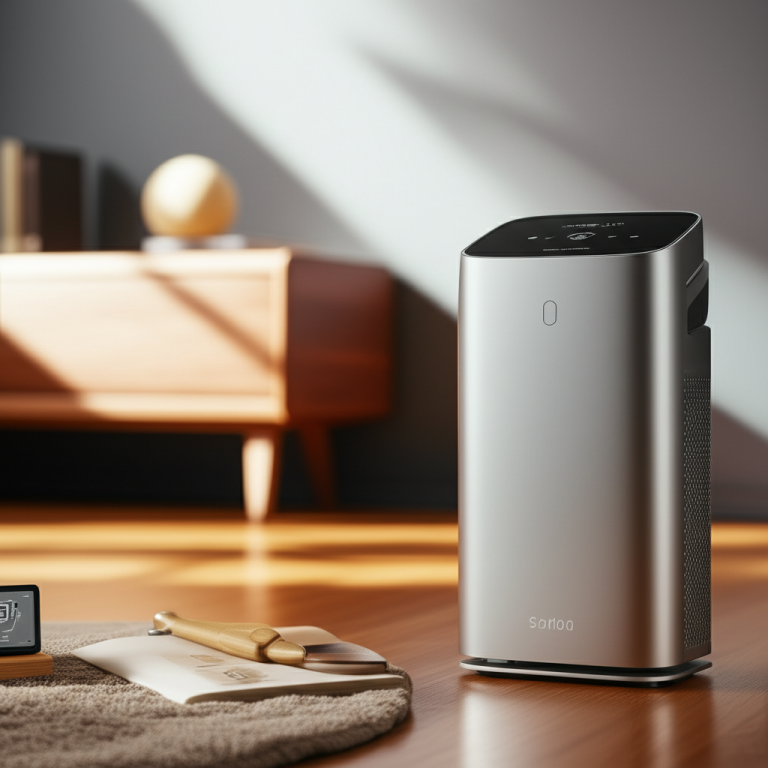
Best Air Purifiers for 2026: Essential Guide

The best air purifiers for 2025 offer advanced filtration and smart features to combat indoor allergens, pollutants, and odors, ensuring healthier breathing for everyone. This guide helps you navigate the top models and choose the perfect one for your home.
Breathing clean air indoors is more important than ever, yet many homes struggle with invisible pollutants. Dust, pet dander, pollen, smoke, and even VOCs can significantly impact your health and comfort. Finding the right air purifier can feel overwhelming with so many options available. Don’t worry, I’m here to guide you through the latest innovations and help you discover the best air purifiers for 2025. We’ll explore what truly matters and highlight models that excel in performance and value.
Why Investing in a Top Air Purifier for 2025 is Crucial
The air inside our homes can be surprisingly polluted, often worse than outdoor air. Allergens, pet dander, mold spores, and volatile organic compounds (VOCs) contribute to respiratory issues and reduce overall well-being. Investing in a quality air purifier for 2025 is a proactive step towards a healthier living environment for your family. These devices actively remove airborne contaminants, offering relief to allergy sufferers and improving general air quality.
Understanding Air Purifier Technologies: HEPA, Activated Carbon, and Beyond
Air purifiers use different technologies to clean your air, each with its strengths. True HEPA filters are the gold standard for capturing tiny particles like dust and pollen. Activated carbon filters excel at absorbing odors and gases from cooking, pets, and smoke. Some purifiers also use UV-C light to neutralize germs or ionizers to attract particles, though it’s wise to be aware of potential ozone production with some ionizer models.
True HEPA Filters: The Foundation of Clean Air

True HEPA (High-Efficiency Particulate Air) filters are designed to trap at least 99.97% of airborne particles 0.3 microns in size. This includes common allergens like pollen, dust mites, pet dander, and mold spores. For those with allergies or asthma, a True HEPA filter is non-negotiable. Ensuring your chosen model boasts this certification means it’s highly effective against microscopic irritants.
Activated Carbon Filters: Tackling Odors and Gases
While HEPA filters capture particles, activated carbon filters are your best defense against odors and gases. These filters are made from charcoal treated to be extremely porous, allowing them to adsorb a wide range of airborne chemicals. If you deal with cooking smells, pet odors, or smoke, an activated carbon filter is essential. Look for models with substantial carbon filters for maximum odor-fighting power.
Other Filtration Methods: UV-C and Ionizers
UV-C light technology uses ultraviolet radiation to kill bacteria, viruses, and mold spores. Ionizers release negative ions that attach to airborne particles, causing them to clump together and fall out of the air or stick to surfaces. While effective, some ionizers can produce small amounts of ozone, which can be an irritant for sensitive individuals. Always check for certifications like CARB (California Air Resources Board) if ozone is a concern.
Key Factors When Choosing the Best Air Purifiers for 2025
Selecting the right air purifier involves considering several factors beyond just filtration type. Room size, noise level, energy efficiency, and maintenance costs all play a role in finding the best fit for your home and lifestyle. A powerful unit might be overkill for a small bedroom, while an underpowered one won’t effectively clean a large living area.
CADR: Measuring Performance for Your Space
Clean Air Delivery Rate (CADR) is a crucial metric that indicates how quickly an air purifier can clean a room. It’s measured for three pollutants: dust, pollen, and smoke. A higher CADR means faster air cleaning. Manufacturers often provide room size recommendations based on CADR; aim for a unit that can clean your room several times per hour for optimal effectiveness.
Room Size and ACH: Matching Power to Your Needs
The ideal air purifier should be sized appropriately for the room it will occupy. Air Changes per Hour (ACH) refers to how many times the purifier can circulate and clean the entire volume of air in a room within one hour. For general use, 3-5 ACH is good, but for allergy or asthma sufferers, aiming for 5+ ACH is often recommended. Always check the manufacturer’s recommended room size.
Noise Levels: Finding Peace and Quiet
Air purifiers operate with a fan, which naturally produces noise. This can be a significant factor, especially for bedrooms or quiet living spaces. Look for models that specify their decibel (dB) levels, particularly on lower settings. Many modern purifiers offer quiet or sleep modes that reduce fan speed and noise significantly, making them less intrusive.
Energy Efficiency and Running Costs
Air purifiers run continuously to maintain air quality, so energy consumption is an important consideration. Look for Energy Star certified models, which meet strict energy efficiency guidelines set by the EPA. While the initial purchase price is one cost, factor in the ongoing expense of replacement filters. Some filters last longer than others, impacting long-term value.
Top Picks for the Best Air Purifiers for 2025
After extensive research and analysis, here are some of the best air purifiers for 2025 that stand out for their performance, features, and value. These models cater to various needs, from small apartments to larger homes, and address common indoor air quality concerns.
1. Coway Airmega 200M: All-Around Excellence
The Coway Airmega 200M is a consistently top-rated air purifier known for its robust performance and user-friendly design. It features a multi-stage filtration system including a True HEPA filter and an activated carbon filter, effectively tackling a wide range of pollutants. Its smart features, like an air quality sensor and auto mode, make operation effortless.
Pros: Excellent filtration, quiet operation, intuitive auto mode, attractive design.
Cons: Filter replacement cost can be a consideration.
Best For: Medium to large rooms, general air purification needs, allergy sufferers.
2. Levoit Core 300S: Compact Powerhouse
For smaller spaces or budget-conscious buyers, the Levoit Core 300S offers impressive performance in a compact package. It utilizes a three-stage filtration system, including a True HEPA filter, and is known for its quiet operation. The smart version (Core 300S) adds app control and voice assistant compatibility, making it a modern choice.
Pros: Affordable, quiet, effective for its size, smart capabilities (300S model).
Cons: Best suited for smaller rooms, carbon filter is less robust than larger models.
Best For: Bedrooms, dorm rooms, small apartments, those on a budget.
3. Blueair HealthProtect: Advanced Smart Features
Blueair is renowned for its innovative air purification technology, and the HealthProtect series is no exception. These units often combine HEPA filtration with specialized technologies like HEPASilent Ultra, which captures ultra-fine particles and neutralizes germs. Smart connectivity allows for remote control and air quality monitoring via an app.
Pros: Superior filtration technology, high CADR, smart home integration, sleek design.
Cons: Higher price point, proprietary filters.
Best For: Larger living areas, health-conscious individuals, tech-savvy users.
4. Winix 5500-2: Value and Performance
The Winix 5500-2 remains a popular choice due to its excellent balance of performance and affordability. It features a True HEPA filter, an activated carbon filter, and Winix’s PlasmaWave technology, which can be turned on or off. This model is effective at removing allergens, odors, and pollutants from medium to large rooms.
Pros: Great value for money, effective multi-stage filtration, auto mode, quiet operation.
Cons: PlasmaWave technology can produce ozone (though minimal and often switchable).
Best For: Living rooms, bedrooms, general household use, budget-friendly performance.
5. Dyson Purifier Cool Formaldehyde: Multi-Functional Innovation
Dyson’s purifiers are known for their distinctive designs and multi-functional capabilities. The Purifier Cool Formaldehyde models go beyond standard air purification by actively detecting and destroying formaldehyde, a common and harmful indoor pollutant. They also function as fans, offering cooling during warmer months.
Pros: Detects and destroys formaldehyde, doubles as a fan, sleek design, app control.
Cons: Premium price, specialized filters.
Best For: Homes with concerns about formaldehyde, users seeking a multi-functional device, modern aesthetics.
How to Maximize Your Air Purifier’s Effectiveness
Simply buying a great air purifier isn’t enough; proper placement and maintenance are key to ensuring it works optimally. Understanding how to get the most out of your investment will lead to cleaner air and better health outcomes. Regular filter changes and thoughtful positioning make a significant difference.
Placement Matters: Where to Put Your Air Purifier
For best results, place your air purifier in the room where you spend the most time, such as the bedroom or living room. Ensure there’s adequate space around the unit for air to circulate freely; avoid placing it directly against walls or furniture. If you have specific areas with higher pollution, like near a kitchen or pet’s sleeping area, consider placing it there.
Filter Maintenance: The Key to Ongoing Performance
Air purifiers rely on their filters to trap pollutants, so replacing them on schedule is critical. Most manufacturers recommend replacing HEPA and carbon filters every 6-12 months, depending on usage and air quality. Ignoring filter replacement will reduce the purifier’s effectiveness and can even lead to it recirculating dust. Check your owner’s manual for specific recommendations.
Understanding Air Quality Indicators
Many modern air purifiers come equipped with sensors that monitor indoor air quality in real-time. These indicators often display a color-coded light or a numerical value representing the level of pollutants. This feedback allows you to see the purifier in action and helps you understand when air quality is compromised, such as during cooking or when pollen counts are high.
Frequently Asked Questions About Air Purifiers
Here are answers to some common questions beginners have about air purifiers.
Q1: Do air purifiers really work?
Yes, effective air purifiers with True HEPA filters can significantly reduce airborne allergens, dust, smoke, and other pollutants, leading to improved air quality and potential relief for respiratory issues.
Q2: How often should I run my air purifier?
For continuous benefits, it’s recommended to run your air purifier 24/7, especially in areas where air quality is a concern or during allergy seasons. Many models have energy-saving auto modes.
Q3: Can an air purifier help with pet odors?
Yes, air purifiers with activated carbon filters are very effective at absorbing and neutralizing pet odors, as well as other common household smells.
Q4: What’s the difference between HEPA and True HEPA?
“HEPA-like” or “HEPA-type” filters may not meet the strict standards of a “True HEPA” filter, which must capture at least 99.97% of particles 0.3 microns in size. Always look for “True HEPA” for maximum particle filtration.
Q5: How do I know what size air purifier I need?
Check the manufacturer’s recommended room size and CADR (Clean Air Delivery Rate) for the specific model. Ensure the CADR is high enough to clean your room several times per hour (aim for 3-5 ACH).
Conclusion: Breathe Easier with the Best Air Purifiers for 2025
Choosing the best air purifiers for 2025 is a powerful investment in your health and comfort. By understanding filtration technologies, key performance metrics like CADR and ACH, and considering your specific needs, you can find a unit that effectively cleans your air. Whether you’re battling allergies, neutralizing odors, or simply seeking a fresher living space, the right air purifier will make a noticeable difference. Prioritize models with True HEPA filters, consider activated carbon for odors, and ensure proper sizing for your room. With these insights, you’re well-equipped to select a top-performing air purifier for a healthier home in 2025 and beyond.