
Best Air Purifier With Fan: Proven Clean Air

Discover the best air purifier with fan to combat allergens, odors, and pollutants, ensuring a healthier living environment with efficient air circulation and purification. This guide provides expert insights and top recommendations for achieving proven clean air.
Breathing fresh, clean air indoors is crucial for our well-being, yet many homes struggle with airborne contaminants. Dust, pollen, pet dander, and even VOCs can trigger allergies and impact respiratory health, making the air feel stuffy or unpleasant. Finding the right solution can seem overwhelming, but a powerful combination of air purification and fan circulation offers a direct path to a healthier atmosphere. This guide will walk you through everything you need to know to find the best air purifier with fan for your needs.
Why Combine an Air Purifier and a Fan?
Combining an air purifier with a fan offers a dual benefit: it actively cleans the air while simultaneously circulating it throughout your space. This ensures that purified air reaches all corners of the room, rather than just lingering near the unit. It’s an efficient way to tackle both air quality and room comfort simultaneously.
This integrated approach is especially beneficial in larger rooms or areas with poor ventilation. The fan component helps to distribute purified air more effectively, reducing stagnant zones where pollutants can accumulate. It’s a smart strategy for creating a consistently fresh and healthy indoor environment.
The Synergy of Purification and Circulation
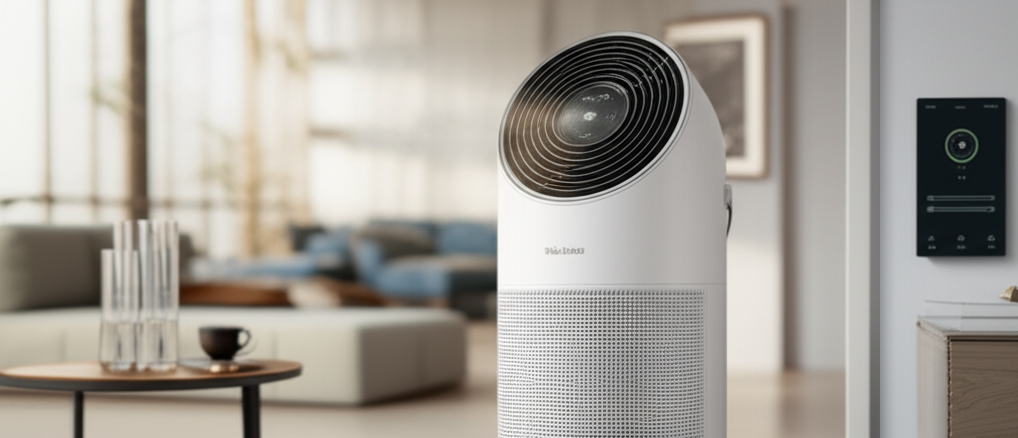
An air purifier with an integrated fan works by drawing in air, passing it through a multi-stage filtration system, and then expelling clean air. The fan’s role is critical in this process, ensuring that the newly purified air is propelled outwards, mixing with the existing room air. This constant circulation prevents the build-up of allergens and other harmful particles.
This combined functionality means you don’t need separate devices for air cleaning and air movement. It streamlines your home’s air quality management, saving space and potentially energy. For those sensitive to air quality, this synergy is a game-changer.
Key Features to Look for in the Best Air Purifier with Fan
When selecting the best air purifier with fan, several features are paramount for optimal performance and user satisfaction. Prioritizing these aspects will lead you to a unit that effectively addresses your specific air quality concerns and room needs. Understanding these components ensures you make an informed purchase.
Consider the Clean Air Delivery Rate (CADR), filter types, coverage area, noise levels, and energy efficiency. These elements collectively determine how well the unit performs and integrates into your daily life. A well-chosen unit will quietly and effectively improve your indoor air.
Understanding HEPA Filters and Activated Carbon
High-Efficiency Particulate Air (HEPA) filters are essential for capturing microscopic particles like dust, pollen, pet dander, and mold spores. Look for True HEPA filters, which are certified to remove at least 99.97% of airborne particles 0.3 microns in size. This is a critical benchmark for effective air purification.
Activated carbon filters work in tandem with HEPA filters to tackle odors, gases, and Volatile Organic Compounds (VOCs) from sources like cooking, cleaning products, and furniture. The porous nature of activated carbon traps these airborne chemicals, leaving your air smelling fresher. Many of the best air purifier with fan models incorporate both for comprehensive air cleaning.
CADR: The Engine of Air Purification
The Clean Air Delivery Rate (CADR) is a standardized measure of how quickly an air purifier can clean a room of specific pollutants: smoke, dust, and pollen. Higher CADR ratings indicate faster and more effective air cleaning. It’s a crucial metric for determining if a unit is suitable for your room size.
For example, a higher CADR for smoke means the purifier is excellent at removing fine particulate matter. Always match the CADR rating to the recommended room size for the best results. Websites like the Association of Home Appliance Manufacturers (AHAM) provide valuable CADR information.
Coverage Area and Room Size Considerations
Every air purifier is designed for a specific room size, usually indicated in square feet. Choosing a unit that matches or slightly exceeds your room’s dimensions is vital for effective purification. An undersized unit will struggle to clean the air adequately, while an oversized one might be unnecessarily noisy or costly.
To determine the right size, measure your room and compare it to the manufacturer’s specifications. Consider the number of air changes per hour (ACH) the unit provides; a higher ACH means the air is filtered more frequently, leading to better quality. For bedrooms, aim for at least 4-5 ACH.
Noise Levels and Fan Speeds
Air purifiers with fans can generate noise, especially at higher fan speeds. This is an important consideration, particularly if you plan to use the unit in a bedroom or office. Look for models that offer multiple fan speeds, including a quiet or “sleep” mode for nighttime use.
Decibel (dB) ratings provide a measure of the noise level. A lower dB rating is preferable for quieter operation. Many units operate below 50 dB on lower settings, which is comparable to a quiet conversation. The best air purifier with fan will strike a balance between powerful performance and unobtrusive operation.
Energy Efficiency and Operating Costs
Running an air purifier continuously can impact your electricity bill. Look for Energy Star certified models, which are designed to be more energy-efficient. These units use less power without compromising on their air cleaning capabilities.
Consider the cost of replacement filters as well. Some filters need to be replaced every 6-12 months, while others last longer. Factor these ongoing costs into your overall budget when choosing the best air purifier with fan for your home.
Top Picks: The Best Air Purifier with Fan Models
Based on performance, features, and user reviews, here are some of the top-rated air purifiers that effectively combine fan circulation with robust air purification. I’ve considered various needs, from small apartments to larger living spaces. My aim is to highlight units that deliver proven clean air.
These selections represent a range of budgets and functionalities, ensuring there’s an excellent option for almost everyone seeking to improve their indoor air quality. Each model has been chosen for its reliability and effectiveness in real-world conditions.
1. Coway Airmega 200M: A Powerful All-Rounder
The Coway Airmega 200M is consistently praised for its effective multi-stage filtration system, including a True HEPA filter and an activated carbon filter. Its fan is powerful yet surprisingly quiet on lower settings, efficiently circulating purified air throughout medium to large rooms.
It features an air quality sensor that automatically adjusts fan speed based on detected pollution levels, making it a smart and energy-efficient choice. The filter replacement indicator ensures you always know when it’s time for maintenance, simplifying upkeep.
2. Levoit Core 300S: Compact Powerhouse for Smaller Spaces
For smaller rooms or apartments, the Levoit Core 300S offers excellent value. Despite its compact size, it boasts a 3-stage filtration system, including a True HEPA filter, capable of capturing 99.97% of airborne particles. The fan is designed to provide effective air circulation within its recommended coverage area.
Its quiet operation, especially on the lowest setting, makes it ideal for bedrooms. The Levoit Core 300S also offers smart features like app control and voice command compatibility, adding convenience to its impressive performance.
3. Dyson Purifier Cool TP07: Advanced Technology and Design
The Dyson Purifier Cool TP07 is a premium option that excels in both purification and fan functionality. It features a fully sealed HEPA and activated carbon filtration system, capturing 99.97% of allergens and pollutants. Its bladeless fan technology provides a powerful, smooth stream of purified air, doubling as an effective cooling fan.
This model is renowned for its sleek design, advanced sensors, and intelligent reporting via the Dyson Link app. It offers a sophisticated solution for those seeking high performance and modern aesthetics in their best air purifier with fan choice.
4. Blueair Blue Pure 211+ Auto: High Performance, Low Maintenance
The Blueair Blue Pure 211+ Auto is known for its high CADR and energy efficiency. It utilizes a unique combination of electrostatic and mechanical filtration (HEPASilent™ technology) to capture particles, while its large fan ensures excellent air circulation. This model is designed for larger rooms.
Its standout feature is the washable fabric pre-filter, available in various colors, which captures larger particles and prolongs the life of the main filter. The “Auto” mode automatically adjusts fan speed based on real-time air quality monitoring, providing hassle-free operation.
5. Winix 5500-2: Budget-Friendly with Smart Features
The Winix 5500-2 is a popular choice for its balance of performance, features, and affordability. It includes a True HEPA filter, an activated carbon filter, and PlasmaWave™ technology, which breaks down airborne pollutants. The fan effectively circulates air in medium to large rooms.
Its auto mode and air quality sensor make it a user-friendly option, automatically adjusting settings as needed. This unit provides excellent value, making it a strong contender for the best air purifier with fan on a budget.
How to Maximize the Benefits of Your Air Purifier with Fan
To get the most out of your best air purifier with fan, strategic placement and regular maintenance are key. Understanding how to optimize its performance will ensure you consistently enjoy the benefits of clean, fresh air.
Proper usage can significantly enhance its effectiveness and longevity. Follow these simple tips to ensure your unit operates at peak efficiency, providing you with proven clean air day after day.
Strategic Placement for Optimal Airflow
Place your air purifier with fan in a location where it can draw in air freely and distribute purified air effectively. Avoid placing it directly against walls or furniture, as this can obstruct airflow and reduce its efficiency. Central locations in the room often work best.
Consider placing it in areas where air quality is most critical, such as bedrooms or living rooms where you spend the most time. Ensure the unit is on a stable, level surface to prevent vibrations and noise.
Regular Filter Maintenance is Crucial
The effectiveness of your air purifier hinges on the condition of its filters. Regularly check and clean or replace the filters according to the manufacturer’s instructions. A clogged filter cannot capture pollutants effectively and can even reduce airflow.
Many models have filter replacement indicators, but it’s good practice to visually inspect them periodically. Using genuine replacement filters will ensure the best performance and fit for your specific model.
Utilizing Different Fan Speeds
Take advantage of the different fan speed settings to manage noise levels and purification intensity. Use higher settings when air quality is a concern (e.g., during cooking or when pets are active) and lower settings for continuous, quiet operation.
The “auto” mode on many units intelligently adjusts fan speed, so leveraging this feature can provide a good balance between purification needs and energy conservation. This flexibility is a key advantage of a good air purifier with fan.
Troubleshooting Common Air Purifier Issues
Even the best air purifier with fan can sometimes encounter minor issues. Knowing how to troubleshoot these common problems can save you time and ensure your unit continues to provide clean air without interruption.
Most issues are easily resolved with a few simple steps. Understanding these common snags can help you maintain consistent performance and peace of mind.
Unit Not Turning On
First, ensure the unit is properly plugged into a working electrical outlet. Check if the power cord is securely connected to the purifier. If the problem persists, consult the user manual for specific troubleshooting steps or contact customer support.
Reduced Airflow or Purification Effectiveness
This is often due to clogged filters. Check your filters; if they appear dirty, clean or replace them as per the manufacturer’s instructions. Also, ensure there are no obstructions around the air intake or outlet vents.
Unusual Noises
Some noise is normal, especially at higher fan speeds. However, rattling or grinding sounds could indicate an issue. Ensure the unit is on a stable surface and that all filter components are correctly installed. If the noise is persistent or concerning, contact the manufacturer.
Frequently Asked Questions (FAQ)
Q1: How often should I replace the filters in my air purifier with fan?
A: Filter replacement frequency varies by model and usage, but typically True HEPA and activated carbon filters need replacement every 6-12 months. Always check your manufacturer’s manual for specific recommendations.
Q2: Can an air purifier with a fan help with allergies?
A: Absolutely. By capturing allergens like pollen, dust mites, and pet dander with its HEPA filter, an air purifier significantly reduces allergy triggers in your home, making it easier to breathe.
Q3: Is it better to have a separate air purifier and fan or an all-in-one unit?
A: An all-in-one unit is generally more space-saving and convenient. It ensures purified air is actively circulated, leading to more consistent air quality throughout the room.
Q4: How do I know which room size my air purifier is suitable for?
A: Manufacturers specify the recommended room coverage area (in square feet) for each model. It’s best to choose a unit that matches or slightly exceeds your room’s dimensions for optimal performance.
Q5: Can an air purifier with a fan help with odors?
A: Yes, units equipped with activated carbon filters are excellent at absorbing and neutralizing odors from cooking, pets, smoke, and other sources, leaving your air smelling fresh.
Q6: Are air purifiers with fans noisy?
A: Noise levels vary by model and fan speed. Most units have multiple speed settings, including a quiet “sleep” mode for nighttime use, making them unobtrusive for bedrooms.
Conclusion: Breathe Easier with the Right Air Purifier and Fan
Investing in the best air purifier with fan is a proactive step towards a healthier living environment. By effectively combining air purification technology with efficient air circulation, these devices tackle airborne pollutants, allergens, and odors, ensuring you and your family can breathe easier. Remember to consider key features like HEPA filtration, CADR ratings, room coverage, and noise levels when making your choice.
I hope this comprehensive guide has provided you with the insights needed to select the perfect air purifier with fan for your home. Prioritizing proven clean air is an investment in your well-being. Enjoy the benefits of fresher, healthier air every day!
