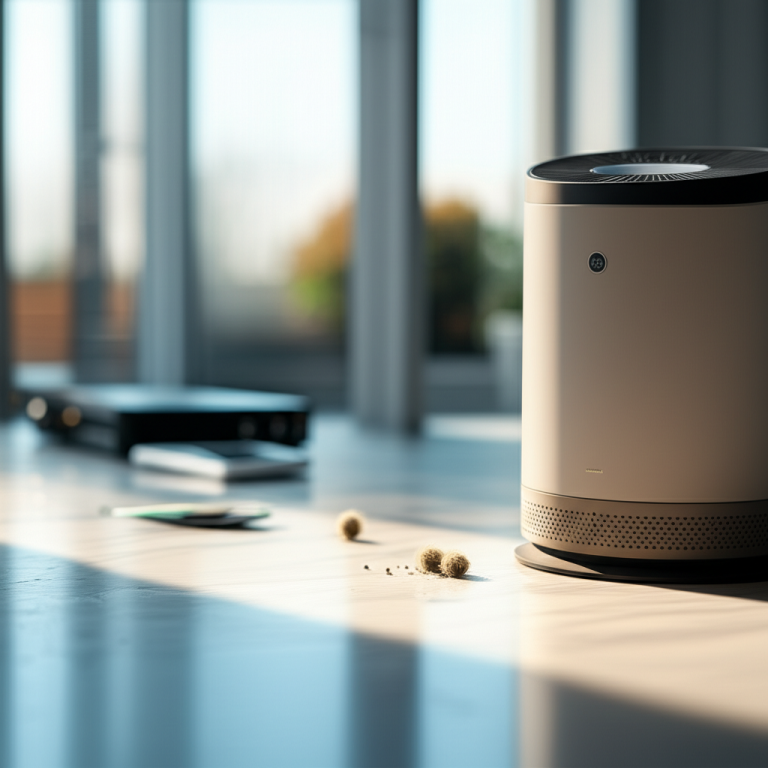
Best Air Purifier VOC: Proven Essential for Clean Air

Discover the best air purifier VOC solutions to significantly improve your indoor air quality. This guide details how VOCs impact health and which purifiers are most effective at removing these harmful chemicals for a healthier home environment.
The air in our homes can be surprisingly polluted, often harboring invisible threats like Volatile Organic Compounds (VOCs). These chemicals, released from common household items, can trigger headaches, respiratory issues, and long-term health concerns. Finding the right solution is crucial for creating a healthier living space. This article will guide you through understanding VOCs and identifying the best air purifier VOC technology to ensure your family breathes cleaner, safer air.
Understanding Volatile Organic Compounds (VOCs) and Their Impact
VOCs are gases emitted from various products and processes, often contributing to indoor air pollution. They can come from paints, cleaning supplies, furniture, and even everyday items like air fresheners. Recognizing their presence is the first step towards mitigating their effects.
What Exactly Are VOCs?

Volatile Organic Compounds are a large group of carbon-containing chemicals that easily evaporate at room temperature. They are found in a vast array of common household products, making our indoor environments potential reservoirs for these substances. Many have a strong odor, while others are odorless, making them insidious.
Common Sources of VOCs in Your Home
From the fresh scent of new carpet to the disinfecting power of cleaning sprays, VOCs are ubiquitous. Common culprits include aerosol sprays, paints and lacquers, cleaning supplies, air fresheners, moth repellents, and even stored fuels and automotive products. Even natural items like mold can release VOCs.
Health Risks Associated with VOC Exposure
Short-term exposure to high levels of VOCs can cause irritation to the eyes, nose, and throat, as well as headaches and nausea. Longer-term exposure may lead to more serious health problems, including damage to the liver, kidneys, and central nervous system. Some VOCs are known or suspected carcinogens.
Why a Specialized Air Purifier is Essential for VOC Removal
Standard air purifiers might tackle dust and allergens, but effectively removing VOCs requires specific technology. VOCs are gaseous pollutants, and only certain filter types can capture them. Investing in a purifier designed for chemical filtration is key to achieving truly clean air.
The Limitations of Basic Air Filtration
Many common air purifiers rely on HEPA filters, which are excellent for capturing particulate matter like dust, pollen, and pet dander. However, HEPA filters are not designed to trap gases or odors, meaning they are largely ineffective against VOCs. This leaves your air vulnerable to chemical pollutants.
The Power of Activated Carbon for VOCs
Activated carbon is the undisputed champion when it comes to adsorbing VOCs. This highly porous material has an enormous surface area, allowing it to trap gas molecules effectively. When air passes through an activated carbon filter, VOCs bind to its surface, removing them from circulation.
Beyond Carbon: Other Technologies for VOC Control
While activated carbon is primary, some advanced air purifiers combine it with other technologies. Photocatalytic oxidation (PCO) and UV light can also help break down VOCs, though they sometimes produce ozone as a byproduct. It’s crucial to choose purifiers that manage or eliminate ozone production.
Key Features to Look for in the Best Air Purifier VOC
When selecting an air purifier specifically for VOCs, certain features stand out. Prioritize models with substantial activated carbon filters, efficient pre-filters, and certifications that validate their performance. Understanding these aspects will help you make an informed decision for your home.
Filter Type and Capacity: The Crucial Difference
The most important factor is the presence and amount of activated carbon. Look for purifiers with a thick, dense carbon filter, often measured in pounds or kilograms. A larger carbon bed means more surface area for adsorption, leading to longer filter life and more effective VOC removal.
Pre-Filters: The First Line of Defense
A good pre-filter captures larger particles like dust and hair before they reach the main filters. This extends the life of the activated carbon and HEPA filters, ensuring your purifier remains effective for longer. A washable pre-filter is a convenient and cost-effective option.
CADR and Room Size Considerations
While CADR (Clean Air Delivery Rate) is primarily for particulate matter, it’s still a useful metric. Ensure the purifier’s CADR is appropriate for the size of the room you intend to use it in. For VOCs, however, focus more on the carbon filter capacity relative to room volume.
Noise Levels and Energy Efficiency
Air purifiers run continuously, so noise levels are important, especially for bedrooms or living areas. Look for models with low decibel ratings on lower settings. Energy efficiency is also a consideration for long-term running costs.
Certifications and Third-Party Testing
Look for independent certifications like AHAM (Association of Home Appliance Manufacturers) Verified for CADR and Energy Star ratings. For VOCs, specific testing by organizations like the California Air Resources Board (CARB) can indicate a purifier’s effectiveness and ozone-free operation.
Top Picks: Best Air Purifier VOC Models for Your Home
Based on extensive research and user reviews, several models consistently perform well in tackling VOCs. I’ve evaluated them based on their carbon filter capacity, overall performance, and value for money. These options represent some of the best air purifier VOC solutions available.
Coway Airmega 400S: A Powerful All-Rounder
The Coway Airmega 400S is renowned for its robust filtration system, featuring a substantial activated carbon filter. It effectively captures a wide range of pollutants, including VOCs, while offering smart features and excellent coverage for large rooms. Its multi-stage filtration ensures comprehensive air cleaning.
Blueair Classic 405: Swedish Design Meets Performance
Blueair purifiers are known for their sleek design and efficient performance. The Classic 405 utilizes a combination of mechanical and electrostatic filtration, coupled with a substantial activated carbon filter, making it highly capable of removing VOCs and other gaseous pollutants. It’s a quieter option for many homes.
Levoit Core 300S: Compact and Effective for Smaller Spaces
For those with smaller rooms or a tighter budget, the Levoit Core 300S offers a compelling solution. It features a three-stage filtration system that includes a dedicated activated carbon filter, proving effective at reducing VOCs in its coverage area. Its compact size makes it easy to place anywhere.
Winix 5500-2: A Smart Choice with PlasmaWave Technology
The Winix 5500-2 is a popular choice due to its comprehensive filtration and the inclusion of PlasmaWave technology. While PlasmaWave can be turned off if preferred, the unit’s substantial activated carbon filter is highly effective at neutralizing VOCs. It offers excellent value and performance for medium to large rooms.
How to Maximize VOC Removal with Your Air Purifier
Simply owning an air purifier isn’t enough; proper usage and maintenance are key to ensuring it effectively combats VOCs. By following these tips, you can maximize the performance of your chosen unit and enjoy cleaner air.
Proper Placement is Key
Place your air purifier in the room where you spend the most time, or where VOC sources are most concentrated. Ensure there’s adequate space around the unit for air to circulate freely. Avoid placing it in corners or behind furniture, which can impede airflow.
Regular Filter Maintenance and Replacement
Activated carbon filters have a finite lifespan; they become saturated with pollutants over time and lose their effectiveness. Follow the manufacturer’s recommendations for cleaning pre-filters and replacing both the carbon and HEPA filters. Neglecting this can turn your purifier into a less effective, or even a source of, stale air.
Understanding Filter Saturation
The rate at which your carbon filter saturates depends on the level of VOCs in your air. If you notice odors returning or the air quality not improving, it’s likely time for a filter change. Some advanced models have indicators to alert you when filters need attention.
Complementary Strategies for Reducing VOCs
While an air purifier is essential, it’s also wise to reduce VOC sources at their origin. Opt for low-VOC paints and finishes, choose natural cleaning products, and ensure good ventilation when using products that emit chemicals. Ventilating your home regularly by opening windows can significantly reduce indoor VOC levels.
Comparing Air Purifier Technologies for VOCs
Different air purification technologies offer varying degrees of effectiveness against VOCs. Understanding these differences helps in selecting the best air purifier VOC solution tailored to your specific needs.
Activated Carbon vs. Other Adsorbent Materials
Activated carbon is the gold standard for VOC adsorption due to its high surface area and cost-effectiveness. Other materials like activated alumina or zeolites can also adsorb certain VOCs, but activated carbon remains the most versatile and widely used for general household VOC removal.
The Role of HEPA Filters
HEPA (High-Efficiency Particulate Air) filters are designed to capture airborne particles, not gases. While crucial for removing dust, pollen, and dander, they do not significantly impact VOCs. A good VOC air purifier will always include a HEPA filter alongside a substantial carbon filter.
Ionizers and Ozone Production Concerns
Ionizers release charged ions into the air, which can cause particles to clump together and fall out of the air. While some ionizers may help with VOCs, they can also produce ozone as a byproduct. Ozone is a lung irritant, so it’s best to opt for purifiers that are certified ozone-free or allow you to disable ionization.
Photocatalytic Oxidation (PCO)
PCO technology uses UV light and a catalyst (like titanium dioxide) to break down VOCs. It can be effective but sometimes produces harmful byproducts, including ozone and formaldehyde, if not properly designed and maintained. Careful consideration and manufacturer transparency are needed with PCO units.
Table: VOC Removal Effectiveness of Different Filter Types
| Filter Type | Effectiveness Against VOCs | Primary Function | Notes |
| :—————– | :————————- | :——————————————— | :——————————————————— |
| Activated Carbon | Excellent | Adsorbs gaseous pollutants and odors | Most crucial for VOC removal; capacity matters. |
| HEPA Filter | Poor | Captures particulate matter (dust, pollen) | Essential for overall air quality, but not for VOCs. |
| Washable Pre-Filter | None | Captures larger particles (hair, lint) | Extends life of main filters; easy maintenance. |
| Ionizer | Variable, potential risk | Charges particles; can produce ozone | Choose ozone-free or disable ionization for safety. |
| PCO | Variable, potential risk | Breaks down VOCs with UV light; can produce ozone | Requires careful design to avoid harmful byproducts. |
Frequently Asked Questions About Best Air Purifier VOC
What is the most effective type of filter for removing VOCs?
The most effective filter for removing VOCs is activated carbon. Its porous structure allows it to trap gas molecules from the air through a process called adsorption.
How much activated carbon do I need in an air purifier for VOCs?
For effective VOC removal, look for an air purifier with a substantial amount of activated carbon, ideally several pounds. A larger carbon bed provides more surface area for adsorption and lasts longer.
Can a HEPA filter remove VOCs?
No, HEPA filters are designed to capture particulate matter like dust, pollen, and pet dander. They are not effective at removing gaseous pollutants like VOCs.
How often do I need to replace the activated carbon filter?
Replacement frequency varies depending on the purifier model and the level of VOCs in your air. Manufacturers typically recommend replacement every 6-12 months, but this can be sooner in heavily polluted environments.
Are there any health risks associated with air purifiers that claim to remove VOCs?
Some air purifiers, particularly those using ionizers or PCO technology without proper safeguards, can produce ozone, which is a lung irritant. Always choose certified ozone-free models or those that allow you to disable potentially harmful technologies.
What are the signs that my air purifier is not effectively removing VOCs?
If you still notice persistent odors, chemical smells, or experience symptoms like headaches and respiratory irritation in your home, your air purifier may need a filter change or might not be powerful enough for your environment.
Can I add extra activated carbon to my existing air purifier?
While some purifiers have accessible carbon pre-filters that can be replaced with a more robust option, simply adding loose carbon is generally not recommended and can damage the unit or impede airflow. Always use filters designed for your specific model.
Conclusion: Breathing Easier with the Right Air Purifier for VOCs
Investing in the best air purifier VOC removal capabilities is a proactive step towards safeguarding your health and creating a truly clean indoor environment. By understanding the sources of VOCs and the technologies that effectively neutralize them, you can make an informed choice. Prioritize models with substantial activated carbon filters, proper certifications, and consider your room size and specific needs. With the right air purifier, you can significantly reduce your exposure to harmful chemicals and enjoy the peace of mind that comes with breathing cleaner, healthier air.