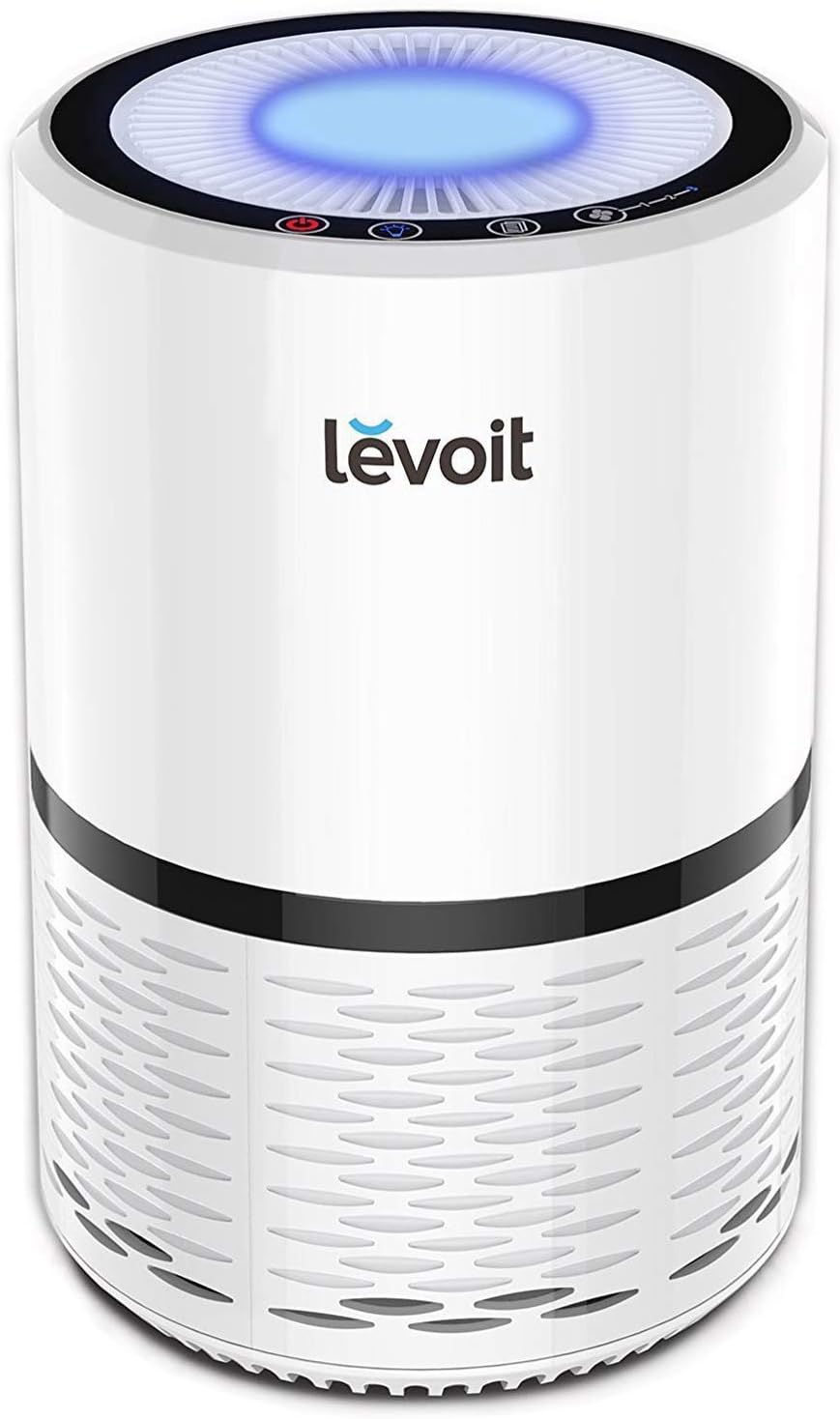
Best Air Purifier To Buy: Proven Clean Air Essential

Looking for the best air purifier to buy? This guide simplifies your search, highlighting essential features, top-rated models, and how to choose the perfect unit for cleaner, healthier air at home. Discover proven clean air essentials for your peace of mind.
Breathing cleaner air at home isn’t just a luxury; it’s a vital part of maintaining good health. Many of us worry about invisible pollutants lurking in our living spaces, from dust and pet dander to allergens and even viruses. Finding the right air purifier can feel overwhelming with so many options available. This guide will cut through the confusion, helping you understand what truly matters when selecting the best air purifier to buy for your needs. We’ll explore the technology, the key features, and how to make an informed decision for a healthier home environment.
Why Investing in the Best Air Purifier to Buy Matters for Your Health
An air purifier is more than just an appliance; it’s an investment in your well-being. It actively removes airborne contaminants that can trigger allergies, asthma, and other respiratory issues. By filtering out pollutants like pollen, mold spores, smoke, and volatile organic compounds (VOCs), it creates a sanctuary of cleaner air. This can lead to improved sleep, reduced allergy symptoms, and a general sense of well-being for everyone in your household.
Understanding Air Purifier Technology: HEPA and Beyond
The heart of most effective air purifiers lies in their filtration system. The most crucial component is the High-Efficiency Particulate Air (HEPA) filter, a standard recognized for its ability to capture at least 99.97% of airborne particles 0.3 microns in size. This includes tiny allergens, dust mites, and even some bacteria and viruses. Many units also incorporate activated carbon filters to tackle odors and gases, making them a comprehensive solution for indoor air quality.
The Power of HEPA Filters
HEPA filters are the gold standard for particle removal. They work by forcing air through a fine mesh that traps even microscopic particles. This makes them incredibly effective against common allergens and irritants that can affect your health. Ensuring your chosen air purifier has a true HEPA filter is the first step toward achieving genuinely cleaner air.
Activated Carbon for Odor and Gas Removal
While HEPA filters excel at capturing particles, activated carbon filters are essential for addressing odors and gases. These filters use a porous material treated to adsorb (not absorb) chemicals and smells. This is particularly beneficial for homes with pets, smokers, or those located near busy roads where VOCs can be a concern.
Key Features to Look for When Buying an Air Purifier
When searching for the best air purifier to buy, several features can significantly enhance its performance and your user experience. Consider the size of the room it will occupy, the noise level, and any smart capabilities that might simplify operation. These elements contribute to how well the purifier integrates into your daily life and effectively cleans your air.
Room Size and CADR Ratings
The Clean Air Delivery Rate (CADR) is a crucial metric indicating how quickly an air purifier can clean a room of specific pollutants. Higher CADR ratings mean faster air purification. Always match the air purifier’s CADR to the square footage of the room you intend to use it in. A unit that’s too small will struggle to keep the air clean, while an oversized one might be unnecessarily expensive and noisy.
Noise Levels and Sleep Modes
Air purifiers can sometimes be noisy, especially at higher fan speeds. Look for models with low decibel ratings and dedicated sleep modes that operate quietly during the night. This ensures your sleep isn’t disturbed while the purifier continues to work in the background. Many modern units offer whisper-quiet operation, making them ideal for bedrooms and living areas.
Smart Features and App Control
Modern air purifiers often come with smart capabilities, including Wi-Fi connectivity and app control. These features allow you to monitor air quality, adjust settings, set schedules, and even receive filter replacement reminders remotely. For those who appreciate convenience and data-driven insights into their home environment, smart features are a significant plus.
Top-Rated Air Purifiers for Different Needs
Choosing the best air purifier to buy depends on your specific requirements. Whether you’re battling severe allergies, dealing with pet odors, or simply seeking general air improvement, there’s a model designed for you. I’ve researched some of the top contenders that consistently receive high marks for performance and value.
Best Overall: The All-Around Champion
For a balanced blend of performance, features, and price, certain models stand out. These units typically offer robust HEPA filtration, effective activated carbon, and user-friendly controls suitable for most homes. They provide a reliable solution for a wide range of indoor air quality concerns.
Coway Airmega 200M: This model is frequently praised for its excellent filtration capabilities and quiet operation. It effectively handles dust, allergens, and odors, making it a strong contender for general home use.
Levoit Core 300S: A popular choice for its compact size and powerful performance in smaller to medium rooms. Its smart features and affordable price point make it an excellent value.
Best for Allergies and Asthma: Targeted Relief
If allergies or asthma are a primary concern, you’ll want an air purifier with superior HEPA filtration and a high CADR for rapid removal of allergens like pollen, dust mites, and pet dander. Look for units specifically marketed for allergy relief.
Blueair Blue Pure 211+ Auto: Known for its high CADR and ability to capture even the smallest particles. Its washable pre-filter also helps extend the life of the main HEPA filter, offering long-term cost savings.
Winix 5500-2: This unit combines a True HEPA filter with PlasmaWave technology (which can be turned off if desired) and an activated carbon filter. It’s a powerful choice for tackling a broad spectrum of allergens and odors.
Best for Pet Owners: Tackling Odors and Dander
Pet owners often need an air purifier that excels at both capturing pet dander and neutralizing stubborn odors. Look for models with substantial activated carbon filters and strong particle filtration.
GermGuardian AC4825: This compact unit offers a 3-stage filtration system, including a HEPA filter, an activated charcoal filter, and a UV-C light. It’s effective at reducing pet odors and dander in smaller spaces.
Honeywell HPA300: A powerful option for larger rooms, the HPA300 features a True HEPA filter and an activated carbon pre-filter. It’s well-regarded for its ability to manage pet dander and associated smells efficiently.
Best Budget-Friendly Option: Clean Air Without Breaking the Bank
You don’t always need to spend a fortune to get clean air. Several affordable models deliver impressive performance for their price. These are great for smaller rooms or for those new to air purifiers.
Pure Enrichment PureZone Mini: A small but mighty option for desks or small bedrooms. It offers HEPA filtration and activated carbon at a very accessible price point.
Levoit Core 300: The non-smart version of the 300S, this purifier still provides excellent HEPA filtration for medium-sized rooms without the added cost of Wi-Fi connectivity.
How to Choose the Best Air Purifier to Buy for Your Home
Selecting the right air purifier involves a few key considerations tailored to your specific living situation. Think about the size of your space, the types of pollutants you’re most concerned about, and your budget. Making a thoughtful choice ensures you get the most value and benefit from your purchase.
Step 1: Assess Your Needs and Room Size
The first step is to determine which rooms you want to purify and their respective sizes. Measure the square footage of each area. This will help you choose an air purifier with an appropriate CADR rating and coverage area, ensuring it can effectively clean the air.
Step 2: Identify Your Primary Concerns
Are you dealing with allergies, pet odors, smoke, or general dust? Your primary concerns will dictate the type of filtration you need. For allergies, a strong HEPA filter is paramount. For odors and VOCs, a substantial activated carbon filter is essential.
Step 3: Compare Features and Specifications
Once you know your needs, compare different models based on their CADR ratings, filter types (True HEPA is key), noise levels, energy consumption, and any extra features like smart controls or air quality sensors.
Step 4: Read Reviews and Consider Brand Reputation
Look for reviews from reputable sources and other consumers. Brands with a long history of producing quality air purification products often offer better reliability and customer support. Understanding user experiences can highlight both the strengths and potential weaknesses of a model.
Air Purifier Maintenance: Keeping Your Unit Running Effectively
Even the best air purifier to buy requires regular maintenance to perform optimally. This primarily involves cleaning or replacing the filters according to the manufacturer’s recommendations. Neglecting maintenance can reduce the purifier’s efficiency and even lead to it becoming a source of pollutants.
Filter Replacement Schedule
HEPA filters typically need replacement every 6-12 months, depending on usage and air quality. Activated carbon filters may need replacing more frequently, often every 3-6 months, as they become saturated with odors and gases. Always check your user manual for specific guidelines.
Cleaning Pre-filters
Many air purifiers have a washable pre-filter designed to capture larger particles like hair and lint. Regularly cleaning this pre-filter (often monthly) can significantly extend the life of your main HEPA and carbon filters, saving you money in the long run.
Frequently Asked Questions About Air Purifiers
Here are answers to some common questions people have when looking to buy an air purifier.
Q1: Do air purifiers actually work?
Yes, effective air purifiers with true HEPA filters can significantly reduce airborne pollutants like dust, pollen, pet dander, and smoke. Their effectiveness depends on the unit’s quality, proper sizing for the room, and regular maintenance.
Q2: How often should I run my air purifier?
For maximum benefit, it’s recommended to run your air purifier continuously, especially in rooms where you spend the most time. Many models have energy-saving modes or auto-settings that adjust fan speed based on air quality.
Q3: Can an air purifier help with COVID-19 or other viruses?
Air purifiers equipped with HEPA filters can capture virus-sized particles, potentially reducing the concentration of airborne viruses in a room. However, they are not a substitute for other preventative measures like vaccination, handwashing, and social distancing.
Q4: What is the difference between HEPA and HEPA-type filters?
True HEPA filters are certified to capture 99.97% of particles 0.3 microns in size. “HEPA-type” or “HEPA-like” filters do not meet this strict standard and may be less effective at capturing the smallest, most harmful particles. Always look for “True HEPA.”
Q5: How do I know if my air purifier needs a new filter?
Most air purifiers have indicator lights that alert you when a filter needs changing. You can also estimate based on the manufacturer’s recommended replacement schedule and observe if the air quality seems to be declining or if the unit is running more frequently.
Conclusion: Make an Informed Choice for a Healthier Home
Choosing the best air purifier to buy is a significant step towards creating a healthier living environment. By understanding the technology, key features, and your specific needs, you can confidently select a unit that effectively tackles airborne pollutants. Whether you prioritize allergy relief, odor control, or general air quality improvement, investing in a quality air purifier is an investment in your family’s well-being. I hope this guide has demystified the process and empowered you to make the best choice for your home.