Best Air Purifier Reviews: Essential For Clean School Air

“`html
Best Air Purifier Reviews: Essential For Clean School Air
Discover the best air purifier reviews to ensure clean school air. This guide covers why air purifiers are crucial for students and educators, key features to look for, and top-rated models for healthier learning environments.
Children spend a significant portion of their day in school, breathing recycled air that can be filled with allergens, viruses, and pollutants. This can lead to increased illness, reduced concentration, and overall poorer health outcomes. Ensuring the air quality in classrooms is paramount for creating a safe and productive learning space. We’ll guide you through the best air purifier reviews to help you make an informed decision for your school.
Why Clean Air in Schools Matters More Than Ever
Clean air in schools is vital for student and staff well-being, directly impacting health and academic performance. Poor indoor air quality can exacerbate asthma and allergies, leading to more sick days and missed learning opportunities. Investing in air purification is a proactive step towards a healthier educational environment.
The air inside classrooms can be surprisingly polluted, often worse than outdoor air. Common culprits include dust mites, mold spores, pet dander, volatile organic compounds (VOCs) from cleaning supplies and building materials, and airborne viruses and bacteria. These contaminants can trigger respiratory issues and affect cognitive function.
The Impact of Air Quality on Learning
Studies show a clear link between improved indoor air quality and better academic performance. When students breathe cleaner air, they experience fewer respiratory problems, leading to increased attendance and better focus in class. This translates to a more effective and engaging learning experience for everyone.
When students are struggling with allergies or asthma symptoms, their ability to concentrate diminishes significantly. Reduced cognitive function due to poor air quality can hinder their progress and overall educational journey. A healthy classroom environment fosters a healthier mind.
Reducing the Spread of Illness
Air purifiers equipped with HEPA filters can trap a significant percentage of airborne pathogens, including viruses and bacteria. This is especially critical in close-quarters school environments where illnesses can spread rapidly. By reducing the viral load in the air, schools can experience fewer outbreaks.
The Centers for Disease Control and Prevention (CDC) emphasizes the importance of ventilation and air cleaning in mitigating the transmission of infectious diseases within schools. Implementing effective air purification strategies is a key recommendation for maintaining a safe school community.
Key Features to Look for in School Air Purifiers
When selecting the best air purifier reviews for a school setting, several key features are non-negotiable. Prioritize units with robust filtration systems, sufficient coverage area, quiet operation, and energy efficiency. These elements ensure effective air cleaning without causing disruption.
A powerful air purifier can make a significant difference in a classroom’s air quality. Understanding the technical specifications and certifications will help you choose a unit that meets the specific needs of your school environment.
HEPA Filtration: The Gold Standard
True HEPA (High-Efficiency Particulate Air) filters are essential, capable of capturing at least 99.97% of airborne particles as small as 0.3 microns. This includes dust, pollen, mold spores, pet dander, and even some bacteria and viruses. Look for filters certified by the U.S. Department of Energy.
Using a HEPA filter means you’re effectively removing the microscopic irritants that often cause allergy symptoms and respiratory distress. It’s the most reliable way to achieve truly clean air in a shared space like a classroom.
Activated Carbon Filters for Odors and VOCs
Beyond HEPA, activated carbon filters are crucial for removing odors, smoke, and volatile organic compounds (VOCs). Schools often use cleaning products or have activities that can release these harmful gases. A substantial carbon filter will neutralize these airborne chemicals.
VOCs can contribute to headaches and respiratory irritation, making them particularly problematic in enclosed learning environments. An activated carbon filter acts as a vital secondary defense against these less visible but still harmful pollutants.
CADR: Understanding Air Cleaning Capacity
Clean Air Delivery Rate (CADR) indicates how quickly an air purifier can clean a room of specific pollutants like smoke, dust, and pollen. Higher CADR ratings mean faster and more effective air purification. Choose a purifier with a CADR suitable for the square footage of your classroom.
The Association of Home Appliance Manufacturers (AHAM) provides CADR ratings, which are a standardized way to compare the performance of different air purifiers. Aim for a unit that can cycle the air in the room several times per hour.
Noise Levels and Smart Features
For classrooms, quiet operation is paramount. Look for purifiers with low decibel (dB) ratings, especially on lower fan speeds, to avoid disrupting lessons. Smart features like Wi-Fi connectivity, app control, and air quality sensors can add convenience and allow for remote monitoring and adjustments.
A noisy air purifier can be a significant distraction, counteracting the benefits of cleaner air. Smart features offer flexibility, allowing educators or facilities staff to manage air quality efficiently without constant manual intervention.
Top Air Purifier Reviews for School Classrooms
After extensive research and comparison, here are some of the best air purifier reviews that stand out for their effectiveness, durability, and suitability for school environments. These models offer a balance of powerful filtration, quiet operation, and user-friendly features.
We’ve considered units that can handle the demands of a busy classroom, from continuous operation to effective removal of common airborne contaminants. Our selection aims to provide practical solutions for improving indoor air quality in educational settings.
Coway Airmega 200M: A Reliable Workhorse
The Coway Airmega 200M is frequently cited in best air purifier reviews for its excellent performance and value. It features a multi-stage filtration system, including a true HEPA filter and an activated carbon filter, effectively capturing 99.97% of airborne particles and odors.
Its coverage area is suitable for most standard classrooms, and it operates at a relatively quiet noise level. The automatic mode adjusts fan speed based on detected air quality, making it an energy-efficient choice for continuous use.
Blueair Classic 405: Powerful and Efficient
Blueair purifiers are known for their robust performance and stylish design. The Classic 405 utilizes a combination of electrostatic and mechanical filtration (HEPASilent™ technology) to deliver high air-changing rates with minimal noise. It’s particularly effective against fine particles and allergens.
This model is ideal for larger classrooms or areas with higher air quality concerns. Its energy efficiency and ability to quickly purify a space make it a strong contender in our best air purifier reviews for schools.
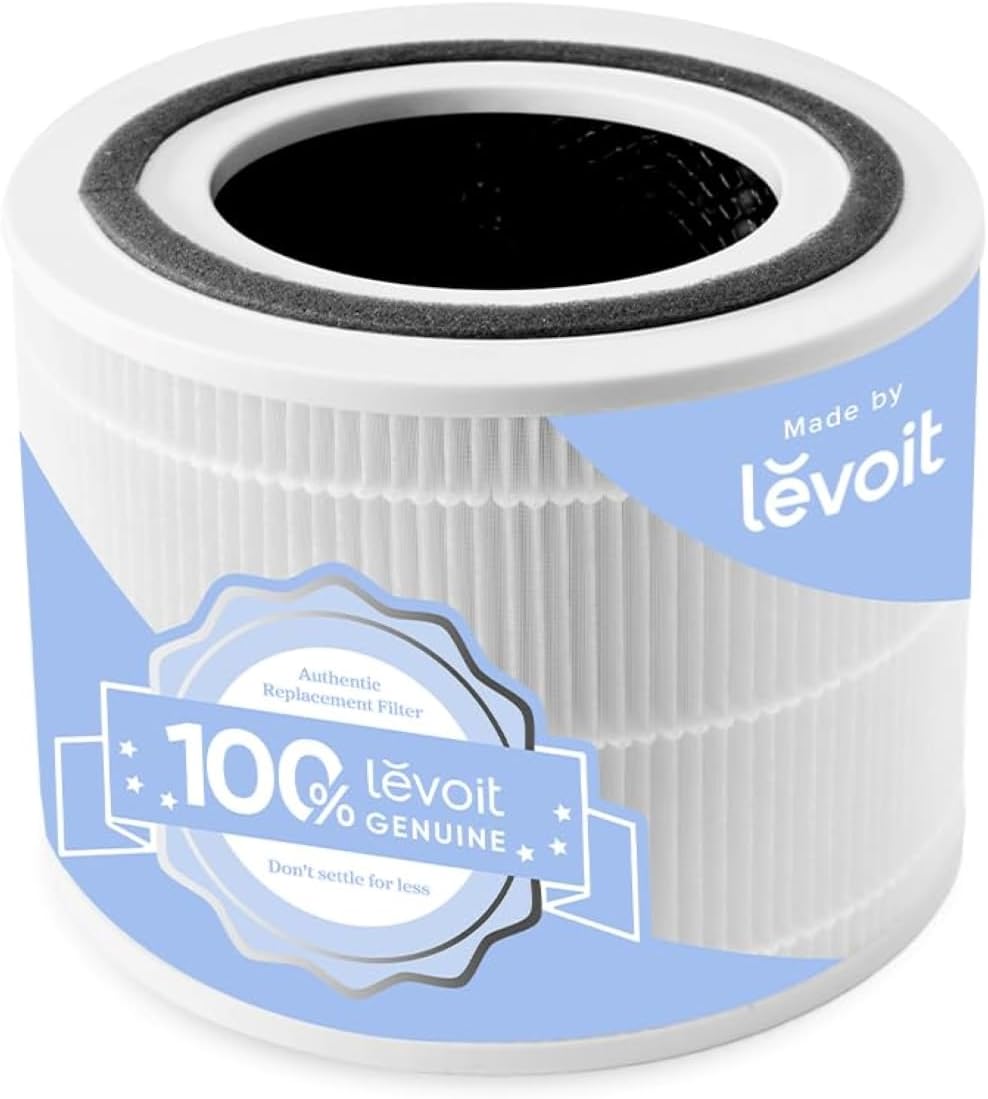
Levoit Core 300S: Compact and Smart
For smaller classrooms or spaces with budget constraints, the Levoit Core 300S offers a compelling solution. This compact unit boasts a three-stage filtration system, including a HEPA filter, and features smart capabilities through its VeSync app. It’s surprisingly quiet for its size and effectiveness.
Its smart sensors provide real-time air quality monitoring, and the app allows for scheduling and remote control. The Levoit Core 300S proves that effective air purification doesn’t always require a large or expensive unit.
Winix 5500-2: Advanced Filtration and Value
The Winix 5500-2 is a popular choice for its comprehensive filtration, including a true HEPA filter, washable advanced odor control carbon filter, and PlasmaWave™ technology. It’s designed for medium to large rooms and offers excellent value for its performance. Many best air purifier reviews highlight its effectiveness against a wide range of pollutants.
PlasmaWave™ technology can be turned on or off, offering flexibility. Its auto mode and air quality sensor make it an intelligent and user-friendly option for busy school environments. It’s a solid performer that tackles allergens, odors, and fine particles effectively.
Factors to Consider for School-Wide Implementation
Implementing air purifiers across an entire school requires careful planning beyond just selecting the right models. Consider the total number of classrooms, common areas, and administrative offices that would benefit from improved air quality. Budget, maintenance, and energy consumption are also critical factors.
A holistic approach ensures that the investment in air purification yields the greatest benefit for the entire school community. This involves assessing needs, securing funding, and establishing a sustainable maintenance plan.
Assessing Classroom and School Needs
Each classroom and common area may have unique air quality challenges. Larger spaces require higher CADR ratings, while areas prone to specific pollutants (like art rooms with VOCs) might need purifiers with enhanced carbon filtration. Consider the number of occupants and the typical activities in each space.
Conducting an indoor air quality assessment can help pinpoint problem areas and inform the selection and placement of air purifiers. This data-driven approach ensures optimal deployment of resources.
Budget and Long-Term Costs
While the initial purchase price of air purifiers is a factor, consider the long-term costs, including replacement filters, energy consumption, and maintenance. Look for units with readily available and reasonably priced replacement filters. Energy Star certification can help reduce electricity bills, especially when purifiers are running continuously.
Schools often operate on tight budgets, so finding cost-effective solutions is key. Many manufacturers offer bulk discounts for educational institutions, which can make a significant difference in overall affordability.
Maintenance and Filter Replacement Schedules
Consistent maintenance is crucial for ensuring air purifiers operate at peak efficiency. This typically involves regular cleaning of pre-filters and timely replacement of HEPA and carbon filters. Establish a clear schedule and assign responsibility for these tasks within the school’s facilities management team.
Neglecting filter replacement can render an air purifier ineffective and even lead to it becoming a source of contamination. A well-defined maintenance protocol guarantees ongoing performance and longevity of the units.
Comparing Top Air Purifier Models for Schools
To help you make the most informed decision, let’s compare some of the leading air purifiers discussed. This table highlights key specifications relevant to a school environment, offering a quick overview of their strengths.
Understanding these comparisons can simplify the selection process, allowing you to match the right purifier to the specific requirements of your school’s learning spaces.
| Model | Coverage Area (sq ft) | CADR (Smoke/Dust/Pollen) | Filter Type | Noise Level (dB) | Smart Features |
|---|---|---|---|---|---|
| Coway Airmega 200M | Up to 361 | N/A (rated for room size) | Pre-filter, HEPA, Carbon | 24-54 | Auto Mode, Air Quality Sensor |
| Blueair Classic 405 | Up to 580 | N/A (rated for room size) | HEPASilent™ (Mechanical & Electrostatic) | 24-52 | App Control (with Wi-Fi module) |
| Levoit Core 300S | Up to 219 | 141 CFM (approx.) | Pre-filter, HEPA, Carbon | 24-50 | App Control, Voice Control, Air Quality Sensor |
| Winix 5500-2 | Up to 360 | 232 (Smoke) | True HEPA, Washable Carbon, PlasmaWave™ | 28-54 | Auto Mode, Air Quality Sensor |
This comparison focuses on models that offer a good balance of performance, features, and value for educational institutions. Always check the latest specifications from the manufacturer as models and ratings can evolve.
Frequently Asked Questions About School Air Purifiers
Here are answers to some common questions parents, teachers, and administrators have about using air purifiers in schools. Understanding these points can help alleviate concerns and clarify the benefits.
Q1: How many air purifiers do schools need?
The number of air purifiers needed depends on the school’s size, layout, and the specific needs of each area. Generally, one appropriately sized unit per classroom is recommended, with additional units for common areas like libraries, gyms, and cafeterias.
Q2: Are air purifiers effective against COVID-19 and other viruses?
Yes, air purifiers with true HEPA filters are highly effective at capturing airborne virus particles, significantly reducing their concentration in the air. While not a sole solution, they are a critical component of layered mitigation strategies recommended by health organizations.
Q3: What is the difference between a HEPA filter and a HEPA-type filter?
A “true HEPA” filter is certified to capture at least 99.97% of airborne particles 0.3 microns in size. “HEPA-type” or “HEPA-like” filters may capture a high percentage of particles but do not meet the stringent HEPA standard, making true HEPA the preferred choice for critical environments.
Q4: How often do filters need to be replaced in school air purifiers?
Filter replacement frequency varies by model and usage, but typically HEPA filters need replacement every 6-12 months, and carbon filters every 3-6 months. Some units have indicators to signal when filters need changing.
Q5: Can air purifiers help students with allergies or asthma?
Absolutely. By removing allergens like pollen, dust mites, and pet dander from the air, air purifiers can significantly reduce symptom triggers for students with allergies and asthma, leading to fewer missed school days and improved comfort.
Q6: Do air purifiers consume a lot of electricity?
Modern air purifiers, especially Energy Star certified models, are designed to be energy-efficient. When used on lower settings or in auto mode, their energy consumption is comparable to that of a standard light bulb, making them a cost-effective addition for continuous operation.
Conclusion: Investing in Healthier Learning Environments
In conclusion, investing in the best air purifier reviews for your school is not just about cleaner air; it’s about investing in the health, well-being, and academic success of your students and staff. By understanding the critical features, comparing top models, and planning for implementation and maintenance, schools can create safer and more productive learning spaces.
Prioritizing indoor air quality with effective air purification is a proactive and essential step towards fostering a thriving educational community. Take action today to ensure the air your students breathe supports their learning journey.
“`