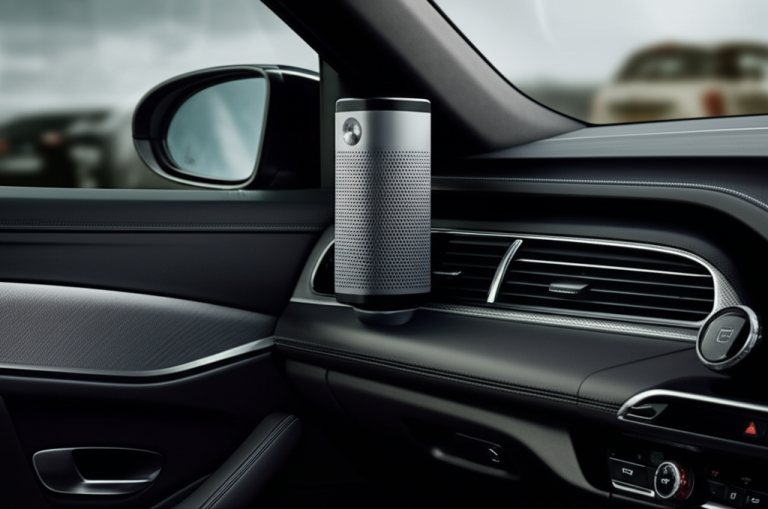
Best Air Purifier No Filter: Genius Clean Air

Discover the best air purifier no filter options for a cleaner home without the hassle of replacements. Explore innovative technologies that deliver pure air efficiently and cost-effectively.
Breathing cleaner air at home is a priority for many, but the ongoing cost and environmental impact of replacing air purifier filters can be a real headache. You might be wondering if there’s a smarter way to achieve that fresh, healthy indoor environment. Fortunately, the market is evolving, and innovative technologies are making the dream of a “best air purifier no filter” a reality. This article will guide you through what to look for and highlight some of the most promising solutions available today.
Understanding the “No Filter” Air Purifier Concept
The idea of a “best air purifier no filter” often refers to devices that use alternative purification methods instead of traditional HEPA or activated carbon filters. These systems aim to capture or neutralize airborne pollutants without requiring regular filter replacements. This means no more unexpected costs or trips to the store for new filters.
How Do “No Filter” Air Purifiers Work?
These purifiers employ various technologies to clean your air. Some use UV-C light to neutralize germs, others use electrostatic precipitation to charge particles, and some utilize advanced oxidation or plasma technologies. Each method tackles pollutants differently, offering unique benefits and considerations.
The Appeal of Filterless Air Purification
The primary appeal lies in the long-term cost savings and convenience. Eliminating the need for replacement filters significantly reduces ongoing expenses and the environmental waste associated with disposable filters. This makes them an attractive option for budget-conscious and eco-friendly consumers.
Exploring “No Filter” Air Purification Technologies
Several innovative technologies are paving the way for effective filterless air purification. Understanding these methods will help you choose the best option for your home and specific air quality concerns.
Electrostatic Precipitators (ESPs)
Electrostatic precipitators work by giving airborne particles an electrical charge. As the air passes through, these charged particles are attracted to oppositely charged collection plates, effectively removing them from the air. This process can be very efficient at capturing fine particles like dust, pollen, and smoke.
Pros: Highly effective at capturing fine particles, low operational cost after initial purchase.
Cons: Can produce ozone as a byproduct, requires regular cleaning of collection plates.
UV-C Germicidal Irradiation
UV-C light is a powerful germicide that can kill or inactivate airborne microorganisms like bacteria, viruses, and mold spores. In air purifiers, UV-C lamps are often used in conjunction with other technologies to neutralize pathogens that have been captured or are passing through the unit. This is particularly useful for improving hygiene in your living space.
Pros: Effectively neutralizes germs, no consumables required.
Cons: Does not remove particulate matter like dust or allergens, effectiveness depends on exposure time.
Ionizers
Ionizers release negative ions into the air, which then attach themselves to airborne particles. These charged particles become heavier and fall to surfaces, or they may clump together, making them easier to capture by other filtration methods if present. While some standalone ionizers exist, they are often integrated into multi-stage purifiers.
Pros: Can help reduce airborne particles, operates silently.
Cons: Can produce ozone, particles may settle on surfaces rather than being removed from the room entirely.
Photocatalytic Oxidation (PCO)
PCO technology uses UV light and a catalyst (often titanium dioxide) to break down volatile organic compounds (VOCs), odors, and microorganisms. This process creates hydroxyl radicals that effectively neutralize harmful pollutants, converting them into harmless substances like water and carbon dioxide. PCO is a powerful method for odor and chemical removal.
Pros: Effective at breaking down VOCs and odors, neutralizes microorganisms.
Cons: Can produce byproducts like formaldehyde if not properly designed, requires a UV light source.
Benefits of Choosing a “Best Air Purifier No Filter”
Opting for a filterless air purifier offers a compelling set of advantages that extend beyond just avoiding filter replacements. These benefits contribute to a healthier home and a more sustainable lifestyle.
Long-Term Cost Savings
The most immediate benefit is the elimination of recurring filter purchase costs. While the initial investment in a filterless purifier might be higher, the savings over time can be substantial. This makes it a smart financial choice for many households looking for efficient air purification.
Environmental Friendliness
By avoiding disposable filters, you significantly reduce your household’s plastic and material waste. This is a fantastic way to contribute to a greener planet and lessen your environmental footprint. It aligns with a conscious consumer approach to home goods.
Reduced Maintenance Hassle
No more forgetting to order filters or dealing with the mess of changing them. Most filterless purifiers require only occasional cleaning of their components, such as collection plates or UV lamps, making maintenance simpler and less frequent. This convenience is a major draw for busy individuals.
Key Considerations When Selecting Your “Best Air Purifier No Filter”
While the “no filter” concept is appealing, not all technologies are created equal. It’s crucial to understand the specific needs of your home and choose a device that effectively addresses your air quality concerns without introducing new problems.
Effectiveness Against Different Pollutants
Different filterless technologies excel at tackling different types of pollutants. If your primary concern is particulate matter like dust and pollen, an electrostatic precipitator might be ideal. For odors and VOCs, PCO or certain types of activated carbon (though that involves a filter) are more suited. For germicidal action, UV-C is effective.
Potential for Ozone Production
Some filterless technologies, particularly ionizers and certain electrostatic precipitators, can produce ozone as a byproduct. While ozone can have some air-cleaning properties at specific concentrations, higher levels can be harmful to respiratory health. It’s essential to choose models that are certified to produce minimal or no ozone, often indicated by UL or CARB certifications.
Maintenance Requirements and Ease of Cleaning
Even “no filter” purifiers require some maintenance. Electrostatic precipitators need their collection plates cleaned regularly, which can sometimes be a bit messy. UV lamps have a lifespan and will eventually need replacement, though usually much less frequently than filters. Understand the cleaning schedule and how easy it is to access and clean the components.
Coverage Area and Noise Level
Like any air purifier, consider the room size the unit is designed to cover. Ensure the device is appropriately sized for your space to be effective. Also, pay attention to the noise level, especially if you plan to use it in a bedroom or living area where quiet operation is desired.
Top “No Filter” Air Purifier Technologies to Consider in 2024
As the technology advances, several brands are offering innovative filterless solutions. While a true “best air purifier no filter” might depend on your specific needs, these technologies represent the leading edge of filterless air cleaning.
Electrostatic Precipitator Models
These models are gaining traction for their ability to capture fine particles without filters. Brands often highlight their low running costs and effectiveness against allergens and smoke. Look for models with easily removable and washable collection plates.
PCO and UV-C Combination Units
Many advanced units combine PCO with UV-C light for comprehensive air treatment. This approach tackles both particulate matter (often with an initial pre-filter that is washable) and microbial contaminants or VOCs. These are often marketed for their ability to eliminate odors and sterilize the air.
Advanced Ionization Systems (with Ozone Control)
Some manufacturers have developed ionizers that minimize or eliminate ozone production. These can be effective in reducing airborne particles and improving air freshness. Always check for third-party certifications regarding ozone output.
Comparing “No Filter” vs. Traditional HEPA Air Purifiers
The choice between a filterless model and a traditional HEPA purifier often comes down to a trade-off between upfront cost, ongoing expenses, and specific purification needs.
| Feature | “No Filter” Air Purifier | Traditional HEPA Air Purifier |
| :—————— | :—————————————————– | :————————————————————- |
| Filter Replacement | Not required (or very infrequent for UV bulbs) | Required every 6-12 months |
| Ongoing Cost | Lower (primarily electricity) | Higher (filter replacements + electricity) |
| Initial Cost | Often higher | Can be lower to mid-range |
| Particulate Removal | Varies by technology (ESPs are good) | Excellent (HEPA filters capture 99.97% of particles) |
| Odor/VOC Removal | Varies (PCO can be effective) | Often requires an activated carbon filter (which needs replacing) |
| Maintenance | Cleaning collection plates, UV bulb replacement (rare) | Filter replacement |
| Environmental Impact | Lower (no disposable filters) | Higher (disposable filters) |
Frequently Asked Questions About “Best Air Purifier No Filter”
Q1: Do “no filter” air purifiers really work?
Yes, “no filter” air purifiers utilize various technologies like electrostatic precipitation, UV-C light, and photocatalytic oxidation to effectively clean the air. Their effectiveness depends on the specific technology and the type of pollutants you need to address.
Q2: Are “no filter” air purifiers safe regarding ozone?
Some older or poorly designed “no filter” units can produce ozone. However, reputable modern devices, especially those certified by organizations like UL or CARB, are designed to produce minimal to no harmful ozone levels, making them safe for home use.
Q3: How often do I need to clean a “no filter” air purifier?
Cleaning frequency varies by model and technology. Electrostatic precipitators typically require cleaning of their collection plates every 2-4 weeks, while UV-C lamps may last for several years before needing replacement. Always refer to your specific model’s manual.
Q4: Can a “no filter” air purifier remove dust and allergens?
Yes, technologies like electrostatic precipitators are very effective at capturing fine particulate matter, including dust, pollen, pet dander, and other allergens. Some units may also incorporate a washable pre-filter for larger particles.
Q5: What are the long-term cost savings of a “no filter” air purifier?
The primary savings come from eliminating the recurring cost of purchasing replacement filters, which can add up significantly over the lifespan of a traditional air purifier. While the initial purchase price might be higher, the long-term operational cost is generally lower.
Q6: Are there any downsides to “no filter” air purifiers?
Potential downsides include the initial higher cost, the need for regular cleaning of components (which can be more involved than simply swapping a filter), and the possibility of ozone production in some models if not properly designed.
Conclusion: Embracing the Future of Clean Air with “Best Air Purifier No Filter” Solutions
Finding the best air purifier no filter is more achievable than ever, offering a blend of efficiency, cost savings, and environmental consciousness. While traditional HEPA filters remain a benchmark for particulate removal, innovative filterless technologies are rapidly evolving, providing compelling alternatives for various household needs. Whether you’re drawn to the long-term savings, the reduced environmental impact, or the sheer convenience, a “no filter” air purifier can be a smart investment in your home’s air quality. By understanding the different technologies available and carefully considering your specific requirements, you can confidently choose a solution that delivers fresh, clean air without the ongoing burden of filter replacements.