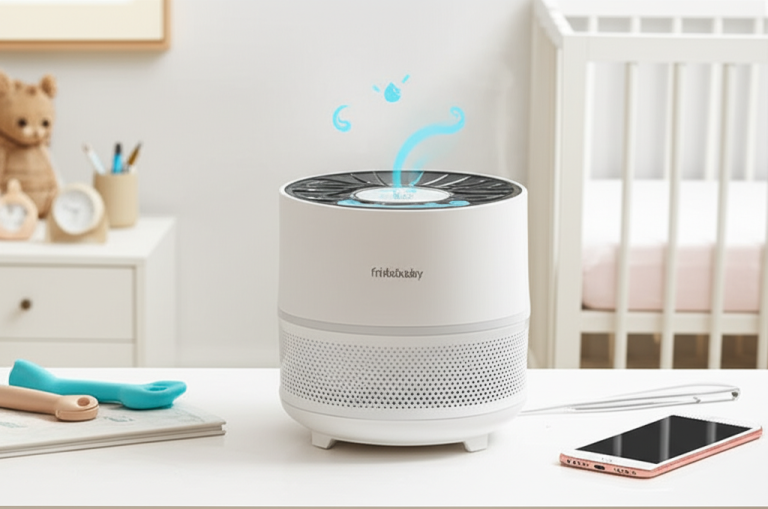
Best Air Purifier HEPA Filter: Genius Choice

Choosing the best air purifier HEPA filter is a smart move for cleaner indoor air. This guide breaks down what makes a HEPA filter genius, how to select the right one for your needs, and key features to look for, ensuring you make an informed decision for a healthier home environment.
Breathing clean air at home is essential for our well-being, yet invisible pollutants like dust, pollen, pet dander, and even microscopic viruses can compromise indoor air quality. Finding the right air purifier, especially one with a truly effective HEPA filter, can feel overwhelming with so many options available. Don’t worry, I’m here to simplify the process. This guide will help you understand what makes a HEPA filter the best choice and how to pick the perfect one for your home, leading you to a breath of fresh air and peace of mind.
What Makes a HEPA Filter the Best Air Purifier Choice?
A true HEPA filter is a game-changer for indoor air quality. It’s designed to capture at least 99.97% of airborne particles that are 0.3 microns in size, a standard set by the U.S. Department of Energy. This means it effectively removes common allergens and irritants, making it a cornerstone of any effective air purification system.
This high level of filtration is crucial for individuals suffering from allergies, asthma, or other respiratory conditions. By trapping these tiny particles, a HEPA filter significantly reduces triggers that can cause discomfort and health issues, leading to a more comfortable living space.
The Science Behind HEPA Filtration
HEPA stands for High-Efficiency Particulate Air, and its effectiveness comes from a complex, multi-layered design. The filter itself is made of a mat of randomly arranged fibers, typically fiberglass or synthetic materials, that trap particles through a combination of interception, impaction, and diffusion.
Interception occurs when a particle follows a streamline of air but comes into contact with a fiber and sticks. Impaction happens when larger particles, due to their inertia, cannot follow the air streamlines around a fiber and collide directly with it. Diffusion is most effective for the smallest particles, which move erratically and are more likely to hit a fiber.
Why Not Just Any Filter Will Do
Many air purifiers advertise “HEPA-like” or “HEPA-type” filters, but these do not meet the stringent 99.97% efficiency at 0.3 microns standard. True HEPA filters are certified to meet this benchmark, ensuring a significantly higher level of purification compared to their less effective counterparts.
Opting for a true HEPA filter means investing in genuine air cleaning power. It ensures that the microscopic irritants that can affect your health are actually being removed from your environment, offering tangible benefits for your respiratory well-being.
Key Features of the Best Air Purifier HEPA Filter Systems
When searching for the best air purifier HEPA filter, several features contribute to its overall performance and your satisfaction. Beyond the HEPA filter itself, consider the unit’s coverage area, noise levels, and additional filtration stages that can enhance its effectiveness.
These accompanying features ensure that the air purifier not only filters effectively but also integrates seamlessly into your daily life without causing disruption. A well-rounded system offers a comprehensive solution for cleaner air.
Coverage Area and CADR Ratings
The effectiveness of an air purifier is directly related to the size of the room it’s intended for. Look for the Clean Air Delivery Rate (CADR) ratings, which indicate how quickly an air purifier can clean the air in a specific room size for smoke, dust, and pollen.
A higher CADR rating means the unit can purify a larger space more efficiently. Matching the purifier’s CADR to your room’s square footage is crucial for optimal performance, ensuring that the best air purifier HEPA filter is working to its full potential in your space.
Multi-Stage Filtration Systems
The best air purifier HEPA filter systems often incorporate multiple stages of filtration. Typically, this includes a pre-filter to capture larger particles like hair and dust, followed by the true HEPA filter for fine particles, and often an activated carbon filter to remove odors and gases.
This layered approach not only protects the HEPA filter from premature clogging but also addresses a wider range of pollutants. It ensures that your air is not just free of particles but also fresh and odor-free, providing a truly holistic purification experience.
Noise Levels and Energy Efficiency
Air purifiers operate at various fan speeds, and higher speeds can produce more noise. Look for units that offer multiple fan settings, including a quiet or sleep mode for nighttime use. Energy Star certification is also a good indicator of an energy-efficient appliance.
Balancing powerful purification with quiet operation and low energy consumption is key to a user-friendly and cost-effective air purifier. You want clean air without a distracting hum or a hefty electricity bill.
Top Brands and Models to Consider
Several reputable brands consistently deliver high-quality air purifiers with excellent HEPA filtration. Researching these brands and their popular models can provide a solid starting point for your search for the best air purifier HEPA filter.
These manufacturers have a proven track record of innovation and customer satisfaction, making them reliable choices for investing in your home’s air quality. Their commitment to performance ensures you get a product that truly makes a difference.
Coway Air Purifiers
Coway is renowned for its effective and stylish air purifiers, often featuring advanced multi-stage filtration, including true HEPA filters. Models like the Coway Airmega series are highly rated for their performance in medium to large rooms and user-friendly features.
Their commitment to design and robust filtration makes them a strong contender for those seeking both aesthetics and functionality in their air purification solution. Coway offers a compelling combination of technology and user experience.
Blueair Air Purifiers
Blueair purifiers are known for their sleek Scandinavian design and powerful performance, utilizing a combination of electrostatic and mechanical filtration to achieve high CADR ratings. Many of their models incorporate true HEPA filters for comprehensive particle removal.
Blueair focuses on delivering clean air efficiently and quietly, making their units suitable for various living spaces. Their innovative filtration technology ensures excellent air cleaning capabilities.
Levoit Air Purifiers
Levoit offers a range of affordable and effective air purifiers, many equipped with true HEPA filters. They are particularly popular for their compact designs, making them ideal for bedrooms and smaller living areas, while still providing robust purification.
Levoit provides excellent value, offering essential HEPA filtration and features like multiple fan speeds and filter replacement indicators at accessible price points. They are a great option for budget-conscious consumers seeking the best air purifier HEPA filter.
How to Choose the Best Air Purifier HEPA Filter for Your Needs
Selecting the best air purifier HEPA filter involves understanding your specific air quality concerns and living space. Consider the size of your rooms, the types of pollutants you’re most concerned about, and any specific health needs you or your family members may have.
By tailoring your choice to these factors, you can ensure you invest in a unit that provides the most benefit and effectively addresses your unique indoor air quality challenges. A personalized approach guarantees optimal results.
Assessing Your Home’s Air Quality Needs
Begin by identifying the primary sources of indoor air pollution in your home. Are you dealing with pet dander, seasonal allergies, cooking odors, or concerns about airborne viruses? Understanding these issues will guide your filter selection and feature prioritization.
For instance, if allergies are a major concern, a true HEPA filter is non-negotiable. If pet odors are prevalent, an activated carbon filter in addition to HEPA will be essential. Learn more about common indoor air pollutants from the EPA.
Considering Room Size and Placement
Measure the square footage of the rooms where you intend to use the air purifier. Choose a unit with a CADR rating appropriate for that space, ensuring it can effectively circulate and clean the air. Placing the purifier in a central location within the room can also improve its efficiency.
Overestimating the room size is generally better than underestimating it. This ensures the best air purifier HEPA filter operates optimally without being constantly overworked, prolonging its lifespan and effectiveness.
Budget and Filter Replacement Costs
Air purifiers range in price, and it’s important to consider not only the initial purchase cost but also the ongoing expense of replacement filters. True HEPA filters and activated carbon filters need to be replaced periodically, typically every 6-12 months depending on usage and air quality.
Factor these recurring costs into your budget to avoid unexpected expenses down the line. Some brands offer filter subscription services that can sometimes provide savings and ensure you don’t forget replacements.
Maintaining Your HEPA Filter for Peak Performance
Proper maintenance is key to ensuring your HEPA filter continues to perform at its best. This involves regular cleaning of pre-filters and timely replacement of the HEPA and carbon filters according to the manufacturer’s recommendations.
Neglecting maintenance can significantly reduce the effectiveness of your air purifier and even lead to the growth of mold or bacteria within the unit. A little effort goes a long way in preserving your investment and ensuring continuous clean air.
Cleaning Pre-Filters
Most air purifiers come with a washable pre-filter designed to catch larger particles like hair and dust. These should be cleaned regularly, often every 2-4 weeks, by vacuuming or rinsing them under water and allowing them to dry completely before reinserting.
Keeping the pre-filter clean prevents it from becoming overloaded, which can restrict airflow to the HEPA filter. This simple step extends the life of your HEPA filter and maintains optimal air intake. See tips for cleaning air purifier filters from Allergy and Asthma Network.
When to Replace HEPA Filters
True HEPA filters themselves are not washable and must be replaced when they are no longer effective. Manufacturers usually provide an estimated lifespan, typically ranging from 6 to 12 months, depending on usage and the air quality in your home. Many units feature filter replacement indicator lights.
Replacing the HEPA filter on schedule is crucial for maintaining the 99.97% capture rate. A clogged or old HEPA filter simply cannot trap pollutants as efficiently, compromising the air quality you’re working to improve.
Understanding HEPA Filter Certifications
When looking for the best air purifier HEPA filter, understanding certifications can help you distinguish genuine HEPA filters from less effective alternatives. The most important standard to look for is the U.S. Department of Energy’s definition of HEPA.
Ensuring your filter meets these standards provides confidence that it will perform as advertised, delivering the high level of air purification you expect. These certifications act as a mark of quality and reliability.
True HEPA vs. HEPA-Type/HEPA-Like
It’s vital to differentiate between “True HEPA” filters and those marketed as “HEPA-Type” or “HEPA-Like.” True HEPA filters are certified to meet the 99.97% efficiency at 0.3 microns standard. Filters labeled as “HEPA-Type” or “HEPA-Like” may capture a high percentage of particles, but they do not meet the strict HEPA performance criteria.
Always look for the “True HEPA” designation to ensure you are getting the most effective filtration for your investment. This distinction is critical for achieving optimal indoor air quality.
AHAM Verifide Seal
The Association of Home Appliance Manufacturers (AHAM) Verifide seal is another important indicator of performance. AHAM tests air purifiers for their CADR ratings for smoke, dust, and pollen, as well as their recommended room size coverage. This independent verification helps consumers make informed choices.
An AHAM Verifide seal on an air purifier indicates that its performance claims have been independently tested and validated, giving you added assurance of its effectiveness. This is a valuable mark of a well-performing unit.
Common Misconceptions About HEPA Filters
Despite their widespread use and effectiveness, there are some common misunderstandings about HEPA filters. Addressing these can help consumers make more informed decisions and avoid common pitfalls when purchasing or using an air purifier.
Understanding these nuances ensures you get the most out of your air purification system and manage your expectations realistically. Knowledge is power when it comes to clean air.
HEPA Filters and VOCs
While true HEPA filters excel at capturing particulate matter like dust, pollen, and pet dander, they are generally not effective at removing Volatile Organic Compounds (VOCs) or gases. VOCs are often responsible for odors and can include harmful chemicals from cleaning products, paints, and furniture.
For effective VOC removal, an air purifier needs an activated carbon filter. Many high-quality units combine a HEPA filter with a substantial activated carbon filter to address both particulate matter and gaseous pollutants.
Filter Lifespan and Air Quality
The lifespan of a HEPA filter is not fixed and can vary significantly based on the air quality in your home and how often the air purifier is used. In environments with very high pollution levels, a HEPA filter may need replacement sooner than the manufacturer’s estimate.
Paying attention to the filter replacement indicator on your unit or noticing a decrease in airflow or air quality can signal that it’s time for a change. Regular checks ensure you’re always breathing the cleanest air possible.
Frequently Asked Questions About the Best Air Purifier HEPA Filter
What is the main benefit of using a HEPA filter?
The primary benefit of a true HEPA filter is its ability to capture at least 99.97% of airborne particles 0.3 microns in size, effectively removing allergens, dust, pollen, pet dander, and even some bacteria and viruses from your indoor air.
How often should I replace my HEPA filter?
Typically, HEPA filters need replacement every 6 to 12 months. However, this can vary based on your home’s air quality, how often you run the purifier, and the manufacturer’s recommendations. Many units have filter replacement indicators.
Can a HEPA filter remove odors?
No, true HEPA filters are designed for particulate matter and do not effectively remove odors or gases. For odor removal, you need an air purifier with an activated carbon filter, often combined with a HEPA filter.
Are “HEPA-like” filters as good as “True HEPA” filters?
“HEPA-like” or “HEPA-type” filters do not meet the stringent standards of a “True HEPA” filter, which is certified to capture 99.97% of particles at 0.3 microns. Always look for the “True HEPA” designation for guaranteed performance.
How do I know if an air purifier is suitable for my room size?
Check the Clean Air Delivery Rate (CADR) ratings for smoke, dust, and pollen, and compare them to the square footage of your room. The manufacturer usually provides a recommended room size coverage for each model.
Should I clean my HEPA filter?
True HEPA filters are generally not washable and must be replaced. However, many air purifiers have a pre-filter that is washable and should be cleaned regularly to protect the HEPA filter and maintain airflow.
Conclusion: Making Your Genius Choice for Cleaner Air
Investing in the best air purifier HEPA filter is a straightforward yet profoundly impactful decision for enhancing your home’s environment and your family’s health. By understanding the rigorous standards of true HEPA filtration, evaluating key features like CADR and multi-stage systems, and considering reputable brands, you can confidently select a unit that meets your specific needs.
Remember to prioritize true HEPA certification, maintain your filters diligently, and match the purifier’s capabilities to your room size and air quality concerns. Making this informed choice ensures you’re not just buying an appliance, but actively creating a healthier, more comfortable living space with every breath. Embrace the power of a genius choice for cleaner, fresher air.