Best Air Purifier for Snoring: Proven Sleep Solution

Discover the best air purifier for snoring to finally achieve peaceful, uninterrupted sleep. This guide explores how cleaner air can significantly reduce snoring, offering proven solutions for a quieter night.
Are you tired of the nightly symphony of snoring, whether it’s yours or your partner’s? It’s a common issue that disrupts sleep, leading to fatigue and strained relationships. The good news is that a simple yet effective solution might be closer than you think. This article will guide you through understanding how air quality impacts snoring and help you find the best air purifier for snoring to reclaim your restful nights.
How Air Quality Affects Snoring
The air you breathe at night plays a crucial role in your sleep quality, especially if you snore. Pollutants, allergens, and dry air can irritate your nasal passages and throat, leading to inflammation and swelling. This narrowing of the airways makes it harder for air to pass through, causing vibrations that result in snoring. Improving your indoor air quality can therefore be a direct path to quieter sleep.
The Link Between Allergens and Snoring
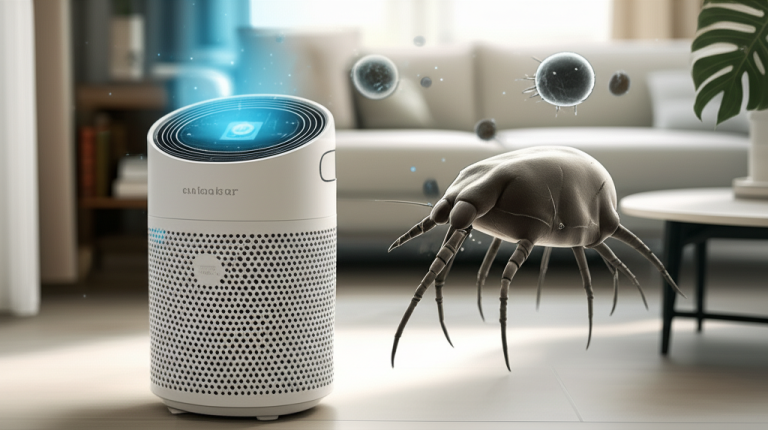
Common allergens like dust mites, pollen, pet dander, and mold spores are rampant in many homes. When inhaled during sleep, these microscopic irritants trigger allergic reactions. This can cause nasal congestion, a stuffy nose, and inflammation in the upper respiratory tract. Such conditions force you to breathe through your mouth, increasing the likelihood and intensity of snoring.
The Impact of Dry Air on Airways
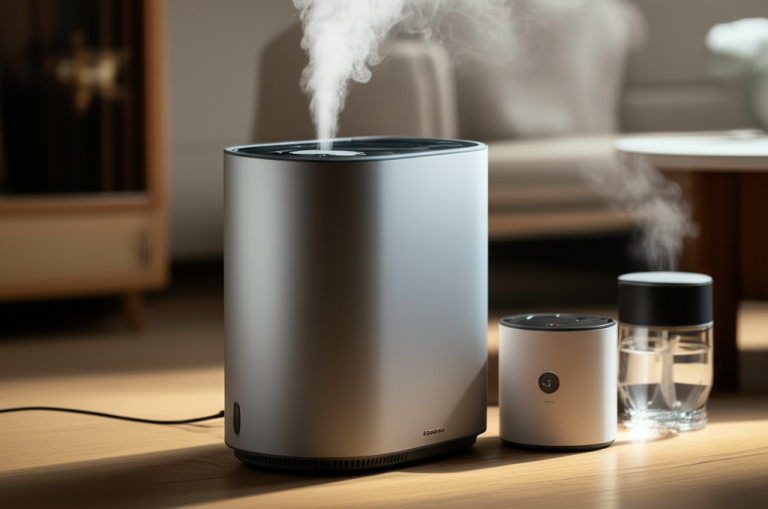
Low humidity can dry out your nasal passages and throat. This dryness makes the tissues in your airways more prone to irritation and swelling. When these tissues vibrate more easily due to dryness, snoring can become louder and more frequent. Maintaining optimal humidity levels, often aided by an air purifier with a humidifier function, can help keep airways lubricated and reduce snoring.
The Role of Particulate Matter
Tiny particles, often referred to as particulate matter (PM), can also contribute to snoring. These can include dust, smoke, and even microscopic droplets from cooking or cleaning products. When these particles are inhaled, they can irritate the respiratory system, leading to inflammation and congestion. A high-quality air purifier effectively removes these harmful particles from your bedroom air.
What to Look for in the Best Air Purifier for Snoring
Choosing the right air purifier involves considering several key features that directly address the causes of snoring. An effective unit will tackle allergens, irritants, and air dryness to promote clearer airways. Focus on filtration technology, coverage area, and noise levels to ensure it’s a true sleep solution.
Advanced Filtration Systems: HEPA and Activated Carbon
The cornerstone of any effective air purifier is its filtration system. True HEPA filters are essential for capturing at least 99.97% of airborne particles as small as 0.3 microns. This includes allergens like dust mites, pollen, and pet dander. Activated carbon filters are equally vital for absorbing odors, VOCs (volatile organic compounds), and gases that can irritate your airways and worsen snoring.
Coverage Area and Room Size
It’s crucial to select an air purifier that’s appropriately sized for your bedroom. An undersized unit won’t effectively clean the air, while an oversized one might be unnecessarily noisy and energy-intensive. Check the manufacturer’s specifications for the Clean Air Delivery Rate (CADR) and the recommended room size. Ensure the CADR is sufficient for your bedroom’s dimensions to guarantee optimal performance.
Noise Levels and Sleep Modes
Since the air purifier will likely run at night, its noise level is a critical factor. Look for models that operate quietly, especially on their lower settings. Many purifiers offer a “sleep mode” or “night mode” that reduces fan speed and dims indicator lights, creating a more conducive environment for rest. A decibel rating below 30 dB on the lowest setting is generally considered ideal for bedrooms.
Humidification Capabilities
For those whose snoring is exacerbated by dry air, an air purifier with a built-in humidifier can be a game-changer. These dual-function devices add moisture to the air while simultaneously removing pollutants. This combination helps keep nasal passages and the throat lubricated, reducing irritation and the likelihood of snoring. However, ensure the humidifier function is easy to maintain to prevent mold growth.
Smart Features and Ease of Use
Modern air purifiers often come with smart features like app control, air quality sensors, and automatic modes. Air quality sensors can detect pollutant levels and adjust the fan speed accordingly, ensuring continuous purification without manual intervention. App control allows you to monitor air quality and adjust settings remotely, adding convenience. Ease of maintenance, such as filter replacement indicators, is also important.
Top Air Purifiers for Snoring: Our Top Picks
Based on features that directly combat snoring triggers, here are some of the best air purifiers for snoring. These models combine effective filtration, quiet operation, and user-friendly designs to help you breathe easier and sleep sounder.
1. Coway Airmega AP-1512HH Mighty
The Coway Airmega AP-1512HH Mighty is a top-rated air purifier known for its robust HEPA and carbon filtration, quiet operation, and intelligent air quality monitoring, making it an excellent choice for reducing snoring triggers. This unit effectively captures allergens and odors, promoting cleaner air for a more restful night. Its compact design and energy efficiency also make it a practical choice for most bedrooms.
The Coway Mighty utilizes a multi-stage filtration system, including a pre-filter, an odor-eating carbon filter, and a True HEPA filter. Its eco-mode automatically adjusts fan speed based on air quality, saving energy. The unit is also surprisingly quiet on its lower settings, ensuring it won’t disrupt your sleep.
2. Levoit Core 300S Smart True HEPA Air Purifier
The Levoit Core 300S offers exceptional value with its True HEPA filtration, quiet VortexAir™ technology, and smart capabilities, making it a strong contender for the best air purifier for snoring. It effectively tackles allergens and airborne irritants that contribute to breathing difficulties and snoring. Its compact size and modern design fit seamlessly into any bedroom decor.
This purifier features a 3-stage filtration system: a pre-filter, a True HEPA filter, and a high-efficiency activated carbon filter. The Core 300S boasts a quiet operation, with a noise level as low as 22dB on its lowest setting. Its smart features allow control via the VeSync app, including scheduling and air quality monitoring.
3. Winix 5500-2 Air Purifier
The Winix 5500-2 is a powerful air purifier combining True HEPA filtration with PlasmaWave™ technology, making it highly effective against allergens, odors, and pollutants that can trigger snoring. It’s a reliable choice for medium to large rooms, ensuring comprehensive air cleaning throughout the night. Its auto mode and quiet sleep function enhance its suitability for bedrooms.
This model excels with its 4-stage air cleaning process: a washable pre-filter, an activated carbon filter, a True HEPA filter, and the optional PlasmaWave™ technology. PlasmaWave™ works to break down airborne pollutants at a molecular level. The unit automatically adjusts its fan speed based on detected air quality and operates very quietly in sleep mode.
4. Blueair Blue Pure 211+ Auto
The Blueair Blue Pure 211+ Auto stands out with its impressive performance, simple operation, and effective HEPASilent™ technology, making it a top-tier option for tackling snoring-related air quality issues. Its large coverage area and ability to capture fine particles and allergens make it ideal for ensuring clean air for deep sleep. The unit’s energy efficiency is also a notable advantage.
This air purifier uses a unique combination of electrostatic and mechanical filtration (HEPASilent™) to capture a wide range of airborne particles. The “Auto” version features smart sensors that adjust fan speed based on real-time air quality. It’s designed for quiet operation, especially in its lower settings, and features a stylish, washable fabric pre-filter.
5. Honeywell HPA300
The Honeywell H300 is a robust and highly effective air purifier, offering excellent HEPA filtration and a high CADR, making it ideal for larger bedrooms and effectively reducing airborne irritants that contribute to snoring. Its ability to quickly clean the air makes it a reliable choice for those seeking immediate improvements in sleep quality. The unit’s straightforward controls add to its user-friendliness.
This Honeywell model is certified to capture 99.97% of microscopic allergens and particles. It’s designed for larger rooms, providing substantial air cleaning power. The HPA300 features multiple fan speeds and a timer, along with a filter replacement indicator to ensure optimal performance. Its noise level is moderate, but effective for its powerful output.
Understanding Air Purifier Technologies for Snoring
Different technologies within air purifiers target specific airborne issues that can lead to or worsen snoring. Understanding these technologies helps you choose a device that best suits your needs.
HEPA Filtration: The Gold Standard
High-Efficiency Particulate Air (HEPA) filters are the benchmark for air purification. A “True HEPA” filter is certified to trap 99.97% of airborne particles 0.3 microns in size or larger. This includes common allergens like dust, pollen, pet dander, and mold spores, which are significant contributors to nasal congestion and snoring.
Activated Carbon Filters: Tackling Odors and Gases
Activated carbon filters are porous materials treated to enhance their ability to adsorb impurities. They are highly effective at trapping volatile organic compounds (VOCs), smoke, cooking odors, and other gaseous pollutants. These can irritate the respiratory system and contribute to snoring, making carbon filters a crucial component for a comprehensive air purifier.
Ionizers and Ozone Production
Some air purifiers use ionizers to charge particles, causing them to clump together and fall out of the air or stick to surfaces. While potentially effective, some ionizers can produce ozone as a byproduct. Ozone can irritate the lungs and airways, potentially worsening snoring and other respiratory issues. It’s generally advisable to choose purifiers that are certified ozone-free or have very low ozone emissions.
UV-C Light Sterilization
Ultraviolet (UV-C) light is used to kill bacteria, viruses, and mold spores. While beneficial for air sanitization, its direct impact on snoring reduction is less pronounced compared to HEPA and carbon filtration. If considering a UV-C unit, ensure it doesn’t add to ozone production and that the UV lamp is well-contained.
How to Set Up and Use Your Air Purifier for Maximum Benefit
Proper setup and consistent use are key to getting the most out of your air purifier for snoring. A few simple steps can ensure it’s working optimally to improve your sleep environment.
Placement is Key
Position your air purifier in your bedroom where it can circulate air most effectively. Avoid placing it directly against walls or furniture, which can obstruct airflow. Placing it near your bed allows it to purify the air you breathe most directly throughout the night.
Run it Consistently
For the best results, run your air purifier continuously, especially during sleeping hours. This ensures a constant reduction in airborne irritants. Using the “sleep mode” or lower fan settings at night helps maintain clean air without causing disruptive noise.
Regular Filter Maintenance
Air purifiers are only as effective as their filters. Check your manufacturer’s recommendations for cleaning pre-filters and replacing HEPA and carbon filters. Clogged filters reduce airflow and purification efficiency. Many units have filter replacement indicators to help you stay on schedule.
Monitor Air Quality
If your air purifier has an air quality sensor and display, pay attention to the readings. This can help you identify specific triggers in your environment and understand how effective the purifier is. Many smart purifiers also provide historical data through companion apps, offering deeper insights.
Air Purifiers vs. Other Snoring Solutions
While an air purifier can be a powerful tool, it’s part of a broader landscape of snoring solutions. Understanding how it fits in can help you make informed decisions about your sleep health.
Comparing Air Purifiers with Humidifiers
Humidifiers directly address snoring caused by dry air by adding moisture. Air purifiers focus on removing irritants and allergens. For those with snoring issues stemming from both dry air and allergens, a combined air purifier/humidifier unit or using both devices separately can be highly effective.
Air Purifiers and Nasal Strips/Sprays
Nasal strips and sprays aim to physically open airways or reduce inflammation. They can offer immediate relief but don’t address the underlying air quality issues. An air purifier works on a longer-term solution by continuously cleaning the air, potentially reducing the need for these temporary aids.
The Role of CPAP Machines
Continuous Positive Airway Pressure (CPAP) machines are a medical treatment for obstructive sleep apnea (OSA), a condition often accompanied by severe snoring. While an air purifier can improve general air quality, it is not a substitute for a CPAP machine if you have been diagnosed with OSA. Always consult a doctor for sleep apnea diagnosis and treatment.
Frequently Asked Questions About Air Purifiers and Snoring
Here are answers to common questions about using air purifiers to combat snoring.
Can an air purifier really stop snoring?
An air purifier can significantly reduce snoring caused by allergens, dust, and irritants that inflame airways. While it may not eliminate snoring entirely for all causes, it can lead to quieter, more restful sleep by improving air quality.
How often should I run my air purifier for snoring?
For the best results, run your air purifier in your bedroom continuously, especially during sleeping hours. Using lower settings or sleep modes at night helps maintain clean air without disturbing your rest.
What type of filter is best for snoring?
A combination of a True HEPA filter and an activated carbon filter is generally best. HEPA filters capture allergens and particles, while carbon filters remove odors and gases that can irritate your airways.
How do I know if my air purifier is working?
Look for a reduction in snoring intensity or frequency. You might also notice less morning congestion or fewer allergy symptoms. Many purifiers have air quality indicators that show the level of pollutants in the room.
Can an air purifier help with mouth breathing and snoring?
Yes, by reducing nasal congestion and airway irritation caused by airborne pollutants and allergens, an air purifier can help you breathe more easily through your nose, which often reduces mouth breathing and associated snoring.
Conclusion: Breathe Easier, Sleep Better
Finding the best air purifier for snoring can be a transformative step towards achieving the deep, restorative sleep you deserve. By understanding how airborne irritants affect your airways and choosing a purifier with robust HEPA and activated carbon filtration, you can create a healthier sleep environment. Prioritize models with quiet operation and appropriate room coverage for maximum benefit. Investing in a quality air purifier is an investment in your well-being, leading to quieter nights and more energized days.