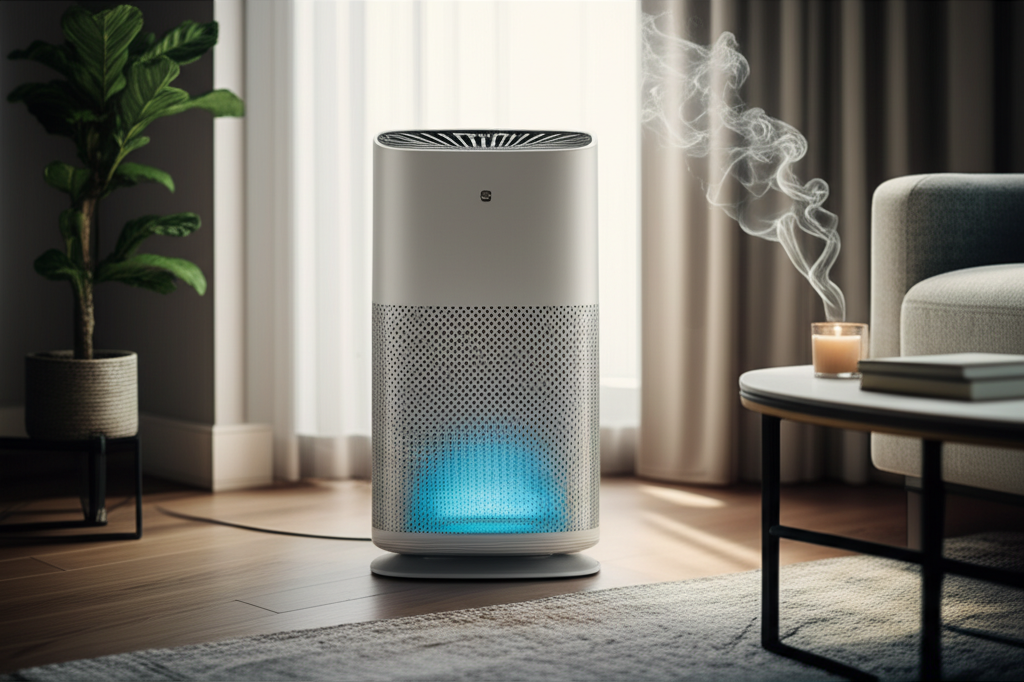
Best Air Purifier For Smoke Smell: Proven Solution

The best air purifier for smoke smell is a crucial investment for anyone battling persistent odors from cigarettes, wildfires, or cooking. A high-quality unit with a robust activated carbon filter and a true HEPA filter can effectively trap smoke particles and neutralize odors, restoring fresh, clean air to your home.
Are you tired of lingering smoke smells that just won’t go away? Whether it’s from a neighbor’s smoking habit, recent wildfire smoke infiltrating your home, or even intense cooking sessions, persistent smoke odor can be incredibly frustrating. It clings to furniture, fabrics, and even your clothes, making your living space feel less than welcoming. But don’t despair! Finding the best air purifier for smoke smell is a proven solution that can make a significant difference. I’m here to guide you through understanding what makes an air purifier effective against smoke and how to choose the perfect one for your needs, so you can breathe easy again.
Why Smoke Smell Lingers and How Air Purifiers Help
Smoke isn’t just an unpleasant odor; it’s a complex mixture of fine particulate matter and volatile organic compounds (VOCs). These tiny particles and gases are what cause that stubborn smell to embed itself deep within your home’s surfaces. Standard ventilation might help temporarily, but it doesn’t capture the root cause. An air purifier works by drawing in contaminated air, passing it through specialized filters, and releasing cleaner air back into the room. This process physically removes smoke particles and absorbs odor-causing molecules, tackling the problem at its source.
Understanding the Key Components of a Smoke-Fighting Air Purifier
When looking for the best air purifier for smoke smell, two filter types are absolutely essential: a true HEPA filter and an activated carbon filter. The true HEPA filter is designed to capture at least 99.97% of airborne particles as small as 0.3 microns. This includes the fine soot and ash that make up smoke. The activated carbon filter, on the other hand, is porous and acts like a sponge, adsorbing gases and odors, including those pungent smoke molecules that HEPA filters can’t trap.
The Power of Activated Carbon for Odor Elimination
Activated carbon is the unsung hero in the fight against smoke smell. It’s treated to be highly porous, creating a vast surface area that attracts and holds onto odor molecules. For smoke, this means it can effectively neutralize the acrid smells from cigarettes, wood fires, or burnt food. The more activated carbon an air purifier contains, the longer it will take to become saturated and the more effective it will be at absorbing persistent odors.
True HEPA Filters: Capturing Smoke Particles
While activated carbon tackles the smell, true HEPA filters are critical for removing the physical components of smoke. These filters trap microscopic particles like ash, soot, and other irritants that contribute to the smoky haze and can trigger allergies or respiratory issues. A true HEPA filter ensures that even if the odor is neutralized, the visible and health-impacting particles are also removed from your air.
Essential Features to Look For in the Best Air Purifier for Smoke Smell
Beyond the core filters, several other features can enhance an air purifier’s performance against smoke. Consider the air purifier’s CADR (Clean Air Delivery Rate), which indicates how quickly it can clean a room of smoke, dust, and pollen. Higher CADR ratings mean faster purification. Look for models with multiple fan speeds, allowing you to adjust the cleaning power as needed, especially during intense smoke events. An auto mode with an air quality sensor is also a great addition, as it automatically adjusts fan speed based on detected pollution levels.
Coverage Area and Room Size Considerations
The best air purifier for smoke smell needs to be appropriately sized for the room it will be used in. Manufacturers typically provide a recommended room size or coverage area for their units. It’s often advisable to choose a purifier rated for a slightly larger room than you intend to use it in, especially if dealing with heavy smoke. This ensures the unit can effectively circulate and clean the air within the space without being constantly overworked.
Noise Levels and Sleep Modes
Air purifiers can sometimes be noisy, especially on higher settings. If you plan to use the purifier in a bedroom or living area where quiet is important, check the decibel (dB) ratings for different fan speeds. Many models offer a sleep mode, which reduces fan speed and dims indicator lights for undisturbed rest. This feature is particularly valuable for continuous operation to combat smoke smell around the clock.
Top Air Purifier Models for Tackling Smoke Odor
After extensive research and considering user reviews, several models consistently stand out as the best air purifiers for smoke smell. These units combine powerful filtration, effective odor removal, and user-friendly features. Brands like Coway, Levoit, and Blueair frequently appear at the top of recommendations due to their robust performance against smoke and other airborne pollutants.
Coway Airmega Series: A Powerful Choice
The Coway Airmega line is renowned for its comprehensive filtration system, often featuring a pre-filter, activated carbon filter, and a true HEPA filter. Many models include smart features like Wi-Fi connectivity and air quality monitoring, allowing for remote control and automatic adjustments. Their powerful fans and high CADR ratings make them excellent at rapidly clearing smoke from large spaces.
Levoit Core Series: Budget-Friendly Effectiveness
For those seeking a more budget-conscious option, Levoit’s Core series offers impressive performance. The Levoit Core 300S and Core 400S are popular choices that include a three-stage filtration system with a HEPA filter and an activated carbon filter specifically designed to combat odors. They are compact, quiet, and highly effective for medium-sized rooms, making them a great value for tackling smoke smell.
Blueair Classic Series: Advanced Filtration Technology
Blueair purifiers are known for their innovative HEPASilent™ technology, which combines electrostatic charging and mechanical filtration to capture particles efficiently and quietly. The Classic series often includes substantial activated carbon filters, making them highly effective against smoke odors. These units are typically designed for larger rooms and offer robust performance for persistent smoke issues.
Understanding CADR and ACH for Smoke Removal
When selecting the best air purifier for smoke smell, two acronyms are crucial: CADR and ACH. CADR stands for Clean Air Delivery Rate, measuring how quickly an air purifier can remove specific pollutants like smoke, dust, and pollen from a room. A higher smoke CADR means faster smoke removal. ACH, or Air Changes per Hour, indicates how many times the air in a room is completely filtered by the unit in one hour. For smoke, aim for at least 4-5 ACH to ensure effective and continuous removal of odor particles.
How to Maximize Your Air Purifier’s Effectiveness Against Smoke
To get the most out of your chosen air purifier, proper placement and maintenance are key. Place the unit in the room where smoke is most prevalent, ensuring good airflow around it. Avoid blocking the air intake or outlet. Regularly clean or replace the filters according to the manufacturer’s instructions. A clogged filter significantly reduces the purifier’s efficiency and its ability to combat smoke smell.
Regular Filter Maintenance is Crucial
The activated carbon filter will eventually become saturated with odors and need replacement. Similarly, HEPA filters will capture a substantial amount of particulate matter. Neglecting filter changes means your purifier will stop effectively removing smoke particles and absorbing odors. Always follow the manufacturer’s recommended filter replacement schedule, which can vary based on usage and the severity of smoke exposure.
Strategic Placement for Optimal Airflow
The best air purifier for smoke smell will perform optimally when placed strategically. Ideally, position it in a central location within the room, away from walls or furniture that could obstruct airflow. This allows the unit to draw in air from all directions and distribute purified air more effectively throughout the space. Consider placing it near the source of the smoke if possible, but always ensure it has adequate clearance.
Advanced Features: Ionizers and UV-C Light
Some air purifiers include additional features like ionizers and UV-C light technology. Ionizers release negative ions that attach to airborne particles, causing them to clump together and fall out of the air or be more easily captured by filters. UV-C light is designed to kill airborne bacteria and viruses. While these can be beneficial, ensure they are used responsibly, as some ionizers can produce ozone, which can be an irritant. For smoke smell, the primary focus should remain on robust HEPA and activated carbon filtration.
When to Consider a Commercial-Grade Air Purifier
For extreme situations, such as severe wildfire smoke events or homes with persistent heavy smoking, a commercial-grade air purifier might be necessary. These units are designed for much larger spaces and higher levels of pollution. They often feature larger, more powerful filters and higher CADR ratings than typical home units. While more expensive, they offer unparalleled performance when standard models struggle to keep up with intense smoke.
Frequently Asked Questions About Air Purifiers for Smoke Smell
Can an air purifier completely eliminate smoke smell?
While an air purifier can significantly reduce and often eliminate smoke smell, complete elimination depends on the severity of the smoke and the quality of the purifier. A unit with a substantial activated carbon filter is most effective.
How often do I need to replace filters for smoke?
Filter replacement frequency depends on usage and smoke intensity. For heavy smoke, you might need to replace activated carbon filters every 3-6 months and HEPA filters every 6-12 months, but always check the manufacturer’s recommendations.
Can I use an air purifier if I have pets and smoke?
Yes, many air purifiers are excellent for homes with both pets and smoke. Look for models with a pre-filter to capture pet hair and dander, in addition to the HEPA and activated carbon filters for smoke.
Are air purifiers safe to run 24/7?
Yes, most modern air purifiers are designed for continuous operation and are safe to run 24/7. Running them continuously is often recommended for optimal air quality, especially when dealing with persistent smoke.
What is the difference between an air purifier and an air deodorizer?
An air purifier removes particles and gases from the air through filtration. An air deodorizer typically masks or neutralizes odors, often through chemical means, and doesn’t remove the particles that cause smoke.
Conclusion: Breathe Freely with the Right Air Purifier
Dealing with smoke smell can be a persistent challenge, but it’s one you can overcome with the right tools. Investing in the best air purifier for smoke smell is a proactive and highly effective solution. By prioritizing models with true HEPA and substantial activated carbon filtration, considering the room size, and maintaining your unit diligently, you can transform your home environment. Say goodbye to stale, smoky air and welcome the fresh, clean atmosphere you deserve. Your journey to a healthier, more pleasant living space starts with choosing the right air purifier.