Best Air Purifier For Smoke: Proven Essential

“`html
Best Air Purifier for Smoke: Proven Essential for Cleaner Air
Breathe easier with the best air purifier for smoke. This guide dives into essential features, top picks, and how to choose a unit that effectively tackles smoke particles, odors, and VOCs for a healthier home environment.
Living with smoke, whether from wildfires, cooking, or everyday life, can be a real challenge. The persistent smell and invisible particles can irritate your lungs and make your living space feel less comfortable. Fortunately, a high-quality air purifier can make a significant difference. I’ll guide you through what to look for and highlight some of the best air purifier for smoke options available, ensuring you can find a solution that truly works.
Why Smoke is a Problem for Your Home’s Air Quality
Smoke contains a complex mix of fine particulate matter (PM2.5), volatile organic compounds (VOCs), and unpleasant odors. These tiny particles can penetrate deep into your lungs, causing respiratory issues and exacerbating allergies. The lingering smell of smoke can also be incredibly difficult to eliminate without the right tools. Understanding these components is the first step to choosing the best air purifier for smoke.
The Crucial Role of HEPA Filters in Smoke Elimination
High-Efficiency Particulate Air (HEPA) filters are the gold standard for capturing airborne particles. A true HEPA filter can trap at least 99.97% of particles as small as 0.3 microns, which includes the fine ash and soot from smoke. This makes choosing an air purifier with a HEPA filter absolutely essential for effectively removing smoke from your air.
What Makes a HEPA Filter “True” HEPA?

Look for the “True HEPA” label, which signifies that the filter meets the stringent standards set by the U.S. Department of Energy. Non-HEPA filters, often marketed as “HEPA-type” or “HEPA-like,” do not offer the same level of filtration efficiency. Investing in a true HEPA system ensures you’re getting the most effective smoke removal possible.
Activated Carbon: The Key to Odor and VOC Removal
While HEPA filters tackle particles, activated carbon filters are crucial for absorbing gases, odors, and VOCs present in smoke. These filters work by adsorption, where the porous carbon material traps odor molecules and chemical pollutants. The more activated carbon an air purifier has, the better it will be at neutralizing smoke smells and harmful gases.
How Much Carbon is Enough?
The effectiveness of activated carbon filters varies based on the amount and quality of carbon used. A thicker, denser carbon filter, often measured in pounds, will generally provide longer-lasting odor control. Some purifiers also offer specialized carbon blends designed for specific pollutants, which can be beneficial for intense smoke situations.
Understanding CADR: A Measure of Performance
Clean Air Delivery Rate (CADR) is a standardized rating that indicates how quickly an air purifier can clean a room of specific pollutants like smoke, dust, and pollen. Higher CADR ratings mean faster purification. When looking for the best air purifier for smoke, prioritize models with high smoke CADR ratings for maximum effectiveness.
Matching CADR to Your Room Size
It’s vital to match the air purifier’s CADR to the size of your room. A general rule of thumb is to choose a purifier with a CADR rating at least two-thirds of the room’s square footage. For instance, a 200 sq ft room would benefit from a purifier with a smoke CADR of at least 133.
Key Features to Look for in the Best Air Purifier for Smoke
Beyond HEPA and activated carbon, several other features contribute to an air purifier’s effectiveness against smoke. These include pre-filters, air quality sensors, auto modes, and noise levels. Considering these aspects will help you find a unit that fits your specific needs and lifestyle.
Pre-Filters for Extended Lifespan
A washable pre-filter captures larger particles like pet hair and dust, preventing them from clogging the main HEPA and carbon filters. This extends the life of your more expensive filters and maintains the purifier’s efficiency. It’s a simple yet effective feature for any smoke-prone environment.
Smart Sensors and Auto Mode
Air quality sensors detect the level of pollutants in the air and automatically adjust the fan speed accordingly. This ensures optimal purification without manual intervention and can save energy. For persistent smoke issues, an auto mode provides constant, worry-free air cleaning.
Noise Levels and Sleep Mode
Air purifiers can be noisy, especially on higher settings. Look for models with low decibel ratings or a dedicated sleep mode that operates at a quieter fan speed. This is especially important for bedrooms or living areas where noise can be disruptive.
Top Air Purifier Picks for Smoke: Our Recommendations
After extensive research and considering the critical features, here are some of the best air purifier for smoke models that consistently perform well. Each offers a unique combination of filtration power, coverage area, and user-friendly features.
Coway Airmega 200M: A Powerful All-Rounder
The Coway Airmega 200M is a highly-rated air purifier that excels in smoke removal. It features a true HEPA filter, an extensive activated carbon filter, and a robust pre-filter. Its coverage area is suitable for medium to large rooms, and it includes smart features like an air quality indicator and an auto mode. Many users praise its quiet operation and effective odor elimination.
Blueair Blue Pure 211+ Auto: Style Meets Performance
For those who value aesthetics alongside performance, the Blueair Blue Pure 211+ Auto is an excellent choice. It utilizes a unique combination of a particle filter and an activated carbon filter, offering excellent smoke and odor capture. The “Auto” version includes intelligent sensors that adjust fan speed based on air quality. Its large coverage area and straightforward operation make it a top contender.
Levoit Core 300S: Compact Powerhouse
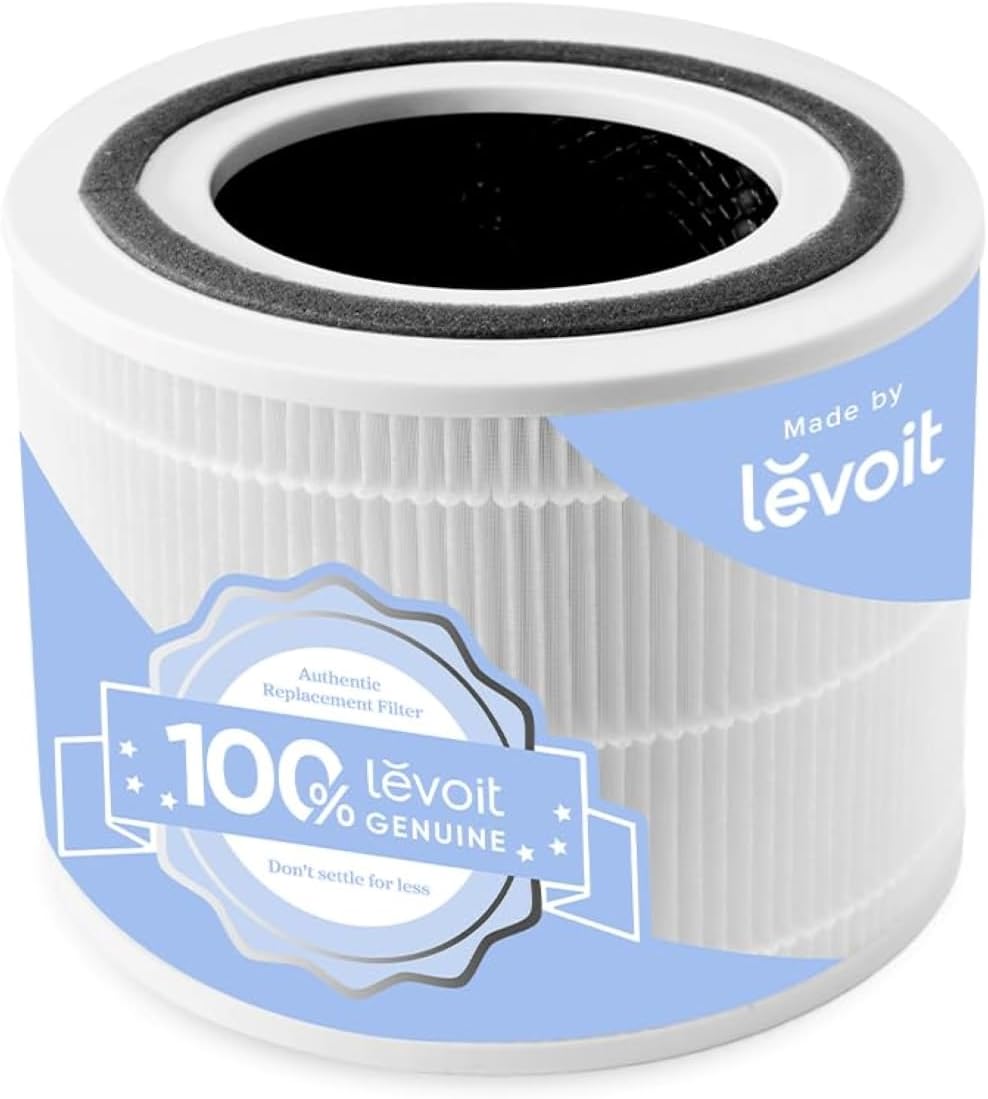
The Levoit Core 300S is a fantastic option for smaller spaces or as a supplementary unit. Despite its compact size, it boasts a three-stage filtration system including a true HEPA filter and a high-efficiency activated carbon filter. Its smart capabilities, controllable via an app, and quiet operation make it a convenient and effective choice for tackling smoke in bedrooms or home offices.
Winix 5500-2: Advanced Filtration Technology
The Winix 5500-2 is another strong contender, known for its comprehensive filtration. It includes a true HEPA filter, a washable AOC (Advanced Odor Control) carbon filter, and PlasmaWave technology. While PlasmaWave is optional and can be turned off, the core filtration system is highly effective against smoke particles and odors. It’s suitable for medium to large rooms and offers excellent value.
Comparing Air Purifiers for Smoke: A Quick Overview
| Model Name | Filter Type | Room Size Coverage | CADR (Smoke) | Key Feature |
| :——————- | :—————————————- | :—————– | :———– | :——————————- |
| Coway Airmega 200M | True HEPA, Activated Carbon | Up to 361 sq ft | N/A (High) | Smart Sensor, Auto Mode |
| Blueair Blue Pure 211+ Auto | Particle Filter, Carbon Filter | Up to 540 sq ft | N/A (High) | Auto Mode, Washable Pre-filter |
| Levoit Core 300S | True HEPA, Activated Carbon | Up to 219 sq ft | N/A (High) | Smart App Control, Quiet Operation |
| Winix 5500-2 | True HEPA, AOC Carbon, PlasmaWave (Opt.) | Up to 360 sq ft | 232 CFM | Advanced Odor Control |
Note: CADR ratings can vary by manufacturer and specific model variations. Always check the product specifications.
Maintenance: Keeping Your Air Purifier at Peak Performance
To ensure your best air purifier for smoke continues to perform optimally, regular maintenance is crucial. This primarily involves cleaning or replacing the filters according to the manufacturer’s recommendations. Neglecting maintenance can significantly reduce the purifier’s effectiveness and even lead to increased noise or reduced airflow.
Filter Replacement Schedule
HEPA filters typically need replacement every 6-12 months, while activated carbon filters may need replacing more frequently, especially in high-smoke environments. Always refer to your air purifier’s manual for specific guidelines. Many units have filter replacement indicators to help you stay on track.
Cleaning the Pre-Filter
The pre-filter should be cleaned regularly, usually by vacuuming or washing it with water. This simple step prevents larger debris from reaching the more sensitive filters, extending their lifespan and maintaining the unit’s overall performance. A clean pre-filter is key to efficient smoke capture.
Where to Place Your Air Purifier for Maximum Impact
The placement of your air purifier can significantly influence its effectiveness in cleaning smoke from your home. For the best results, position the unit in the room where smoke is most prevalent or where you spend the most time. Avoid placing it in corners or behind furniture, as this can obstruct airflow.
Centralized Placement for Whole-Room Circulation
Ideally, place your air purifier in a central location within the room to allow for optimal air circulation. This ensures that smoke particles and odors are drawn into the purifier from all directions. Elevating the unit slightly can also improve its ability to capture airborne pollutants.
Frequently Asked Questions About Air Purifiers for Smoke
What type of filter is best for smoke?
A combination of a true HEPA filter and a substantial activated carbon filter is best for smoke. HEPA captures particles, while activated carbon removes odors and VOCs.
How often should I replace the filters?
Generally, HEPA filters should be replaced every 6-12 months, and carbon filters every 3-6 months, depending on usage and smoke intensity. Always check your manufacturer’s recommendations.
Can an air purifier completely remove smoke smell?
Yes, a good air purifier with a robust activated carbon filter can significantly reduce or eliminate smoke smell. However, heavily ingrained odors in fabrics might require additional cleaning methods.
Are air purifiers with ionizers safe for smoke?
Some ionizers can produce ozone, which is a lung irritant. While many modern purifiers have safety features, it’s often safer to choose models without ionizers or with an option to turn them off if smoke is your primary concern.
What is the most important factor when buying an air purifier for smoke?
The most important factors are the presence of a true HEPA filter and a sufficient amount of activated carbon. CADR rating for smoke is also critical for effective room coverage.
Will an air purifier help with wildfire smoke?
Absolutely. Air purifiers with true HEPA filters are highly effective at capturing the fine particulate matter from wildfire smoke, significantly improving indoor air quality.
Conclusion: Investing in Your Health with the Best Air Purifier for Smoke
Choosing the best air purifier for smoke is a proactive step towards ensuring a healthier and more comfortable living environment. By understanding the importance of true HEPA and activated carbon filtration, paying attention to CADR ratings, and selecting a unit with the right features for your needs, you can effectively combat smoke particles and odors. I’ve highlighted some of the top performers, but remember to consider your room size and specific requirements. Investing in a quality air purifier is an investment in your well-being, allowing you to breathe cleaner, fresher air every day.
“`