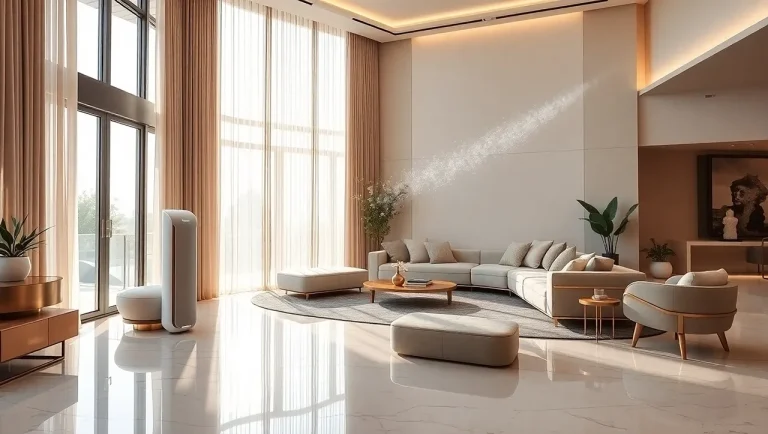
Best Air Purifier For Small Apartment: Essential Guide

Finding the best air purifier for your small apartment is crucial for breathing cleaner air. This guide covers everything you need to know, from understanding HEPA filters to choosing the right size and features, ensuring a healthier living space.
Breathing fresh air is essential for our well-being, especially in compact living spaces like small apartments. Often, these areas can trap pollutants like dust, allergens, pet dander, and even odors, making it challenging to maintain a healthy indoor environment. You might be wondering if an air purifier is the right solution for your cozy abode. The good news is, with the right guidance, you can easily find the best air purifier for a small apartment that fits your needs and budget, transforming your home into a sanctuary of clean air.
Why a Small Apartment Needs an Air Purifier
Small apartments often have less natural ventilation, leading to a concentration of indoor air pollutants. These can include common culprits like dust mites, pollen that sneaks in, pet dander from furry companions, and even volatile organic compounds (VOCs) from cleaning products or new furniture. Over time, these contaminants can affect air quality, potentially triggering allergies, asthma, or general respiratory discomfort. An air purifier actively combats these issues by filtering the air, providing a much-needed breath of fresh air in your compact home.
Understanding Air Purifier Technologies for Small Spaces
When looking for the best air purifier for a small apartment, understanding the different technologies is key. Most effective purifiers utilize a combination of filtration methods to capture a wide range of airborne particles. Knowing these technologies helps you make an informed choice that best suits your specific air quality concerns.
HEPA Filters: The Gold Standard

High-Efficiency Particulate Air (HEPA) filters are widely considered the most effective for capturing fine particles. True HEPA filters are designed to trap at least 99.97% of airborne particles as small as 0.3 microns. This includes dust, pollen, mold spores, and pet dander, making them essential for allergy and asthma sufferers. For a small apartment, a purifier with a true HEPA filter is a non-negotiable feature.
Activated Carbon Filters: Tackling Odors and Gases
While HEPA filters excel at capturing particles, activated carbon filters are your best defense against odors, gases, and VOCs. These filters contain porous carbon that adsorbs, or traps, unwanted smells from cooking, pets, or smoke, as well as harmful chemicals. Many air purifiers designed for small apartments combine HEPA and activated carbon filters for comprehensive air purification.
Other Filtration Technologies
Beyond HEPA and activated carbon, you might encounter other technologies like UV-C light, ionizers, and photocatalytic oxidation (PCO). UV-C light aims to kill germs and viruses, while ionizers release negative ions to make particles clump together and fall. PCO uses UV light and a catalyst to break down pollutants. However, it’s important to note that some ionizers can produce ozone, which can be a lung irritant. Always check for ozone-free certifications if considering these technologies for your small apartment.
Key Features to Look For in the Best Air Purifier for Small Apartments
Selecting the best air purifier for a small apartment involves more than just filtration. Several features can significantly enhance its performance and your user experience within a compact living space. Prioritizing these can make a big difference.
Size and CADR Rating
The size of the air purifier and its Clean Air Delivery Rate (CADR) are crucial for effectiveness in small spaces. CADR indicates how quickly an air purifier can clean the air in a room. Look for a CADR rating appropriate for the square footage of your apartment or the specific room you intend to use it in. A higher CADR means faster air cleaning, which is beneficial in a smaller, enclosed environment.
Noise Level
In a small apartment, noise can be a significant concern. An air purifier that runs too loudly can be disruptive, especially when you’re trying to relax or sleep. Look for models that specify their decibel (dB) levels on their lowest setting. Many purifiers offer a “sleep mode” that significantly reduces fan speed and noise for nighttime use.
Energy Efficiency
An air purifier will likely run for extended periods, so energy efficiency is an important consideration. Look for Energy Star certified models, which meet strict energy efficiency guidelines set by the EPA. This will help keep your electricity bills in check while ensuring your air is consistently purified.
Filter Replacement and Maintenance
Air purifiers require regular maintenance, primarily filter replacement. Check how often filters need to be changed and the cost of replacements. Some models have indicator lights that alert you when it’s time to change a filter, which simplifies the maintenance process. Easy access to replacement filters is also a plus.
Smart Features and Controls
Modern air purifiers often come with smart features like app control, air quality sensors, and automatic modes. Air quality sensors can detect changes in air purity and adjust the fan speed accordingly, ensuring optimal performance without constant manual adjustments. App control allows you to monitor and adjust settings remotely, which can be convenient.
Top Air Purifier Picks for Small Apartments
Based on performance, features, and suitability for compact living, here are some of the top contenders for the best air purifier for a small apartment. These models have been selected for their effectiveness, user-friendliness, and value.
Levoit Core 300: A Budget-Friendly Powerhouse
The Levoit Core 300 is a highly popular choice for small apartments due to its compact size, effective three-stage filtration (pre-filter, true HEPA, and activated carbon), and quiet operation. It boasts a high CADR for its size and is often praised for its simplicity and affordability. It’s an excellent entry-level option for anyone seeking cleaner air without breaking the bank.
Coway Airmega AP-1512H: Smart and Efficient
The Coway Airmega AP-1512H is a step up, offering advanced features like an air quality sensor, automatic mode, and a real-time air quality display. Its four-stage filtration system, including a true HEPA filter, effectively tackles pollutants. It’s also known for its quiet performance and energy efficiency, making it a well-rounded choice for small apartments needing a robust solution.
Blueair Blue Pure 411 Auto: Stylish and Compact
The Blueair Blue Pure 411 Auto stands out with its modern design and highly effective HEPASilent technology, which combines electrostatic and mechanical filtration. It’s incredibly lightweight and compact, making it easy to move between rooms. The auto mode adjusts fan speed based on air quality, and its low energy consumption is a bonus for apartment dwellers.
How to Choose the Right Size Air Purifier for Your Apartment
Selecting the correct size air purifier is fundamental to its effectiveness in a small apartment. An undersized unit won’t adequately clean the air, while an oversized one might be unnecessarily noisy or expensive to run.
Calculating Your Apartment’s Square Footage
First, measure the square footage of the main living area or the room where you plan to use the air purifier. To calculate square footage, multiply the length of the room by its width. For irregularly shaped rooms, break them down into smaller rectangular sections and sum their areas.
Understanding CADR for Room Size
Air purifiers are often rated for specific room sizes. A general guideline is that the CADR should be at least two-thirds of the room’s square footage. For example, if your living room is 150 sq ft, you’d want an air purifier with a smoke CADR of at least 100 (2/3 of 150). This ensures the unit can effectively cycle and clean the air within the room.
Room-Specific Needs
Consider the specific needs of different areas. A kitchen might require an air purifier with a stronger focus on odor and VOC removal, while a bedroom might prioritize quiet operation and allergen filtration. You might opt for one larger unit for the main living area or smaller, dedicated units for specific rooms.
Factors Beyond Filtration: Noise, Energy, and Cost
When choosing the best air purifier for a small apartment, several practical factors significantly influence your satisfaction. These aren’t directly related to filtration but are crucial for everyday living.
Noise Levels and Sleep Modes
In close quarters, noise is a paramount concern. Look for air purifiers with decibel (dB) ratings below 50 dB on their highest setting. Many units offer a “sleep mode” that drastically reduces fan speed and noise, making them ideal for bedrooms. Always check reviews for real-world noise experiences.
Energy Consumption and Certifications
An air purifier running 24/7 can impact your electricity bill. Seek out Energy Star certified models, as they are designed for maximum energy efficiency. This not only saves money but also reduces your environmental footprint. Consider the wattage consumption of different models.
Ongoing Costs: Filters and Replacement
Don’t forget the recurring cost of replacement filters. Check the manufacturer’s recommendations for filter lifespan and the price of new filters. Some filters last longer than others, and the cost can add up over time. Factor this into your overall budget for the air purifier.
Placement and Usage Tips for Maximum Effectiveness
Even the best air purifier won’t perform optimally if not placed and used correctly. Strategic placement and consistent usage are key to maximizing its benefits in your small apartment.
Optimal Placement in Your Apartment
Place the air purifier in the room where you spend the most time or where air quality is a primary concern, such as a bedroom or living area. Ensure there is at least 1-2 feet of clearance around the unit for unobstructed airflow. Avoid placing it directly against walls or in corners, as this can impede its ability to draw in and circulate air effectively.
Running Your Air Purifier Consistently
For continuous clean air, it’s best to run your air purifier 24/7, especially during allergy seasons or if you have pets. Modern units are designed for this constant operation and are energy-efficient. Using automatic modes can help optimize performance and energy use by adjusting fan speed based on detected air quality.
Regular Maintenance for Longevity
Follow the manufacturer’s instructions for cleaning and replacing filters. Regularly dusting the exterior and pre-filters can extend the life of the main filters. Promptly replacing filters ensures the unit continues to operate at peak efficiency and prevents it from becoming a source of dust itself.
Common Air Quality Concerns in Small Apartments
Small apartments can sometimes become breeding grounds for common air quality issues. Recognizing these problems is the first step to addressing them with the right air purifier.
Dust and Allergens
Dust particles, along with common allergens like pollen, pet dander, and mold spores, can accumulate quickly in apartments due to limited airflow and open windows. These can exacerbate allergies and respiratory conditions, making a HEPA filter essential for trapping these microscopic irritants.
Odors and VOCs
Cooking fumes, pet odors, smoke, and even off-gassing from new furniture or cleaning products can lead to unpleasant smells and the release of Volatile Organic Compounds (VOCs). Activated carbon filters are particularly effective at adsorbing these airborne nuisances, creating a more pleasant living environment.
Humidity and Mold Growth
In some apartments, particularly those with poor ventilation or in humid climates, excess moisture can lead to mold growth. While an air purifier won’t dehumidify, one with a good activated carbon filter can help capture airborne mold spores, preventing their spread and reducing potential health risks.
Frequently Asked Questions About Air Purifiers for Small Apartments
Here are answers to some common questions apartment dwellers have about air purifiers.
Can an air purifier really make a difference in a small apartment?
Yes, absolutely. Even in a small space, air can become stagnant and concentrated with pollutants. An air purifier actively removes dust, allergens, odors, and other irritants, significantly improving indoor air quality and creating a healthier living environment.
How often should I run my air purifier in a small apartment?
For best results, it’s recommended to run your air purifier continuously, 24/7. Modern units are energy-efficient and designed for constant operation. This ensures that the air is consistently being filtered and cleaned, providing the maximum benefit.
What is the most important feature for a small apartment air purifier?
The most important features are effective filtration (true HEPA and activated carbon) and an appropriate CADR rating for your apartment’s size. Additionally, low noise levels and energy efficiency are crucial for comfort and cost-effectiveness in a compact living space.
Do air purifiers use a lot of electricity?
Modern air purifiers, especially Energy Star certified models, are quite energy-efficient. They consume relatively little electricity, similar to a standard light bulb, making them cost-effective to run continuously. Always check the wattage of the model you are considering.
How do I know if my air purifier is working effectively?
You’ll likely notice a reduction in dust accumulation and fewer allergy symptoms. Many air purifiers have air quality indicators that show real-time pollution levels. Also, regularly checking and replacing filters as recommended by the manufacturer ensures optimal performance.
Conclusion: Breathe Easier in Your Small Apartment
Finding the best air purifier for a small apartment is an investment in your health and comfort. By understanding the key technologies, essential features like CADR and noise levels, and considering your specific needs, you can confidently choose a unit that effectively cleans your air. Prioritize true HEPA and activated carbon filtration, ensure the size is appropriate for your space, and consider ongoing costs. With the right air purifier, your small apartment can become a haven of fresh, clean air, allowing you to breathe easier and live healthier.