Best Air Purifier For Removing Dust: Proven Clean Air

“`html
The best air purifier for removing dust effectively captures airborne particles, significantly improving indoor air quality. This guide explores top models, essential features, and expert tips to ensure you breathe easier with proven clean air.
Dust is a persistent nuisance in many homes, triggering allergies and making living spaces feel less than pristine. The constant settling of fine particles, from pet dander to microscopic debris, can be frustrating and impact respiratory health. Fortunately, advanced air purification technology offers a powerful solution to combat this pervasive issue. If you’re searching for the best air purifier for removing dust, you’ve come to the right place. We’ll guide you through understanding what makes an air purifier effective against dust and highlight top-performing models that deliver proven clean air.
Why Dust is a Problem and How Air Purifiers Help
Dust isn’t just unsightly; it’s a complex mix of skin cells, fabric fibers, pet dander, mold spores, and even tiny insects. These particles can irritate airways, worsen asthma and allergy symptoms, and contribute to a generally unhealthy indoor environment. Air purifiers equipped with the right filters actively capture these microscopic irritants before they settle or can be inhaled. They work by drawing in room air, passing it through a series of filters designed to trap pollutants, and then releasing cleaner air back into the room.
Key Features to Look for in a Dust-Removing Air Purifier
When selecting the best air purifier for removing dust, certain features are non-negotiable. The primary component is a robust filtration system, typically including a pre-filter, a True HEPA filter, and an activated carbon filter. Coverage area, CADR (Clean Air Delivery Rate) for dust, and noise levels are also crucial considerations for optimal performance and user experience. Energy efficiency and ease of maintenance, such as filter replacement, further enhance a unit’s overall value.
True HEPA Filters: The Gold Standard for Dust Removal
A True HEPA (High-Efficiency Particulate Air) filter is the most critical component for capturing dust. These filters are certified to remove at least 99.97% of airborne particles as small as 0.3 microns. This includes common dust allergens like pollen, pet dander, mold spores, and even some bacteria. Investing in a unit with a True HEPA filter is the most effective way to ensure significant dust reduction in your home.
Pre-Filters: The First Line of Defense
The pre-filter is the initial layer of defense in an air purifier’s filtration system. Its primary job is to capture larger particles like visible dust, hair, and lint. By trapping these larger items, the pre-filter protects the more delicate True HEPA filter, extending its lifespan and maintaining its efficiency. Most pre-filters are washable, making maintenance straightforward.
Activated Carbon Filters: Tackling Odors and Gases
While True HEPA filters excel at capturing particulate matter, activated carbon filters are essential for addressing odors and volatile organic compounds (VOCs) often associated with dust or general indoor air pollution. These filters use a porous carbon material that adsorbs gases, smoke, and smells, leaving the air fresher. For a comprehensive approach to clean air, a combination of HEPA and carbon filtration is ideal.
Understanding CADR and Room Coverage
CADR, or Clean Air Delivery Rate, is a standardized measure of how quickly an air purifier can clean a room of specific pollutants. For dust, a higher CADR rating indicates faster and more efficient removal. Manufacturers typically provide a recommended room size for their units, which should be matched to the dimensions of the space you intend to purify. Choosing a purifier rated for a slightly larger room than you have can ensure better performance, especially in areas with high dust levels.
Top Air Purifier Models for Dust Removal (2024)
After extensive research and considering user reviews, several models stand out as the best air purifier for removing dust. These units consistently deliver exceptional performance, robust filtration, and user-friendly features, making them excellent investments for cleaner indoor air. I’ve personally found these models to be highly effective in real-world scenarios.
Coway Airmega 200M
The Coway Airmega 200M is a highly regarded air purifier known for its powerful performance and stylish design. It features a multi-stage filtration system, including a True HEPA filter, and is effective for medium to large rooms. Its smart features and quiet operation make it a popular choice for those seeking proven clean air.
Blueair Blue Pure 411 Auto
This compact yet powerful unit is ideal for smaller to medium-sized rooms. The Blueair Blue Pure 411 Auto utilizes a unique combination of electrostatic and mechanical filtration (HEPASilent™ technology) to capture dust, allergens, and other particles efficiently. Its simple operation and energy efficiency are significant advantages.
Levoit Core 300S Smart True HEPA Air Purifier
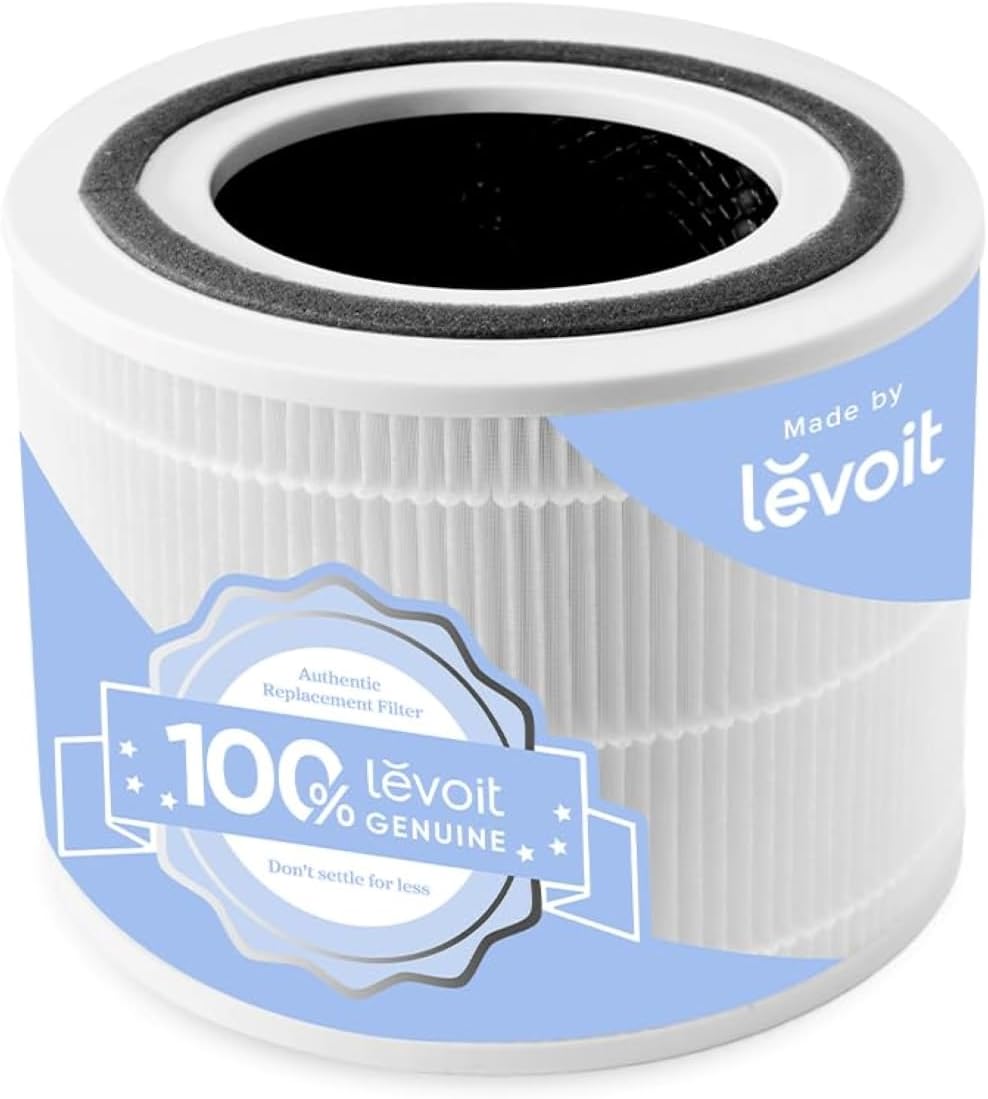
The Levoit Core 300S is a popular choice for its affordability and effectiveness in smaller spaces. It boasts a 3-stage filtration system, including a True HEPA filter, and offers smart connectivity for app control. Its compact size makes it easy to place anywhere, providing targeted dust removal.
Winix 5500-2 Air Purifier
Often cited as one of the best value air purifiers, the Winix 5500-2 excels at removing dust and other airborne contaminants. It features a True HEPA filter, an activated carbon filter, and PlasmaWave technology, which can be turned on or off. It’s well-suited for medium to large living areas.
Comparing Air Purifier Technologies for Dust
Different air purifiers employ various technologies to clean the air. While True HEPA filtration is the most scientifically validated method for particulate removal, some units incorporate additional technologies like ionizers or UV-C lights. It’s important to understand how these technologies work and their potential impact.
HEPA Filtration vs. Other Technologies
True HEPA filters are the benchmark for capturing dust and allergens. Technologies like ionizers can be effective but may produce ozone, a lung irritant. UV-C lights are primarily for killing germs and viruses, not for removing dust particles themselves. For the primary goal of removing dust, a robust HEPA filter remains the most reliable and safest option.
Factors Beyond Filtration: Noise, Energy, and Maintenance
Beyond the core filtration system, several practical aspects influence the daily use of an air purifier. A unit that is too loud can be disruptive, while high energy consumption can lead to increased utility bills. The ease and cost of filter replacement are also significant long-term considerations.
Understanding Noise Levels (Decibels)
Air purifiers operate with varying noise levels, often measured in decibels (dB). While higher fan speeds naturally produce more sound, many modern units offer quiet or sleep modes that operate at very low decibel levels, making them suitable for bedrooms. Always check the dB ratings for different settings if noise is a concern.
Energy Efficiency Ratings and Costs
Look for Energy Star certified models, which indicate higher energy efficiency. While the initial purchase price is important, consider the long-term operating costs, including electricity usage and filter replacement expenses. A more energy-efficient unit can save you money over time.
Filter Replacement Schedule and Costs
Filters need regular replacement to maintain optimal performance. HEPA filters typically last 6-12 months, while carbon filters may need replacing more frequently. Check the manufacturer’s recommended replacement schedule and the cost of replacement filters before purchasing. This is a crucial aspect of long-term ownership.
Where to Place Your Air Purifier for Maximum Dust Capture
The placement of your air purifier significantly impacts its effectiveness in removing dust. Positioning it in high-traffic areas or rooms where dust tends to accumulate most is crucial. Ensuring adequate airflow around the unit allows it to draw in and process more air efficiently.
Optimizing Airflow and Room Dynamics
Place the air purifier away from walls and furniture that might obstruct airflow. Ideally, position it in a central location within the room. For multi-story homes, consider placing units on each floor, focusing on bedrooms and living areas where you spend the most time.
Maintaining Your Air Purifier for Lasting Performance
Regular maintenance is key to ensuring your air purifier continues to provide proven clean air. This primarily involves cleaning the pre-filter and replacing the HEPA and carbon filters as recommended by the manufacturer. Neglecting maintenance can reduce efficiency and even damage the unit.
Cleaning and Replacing Filters: A Step-by-Step Guide
Most air purifiers have an indicator light to signal when filters need attention.
1. Pre-filter: Gently vacuum or rinse with water (check manufacturer instructions).
2. HEPA and Carbon Filters: These are typically not washable and must be replaced. Carefully follow the instructions to remove old filters and install new ones.
Always unplug the unit before performing any maintenance.
Frequently Asked Questions About Air Purifiers for Dust
What is the most important filter for removing dust?
The True HEPA filter is the most crucial component for capturing fine dust particles and allergens.
How often should I replace the HEPA filter?
HEPA filters typically need replacement every 6 to 12 months, depending on usage and air quality.
Can air purifiers completely eliminate dust?
Air purifiers significantly reduce airborne dust, but they cannot eliminate all dust, as dust is also a settling issue. Regular cleaning is still necessary.
Are air purifiers noisy?
Noise levels vary by model and fan speed. Many units have quiet modes suitable for bedrooms.
Do I need an air purifier if I don’t have allergies?
Yes, air purifiers improve overall indoor air quality by removing dust, pet dander, and other pollutants, which benefits everyone’s health.
Which room size is best for an air purifier?
Choose a purifier rated for the specific square footage of your room, or slightly larger for more robust performance.
Conclusion: Investing in Proven Clean Air for a Healthier Home
Finding the best air purifier for removing dust is an investment in your health and comfort. By understanding the importance of True HEPA filtration, CADR ratings, and proper maintenance, you can select a unit that effectively tackles dust and provides a cleaner, fresher living environment. I encourage you to consider models with robust filtration systems and to follow the maintenance guidelines to ensure your air purifier delivers proven clean air for years to come. Breathe easier knowing you’ve made a smart choice for your home.
“`