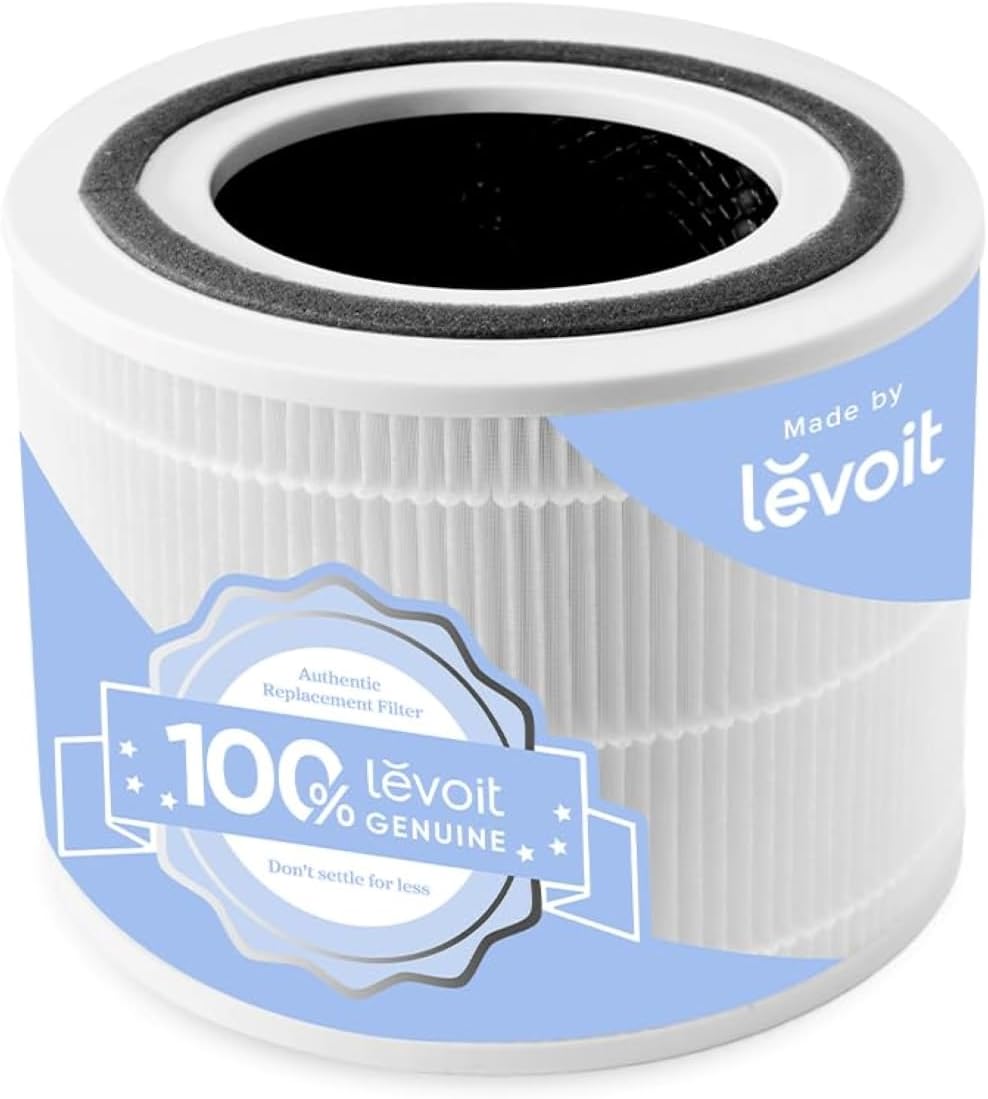
Best Air Purifier For Radon: Proven Safety

The best air purifier for radon is a critical tool for protecting your home’s air quality. While standard purifiers tackle common pollutants, radon requires specialized filtration. This guide explores how air purifiers can mitigate radon safely and effectively, ensuring a healthier living environment.
Radon is a silent, invisible threat that can seep into homes from the ground, posing serious health risks. Many homeowners are understandably concerned about radon levels and seek effective solutions. While professional mitigation is often recommended, understanding how air purifiers can contribute to safety is a crucial step. I’m here to guide you through the complexities of choosing the best air purifier for radon, ensuring you make an informed decision for your family’s well-being. We’ll cover what makes an air purifier effective against radon and what to look for.
Understanding Radon and Its Risks
Radon is a naturally occurring radioactive gas that originates from the breakdown of uranium in soil, rock, and water. It’s odorless, tasteless, and colorless, making it impossible to detect without testing. Over time, radon can accumulate in indoor spaces, particularly basements and lower levels of homes.
Exposure to radon gas is the second leading cause of lung cancer in the United States, after smoking. The World Health Organization (WHO) estimates that radon is responsible for tens of thousands of lung cancer deaths annually worldwide. This makes proactive management of radon levels a significant public health concern.
Can Air Purifiers Actually Remove Radon?
The effectiveness of air purifiers against radon is a nuanced topic. Standard air purifiers with HEPA filters are excellent at capturing particulate matter like dust, pollen, and pet dander. However, radon is a gas, and HEPA filters are not designed to capture gases.
To address radon, an air purifier needs to incorporate activated carbon filtration. Activated carbon is highly porous and has a large surface area, allowing it to adsorb (trap) gas molecules, including radon, effectively. Therefore, the best air purifier for radon will feature a substantial amount of high-quality activated carbon.
The Science Behind Activated Carbon and Radon
Activated carbon works through a process called adsorption, where gas molecules adhere to its surface. The more activated carbon present, and the greater its surface area, the more radon it can effectively trap. This makes the quantity and quality of activated carbon a critical factor in an air purifier’s ability to mitigate radon.
When radon gas passes through the activated carbon filter, its molecules are attracted to and held within the carbon’s microscopic pores. This process physically removes the radon from the air circulating through the purifier. Regular replacement of the carbon filter is essential to maintain its adsorptive capacity.
Key Features to Look for in a Radon Air Purifier
When selecting the best air purifier for radon, several features are paramount. Prioritize units with a substantial activated carbon filter, as this is the primary mechanism for radon removal. Look for a high Clean Air Delivery Rate (CADR) for gases, though this metric is less commonly advertised for radon specifically.
Consider the overall design and build quality, ensuring the unit is sealed to prevent air bypass. Energy efficiency and noise levels are also important for continuous operation. Finally, check for independent certifications or testing that verifies the purifier’s performance in reducing radon.
HEPA vs. Activated Carbon: Understanding the Difference
It’s crucial to distinguish between HEPA filters and activated carbon filters. HEPA filters excel at trapping solid particles, measuring 0.3 microns or larger, with 99.97% efficiency. They are essential for improving air quality by removing allergens and irritants.
Activated carbon filters, on the other hand, are designed to capture volatile organic compounds (VOCs) and gases. They are the key component for addressing radon. The best air purifiers for radon will typically combine both HEPA and activated carbon filtration for comprehensive air cleaning.
How Much Activated Carbon is Enough?
The amount of activated carbon needed to effectively reduce radon levels can vary. Manufacturers often specify the weight of the carbon in their filters, typically measured in pounds. A larger amount of activated carbon generally means a greater capacity to adsorb radon over time.
Look for purifiers that explicitly state they use a significant amount of activated carbon, often measured in pounds rather than just ounces. Some high-end models may even feature multiple stages of carbon filtration or specialized types of activated carbon for enhanced performance.
Radon Testing: The First Essential Step
Before investing in any air purification system, it’s vital to test your home for radon. You can purchase DIY radon test kits from hardware stores or online retailers. These kits are relatively inexpensive and provide a good initial indication of your home’s radon levels.
For more accurate and reliable results, consider hiring a certified radon professional to conduct testing. They use specialized equipment and follow strict protocols. The U.S. Environmental Protection Agency (EPA) provides resources for finding certified radon professionals in your area.
Interpreting Radon Test Results
Radon test results are typically measured in picocuries per liter (pCi/L) of air. The EPA recommends taking action to mitigate radon if levels are 4 pCi/L or higher. Levels between 2 and 4 pCi/L are also considered elevated, and reducing them is advisable.
Understanding your home’s specific radon concentration is crucial for determining the necessary level of intervention. If your tests reveal high levels, professional radon mitigation systems are often the most effective long-term solution.
When is an Air Purifier Sufficient for Radon?
An air purifier is generally considered a supplementary solution for radon, not a primary mitigation method for high levels. It can be effective in reducing radon concentrations in homes with low to moderate radon levels, or as an additional layer of protection after professional mitigation.
It’s important to note that an air purifier will not eliminate radon entirely. Its effectiveness depends on factors like the purifier’s capacity, the size of the room, and the rate at which radon enters the home. Continuous operation and regular filter replacement are critical for any success.
Top Air Purifiers with Significant Activated Carbon for Radon Mitigation
Finding the best air purifier for radon involves looking for models that prioritize substantial activated carbon filtration. While specific radon-reduction claims can be difficult to substantiate without independent testing, certain brands are known for their robust carbon filters.
Here are some brands and models often cited for their strong activated carbon components, which can contribute to radon mitigation:
Coway Airmega Series: Many Coway models, like the Airmega 200M or 300S, feature large, multi-stage filtration systems that include substantial amounts of activated carbon. Their robust design aims to capture a wide range of pollutants, including gases.
Blueair Classic Series: Blueair units, such as the Classic 605 or 680i, often utilize a combination of mechanical filtration and activated carbon in their filters. The amount of carbon can vary, so checking specific model details is advised.
Austin Air HealthMate Series: Austin Air is well-regarded for its medical-grade air purifiers, many of which feature very large activated carbon filters (often weighing 15 lbs or more). These are designed for comprehensive air purification and can be effective for gases.
IQAir HealthPro Series: While expensive, IQAir models like the HealthPro Plus are known for their advanced multi-stage filtration, including a substantial carbon filter designed to remove gases and odors.
It is crucial to research the specific carbon filter capacity of any unit you consider. Manufacturers may not always highlight the exact weight of activated carbon, but reviews and specifications can often provide clues.
How to Maximize Your Air Purifier’s Effectiveness Against Radon
To get the most out of your air purifier for radon, proper placement and consistent use are key. Place the unit in the room where you spend the most time, especially if that room has tested for higher radon levels. Ensure the purifier is running continuously on a medium to high setting.
Regularly check and replace the activated carbon filters according to the manufacturer’s recommendations. Once the carbon is saturated, it can no longer adsorb radon effectively. Keeping the unit clean and ensuring a good seal around the filters also prevents air bypass.
Limitations of Air Purifiers for Radon
Despite their benefits, air purifiers have limitations when it comes to radon. They are not a substitute for professional radon mitigation systems in homes with high radon concentrations. The effectiveness of an air purifier can be overwhelmed by significant radon intrusion.
Furthermore, the lifespan of an activated carbon filter is finite. As it adsorbs radon, it eventually becomes saturated and less effective. This necessitates regular filter replacements, which can add to the ongoing cost of operation.
When to Consider Professional Radon Mitigation
If your radon tests reveal levels at or above 4 pCi/L, it is strongly recommended that you consult with a certified radon mitigation professional. Professional systems are designed to permanently reduce radon levels by creating negative pressure in the home, preventing radon from entering.
These systems often involve sealing cracks in the foundation and installing a vent pipe that draws radon from beneath the house and releases it safely outdoors. An air purifier can then be used to further enhance air quality in conjunction with these professional solutions.
Conclusion: A Safer Home Environment
Choosing the best air purifier for radon involves understanding its limitations and strengths. While not a complete solution for high radon levels, air purifiers with substantial activated carbon filters can play a valuable role in reducing radon concentrations, especially in conjunction with testing and professional mitigation when necessary. Prioritize models with ample activated carbon, maintain them diligently, and always begin with accurate radon testing. By taking these steps, you can create a safer and healthier living environment for your family.
Frequently Asked Questions About Air Purifiers and Radon
How do I know if I need an air purifier for radon?
You need to test your home for radon first. If tests show elevated levels, an air purifier with activated carbon can help reduce them, but professional mitigation is usually recommended for high levels.
Will a HEPA filter remove radon?
No, HEPA filters are designed to capture particulate matter like dust and allergens, not gases like radon. You need an activated carbon filter for gas removal.
How much activated carbon is needed to remove radon?
Look for air purifiers with a significant amount of activated carbon, often measured in pounds. More carbon generally means greater capacity to adsorb radon over time.
How often should I replace the activated carbon filter?
Filter replacement frequency varies by model and usage. Check your air purifier’s manual, but typically, carbon filters need replacement every 6-12 months for optimal performance.
Can an air purifier completely eliminate radon from my home?
An air purifier cannot completely eliminate radon. It can reduce concentrations, but it is not a substitute for professional radon mitigation systems if levels are high.
Where is the best place to put an air purifier for radon?
Place the air purifier in the room where you spend the most time, especially if that room has tested for higher radon levels. Ensure it has good airflow around it.
Are there any official certifications for air purifiers claiming radon removal?
While there isn’t a specific certification solely for “radon removal” by air purifiers, look for certifications like ENERGY STAR for efficiency and consider independent reviews that test performance. Always rely on professional radon testing for accurate home levels.