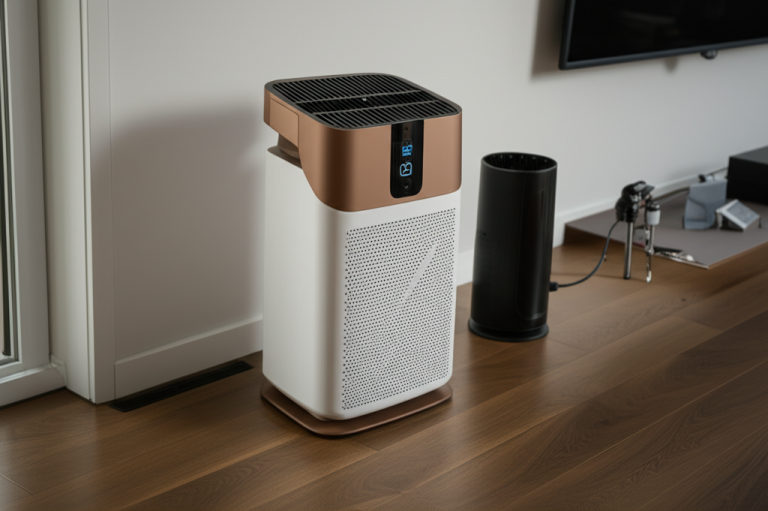
Best Air Purifier for Pet Owners: Proven Relief

The best air purifier for pet owners effectively tackles pet dander, odors, and allergens, providing a breath of fresh air for a cleaner, healthier home environment. Discover top-rated models and crucial features to consider for proven relief from pet-related air quality issues.
For many of us, our pets are cherished family members. However, the joy they bring often comes with a side effect: airborne allergens and persistent odors. If you’re sneezing more than usual or noticing a lingering “pet smell,” an air purifier designed for pet owners can be a game-changer. It’s a simple yet powerful solution to reclaim your home’s air quality. Let’s explore how to find the best air purifier for pet owners and finally achieve that fresh, clean feeling.
Why Pet Owners Need a Dedicated Air Purifier
Pet dander is a common trigger for allergies, causing discomfort and respiratory issues. These microscopic skin flakes, along with pet hair and odors, circulate in the air, settling on surfaces and impacting your home’s environment. A good air purifier acts as a filter, capturing these irritants before they become a problem. This means less sneezing, fewer allergy symptoms, and a noticeably fresher-smelling home.
Understanding Pet Allergens and Odors
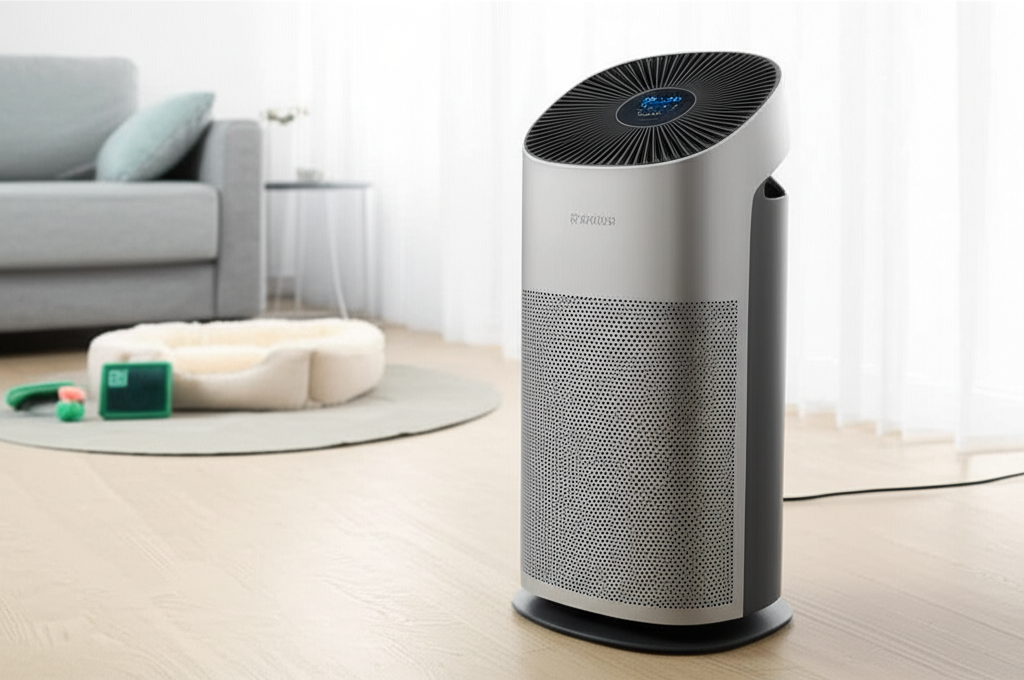
Pet dander consists of tiny protein particles shed from an animal’s skin, urine, and saliva. These particles are incredibly lightweight and can remain airborne for extended periods. Pet odors, on the other hand, are often caused by bacteria breaking down organic matter, and they can be particularly stubborn. Both require specialized filtration to be effectively removed from your living space.
The Impact of Poor Air Quality on Your Health
Living with airborne allergens can lead to chronic sneezing, itchy eyes, runny noses, and even asthma flare-ups. For individuals with existing respiratory conditions, or even those without, consistently breathing in polluted air can negatively affect overall well-being. Investing in an air purifier is an investment in your health and comfort.
Key Features to Look for in the Best Air Purifier for Pet Owners
When selecting an air purifier, certain features are paramount for effectively handling pet-related air pollution. Prioritizing these will ensure you get the most bang for your buck and the best possible relief. It’s about finding a machine that’s built to tackle the unique challenges pets present.
The Crucial Role of HEPA Filters
High-Efficiency Particulate Air (HEPA) filters are essential for capturing microscopic particles like pet dander, dust mites, and pollen. A true HEPA filter is certified to remove at least 99.97% of airborne particles as small as 0.3 microns. This is the gold standard for allergen removal and a non-negotiable feature for any pet owner.
Activated Carbon Filters for Odor Elimination
While HEPA filters excel at capturing particles, activated carbon filters are the heroes of odor removal. These filters use a highly porous form of carbon to absorb and neutralize odor molecules from pet accidents, litter boxes, and general pet smells. Look for purifiers with a substantial amount of activated carbon for maximum odor-fighting power.
Pre-Filters for Pet Hair and Larger Debris
Pet hair and larger dust particles can quickly clog HEPA and carbon filters, reducing their efficiency and lifespan. A washable pre-filter acts as the first line of defense, trapping these larger items. This not only extends the life of your other filters but also maintains optimal performance.
Airflow Capacity (CADR) and Room Size
The Clean Air Delivery Rate (CADR) indicates how quickly an air purifier can clean the air in a specific room size. For pet owners, a higher CADR is generally better, especially in larger living areas or rooms where pets spend a lot of time. Always match the purifier’s recommended room size to your actual space for effective purification.
Noise Levels and Sleep Modes
Air purifiers can sometimes be noisy, especially on higher settings. If you plan to use the purifier in a bedroom or living area where you spend a lot of time, consider models with low noise levels or a dedicated sleep mode that operates quietly. This ensures it provides relief without being disruptive.
Smart Features and Ease of Use
Modern air purifiers often come with smart features like app control, air quality sensors, and automatic modes. These can enhance convenience, allowing you to monitor air quality and adjust settings remotely. Easy-to-understand controls and filter replacement indicators also contribute to a user-friendly experience.
Top-Rated Air Purifiers for Pet Owners in 2024
Based on expert reviews, user feedback, and specific features tailored for pet owners, here are some of the best air purifiers available. These models consistently perform well in tackling dander, odors, and other pet-related air quality issues. My personal experience and research point to these as reliable choices.
Coway Airmega 200M: A Solid All-Rounder
The Coway Airmega 200M is frequently cited as a top performer for pet owners due to its robust filtration system. It combines a true HEPA filter with a washable pre-filter and a highly effective activated carbon filter. Its smart sensor adjusts fan speed automatically based on air quality, making it an efficient choice.
Pros: Excellent filtration, quiet operation, energy-efficient, durable.
Cons: Can be a bit pricier than some basic models.
Levoit Core 300S: Compact Powerhouse
For smaller spaces or those on a budget, the Levoit Core 300S offers impressive performance. It features a 3-stage filtration system including a pre-filter, true HEPA filter, and activated carbon filter, making it adept at capturing dander and odors. Its compact design and quiet sleep mode are also major advantages.
Pros: Affordable, quiet operation, effective for small to medium rooms, smart capabilities.
Cons: Best suited for smaller spaces; may require higher settings for larger areas.
Blueair Blue Pure 211+ Auto: High Capacity and Style
The Blueair Blue Pure 211+ Auto is designed for larger rooms and boasts a unique, high-capacity filter that combines particle and carbon filtration. Its stylish fabric pre-filter is available in various colors and is easily washable. The “Auto” version includes an air quality sensor for automatic adjustments.
Pros: Excellent for large rooms, aesthetically pleasing, very quiet on lower settings.
Cons: Filter replacement costs can add up over time.
Winix 5500-2: Advanced Features at a Great Price
The Winix 5500-2 is a popular choice for its excellent value and comprehensive filtration. It includes a washable fine-mesh pre-filter, a true HEPA filter, and an activated carbon filter. It also features Winix’s PlasmaWave technology, which can neutralize airborne pollutants, though some users prefer to disable it.
Pros: Great value, effective filtration, includes air quality sensor and auto mode.
Cons: PlasmaWave technology is a personal preference for some.
Honeywell HPA300: Powerful Performance for Larger Areas
The Honeywell H300 is a robust option for larger rooms and high allergen environments. It features a true HEPA filter and an activated carbon pre-filter. Its high CADR ensures it can quickly clean the air in a substantial space, making it ideal for homes with multiple pets or significant dander issues.
Pros: Powerful cleaning for large rooms, good at capturing dander and odors, sturdy build.
Cons: Can be a bit louder on higher settings, larger footprint.
How to Maximize Your Air Purifier’s Effectiveness
Purchasing the best air purifier for pet owners is only the first step. Proper placement, regular maintenance, and understanding its limitations are crucial for achieving optimal results. I’ve found that a little attention goes a long way in keeping my home’s air clean.
Strategic Placement in Your Home
Position your air purifier in the room where your pet spends the most time, or where you notice odors and allergens are most prevalent. Placing it on a raised surface or away from walls can improve airflow and filtration efficiency. Avoid placing it directly next to windows or doors where outside air can interfere.
Regular Filter Maintenance is Key
Follow the manufacturer’s recommendations for cleaning pre-filters and replacing HEPA and carbon filters. A clogged filter cannot effectively clean the air and can even recirculate pollutants. Many purifiers have filter indicator lights to remind you when it’s time for a change, which I find incredibly helpful.
Understanding Filter Lifespan and Costs
HEPA filters typically last 6-12 months, while carbon filters may need replacement more frequently, especially in odor-heavy environments. Factor in the ongoing cost of replacement filters when choosing a model. Some purifiers offer longer-lasting or washable filters, which can save money in the long run.
Combining with Other Cleaning Practices
An air purifier is a powerful tool, but it works best as part of a comprehensive cleaning routine. Regular vacuuming with a HEPA-filter vacuum, dusting surfaces, and frequent washing of pet bedding will significantly reduce the amount of dander and allergens in your home. This dual approach ensures the cleanest air possible.
Comparing Air Purifier Technologies for Pet Owners
Different air purifiers utilize various technologies to clean the air. For pet owners, understanding these can help you choose the most effective solution for your specific needs, whether it’s dander, odors, or both.
HEPA vs. Other Filter Types
True HEPA: Captures 99.97% of particles down to 0.3 microns. Essential for dander and allergens.
Washable Filters: Good for larger particles and hair, but don’t replace HEPA for fine allergens.
Activated Carbon: Absorbs odors and VOCs (Volatile Organic Compounds). Crucial for pet smells.
Ionizers and UV-C Lights: These can be effective but may produce ozone, which can be an irritant for some. For pet owners, it’s often best to prioritize HEPA and carbon filtration and ensure any additional technologies are ozone-free.
Ozone Production: A Concern for Some
Some air purification technologies, like ionizers, can produce ozone as a byproduct. While ozone can help neutralize odors, it can also irritate the lungs, especially for those with asthma or allergies. Look for ozone-free certified air purifiers or models that allow you to disable the ozone-producing feature.
Choosing the Right Size Air Purifier for Your Space
The effectiveness of an air purifier is heavily dependent on its size and capacity relative to the room it’s placed in. An undersized unit will struggle to keep up, while an oversized one might be unnecessarily noisy or expensive.
Room Size and CADR Explained
The Clean Air Delivery Rate (CADR) is a standardized measure of how effectively an air purifier filters specific pollutants. It’s measured for dust, pollen, and smoke. For pet owners, a higher CADR for dust and pollen is particularly important. Always check the manufacturer’s recommended room size, and consider opting for a unit rated for a slightly larger space for better performance.
Multi-Room vs. Single-Room Solutions
For larger homes, you might consider a powerful unit for a central living area and smaller units for bedrooms or other frequently used rooms. Alternatively, some larger units are powerful enough to cover multiple rooms if placed strategically in an open-plan layout.
Frequently Asked Questions About Air Purifiers for Pet Owners
Here are some common questions I hear from pet owners looking to improve their home’s air quality with an air purifier.
Will an air purifier completely eliminate pet dander?
While an air purifier can significantly reduce the amount of pet dander in the air, it’s unlikely to eliminate it completely. Dander is microscopic and constantly being shed. However, a good purifier will drastically lower the concentration, providing substantial relief for allergy sufferers.
How often should I replace the filters in my pet owner air purifier?
Filter replacement frequency depends on the model and your home environment. Generally, HEPA filters should be replaced every 6-12 months, and activated carbon filters every 3-6 months, or as recommended by the manufacturer. Heavily polluted environments may require more frequent changes.
Can an air purifier help with pet odors from a litter box?
Yes, air purifiers with robust activated carbon filters are very effective at absorbing and neutralizing common pet odors, including those from litter boxes. Look for models with a substantial amount of activated carbon for the best odor-fighting results.
Are air purifiers safe for pets?
Most air purifiers are safe for pets, especially those that rely on HEPA and activated carbon filtration. However, it’s advisable to avoid models that produce significant ozone, as this can be irritating to pets’ sensitive respiratory systems. Always ensure the unit is stable and out of reach of curious pets to prevent accidents.
How do I know if my air purifier is working effectively?
You can often tell an air purifier is working by noticing a reduction in airborne dust, fewer allergy symptoms, and a fresher smell in the room. Some models also have air quality sensors that display the current air quality level, allowing you to see the purifier in action.
Can an air purifier help with shedding?
An air purifier helps by capturing the dander and hair that becomes airborne. It won’t stop your pet from shedding, but it will significantly reduce the amount of shed hair and dander circulating in your home’s air, making your living space cleaner.
Conclusion: Breathe Easier with the Right Air Purifier
Finding the best air purifier for pet owners doesn’t have to be overwhelming. By understanding the importance of HEPA and activated carbon filtration, considering room size, and prioritizing features that tackle dander and odors, you can make an informed choice. Investing in a quality air purifier is a proactive step towards a healthier, more comfortable home environment for both you and your beloved pets. Enjoy the relief of cleaner air and a fresher living space.