Best Air Purifier For Mold Removal: Proven Essential

The best air purifier for mold removal is a crucial tool for healthier indoor air, effectively capturing airborne mold spores and preventing their spread. This guide will help you choose the right one.
Are you battling stubborn mold in your home? It’s a common and frustrating problem, leading to unpleasant odors and potential health concerns. But don’t worry, tackling airborne mold spores is achievable with the right approach. I’m here to guide you through selecting the best air purifier for mold removal, ensuring your home environment becomes cleaner and healthier.
Why Air Purifiers are Essential for Mold Removal
An air purifier acts as a vital ally in your fight against mold. It doesn’t just mask the problem; it actively removes mold spores from the air you breathe. This is crucial because mold spores are microscopic and can easily travel throughout your home, triggering allergies and respiratory issues.
Understanding Mold Spores and Their Impact
Mold spores are the reproductive units of mold, microscopic and ubiquitous in the environment. When they land on damp surfaces indoors, they can grow and spread rapidly. Inhaling these spores can cause a range of symptoms, from sneezing and itchy eyes to more severe reactions in sensitive individuals.
How Air Purifiers Combat Airborne Mold
The primary function of an air purifier in mold removal is its filtration system. High-efficiency particulate air (HEPA) filters are specifically designed to trap tiny particles, including mold spores, as small as 0.3 microns with 99.97% efficiency. This prevents them from recirculating in your home’s air.
Key Features to Look for in a Mold Removal Air Purifier
When selecting the best air purifier for mold removal, several features stand out as non-negotiable. These elements ensure the device is not only effective but also efficient and safe for your home environment.
The Power of HEPA Filters
A true HEPA filter is the gold standard for capturing mold spores. It’s engineered to trap at least 99.97% of airborne particles that are 0.3 micrometers in diameter. This level of filtration is essential for effectively removing microscopic mold spores from your air.
Activated Carbon Filters for Odor Control
While HEPA filters capture the spores, activated carbon filters are crucial for addressing the musty odors associated with mold. These filters absorb volatile organic compounds (VOCs) and other odor-causing molecules released by mold growth, leaving your air smelling fresh.
CADR: Knowing Your Coverage Area
The Clean Air Delivery Rate (CADR) indicates how quickly an air purifier can clean the air in a room. For mold removal, you’ll want a CADR that is appropriate for the size of the space you intend to use it in. A higher CADR means faster and more effective mold spore removal.
Pre-Filters for Extended Lifespan
A washable pre-filter is a valuable addition. It captures larger particles like dust and pet dander, preventing them from clogging the more sensitive HEPA and carbon filters. This extends the life of your main filters and maintains the purifier’s efficiency.
Top Air Purifier Models for Mold Remediation
Based on expert reviews and user experiences, certain air purifiers consistently perform well for mold removal. These models offer a robust combination of filtration technology, coverage, and user-friendly features.
Coway Airmega 200M: A Reliable Choice
The Coway Airmega 200M is frequently cited as one of the best air purifiers for mold removal. It features a true HEPA filter, an activated carbon filter, and an effective pre-filter system. Its robust performance in medium to large rooms makes it a popular choice for homes battling mold.
Blueair Classic 480i: Advanced Filtration
Blueair’s HEPASilent technology sets it apart, combining electrostatic and mechanical filtration to capture even the smallest particles, including mold spores. The Classic 480i is well-suited for larger spaces and offers excellent air cleaning capabilities. Its sleek design also makes it an attractive addition to any home.
Levoit Core 300S: Compact Powerhouse
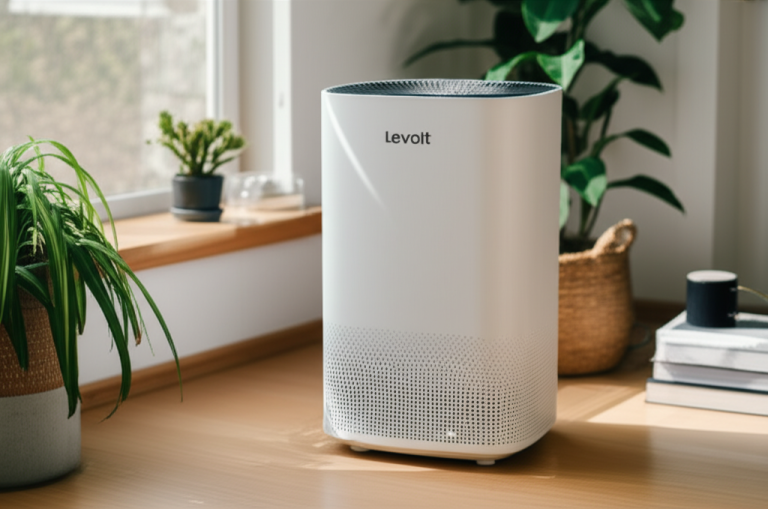
For smaller rooms or apartments, the Levoit Core 300S is a fantastic option. It boasts a three-stage filtration system, including a true HEPA filter, making it effective against mold spores. Its compact size and quiet operation are significant advantages for bedroom or office use.
Understanding Air Purifier Technology for Mold
Different air purification technologies exist, but for mold removal, specific types are far more effective than others. Understanding these technologies helps you make an informed decision about the best air purifier for your needs.
HEPA vs. Other Filtration Methods
True HEPA filters are the benchmark for mold spore removal because of their mechanical capture capabilities. While some purifiers use ionizers or UV-C lights, these methods can sometimes produce ozone, which can be a respiratory irritant. For mold, a physical barrier like a HEPA filter is generally preferred.
The Role of Activated Carbon in Mold Control
Activated carbon filters work by adsorption, a process where odor molecules and VOCs chemically bind to the porous surface of the carbon. This is vital for eliminating the unpleasant smells that often accompany mold growth, providing a more pleasant living environment.
Proper Placement and Maintenance for Maximum Effectiveness
Even the best air purifier for mold removal needs proper placement and regular maintenance to perform at its peak. These steps ensure you get the most out of your investment and maintain optimal air quality.
Where to Position Your Air Purifier
For effective mold spore capture, place your air purifier in the room where mold is most prevalent or where you spend the most time. Ensure there’s adequate space around the unit for unobstructed airflow, typically at least 1-2 feet from walls and furniture.
Filter Replacement Schedule
HEPA and carbon filters have a limited lifespan and need regular replacement to maintain their effectiveness. Check your air purifier’s manual for specific recommendations, but generally, HEPA filters should be replaced every 6-12 months, and carbon filters every 3-6 months.
Cleaning the Pre-Filter
The pre-filter should be cleaned regularly, often by vacuuming or rinsing with water, depending on the model. This simple step prevents it from becoming overloaded and ensures it effectively protects the main filters, extending their life and the overall performance of your air purifier.
Beyond Air Purifiers: A Holistic Approach to Mold Removal
While an air purifier is a powerful tool, it’s essential to remember it’s part of a larger mold remediation strategy. Addressing the source of moisture is paramount for long-term success.
Identifying and Eliminating Moisture Sources
Mold needs moisture to thrive. Thoroughly inspect your home for leaks, condensation, and high humidity. Fixing plumbing issues, improving ventilation in bathrooms and kitchens, and using dehumidifiers in damp areas are critical steps.
Cleaning Visible Mold Growth
Air purifiers capture airborne spores but cannot remove mold that has already established itself on surfaces. You will need to clean visible mold growth using appropriate cleaning solutions, such as a diluted bleach solution or specialized mold removers. Always wear protective gear, including gloves and a mask.
When to Call a Professional Mold Remediation Service
In cases of extensive mold growth, or if you suspect mold in hidden areas like inside walls, it’s best to consult professionals. They have the specialized equipment and expertise to safely and effectively remove mold and address underlying moisture problems.
Signs You Need Professional Help
If mold covers a large area (more than 10 square feet), if the mold is black or appears to be toxic, or if you or your family members experience severe allergic reactions, it’s time to call in the experts. Professionals can conduct air quality tests to assess the extent of the problem.
Frequently Asked Questions About Air Purifiers and Mold
Here are some common questions people have when looking for the best air purifier for mold removal.
Can an air purifier completely eliminate mold?
No, an air purifier can effectively capture airborne mold spores, preventing their spread and reducing their concentration in the air, but it cannot eliminate mold growth on surfaces. Addressing the moisture source is key to complete eradication.
How often should I run my air purifier for mold?
For optimal results in mold removal, it’s recommended to run your air purifier continuously, especially in areas prone to mold or during periods of high spore counts.
Are ozone-generating air purifiers safe for mold removal?
Generally, ozone-generating air purifiers are not recommended for mold removal. Ozone can be a lung irritant and may not be effective at killing mold. True HEPA filters are a safer and more proven method.
What size room can an air purifier cover?
Air purifiers are rated for specific room sizes. Always choose a unit with a CADR (Clean Air Delivery Rate) that matches or exceeds the square footage of the room you intend to use it in for effective mold spore capture.
How do I know if my air purifier is working for mold?
You may notice a reduction in musty odors and a decrease in allergy symptoms. Regularly checking and replacing filters as recommended by the manufacturer is also a good indicator of ongoing performance.
Conclusion: Investing in Cleaner Air for Your Home
Choosing the best air purifier for mold removal is a significant step towards a healthier living space. By understanding the key features like HEPA filtration and activated carbon, selecting a model suited for your room size, and committing to regular maintenance, you can effectively combat airborne mold spores. Remember that an air purifier is part of a broader strategy that includes addressing moisture sources and cleaning visible mold.
This proactive approach, combining advanced technology with diligent care, will help you breathe easier and enjoy a cleaner, mold-free home. Your health and comfort are worth the investment in a quality air purifier.