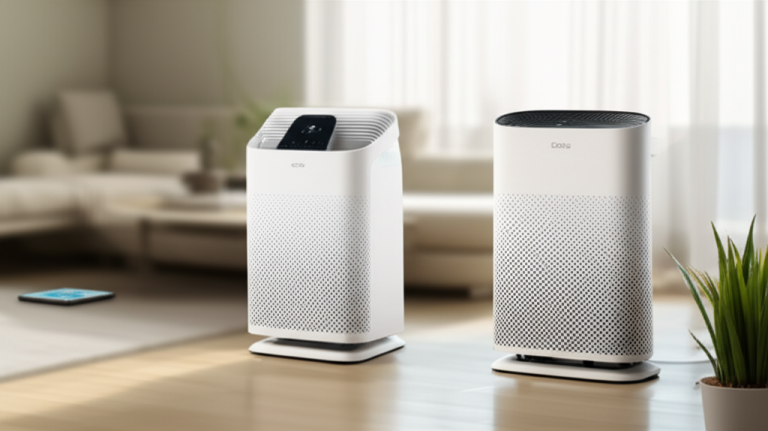
Are Ozone Air Purifiers Safe? Essential Facts Revealed

Are ozone air purifiers safe? While they can effectively neutralize odors and kill germs, ozone gas can be harmful to your health at high concentrations, posing risks to lungs and respiratory systems. It’s crucial to understand the science and usage guidelines to ensure safety.
The air in our homes should be a sanctuary, yet invisible pollutants can compromise its quality. Many of us turn to air purifiers, but a specific type, ozone generators, sparks debate. You might be wondering, “Are ozone air purifiers safe?” It’s a valid concern, as these devices work by releasing ozone gas. This article will demystify ozone air purifiers, separating fact from fiction so you can make an informed decision about your home’s air quality. We’ll explore how they work, the potential risks, and the safest ways to use them, if at all.
Understanding Ozone Air Purifiers
Ozone air purifiers, also known as ozone generators, are devices designed to purify air by producing ozone (O3). Ozone is a molecule made up of three oxygen atoms, and it’s a powerful oxidizing agent. This oxidizing property is what allows it to break down pollutants, neutralize odors, and kill microorganisms like bacteria and viruses. Unlike HEPA filters that trap particles, ozone generators actively change the chemical composition of airborne contaminants.
They are often marketed for their ability to eliminate stubborn smells from smoke, pets, mold, and even cooking. The process involves using electricity to split oxygen molecules (O2) in the air, which then recombine to form ozone (O3). This reactive gas then interacts with other molecules in the air, effectively neutralizing them.
How Ozone Generators Work to Clean Air
Ozone generators work through a process of oxidation. When ozone gas is released into the air, it seeks out and reacts with other molecules. This includes volatile organic compounds (VOCs) that cause odors, as well as biological contaminants like bacteria, viruses, and mold spores. The ozone molecule essentially “steals” an oxygen atom from these target molecules, breaking them down into less harmful substances.
This chemical reaction can effectively neutralize odors and reduce the presence of airborne pathogens. However, it’s important to remember that ozone itself is a gas, and its effectiveness and safety depend heavily on the concentration and the environment in which it’s used. The goal is to have enough ozone to react with pollutants, but not so much that it becomes a health hazard.
Are Ozone Air Purifiers Safe for Humans and Pets?
This is the crucial question, and the answer is nuanced: ozone air purifiers are generally not considered safe for use in occupied spaces. The U.S. Environmental Protection Agency (EPA) warns that inhaling ozone can irritate the lungs and can worsen conditions like asthma, bronchitis, and emphysema. Even at low concentrations, ozone can cause coughing, shortness of breath, and chest pain.
For pets, the risks are similar. Their smaller bodies and more rapid breathing rates can make them even more susceptible to the harmful effects of ozone. Therefore, it is strongly advised to use ozone generators only in unoccupied spaces and to ensure thorough ventilation afterward.
Potential Health Risks Associated with Ozone Exposure
The health risks of ozone exposure are well-documented by health organizations like the EPA and the World Health Organization (WHO). Inhaling ozone can lead to a range of respiratory problems. It can inflame the airways, reduce lung function, and make you more susceptible to respiratory infections. Long-term exposure can even lead to permanent lung damage.
Symptoms of ozone exposure can include:
Coughing and throat irritation
Shortness of breath or difficulty breathing
Chest pain
Worsening of asthma and other lung diseases
Increased susceptibility to respiratory infections
It’s vital to understand that ozone is a lung irritant, and its benefits for air purification are outweighed by its risks when used improperly.
Scientific Consensus on Ozone Air Purifiers
The scientific community and regulatory bodies largely agree on the potential dangers of ozone air purifiers. Organizations like the EPA have issued clear warnings about their use, particularly in homes. Studies have shown that ozone generators can produce ozone levels far exceeding safe limits recommended by health authorities.
Furthermore, some research suggests that the byproducts created when ozone reacts with certain indoor chemicals can be more harmful than the original pollutants. This is a critical point often overlooked by manufacturers. The consensus is that ozone generators should not be used in homes or occupied spaces due to the inherent health risks.
When Are Ozone Generators Considered “Safe” (with extreme caution)?
The only scenario where ozone generators might be considered for use is in completely unoccupied spaces for specific purposes, such as odor remediation after a fire or flood. In these cases, a professional technician would typically operate the device, ensuring extremely high ozone concentrations for a short period. After treatment, the space must be thoroughly aired out for an extended period to allow the ozone to dissipate and break down back into oxygen.
This process requires specialized knowledge and equipment to monitor ozone levels and ensure safety. For everyday home use, even at lower settings, the risks of exceeding safe ozone concentrations and harming occupants or pets are too high.
Safer Alternatives for Air Purification
Fortunately, you don’t need to resort to ozone generators to achieve cleaner indoor air. There are several highly effective and safe alternatives available. HEPA (High-Efficiency Particulate Air) filters are a standard and proven technology that captures 99.97% of airborne particles, including dust, pollen, pet dander, and mold spores.
Other effective technologies include:
Activated Carbon Filters: Excellent for absorbing odors and VOCs.
UV-C Light: Can help kill airborne bacteria and viruses, often used in conjunction with HEPA filters.
Ionizers (with caution): Some ionizers produce ozone as a byproduct; look for models certified to produce minimal to no ozone.
Investing in a quality air purifier with a HEPA filter is a much safer and more reliable way to improve your home’s air quality.
How to Choose a Safe Air Purifier: Key Features to Look For
When selecting an air purifier, prioritize safety and effectiveness. Look for models that explicitly state they are ozone-free or have certifications verifying low to no ozone emissions. The Association of Home Appliance Manufacturers (AHAM) provides certifications for air purifiers, indicating their performance in removing specific pollutants.
Key features to consider include:
HEPA Filter: Ensures effective capture of particulate matter.
Activated Carbon Filter: Addresses odors and gases.
AHAM Verified Seal: Indicates independent performance testing.
Ozone-Free Certification: Crucial for avoiding health risks.
* Appropriate CADR (Clean Air Delivery Rate): Matches the size of your room.
Choosing a purifier with these features will provide cleaner air without compromising your health.
Understanding Ozone Levels and Regulations
Regulatory bodies like the EPA have established guidelines for safe ozone levels. The recommended limit for ozone in indoor environments is very low, often in the parts per billion (ppb) range. Many ozone generators, especially those marketed for home use, can easily exceed these limits, even at their lowest settings.
It’s challenging for consumers to accurately measure ozone levels produced by these devices. Without proper testing equipment, you’re essentially guessing about the safety of the air you’re breathing. This uncertainty underscores why avoiding ozone generators for general air purification is the safest approach.
Expert Opinions and Recommendations on Ozone Generators
Leading health organizations and environmental agencies strongly advise against using ozone generators in homes and occupied spaces. The American Lung Association, for example, cautions consumers about the dangers of ozone. Experts emphasize that the potential health risks associated with inhaling ozone far outweigh any perceived benefits for general air purification.
If you’re struggling with persistent odors or air quality issues, consult with indoor air quality professionals. They can help identify the source of the problem and recommend safe, effective solutions tailored to your specific needs.
Frequently Asked Questions About Ozone Air Purifiers
Are ozone air purifiers safe to run continuously?

No, ozone air purifiers are not safe to run continuously in occupied spaces. They should only be used in unoccupied areas for specific remediation purposes, followed by extensive ventilation.
Can ozone air purifiers damage my furniture or belongings?
Yes, high concentrations of ozone can damage certain materials over time, including rubber, plastics, and fabrics, causing them to degrade or discolor.
Do ozone air purifiers actually work to remove allergens?
While ozone can break down some organic compounds, it’s not an effective or safe method for removing allergens like dust mites, pollen, or pet dander. HEPA filters are the recommended solution for allergen removal.
Are there any ozone-free air purifiers that are effective?
Absolutely. Air purifiers that use HEPA filters, activated carbon, and UV-C light (without significant ozone production) are highly effective and safe for continuous use in homes.
What should I do if I’ve been exposed to ozone from an air purifier?
If you experience symptoms like coughing, shortness of breath, or chest pain after exposure to ozone, immediately leave the area and move to fresh air. If symptoms persist or are severe, seek medical attention.
Can ozone generators be used in unoccupied rooms?
Yes, ozone generators are sometimes used in completely unoccupied rooms for specialized odor removal tasks, such as after a fire. However, this requires professional operation and thorough post-treatment ventilation.
What are the health effects of low-level ozone exposure?
Even low-level ozone exposure can cause respiratory irritation, coughing, and throat discomfort. Long-term exposure can lead to more serious lung issues.
Conclusion: Prioritizing Health with Safer Air Purification
So, are ozone air purifiers safe? The overwhelming scientific consensus and expert recommendations point to no, especially for regular use in homes and occupied spaces. While they possess potent oxidizing capabilities, the risk of inhaling harmful ozone gas and its byproducts poses significant health threats. The potential for lung irritation, aggravation of respiratory conditions, and damage to sensitive materials makes them a questionable choice for everyday air quality improvement.
Instead of risking your health and that of your loved ones, I strongly advocate for exploring proven, safe alternatives. Air purifiers equipped with HEPA filters and activated carbon are highly effective at capturing particles and neutralizing odors without releasing harmful gases. When considering any air purification device, always prioritize certifications, ozone-free operation, and expert recommendations. Your health and well-being are paramount, and choosing the right air purifier is a crucial step in creating a truly healthy indoor environment.