Are Air Purifiers Good For Eczema: Proven Relief

Yes, air purifiers can offer proven relief for eczema by significantly reducing airborne irritants that trigger flare-ups, creating a cleaner breathing environment.
Are Air Purifiers Good For Eczema: Proven Relief
Dealing with eczema can be a daily challenge, with itchy, inflamed skin affecting comfort and well-being. You might be wondering if there’s anything you can do to improve your living environment to help manage these symptoms. Many people explore various solutions, and the question of whether air purifiers can make a difference for eczema sufferers is a common one. This article will explore the science behind air purification and its potential benefits for eczema, guiding you toward a clearer, more comfortable space.
Understanding Eczema and Environmental Triggers
Eczema, also known as atopic dermatitis, is a chronic skin condition characterized by dry, itchy, and inflamed patches of skin. While genetics and immune system responses play a significant role, environmental factors can heavily influence flare-ups. These triggers can include allergens, irritants, and pollutants present in the air we breathe. Identifying and minimizing exposure to these triggers is a cornerstone of effective eczema management.
Common Airborne Eczema Triggers
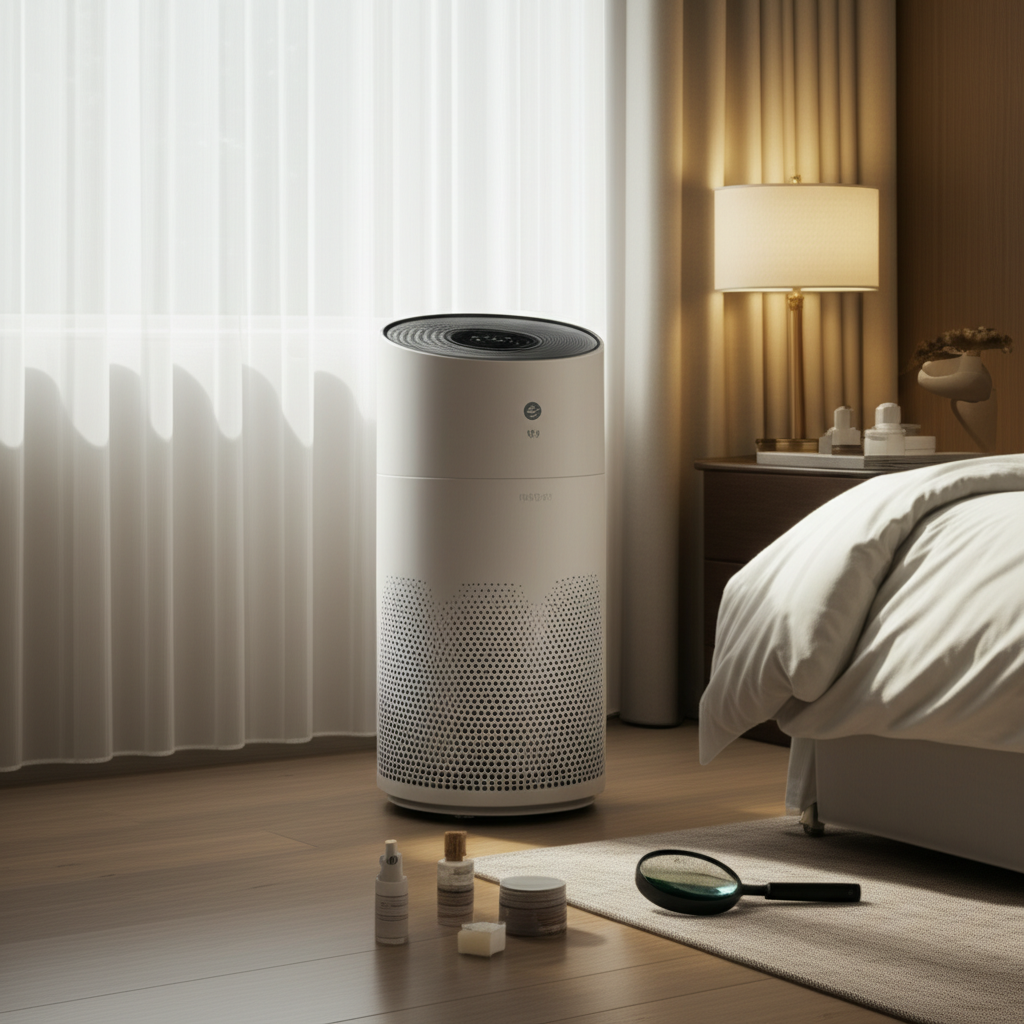
Dust Mites: Microscopic creatures that thrive in dust, their waste products are potent allergens.
Pet Dander: Tiny flakes of skin shed by animals like cats and dogs.
Pollen: Fine powdery substances released by plants, a seasonal trigger for many.
Mold Spores: Fungi that can grow in damp environments, releasing spores into the air.
Volatile Organic Compounds (VOCs): Chemicals emitted from paints, cleaning products, and furniture.
Smoke: From cigarettes, fireplaces, or cooking.
These airborne particles can settle on the skin or be inhaled, triggering inflammatory responses that exacerbate eczema symptoms. For individuals with sensitive skin, even low levels of these irritants can lead to discomfort.
How Air Purifiers Work to Combat Eczema Triggers
Air purifiers are designed to remove contaminants from the air, thereby improving indoor air quality. They typically draw in surrounding air, pass it through a series of filters, and then release cleaner air back into the room. Different types of filters target different pollutants, making them a versatile tool for creating a healthier living space.
The Role of HEPA Filters
High-Efficiency Particulate Air (HEPA) filters are the gold standard in air purification for allergen removal. A true HEPA filter can capture at least 99.97% of airborne particles as small as 0.3 microns. This includes many common eczema triggers like dust mite allergens, pet dander, pollen, and mold spores. By trapping these particles, HEPA filters prevent them from circulating in the air and coming into contact with sensitive skin.
Activated Carbon Filters for Odors and VOCs
Beyond HEPA filters, many air purifiers also incorporate activated carbon filters. These filters are porous and excel at adsorbing gases, odors, and VOCs. While HEPA filters tackle solid particles, activated carbon addresses chemical irritants and unpleasant smells that can also aggravate eczema. This dual-filtration approach offers comprehensive protection against a wider range of airborne triggers.
Scientific Evidence Supporting Air Purifiers for Eczema
While direct, large-scale clinical trials exclusively on air purifiers and eczema are still emerging, the scientific principles and existing research strongly suggest their benefit. The reduction of known allergens and irritants in the home environment directly addresses key factors that contribute to eczema flare-ups. Studies focusing on asthma and allergies, which share many common triggers with eczema, have shown positive outcomes with air purifier use.
Allergen Reduction and Symptom Improvement
Research consistently shows that air purifiers effectively reduce airborne allergen levels in homes. For example, studies have demonstrated significant reductions in dust mite allergens and pet dander concentrations after the introduction of air purifiers. Given that these allergens are well-documented triggers for eczema, their reduction can logically lead to fewer inflammatory responses and milder symptoms.
Impact on Respiratory Allergies and Asthma
Individuals with eczema often have a higher prevalence of other allergic conditions like asthma and allergic rhinitis. Studies on these conditions have shown that air purifiers can lead to decreased symptom severity and reduced need for medication. This suggests a broader benefit for overall allergic health, which is intrinsically linked to eczema management. A study published in the Journal of Allergy and Clinical Immunology highlighted the potential of HEPA filters in reducing exposure to indoor allergens.
Choosing the Right Air Purifier for Eczema Relief
Not all air purifiers are created equal, and selecting the right one is crucial for maximizing benefits for eczema. Key features to consider include the type of filtration, the unit’s coverage area, noise level, and energy efficiency. Investing in a unit with robust filtration and appropriate capacity for your space will yield the best results.
Key Features to Look For
True HEPA Filter: Essential for capturing fine particulate allergens.
Activated Carbon Filter: Important for removing odors and VOCs.
CADR (Clean Air Delivery Rate): Indicates how quickly the purifier cleans a room; choose a CADR suitable for your room size.
Coverage Area: Ensure the purifier is rated for the square footage of the room you intend to use it in.
Low Noise Level: Especially important for bedrooms to ensure undisturbed sleep.
No Ozone Production: Some purifiers, particularly ionizers, can produce ozone, which is a lung irritant and can worsen eczema. Look for ozone-free certifications.
Consider brands known for their quality filtration systems, such as Coway, Blueair, or Levoit, which often offer models with comprehensive filter combinations.
Placement and Maintenance for Optimal Performance
Proper placement and regular maintenance are vital for an air purifier to function effectively. Place the unit in the room where you spend the most time, especially bedrooms, as sleep is crucial for skin healing. Ensure there is adequate airflow around the unit, avoiding placement near walls or furniture that could obstruct intake.
Regular filter replacement, as per the manufacturer’s instructions, is non-negotiable. Clogged filters become inefficient and can even become a source of allergens themselves. This consistent upkeep ensures the purifier continues to deliver clean air and provide the intended relief for your eczema.
How Air Purifiers Help Specific Eczema Triggers
The effectiveness of air purifiers lies in their ability to directly address the airborne culprits behind eczema flare-ups. By removing these specific irritants from the air, they create a more soothing environment for sensitive skin.
Targeting Dust Mites and Pet Dander
Dust mites and pet dander are among the most common and potent indoor allergens that trigger eczema. A good quality air purifier with a HEPA filter can capture these microscopic particles, reducing their concentration in the air. This means less exposure for your skin, potentially leading to fewer itchy episodes and less inflammation.
Mitigating Mold Spores and Pollen
Mold can thrive in humid areas of the home, releasing spores that can irritate the skin and respiratory system. Pollen, while often seasonal, can be tracked indoors and persist. Air purifiers equipped with HEPA filters are highly effective at trapping these airborne fungal spores and plant allergens, thus creating a sanctuary from these common irritants.
Neutralizing VOCs and Chemical Irritants
Many everyday household products, from cleaning supplies to new furniture, off-gas VOCs. These chemicals can be irritating to the skin and respiratory tract, potentially worsening eczema. Air purifiers with activated carbon filters are designed to adsorb these gases, reducing their presence in the air and contributing to a healthier indoor atmosphere.
Beyond Air Purifiers: A Holistic Approach to Eczema Management
While air purifiers can be a valuable tool, they are most effective when integrated into a broader eczema management strategy. Addressing other aspects of your environment and lifestyle can significantly enhance the benefits you experience.
Creating an Eczema-Friendly Home Environment
Minimizing dust accumulation through regular cleaning, using allergen-proof bedding covers, and controlling humidity levels are all essential steps. Washing bedding frequently in hot water can kill dust mites, and using a dehumidifier or air conditioner can help prevent mold growth. These practices complement the work of an air purifier by reducing the sources of allergens and irritants.
Diet, Stress, and Skincare Routine
A balanced diet, stress management techniques, and a consistent, gentle skincare routine are also crucial for managing eczema. Identifying and avoiding food triggers, practicing mindfulness or yoga, and using hypoallergenic, moisturizing lotions can work in synergy with improved air quality. A comprehensive approach ensures all potential factors contributing to eczema are addressed.
Expert Opinions and Research Findings
Dermatologists and allergists often recommend strategies to reduce environmental triggers for eczema. While they may not always prescribe a specific air purifier model, they frequently advise patients to improve indoor air quality. Research continues to explore the intricate relationship between indoor environments and skin health.
What Dermatologists Recommend
Many dermatologists emphasize the importance of reducing exposure to allergens and irritants for eczema patients. They often suggest measures like vacuuming with a HEPA filter, reducing dust-collecting items, and ensuring good ventilation. While not a cure, improving air quality is a widely accepted supportive measure for eczema management.
Emerging Research on Air Quality and Skin Health
Ongoing studies are delving deeper into the impact of air pollution and indoor air quality on various skin conditions, including eczema. Findings suggest a strong correlation between exposure to particulate matter and increased inflammation, reinforcing the potential benefit of air purification. Organizations like the National Eczema Association often provide resources on environmental triggers and management strategies.
Are Air Purifiers Good for Eczema: A Summary of Benefits
In summary, air purifiers offer a tangible way to improve the indoor environment for individuals with eczema. By actively removing common airborne triggers, they can lead to a noticeable reduction in symptom severity and frequency.
Key Benefits for Eczema Sufferers
Reduced Allergen Exposure: Captures dust mites, pet dander, pollen, and mold spores.
Improved Air Quality: Filters out pollutants, VOCs, and smoke.
Fewer Flare-Ups: Minimizes triggers that can cause skin inflammation and itching.
Better Sleep Quality: Cleaner air can lead to more restful sleep, aiding skin repair.
Support for Overall Health: Benefits those with co-existing allergies or asthma.
Investing in a quality air purifier is a proactive step toward creating a more comfortable and healing space, contributing significantly to managing eczema.
Pros and Cons of Using Air Purifiers for Eczema
Like any intervention, air purifiers come with their own set of advantages and disadvantages when it comes to managing eczema. Understanding these can help you make an informed decision.
Advantages
Effective Allergen Removal: HEPA filters are highly efficient at trapping microscopic irritants.
Reduced Symptom Severity: Can lead to less itching, redness, and inflammation.
Improved Sleep: A cleaner environment promotes better rest.
Long-Term Health Benefits: Contributes to overall better indoor air quality.
Ease of Use: Most models are plug-and-play with minimal setup.
Disadvantages
Initial Cost: Quality air purifiers can be a significant investment.
Ongoing Maintenance: Filters need regular replacement, adding to the cost.
Energy Consumption: Units can increase electricity bills.
Noise Levels: Some models can be disruptive, especially in bedrooms.
* Not a Cure: Air purifiers manage symptoms; they do not cure eczema.
Despite the drawbacks, for many individuals, the benefits of reduced eczema symptoms and improved quality of life far outweigh the costs and efforts involved.
Choosing the Right Air Purifier: A Quick Guide
Selecting the best air purifier for eczema involves considering a few critical factors to ensure it meets your specific needs. Focus on filtration technology and room coverage.
| Feature | Importance for Eczema | Recommendation
FAQ: Air Purifiers and Eczema
Q1: Can an air purifier cure my eczema?
No, an air purifier is not a cure for eczema. It is a tool to help manage environmental triggers that can worsen symptoms.
Q2: Which type of air purifier is best for eczema?
Look for units with a true HEPA filter to capture allergens and an activated carbon filter to remove VOCs and odors. Avoid ozone-generating purifiers.
Q3: How quickly will I see results after using an air purifier for eczema?
Results vary, but some individuals notice improvements in as little as a few days to a couple of weeks as airborne irritants are reduced. Consistent use is key.
Q4: How often do I need to replace the filters?
Filter replacement schedules vary by model and usage. Typically, HEPA filters need replacing every 6-12 months, and carbon filters every 3-6 months. Check your manufacturer’s recommendations.
Q5: Can air purifiers help with eczema caused by dust?
Yes, air purifiers with HEPA filters are very effective at capturing dust particles and dust mite allergens, which are common eczema triggers.
Q6: Should I run an air purifier all day?
Running an air purifier continuously, especially in bedrooms and living areas, is recommended for optimal air quality and consistent relief from triggers.
Q7: Are there any side effects to using air purifiers for eczema?
When choosing ozone-free models and maintaining them properly, air purifiers are generally safe. Ozone-producing units can irritate the lungs and worsen eczema.
Conclusion
The evidence suggests that air purifiers can be a highly beneficial addition to an eczema management plan. By effectively reducing exposure to common airborne triggers like dust mites, pet dander, pollen, mold spores, and VOCs, they create a cleaner, healthier indoor environment. This reduction in irritants can translate to fewer eczema flare-ups, less itching, and improved overall skin comfort. While not a standalone cure, when combined with a holistic approach that includes diligent skincare, environmental control, and lifestyle adjustments, an air purifier plays a significant role in providing proven relief for eczema. Investing in a quality air purifier with a true HEPA filter and an activated carbon filter is a proactive step towards achieving a more comfortable and manageable life with eczema.