
Are Air Purifier Good For Mold? Essential Defense!

Yes, air purifiers can be a valuable tool in your defense against mold, especially for capturing airborne mold spores and improving indoor air quality. They work by filtering out these microscopic particles, preventing them from spreading further and potentially triggering allergies or respiratory issues.
Are Air Purifiers Good for Mold? Your Essential Defense!
Dealing with mold in your home can be a frustrating and even concerning experience. You might be wondering if there’s a simple solution to combat those pesky spores floating in the air. The good news is, air purifiers can play a significant role in your mold defense strategy. Let’s explore how these devices work and if they are truly good for mold remediation.
Understanding the Mold Menace in Your Home
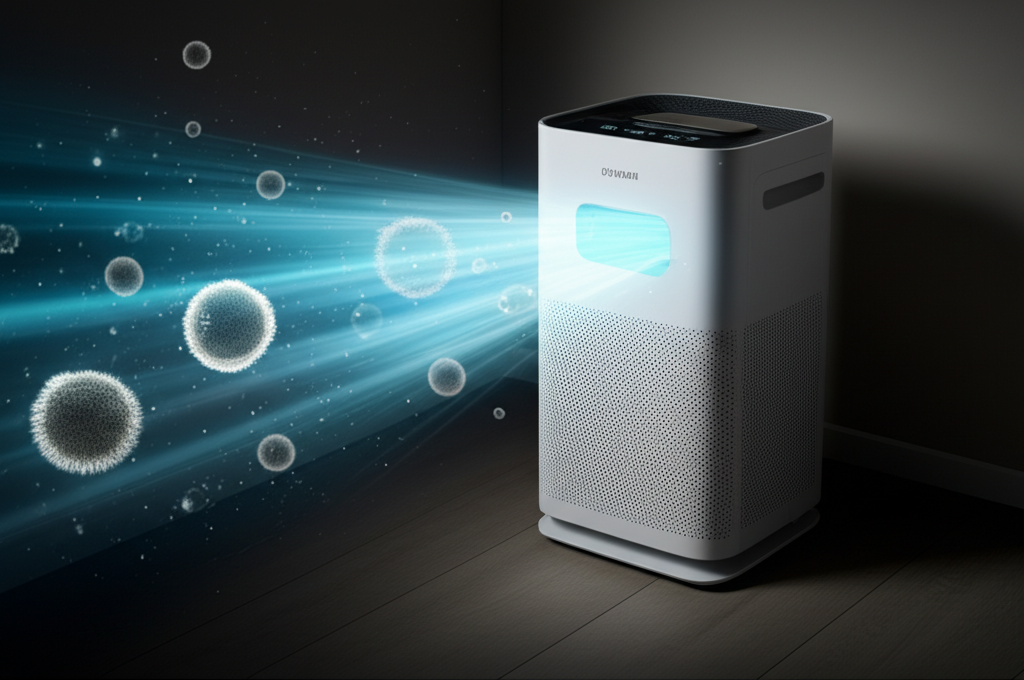
Mold thrives in damp, humid environments and can grow on almost any surface. Its microscopic spores are easily released into the air, where they can spread throughout your home. Inhaling these spores can lead to a range of health problems, from allergies and asthma to more severe respiratory issues. Identifying and eliminating the source of moisture is crucial, but managing airborne spores is equally important for a healthier living space.
Key Takeaway: Mold spores are invisible and can easily circulate in your home, impacting air quality and health.
How Air Purifiers Combat Airborne Mold Spores
Air purifiers are designed to capture tiny particles from the air, including mold spores. They use various filtration technologies to trap these contaminants, preventing them from being inhaled or settling on surfaces. By continuously circulating and cleaning the air, they can significantly reduce the concentration of mold spores in a room. This makes them a valuable addition to any mold management plan.
Key Takeaway: Air purifiers filter out mold spores, reducing their presence in the air you breathe.
The Role of HEPA Filters in Mold Removal
High-Efficiency Particulate Air (HEPA) filters are the gold standard for air purification, especially when dealing with mold. A true HEPA filter is certified to capture at least 99.97% of airborne particles as small as 0.3 microns. Since mold spores are typically within this size range, HEPA filters are highly effective at trapping them. This prevents spores from recirculating and helps maintain cleaner air.
Key Takeaway: HEPA filters are essential for effectively capturing mold spores due to their high capture rate for small particles.
Are Air Purifiers Good for Mold? The Direct Answer
Yes, air purifiers are good for mold, but with an important caveat: they are a part of the solution, not the entire solution. They excel at capturing airborne mold spores, thereby improving air quality and reducing exposure. However, they cannot eliminate mold growth itself, which requires addressing the underlying moisture problem. Think of them as a crucial defense mechanism against airborne threats.
Key Takeaway: Air purifiers are effective against airborne mold spores but don’t solve the root cause of mold growth.
Types of Air Purifiers and Their Effectiveness Against Mold
Different air purifiers utilize various technologies, each with its own strengths and weaknesses regarding mold.
HEPA Filter Purifiers: As mentioned, these are highly effective for capturing mold spores. They physically trap particles.
Activated Carbon Filters: These filters are excellent for absorbing odors associated with mold but do not capture the spores themselves. They are often used in conjunction with HEPA filters.
UV-C Light Purifiers: UV-C light can kill mold spores and other microorganisms. However, its effectiveness depends on the contact time and intensity of the light, and it may not capture all spores.
Ionizers and Ozone Generators: While these can neutralize some airborne particles, they can also produce ozone, which is a lung irritant and can exacerbate respiratory conditions. Their use for mold is generally not recommended.
Key Takeaway: HEPA filters are the most reliable for capturing mold spores, while activated carbon helps with odors.
Choosing the Right Air Purifier for Mold Control
When selecting an air purifier for mold, prioritize models with a true HEPA filter. Look for a unit with a high Clean Air Delivery Rate (CADR) suitable for the size of your room. Consider the unit’s noise level and energy consumption. Some purifiers also feature pre-filters to capture larger particles, extending the life of the HEPA filter.
Key Takeaway: Opt for HEPA filters and a suitable CADR for effective mold spore capture in your space.
Where to Place Your Air Purifier for Maximum Impact
Strategic placement is key to maximizing your air purifier’s effectiveness against mold. Place it in rooms where mold is a known issue or where you spend the most time, such as bedrooms or living areas. Ensure there’s adequate space around the unit for proper air circulation. Avoid placing it directly against walls or furniture that could obstruct airflow.
Key Takeaway: Position your air purifier in high-traffic or mold-prone areas, ensuring unobstructed airflow.
Beyond Air Purifiers: A Holistic Approach to Mold Management
While air purifiers are excellent for managing airborne mold spores, they are most effective when combined with other mold prevention strategies. Addressing the source of moisture is paramount. This involves fixing leaks, improving ventilation, and controlling humidity levels. Regular cleaning and inspecting for mold growth are also essential components of a comprehensive mold defense plan.
Key Takeaway: Combine air purification with moisture control and regular cleaning for complete mold management.
Can Air Purifiers Eliminate Mold Growth?
No, air purifiers cannot eliminate mold growth. Mold requires moisture to grow and spread. An air purifier can only remove the spores that are already airborne. To stop mold growth, you must identify and fix the source of the moisture problem, such as a leaky pipe or poor ventilation. Once the moisture source is removed, you can then clean the affected areas.
Key Takeaway: Air purifiers capture spores but do not stop mold from growing; moisture control is the key.
Maintaining Your Air Purifier for Optimal Performance
To ensure your air purifier continues to effectively capture mold spores, regular maintenance is crucial. This typically involves cleaning or replacing the filters according to the manufacturer’s instructions. A clogged filter will reduce airflow and diminish the unit’s effectiveness. Check your owner’s manual for specific cleaning and replacement schedules.
Key Takeaway: Regularly clean or replace filters to maintain your air purifier’s efficiency in capturing mold spores.
Frequently Asked Questions About Air Purifiers and Mold
Q1: Will an air purifier kill mold?
A1: Air purifiers with HEPA filters capture mold spores, preventing them from spreading. Some units with UV-C light may kill spores, but they don’t eliminate the mold itself.
Q2: How often should I run my air purifier for mold?
A2: For best results, run your air purifier continuously, especially in areas with known mold issues or high humidity.
Q3: Can an air purifier help with mold allergies?
A3: Yes, by removing airborne mold spores, air purifiers can significantly reduce allergy symptoms for sensitive individuals.
Q4: What is the best type of filter for mold?
A4: A true HEPA filter is the most effective for capturing mold spores.
Q5: Do air purifiers remove mold smell?
A5: While HEPA filters capture spores, activated carbon filters are best for absorbing mold odors. Many purifiers combine both.
Q6: Can I use an air purifier in a bathroom with mold?
A6: Yes, especially in bathrooms prone to humidity and mold. Ensure the unit is suitable for the room’s size and humidity levels.
Conclusion: Air Purifiers as a Vital Ally Against Mold
In conclusion, are air purifiers good for mold? Absolutely, they are a vital ally in your fight against mold-related air quality issues. By effectively capturing airborne mold spores, they contribute significantly to a healthier indoor environment. Remember, however, that an air purifier is a powerful tool within a larger mold management strategy. Addressing moisture sources and maintaining good ventilation are equally critical. Investing in a quality air purifier with a HEPA filter can provide essential defense, offering peace of mind and cleaner air for you and your family.
