
Air Purifiers for Cars: Your Essential Guide

Breathe easier on every drive with our essential guide to air purifiers for cars. Discover how these devices combat allergens, odors, and pollutants, ensuring a healthier cabin environment for you and your passengers. Learn what to look for and how to choose the best model for your needs.
The air inside your car can be surprisingly polluted, often worse than the air outside. From exhaust fumes and dust to allergens and unpleasant odors, your vehicle’s cabin can become a breeding ground for contaminants. This can affect your health, especially if you have allergies or respiratory issues. Fortunately, a car air purifier is a simple and effective solution to create a fresher, cleaner driving experience. This guide will walk you through everything you need to know to make an informed choice.
Why You Need an Air Purifier for Your Car
An air purifier for your car acts as a vital shield against the airborne irritants that accumulate within your vehicle. These devices actively remove pollutants, enhancing the air quality for a healthier commute. They are particularly beneficial for those sensitive to allergens or suffering from respiratory conditions.
The Hidden Dangers of Car Cabin Air
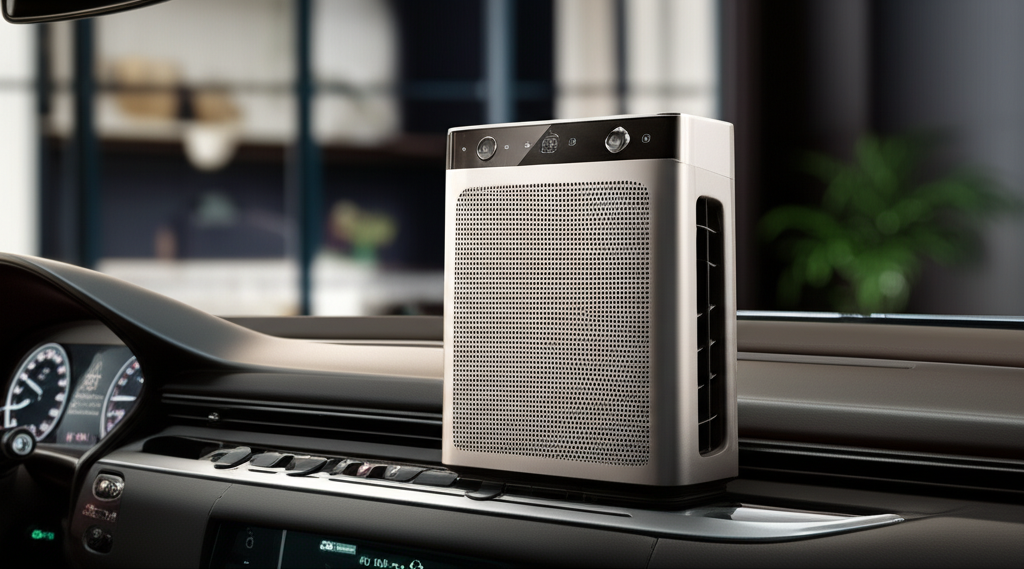
Your car’s interior is a confined space where pollutants can become concentrated. Dust, pollen, pet dander, mold spores, bacteria, and volatile organic compounds (VOCs) from plastics and cleaning products can all contribute to poor air quality. Driving with windows down can also let in external pollutants like exhaust fumes and industrial emissions.
Allergies and Respiratory Health on the Go
For allergy sufferers, car interiors can trigger sneezing, itchy eyes, and congestion. Individuals with asthma or other respiratory problems may experience exacerbated symptoms due to poor air quality. An air purifier for cars can significantly alleviate these discomforts by capturing airborne allergens and irritants.
Understanding How Car Air Purifiers Work
Car air purifiers utilize various technologies to clean the air circulating within your vehicle. Most commonly, they employ multi-stage filtration systems to trap particles and neutralize odors. Understanding these mechanisms helps in selecting a device that meets your specific air purification needs.
Filtration Technologies Explained
The heart of most car air purifiers is their filtration system. A typical setup includes a pre-filter to catch larger particles like dust and hair, followed by a HEPA (High-Efficiency Particulate Air) filter to trap microscopic allergens and pollutants. Activated carbon filters are often included to absorb odors, smoke, and VOCs.
The Role of Activated Carbon and HEPA Filters
HEPA filters are designed to capture at least 99.97% of airborne particles 0.3 microns in size. Activated carbon filters, on the other hand, are porous materials that adsorb gases and odors. The combination of these filters provides comprehensive air purification, addressing both particulate matter and gaseous pollutants.
Ionizers and UV-C Light: Added Benefits
Some car air purifiers also incorporate ionizers or UV-C light technology. Ionizers release negative ions that attach to airborne particles, causing them to clump together and fall out of the air or stick to surfaces. UV-C light can kill bacteria and viruses. However, it’s important to ensure these technologies are used safely and effectively.
Key Features to Consider When Buying
Selecting the right air purifier for your car involves looking beyond basic functionality. Consider factors like coverage area, power source, filter replacement, and noise levels to ensure optimal performance and convenience. A well-chosen unit will seamlessly integrate into your driving routine.
Size and Coverage Area
Ensure the air purifier you choose is appropriately sized for your car’s interior. A unit designed for a small sedan might not be effective in an SUV or truck. Check the manufacturer’s specifications regarding the recommended coverage area to ensure it can adequately clean the air in your vehicle.
Power Source and Convenience
Most car air purifiers are powered via the car’s 12V accessory outlet (cigarette lighter port). Look for models with long power cords for flexible placement. Some units also offer USB ports, allowing you to charge other devices simultaneously. Ease of use and installation is also crucial for a hassle-free experience.
Filter Replacement and Maintenance
Filters need to be replaced periodically to maintain the purifier’s effectiveness. Check the cost and availability of replacement filters before purchasing. Some units have indicator lights to remind you when it’s time for a change, simplifying maintenance.
Noise Level
Consider the noise level of the air purifier, especially if you are sensitive to sound. Many compact car air purifiers operate quietly, but it’s worth checking reviews or specifications for decibel ratings. A quiet unit ensures a more pleasant driving experience.
Top Air Purifier Technologies for Cars
The market offers a variety of air purifiers for cars, each leveraging different technologies to achieve cleaner air. Understanding these options will help you pinpoint the most effective solution for your specific needs and concerns.
HEPA Filter-Based Purifiers
These are the gold standard for particulate removal. They are highly effective at trapping allergens like pollen, dust mites, and pet dander, making them ideal for allergy sufferers. Many reputable brands offer compact HEPA air purifiers designed for automotive use.
Activated Carbon Odor Eliminators
If your primary concern is eliminating odors from smoke, food, or pets, an air purifier with a robust activated carbon filter is essential. These filters actively adsorb odor molecules, leaving your car smelling fresh. Some units combine HEPA and activated carbon for a dual-action approach.
Ionizers and Their Considerations
Ionizers can help reduce airborne particles by charging them. However, some ionizers can produce ozone, which can be a respiratory irritant. It’s crucial to choose an ozone-free or very low-ozone producing ionizer for car use. Always verify product certifications and safety standards.
Ozone Generators: A Cautionary Note
While ozone generators can neutralize odors, they are generally not recommended for use inside a car’s occupied cabin. Ozone can be harmful to respiratory health at higher concentrations. If you choose an ozone-generating device, use it only when the car is unoccupied and ventilate thoroughly afterward.
Choosing the Right Air Purifier for Your Vehicle
Selecting the best air purifier for your car depends on your priorities. Are you battling allergies, persistent odors, or general air quality concerns? Identifying your main needs will guide you toward the most suitable technology and features.
For Allergy Sufferers
If allergies are your primary concern, prioritize air purifiers with true HEPA filters. These are certified to remove a high percentage of microscopic allergens. Look for models that specifically mention allergen removal in their specifications.
For Odor Elimination
For those tackling persistent odors, an air purifier with a substantial activated carbon filter is key. Consider units that boast multiple stages of carbon filtration for maximum odor absorption. Some also use technologies like photocatalytic oxidation (PCO) for odor neutralization.
For General Air Quality Improvement
If you simply want to improve the overall air quality in your car, a multi-stage filter system combining HEPA and activated carbon is a solid choice. These offer a balanced approach to tackling both particles and common airborne contaminants.
For Compact Spaces and Portability
Many car air purifiers are designed to be compact and portable, fitting easily into cup holders or dashboard compartments. Consider the physical dimensions and how it will fit within your car’s interior without obstructing your view or controls.
Popular Brands and Models to Consider
The market for car air purifiers is diverse, with several well-regarded brands offering effective solutions. Researching specific models and their features can help you make a confident purchase. Always check recent reviews for the latest performance insights.
Top-Rated HEPA Air Purifiers for Cars
Brands like Coway, Levoit, and Blueair often receive high marks for their home air purifiers and also offer compact, car-friendly versions. These typically feature true HEPA filters and are known for their reliability and performance in capturing fine particles.
Effective Odor-Reducing Models
For odor control, consider models from brands like Purggo or purifier-specific lines from automotive accessory companies. These often emphasize activated carbon filters or alternative odor-neutralizing technologies to combat smells effectively.
Budget-Friendly Options
If budget is a primary concern, you can still find effective air purifiers. Look for simpler models that focus on essential filtration. Brands like Enernu or Anker sometimes offer more affordable, yet capable, car air purifiers.
Premium and Feature-Rich Choices
For those seeking advanced features, brands like Dyson or premium lines from established air purifier manufacturers might offer models with smart connectivity, advanced sensor technology, and multi-layer filtration systems. These often come at a higher price point.
Installation and Usage Tips for Your Car Air Purifier
Proper installation and consistent use are crucial for maximizing the benefits of your car air purifier. Follow these simple tips to ensure your device operates efficiently and effectively.
Choosing the Best Placement
The ideal placement for your car air purifier is often in a cup holder or on the dashboard, ensuring good air circulation. Avoid placing it where it might block air vents or obstruct your view. Some units come with non-slip mats for secure positioning.
Powering Your Device
Connect the air purifier to your car’s 12V accessory outlet. Ensure the power cord is neatly routed to avoid tripping hazards or interference with driving controls. If your car has multiple 12V ports, consider which one is most convenient.
Running Your Air Purifier
For maximum effectiveness, run your car air purifier whenever you are driving. This ensures continuous air cleaning while you are in the vehicle. For deeper cleaning, you can also run it for a short period after parking, especially if you have pets or have transported items that might off-gas.
Filter Maintenance Schedule
Adhere to the manufacturer’s recommended filter replacement schedule. Neglecting filter changes will reduce the purifier’s efficiency and could even lead to reduced airflow. Keep track of filter life, or use models with built-in indicators.
Maintaining Your Car Air Purifier for Longevity
Regular maintenance ensures your car air purifier continues to function optimally and provides clean air for years to come. Simple cleaning and filter replacement routines are key to its longevity and effectiveness.
Cleaning the Exterior
Periodically wipe down the exterior of your air purifier with a soft, damp cloth. This helps keep the device looking clean and prevents dust buildup on the casing. Avoid using harsh chemicals or abrasive cleaners that could damage the plastic.
Replacing Filters
When it’s time to replace the filters, follow the manufacturer’s instructions carefully. Most car air purifiers have an easy-access compartment for filter replacement. Ensure you purchase the correct replacement filters for your specific model to maintain performance.
Checking Airflow Vents
Ensure the air intake and outlet vents are free from obstructions. Dust or debris can accumulate around the vents over time, hindering airflow. Gently use a soft brush or a vacuum cleaner with a brush attachment to clear any blockages.
The Benefits of Cleaner Car Air
Investing in an air purifier for your car offers tangible benefits that extend beyond mere comfort. It contributes to a healthier environment for everyone who travels in your vehicle, making each journey more pleasant and safe.
Reduced Allergy Symptoms
By capturing pollen, dust mites, and pet dander, car air purifiers significantly reduce common allergy triggers. This means fewer sneezes, less watery eyes, and a generally more comfortable ride for allergy sufferers.
Neutralized Odors and Smells
Unpleasant odors from food, smoke, pets, or external pollution can be effectively neutralized by activated carbon filters. This leaves your car smelling consistently fresh and clean, enhancing the overall driving experience.
Protection Against Airborne Germs
Some advanced air purifiers can help reduce the presence of airborne bacteria and viruses. While not a substitute for regular cleaning, this can offer an added layer of protection, especially during cold and flu seasons.
A Healthier Environment for All Passengers
Especially for children, the elderly, or individuals with compromised immune systems, cleaner air in the car is paramount. An air purifier ensures a healthier, safer cabin environment for all occupants, regardless of their sensitivities.
Frequently Asked Questions About Car Air Purifiers
Here are some common questions people have about using air purifiers in their vehicles.
Q1: How often should I replace the filters in my car air purifier?
A1: Filter replacement frequency varies by model and usage, but typically ranges from 3 to 6 months. Always check your manufacturer’s recommendations.
Q2: Can a car air purifier remove smoke smell?
A2: Yes, air purifiers with activated carbon filters are very effective at adsorbing smoke particles and odors.
Q3: Are ozone-generating car air purifiers safe?
A3: Ozone can be harmful to respiratory health. It’s best to choose ozone-free models or use ozone generators only in unoccupied vehicles and ventilate thoroughly afterward.
Q4: Will a car air purifier help with my car’s AC system?
A4: While it cleans the air, it doesn’t directly affect the AC system’s function. However, it complements AC by filtering air drawn into the cabin.
Q5: How much space does a typical car air purifier take up?
A5: Most are designed to be compact, fitting into cup holders or small spaces on the dashboard without obstruction.
Q6: Can I use a home air purifier in my car?
A6: While technically possible, home units are usually too large and require a different power source (wall outlet). Dedicated car air purifiers are designed for the vehicle’s environment and power supply.
Conclusion: Breathe Freely on Every Journey
Investing in an air purifier for your car is a proactive step towards a healthier and more pleasant driving experience. By understanding the technologies available and considering your specific needs, you can choose a device that effectively combats allergens, odors, and pollutants. A clean cabin means peace of mind and a more comfortable commute for everyone. Make the smart choice for your well-being and enjoy every mile with fresher, cleaner air.
