
Air Purifier With AQI Display: Essential Guide

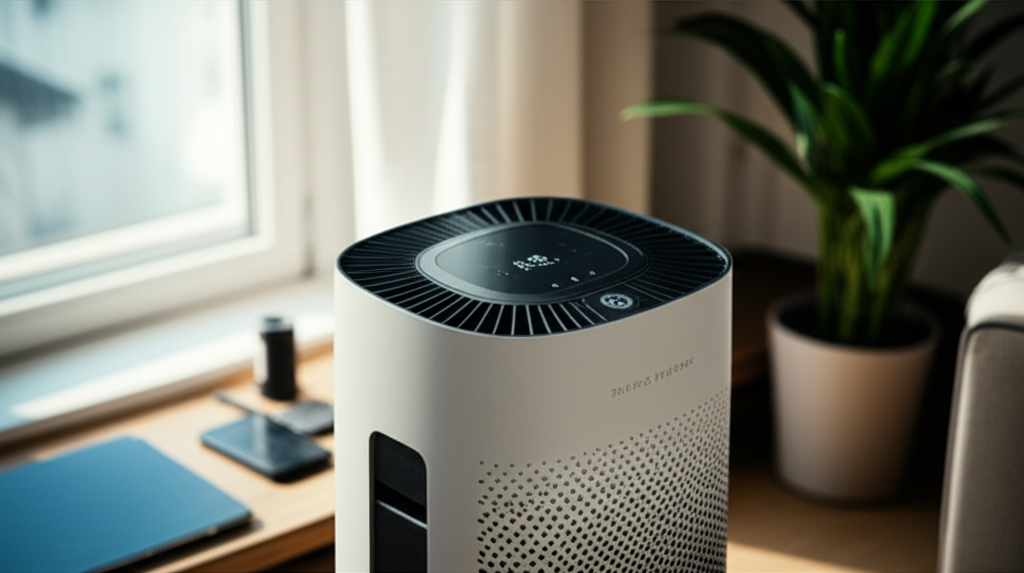
An air purifier with an AQI display offers real-time insights into your home’s air quality, empowering you to make informed decisions about your health and environment. This guide demystifies AQI displays, explains their benefits, and helps you choose the best unit for your needs.
Breathing clean air indoors is crucial for our health, yet hidden pollutants can compromise our indoor environments. Many of us worry about allergens, dust, and odors, but understanding the actual air quality can feel like a guessing game. This is where an air purifier with an AQI display becomes an invaluable tool, offering clarity and control.
Why An Air Purifier With AQI Display Matters
An air purifier with an AQI display is essential because it provides immediate, actionable data about your indoor air quality. This transparency helps you understand when your air is clean and when it needs purification, offering peace of mind and promoting healthier living conditions.
Understanding the Air Quality Index (AQI)
The Air Quality Index (AQI) is a standardized system used to report daily air quality. It tells you how clean or polluted your air is and what associated health effects might be a concern. The AQI is broken down into categories that correspond to levels of health concern, with numerical values for each.
The AQI ranges from 0 to 500, with lower numbers indicating better air quality. It typically considers five major air pollutants: ground-level ozone, particle pollution (particulate matter), carbon monoxide, sulfur dioxide, and nitrogen dioxide. For indoor air, particle pollution is often the most relevant metric.
What Does the AQI Display on an Air Purifier Show?
An AQI display on an air purifier typically shows a numerical value and often a color-coded indicator representing the current air quality level in your home. This real-time feedback allows you to see the impact of your purifier and other activities on your air. Some advanced models may even specify the types of pollutants detected.
The display might show categories like “Good” (0-50), “Moderate” (51-100), “Unhealthy for Sensitive Groups” (101-150), “Unhealthy” (151-200), “Very Unhealthy” (201-300), and “Hazardous” (301-500). This immediate visual cue helps you understand the air you’re breathing at a glance.
Benefits of Using an Air Purifier With AQI Display
The primary benefit of an air purifier with an AQI display is its ability to provide real-time, tangible feedback on your indoor air quality. This transforms a passive appliance into an active health monitor, empowering you to take proactive steps for a healthier home environment.
Real-Time Air Quality Monitoring
Having an air purifier with an AQI display means you’re not just hoping your air is clean; you know it. This constant monitoring allows you to identify sudden changes in air quality, such as those caused by cooking, outdoor pollution entering your home, or even the presence of pets.
This immediate feedback is incredibly valuable for individuals with respiratory conditions like asthma or allergies, as it can alert them to potentially triggering conditions before symptoms worsen. It fosters a proactive approach to managing their health.
Smart Automation and Efficiency
Many air purifiers with AQI displays feature an auto mode. In this setting, the purifier automatically adjusts its fan speed based on the detected AQI. This ensures that your air is purified efficiently without constant manual intervention, saving energy and reducing noise when air quality is good.
When the AQI indicates poor air quality, the purifier will automatically increase its fan speed to clean the air more rapidly. This intelligent automation ensures optimal air purification without you having to lift a finger.
Healthier Living Environment
By continuously monitoring and purifying your air, an air purifier with an AQI display contributes significantly to a healthier living environment. It helps reduce airborne allergens, dust, smoke, pet dander, and volatile organic compounds (VOCs), creating a sanctuary for your family’s well-being.
This proactive approach to air quality can lead to fewer respiratory issues, improved sleep, and a greater sense of overall comfort and well-being within your home. It’s an investment in your family’s long-term health.
Educating Yourself and Your Family
An AQI display serves as an educational tool, making complex air quality data accessible and understandable. It helps you and your family learn about the factors affecting indoor air and the importance of maintaining good air quality for health.
Seeing the AQI fluctuate can spark conversations about pollution sources and healthy habits, like ventilation and reducing indoor pollutant sources. This knowledge empowers everyone in the household to contribute to a cleaner living space.
How Air Purifiers With AQI Displays Work
Air purifiers with AQI displays utilize sophisticated sensors to detect various airborne particles and gases. These sensors continuously sample the air and transmit data to a processor, which then translates this information into a comprehensible AQI reading displayed on the unit.
The core of an AQI display system is its sensor technology. These sensors are designed to be sensitive to different types of pollutants, ranging from microscopic dust and pollen to gases like VOCs. The accuracy and type of sensors determine the comprehensiveness of the AQI reading.
Types of Sensors Used
Common sensors in air purifiers with AQI displays include particle sensors (often laser-based) to detect PM2.5 and PM10, and electrochemical or metal-oxide-semiconductor (MOS) sensors for gases like VOCs and carbon monoxide. Some advanced units may also include humidity and temperature sensors.
Particle sensors work by shining a light beam through the air and detecting how much light is scattered by particles. Gas sensors detect the presence of specific gases by measuring changes in electrical resistance or voltage when the gas interacts with the sensor material.
The Process of AQI Calculation
The raw data from the sensors is processed by the air purifier’s internal algorithms. These algorithms convert the sensor readings into a standardized AQI value, often referencing established guidelines for outdoor air quality, which are then adapted for indoor use.
While indoor AQI calculations might not always align perfectly with outdoor governmental standards due to different pollutant mixes and concentrations, they provide a highly effective relative measure of your home’s air quality. The goal is to indicate trends and trigger purification.
Interpreting the Display
Understanding the AQI display is straightforward. A green light or low numerical value (e.g., 0-50) indicates good air quality. Yellow or orange suggests moderate air quality (51-100), and red or higher numbers (101+) signal potentially unhealthy conditions requiring purification.
Pay attention to the color coding and numerical values. If the AQI frequently enters the orange or red zones, it indicates a persistent issue that your air purifier, and possibly other ventilation strategies, needs to address.
Key Features to Look For in an Air Purifier With AQI Display
When choosing an air purifier with an AQI display, consider several key features beyond just the AQI indicator. The effectiveness of the purification system, coverage area, filter types, and smart capabilities all play a crucial role in selecting the right unit for your home.
Prioritize a unit that effectively removes the specific pollutants you are concerned about, whether it’s allergens, smoke, or odors. The AQI display is a valuable guide, but the core function of air purification must be robust.
Filter Technology (HEPA, Activated Carbon)
Look for models with True HEPA filters, which are certified to capture at least 99.97% of airborne particles 0.3 microns in size. An activated carbon filter is also essential for absorbing odors, smoke, and VOCs. Many high-quality units combine these for comprehensive purification.
A multi-stage filtration system, often including a pre-filter for larger particles, a True HEPA filter, and an activated carbon filter, offers the most effective approach to cleaning your indoor air. Check the filter replacement schedule and cost.
Coverage Area and CADR Rating
Ensure the air purifier is rated for the size of the room you intend to use it in. The Clean Air Delivery Rate (CADR) indicates how quickly the purifier can clean the air in a specific room size; higher CADR ratings mean faster purification.
For example, a CADR of 200 for smoke means the purifier can remove 200 cubic feet of smoke per minute from a standard room. Always match the CADR to your room dimensions for optimal performance. You can learn more about CADR ratings from the Association of Home Appliance Manufacturers (AHAM).
Noise Levels
Air purifiers operate with fans, so noise is a consideration, especially for bedrooms or living areas. Check the decibel (dB) rating for different fan speeds. Many models offer a quiet or sleep mode, often around 20-30 dB, which is comparable to a whisper.
A unit with a low noise level in its lower settings ensures it can run continuously without being disruptive. Higher fan speeds will naturally be louder, but these are typically used only when the AQI indicates a need for rapid cleaning.
Smart Features and Connectivity
Modern air purifiers with AQI displays often come with smart features like Wi-Fi connectivity, app control, and voice assistant compatibility (e.g., Alexa, Google Assistant). These features allow you to monitor air quality, adjust settings, and set schedules remotely.
App control can provide more detailed air quality reports and historical data, offering deeper insights into your home’s air. This connectivity enhances convenience and allows for more sophisticated control over your air purification strategy.
Top Air Purifiers With AQI Displays on the Market
The market offers a diverse range of air purifiers with AQI displays, catering to various needs and budgets. Brands like Coway, Blueair, Levoit, and Winix are known for their reliable performance and user-friendly features, often incorporating advanced sensor technology.
Choosing the right model depends on your specific requirements, such as room size, pollutant concerns, and desired smart features. Researching reviews and comparing specifications is key to making an informed decision.
Coway Airmega Series
Coway’s Airmega line is highly regarded for its powerful performance, comprehensive filtration, and sophisticated AQI displays. Models like the Airmega 200M and 400S offer robust HEPA and carbon filtration, along with intuitive displays that clearly show real-time air quality.
These units are excellent for medium to large rooms and are known for their durability and quiet operation on lower settings. The smart features often include app control for remote management and detailed air quality tracking.
Blueair HealthProtect Series
Blueair’s HealthProtect series is designed for maximum air purification and utilizes advanced sensors to provide accurate AQI readings. They often employ a combination of mechanical and electrostatic filtration (HEPASilent Ultra technology) for high efficiency and low noise.
The integrated AQI display provides clear, color-coded feedback, and many models offer smart connectivity for app control and integration with smart home systems. These are premium options for those prioritizing advanced technology.
Levoit Core Series (with AQI)
Levoit offers popular models like the Core 300S and Core 400S that include AQI displays and smart features. These are often more budget-friendly options that still deliver effective HEPA filtration and odor control with activated carbon.
Their compact designs make them suitable for smaller to medium rooms, and the app control provides convenient monitoring and scheduling. Levoit purifiers are a great entry point for those new to air purifiers with AQI displays.
Winix Air Purifiers with PlasmaWave
Winix air purifiers, such as the HR900 or 5500-2, often feature True HEPA filters, activated carbon, and their proprietary PlasmaWave technology. Many of their models include an AQI sensor and display, offering visual feedback on air quality.
These units are known for their balanced performance, reasonable price point, and effective multi-stage filtration. The PlasmaWave technology can be turned on or off, offering flexibility in its operation.
Setting Up and Maintaining Your Air Purifier With AQI Display
Proper setup and regular maintenance are crucial for ensuring your air purifier with an AQI display operates at peak efficiency and provides accurate readings. Following the manufacturer’s instructions will maximize its lifespan and effectiveness.
The initial setup is usually straightforward, but understanding the ongoing care requirements is essential for long-term performance. Neglecting maintenance can lead to reduced air purification capabilities and inaccurate AQI readings.
Initial Setup Steps
Unpack your air purifier carefully and remove all protective packaging from the filters and the unit itself. Place the purifier on a flat, stable surface in the room you wish to purify, ensuring adequate clearance around the air intake and outlet for proper airflow. Plug it in and follow the on-screen prompts or manual instructions for initial configuration.
Some units may require an initial “burn-in” period or a filter reset after installation. Always consult your user manual for specific setup procedures.
Filter Replacement Schedule
Filters have a limited lifespan and need regular replacement to maintain effectiveness. The frequency depends on usage, air quality, and the specific filter type. Your air purifier’s AQI display or companion app will often indicate when filters need changing, or you can refer to the manufacturer’s recommended schedule.
Typical replacement intervals for HEPA filters range from 6 to 12 months, and for activated carbon filters, it can be 3 to 6 months, depending on the model and pollutant levels. Using genuine replacement filters is recommended for optimal performance.
Cleaning Your Air Purifier
Regular cleaning of the exterior and interior components, such as the pre-filter and sensor area, is important. A damp cloth can be used for the exterior, while a vacuum cleaner with a brush attachment is often suitable for the pre-filter.
Avoid using harsh chemicals or abrasive cleaners, as they can damage the unit. Ensure the purifier is unplugged before cleaning. Gently cleaning the sensors can also help maintain accurate AQI readings.
Troubleshooting Common Issues
While air purifiers with AQI displays are generally reliable, occasional issues may arise. Understanding common problems and their solutions can help you keep your unit running smoothly and accurately.
Many issues are minor and can be resolved with simple troubleshooting steps. Always refer to your user manual for specific guidance related to your model.
Inaccurate AQI Readings
If you suspect your AQI display is showing inaccurate readings, first ensure the sensors are clean and free of dust or debris. Check that the unit is placed in an area with good air circulation, away from direct sources of pollution like open windows or kitchens during heavy cooking.
Sometimes, a simple power cycle (unplugging the unit for a few minutes and plugging it back in) can reset the sensors and resolve temporary glitches. If the problem persists, contact customer support.
Unit Not Turning On
Ensure the power cord is securely plugged into both the unit and a working electrical outlet. Check if there’s a main power switch on the back or bottom of the unit that might have been accidentally turned off.
If the unit still doesn’t power on, there might be an internal issue. Contact the manufacturer’s customer support for further assistance or warranty claims.
Unusual Noises
Strange noises can sometimes indicate a problem with the fan or motor. Check for any obstructions that might be caught in the fan blades, such as loose debris or packaging material. Ensure the filters are correctly installed and seated properly, as misaligned filters can cause vibrations and noise.
If the noise persists after checking for obstructions and filter seating, it may indicate a mechanical issue requiring professional attention.
Frequently Asked Questions (FAQ)
What is the ideal AQI reading for indoor air?
The ideal AQI reading for indoor air is generally considered to be between 0 and 50, which corresponds to “Good” air quality. Readings between 51 and 100 (“Moderate”) are typically acceptable but may be noticeable to sensitive individuals.
How often should I clean the AQI sensor?
It’s recommended to clean the AQI sensor every 1-2 months, or as indicated by your air purifier’s manual. Dust accumulation can affect the sensor’s accuracy, leading to potentially misleading AQI readings.
Can an air purifier with an AQI display detect all types of air pollution?
Most air purifiers with AQI displays are excellent at detecting particulate matter (like PM2.5) and common VOCs. However, their ability to detect specific gases like carbon monoxide or radon might be limited unless explicitly stated by the manufacturer. Always check the specifications for the pollutants your unit is designed to detect.
Do I need an air purifier if my AQI reading is usually good?
Even if your AQI reading is typically good, an air purifier can still offer benefits by removing trace pollutants, allergens, and improving overall air freshness. An AQI display can alert you to sudden spikes in pollution you might not otherwise notice.
How does an air purifier with AQI display differ from a standalone air quality monitor?
An air purifier with an AQI display combines air purification with real-time monitoring. A standalone air quality monitor solely provides data about your air quality without actively cleaning it. The integrated unit offers a complete solution for both understanding and improving your indoor air.
Where is the best place to put an air purifier with an AQI display in a room?
Place your air purifier on a level surface away from walls, furniture, and curtains to allow for optimal air intake and circulation. Avoid placing it directly next to windows or doors where drafts might interfere with sensor readings.
Conclusion: Breathe Easier With Real-Time Insights
An air purifier with an AQI display is more than just an appliance; it’s a smart investment in your health and well-being. By providing clear, real-time data on your indoor air quality, it empowers you to understand your environment, take proactive measures, and ensure your home is a sanctuary of clean, healthy air.
Choosing the right air purifier with an AQI display means selecting a unit with effective filtration, appropriate coverage, and features that suit your lifestyle. With the insights gained from its AQI display and the power of modern purification technology, you can breathe easier, knowing you’re actively creating a healthier living space for yourself and your loved ones.
