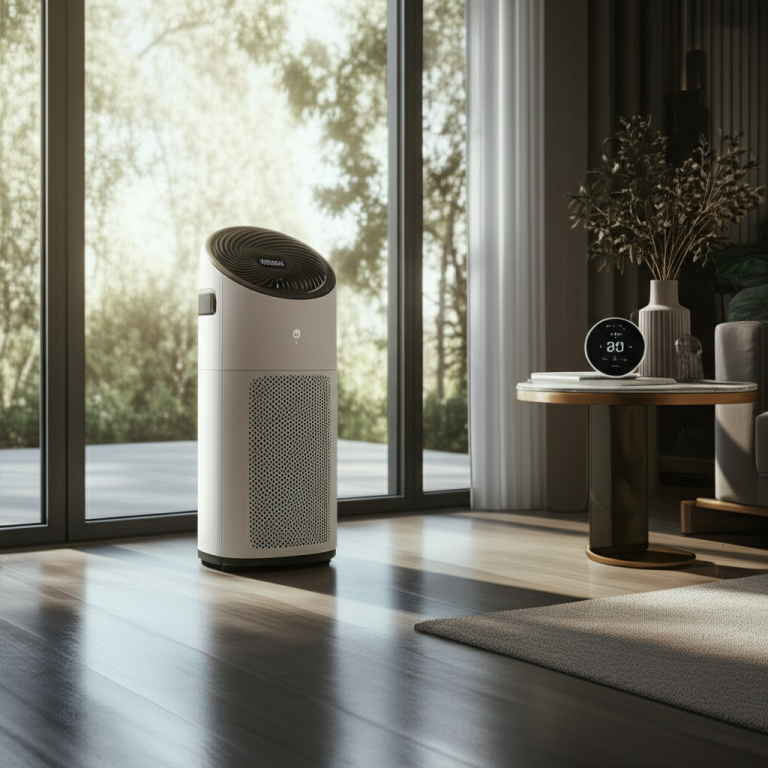
Air Purifier Waste Of Money? Essential Guide

Are air purifiers a waste of money? For many, the answer depends on specific needs and expectations. This guide will help you determine if an air purifier is a worthwhile investment for your home, debunking myths and highlighting essential factors for making an informed decision.
Are air purifiers truly a waste of money, or are they essential for a healthier home environment? Many people wonder if these devices offer genuine benefits or if they’re just another gadget contributing to clutter and expense. I understand the confusion, especially with so many models and claims on the market. This guide will cut through the noise, providing a clear, step-by-step approach to help you decide if an air purifier is the right investment for you. We’ll explore what they can do, what they can’t do, and how to choose one that actually makes a difference.
When Are Air Purifiers NOT a Waste of Money?
Air purifiers are far from a waste of money when used appropriately for specific needs. They are valuable tools for individuals suffering from allergies, asthma, or other respiratory conditions, providing significant relief by removing airborne irritants. Furthermore, in areas with high levels of outdoor pollution or for households with pets or smokers, an air purifier can demonstrably improve indoor air quality. Choosing the right purifier for your situation is key to realizing its benefits.
Understanding Your Air Quality Needs

Before even considering an air purifier, it’s crucial to understand what you’re trying to achieve. Are you dealing with seasonal allergies, persistent pet dander, or concerns about wildfire smoke? Identifying the primary pollutants in your environment will guide your purchase and ensure you don’t end up with a device that doesn’t address your core issues. This self-assessment is the first step to avoiding the “air purifier waste of money” trap.
Common Indoor Air Pollutants and Their Sources
Indoor air can be surprisingly polluted, often more so than outdoor air. Common culprits include dust mites, pet dander, mold spores, pollen that enters from outside, volatile organic compounds (VOCs) from cleaning products and furniture, and smoke from cooking or tobacco. Understanding these sources helps pinpoint the specific contaminants an air purifier might tackle.
Respiratory Health and Air Purifiers
For individuals with asthma, allergies, or other respiratory sensitivities, air purifiers can be a game-changer. By filtering out triggers like pollen, dust mites, and pet dander, they can reduce the frequency and severity of symptoms. This isn’t about curing conditions, but about creating a more comfortable living space. Many users report a noticeable improvement in their breathing and overall well-being when using a suitable air purifier.
The Role of Air Purifiers in Homes with Pets
Pet owners often face challenges with dander, odors, and general air freshness. Air purifiers equipped with HEPA filters are excellent at capturing pet dander, a common allergen. Additionally, those with activated carbon filters can help neutralize pet-related odors, making the living environment more pleasant for everyone. This can significantly reduce the feeling that your air purifier is a waste of money.
Mitigating Smoke and Odor Issues
Whether it’s from cooking, fireplaces, or even external sources like wildfires, smoke and its associated odors can be persistent. Air purifiers with substantial activated carbon filters are designed to adsorb these airborne particles and neutralize smells. For those in wildfire-prone areas, a powerful air purifier can offer a much-needed sanctuary of cleaner air indoors.
Are Air Purifier Filters a Waste of Money?
The ongoing cost of replacement filters can make some consumers question if air purifiers are a waste of money. However, these filters are the core component responsible for cleaning your air. Neglecting to replace them renders the purifier ineffective, turning it into a costly decorative item. Budgeting for filter replacements from the outset is essential for ongoing air quality improvement.
The Importance of HEPA Filters
High-Efficiency Particulate Air (HEPA) filters are the gold standard for air purification, designed to capture at least 99.97% of airborne particles 0.3 microns in size. This includes common allergens like pollen, dust mites, and pet dander. When looking at air purifiers, ensure they feature a true HEPA filter, as this is critical for effective particle removal.
Activated Carbon Filters for Odors and Gases
While HEPA filters tackle particles, activated carbon filters are crucial for addressing odors, gases, and VOCs. These filters work by adsorption, trapping gaseous pollutants within their porous structure. A combination of HEPA and activated carbon filters offers the most comprehensive air purification solution for many households.
Filter Lifespan and Replacement Costs
Filter lifespan varies significantly based on the model, usage, and the level of pollution in your environment. Most manufacturers recommend replacing HEPA filters every 6-12 months and activated carbon filters more frequently, often every 3-6 months. It’s vital to factor these recurring costs into your decision to avoid the perception of an air purifier being a waste of money.
What Air Purifiers Can’t Do
It’s important to set realistic expectations. Air purifiers are not magic bullets for all air quality issues. They cannot eliminate all airborne contaminants, nor can they fix problems like poor ventilation or mold growth that requires professional remediation. Understanding their limitations prevents disappointment and ensures you’re not investing in something that won’t deliver on unrealistic promises.
Air Purifiers vs. Ventilation
Air purifiers filter existing indoor air, but they don’t bring in fresh outdoor air. For optimal air quality, especially in tightly sealed modern homes, ventilation is crucial. Opening windows periodically or using mechanical ventilation systems helps dilute indoor pollutants and replace stale air with fresh air. Air purifiers work best in conjunction with good ventilation practices.
Air Purifiers Cannot Fix Structural Issues
Problems like active mold growth, persistent dampness, or significant structural damage that allows pollutants to enter cannot be solved by an air purifier. These issues require direct intervention, such as professional mold remediation or addressing leaks and cracks. An air purifier can help manage airborne spores from existing mold, but it won’t eliminate the source.
The Limits of Air Purifier Effectiveness
No air purifier can capture 100% of airborne particles or gases. Some pollutants are simply too small or too pervasive. Furthermore, the effectiveness of a purifier depends heavily on its Clean Air Delivery Rate (CADR), room size, and placement. Overestimating their capabilities can lead to the feeling that air purifiers are a waste of money.
Choosing the Right Air Purifier: Key Features to Look For
To ensure your air purifier isn’t a waste of money, selecting the right one is paramount. Focus on features that directly address your needs, such as CADR ratings, filter types, and room coverage. Avoid overly complex features you won’t use and prioritize performance and reliability.
Understanding CADR Ratings
CADR, or Clean Air Delivery Rate, measures how quickly an air purifier can filter out specific pollutants like smoke, dust, and pollen. A higher CADR rating means the purifier is more effective and can clean a larger room faster. Always match the CADR to your room size for optimal performance.
Filter Types: HEPA, Activated Carbon, and Pre-filters
As discussed, a true HEPA filter is essential for particles, and activated carbon is vital for odors and gases. Many units also include a pre-filter, which captures larger particles like hair and lint, extending the life of the main filters. Ensure the purifier you choose has the combination of filters best suited to your needs.
Room Size and Coverage
Air purifiers are rated for specific room sizes. Using a purifier in a room larger than it’s designed for will significantly reduce its effectiveness. Check the manufacturer’s recommendations for room coverage and consider purchasing a unit with a higher CADR than your immediate needs if you plan to use it in multiple spaces or have particularly high pollution levels.
Noise Levels and Energy Consumption
Consider where you’ll place the air purifier. If it’s for a bedroom, look for models with low noise levels, often measured in decibels (dB). Energy consumption is another factor; look for Energy Star certified models to save on electricity bills. A quiet, energy-efficient unit is more likely to be used consistently, justifying its cost.
Air Purifier Brands and Models to Consider
While this guide aims to empower your decision-making, certain brands consistently receive high marks for performance and reliability. Popular choices often include brands like Coway, Levoit, Blueair, and Winix. Research specific models within these brands, paying attention to reviews that align with your identified needs.
Top-Rated Air Purifiers for Different Needs
For Allergies: Coway Airmega series, Blueair Blue Pure
For Pet Owners: Levoit Core 400S, Winix 5500-2
For Large Rooms: Coway Airmega 400S, Blueair HealthProtect
Budget-Friendly Options: Levoit Core 300S, GermGuardian AC4825
These are just examples, and the market is constantly evolving. Always check the latest reviews and specifications.
Comparing Features and Price Points
When comparing models, create a simple table to track key features like CADR, filter types, recommended room size, noise level, and price. This objective comparison helps you weigh the value proposition of each unit and avoid impulse buys that might later feel like a waste of money.
| Feature | Levoit Core 300S | Coway Airmega 200M | Blueair Blue Pure 221 |
| :—————— | :————— | :—————– | :——————– |
| Room Size (sq ft) | 219 | 361 | 540 |
| HEPA Filter | True HEPA | True HEPA | True HEPA |
| Activated Carbon | Yes | Yes | Yes |
| CADR (Smoke) | 140 | 124 | 233 |
| Noise Level (dB) | 24-50 | 24-53 | 31-56 |
| Replacement Filter Cost | ~$20-30/year | ~$50-70/year | ~$70-90/year |
Maintaining Your Air Purifier for Optimal Performance
Proper maintenance is key to ensuring your air purifier continues to deliver clean air and isn’t perceived as a waste of money. Regular cleaning and timely filter replacement are non-negotiable. Neglecting these simple tasks will diminish the purifier’s effectiveness and can even lead to it becoming a breeding ground for bacteria.
Cleaning the Exterior and Pre-filters
Regularly wipe down the exterior of your air purifier with a soft, damp cloth. If your unit has a washable pre-filter, clean it according to the manufacturer’s instructions, typically once a month. This prevents dust buildup and ensures the unit functions efficiently.
When and How to Replace Filters
Always follow the manufacturer’s recommended replacement schedule for your HEPA and activated carbon filters. Some purifiers have indicator lights to remind you. When replacing, ensure you purchase genuine filters from the manufacturer or a reputable third party to maintain performance.
Troubleshooting Common Issues
If your air purifier suddenly seems less effective, check the filters first – they might be clogged. Ensure the unit is placed correctly, away from walls or furniture that could obstruct airflow. If problems persist, consult the user manual or contact customer support.
Is an Air Purifier a Waste of Money for Everyone?
Ultimately, whether an air purifier is a waste of money depends entirely on your individual circumstances and expectations. If you have no specific air quality concerns, live in an area with excellent outdoor air, and maintain good ventilation, the benefits might be minimal. However, for those with allergies, respiratory issues, pets, or living in polluted environments, a well-chosen air purifier can be a valuable investment in health and comfort.
The Verdict: A Tool, Not a Cure-All
Air purifiers are effective tools for improving indoor air quality by removing specific airborne contaminants. They are not a magical solution for all environmental or health problems. When used correctly for the right reasons, they can significantly enhance your living environment.
Making an Informed Decision
By understanding your needs, researching different models, and factoring in ongoing costs, you can make an informed decision. Don’t let the fear of an “air purifier waste of money” prevent you from seeking relief if you genuinely need cleaner air. Invest wisely, maintain diligently, and enjoy the benefits of improved indoor air.
Frequently Asked Questions About Air Purifiers
Q1: Do air purifiers actually work?
Yes, air purifiers work by filtering airborne particles and gases from the air. Their effectiveness depends on the type of filter, the unit’s CADR rating, and how well it matches your room size and specific air quality needs.
Q2: How often should I run my air purifier?
For maximum benefit, especially if you have allergies or respiratory issues, it’s recommended to run your air purifier continuously. Many modern units are energy-efficient and quiet enough for 24/7 operation.
Q3: Can an air purifier cure allergies or asthma?
No, air purifiers cannot cure allergies or asthma. However, they can significantly reduce exposure to common triggers like pollen, dust mites, and pet dander, which can help alleviate symptoms and improve comfort.
Q4: What is the difference between a HEPA filter and a true HEPA filter?
A “HEPA filter” might sound like the real deal, but only a “true HEPA” filter is certified to capture 99.97% of particles 0.3 microns in size. Always look for the “true HEPA” designation.
Q5: Can air purifiers remove viruses and bacteria?
True HEPA filters can capture some airborne bacteria and viruses, as many are larger than 0.3 microns. However, air purifiers are not medical devices designed to disinfect air or prevent illness, and their effectiveness against specific pathogens can vary.
Q6: Is it expensive to maintain an air purifier?
The initial cost of the unit is one part of the expense. Ongoing costs include replacement filters, which can range from $20 to $100+ per year depending on the model and filter type. Budgeting for this is crucial.
Q7: Do air purifiers make a lot of noise?
Noise levels vary greatly by model. Basic models can be quite loud on higher settings, while premium units often have very quiet modes suitable for bedrooms. Check the decibel (dB) rating before purchasing.
Conclusion: Is an Air Purifier Worth the Investment?
In conclusion, labeling an air purifier as a universal waste of money is an oversimplification. For many individuals, especially those battling allergies, asthma, or living in areas with poor air quality, a well-chosen air purifier is a valuable investment that can significantly improve their health and comfort. The key lies in understanding your specific needs, selecting a unit with appropriate features like true HEPA and activated carbon filters, ensuring it’s sized correctly for your space, and committing to ongoing maintenance, particularly filter replacement. By doing your homework and setting realistic expectations, you can ensure your air purifier is a beneficial addition to your home, not just an expensive gadget.