Air Purifier vs Humidifier vs Ionizer: Essential Guide

Choosing between an air purifier, humidifier, and ionizer can be confusing, but understanding their distinct functions is key to improving your home’s air quality. An air purifier removes pollutants, a humidifier adds moisture, and an ionizer releases charged particles. This guide will clarify their roles and help you decide which is best for your needs.
Air Purifier vs Humidifier vs Ionizer: The Ultimate Guide to Cleaner, Healthier Air
Breathing in clean, comfortable air is something we often take for granted until problems arise. You might notice increased allergies, dry skin, or that persistent stuffy feeling in your home. This is where the confusion between air purifiers, humidifiers, and ionizers often begins. Many people wonder if one device can do it all, or if they need multiple. I’m here to demystify these essential home appliances and guide you toward making the best choice for your specific air quality concerns. Let’s explore how each device works and which one, or combination, will bring you the most relief.
Understanding the Core Differences: Air Purifier vs Humidifier vs Ionizer
The fundamental distinction lies in their primary functions: cleaning, moisturizing, or altering airborne particles. An air purifier focuses on removing unwanted contaminants, a humidifier adds essential moisture to dry air, and an ionizer uses electrical charges to tackle airborne particles. Recognizing these core differences is the first step to improving your indoor environment.
What is an Air Purifier and How Does It Work?
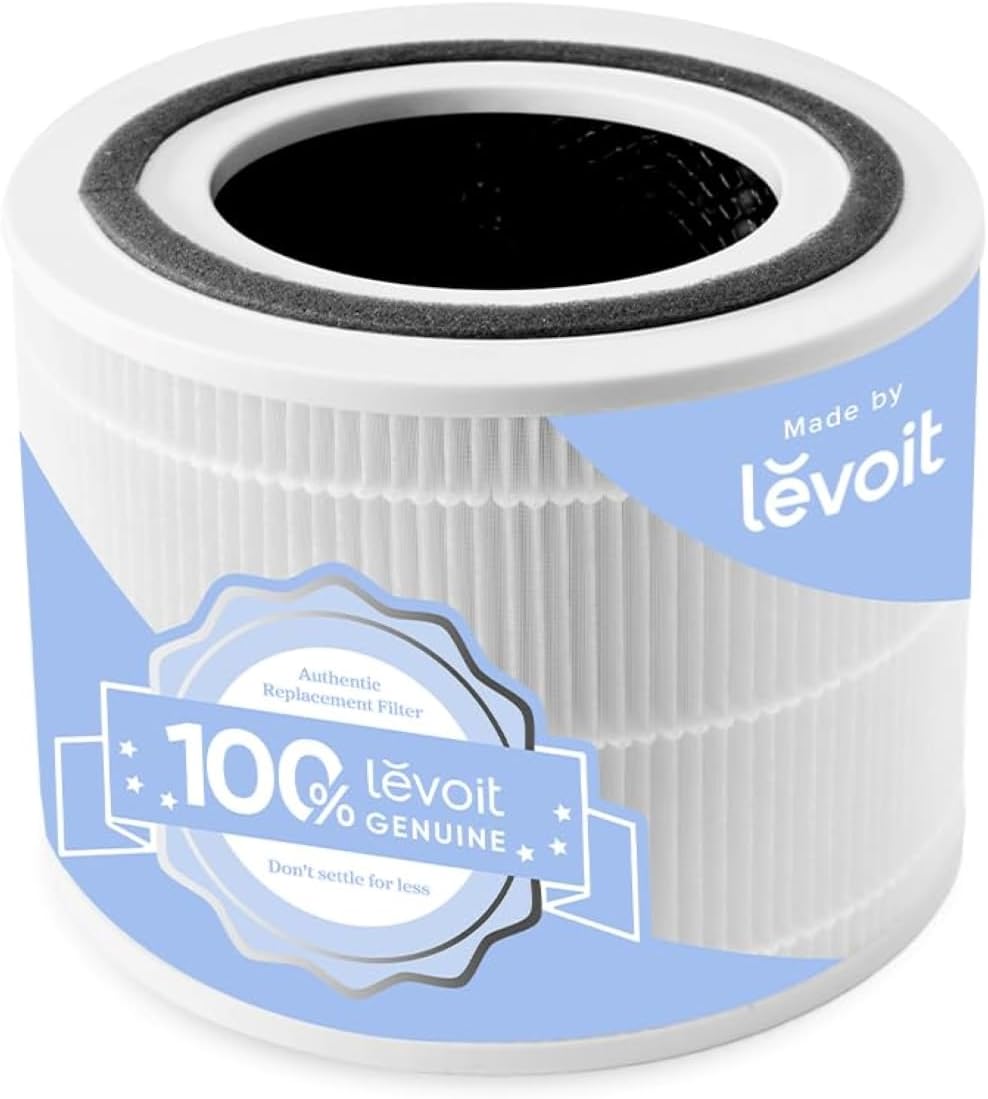
An air purifier is designed to remove airborne pollutants from the air in a room. It typically uses a fan to draw in air, which then passes through a series of filters that trap particles like dust, pollen, pet dander, mold spores, and even smoke. The cleaned air is then recirculated back into the room. Different types of filters, such as HEPA (High-Efficiency Particulate Air) filters, are crucial for effective purification.
HEPA Filters: These are the gold standard, capable of capturing at least 99.97% of airborne particles 0.3 micrometers in size.
Activated Carbon Filters: These excel at absorbing odors, gases, and volatile organic compounds (VOCs).
Pre-filters: These capture larger particles like hair and lint, extending the life of more sensitive filters.
Investing in a quality air purifier can significantly reduce allergens and improve respiratory health for many individuals. This makes it a cornerstone for a healthier home environment.
What is a Humidifier and How Does It Work?
A humidifier’s sole purpose is to increase the level of moisture in the air. It achieves this by releasing water vapor or mist into the atmosphere. This is particularly beneficial in dry climates or during winter months when heating systems can deplete indoor humidity. Low humidity can lead to dry skin, chapped lips, irritated sinuses, and even exacerbate conditions like asthma.
Humidifiers come in various types, each with a slightly different method of operation:
Cool Mist Humidifiers: These use a fan to blow air through a wet wick or pad, evaporating water into the air. They are generally safer for homes with children as they don’t produce heat.
Warm Mist Humidifiers: These boil water to create steam, which is then released into the room. This process can help kill some bacteria and viruses in the water before it’s dispersed.
Ultrasonic Humidifiers: These use ultrasonic vibrations to create a fine mist of water, which is then released into the air. They are typically quiet and efficient.
Evaporative Humidifiers: These use a fan to blow air through a water-soaked filter or belt, causing the water to evaporate naturally.
Maintaining optimal humidity levels, typically between 40-60%, can make a significant difference in comfort and well-being. Choosing the right type of humidifier ensures you get the most benefit without any added risks.
What is an Ionizer and How Does It Work?
An ionizer, also known as an electrostatic precipitator or negative ion generator, works by releasing negatively charged ions into the air. These ions attach themselves to airborne particles like dust, pollen, and smoke. Once attached, the particles become heavier and either fall to the ground or attach themselves to surfaces, effectively removing them from the air you breathe. Some ionizers also use a positively charged collection plate to attract these neutralized particles.
While ionizers can be effective at removing small particles, it’s important to be aware of potential drawbacks. Some ionizers can produce ozone as a byproduct, which is a lung irritant. Look for models that are certified as ozone-free by reputable organizations like the California Air Resources Board (CARB). Understanding these nuances ensures you’re choosing a safe and effective option.
When to Choose an Air Purifier: Tackling Pollutants and Allergens
If your primary concern is dealing with airborne allergens, dust, smoke, pet dander, or unpleasant odors, an air purifier is likely your best bet. They are specifically engineered to capture and remove these microscopic troublemakers from your living space. This can lead to a noticeable reduction in allergy symptoms and a generally fresher-smelling home.
Air purifiers are invaluable for:
Allergy Sufferers: Significantly reducing pollen, dust mites, and pet dander that trigger allergic reactions.
Asthma Patients: Removing irritants that can cause asthma flare-ups.
Smokers or Homes with Smokers: Capturing smoke particles and odors.
Pet Owners: Reducing pet dander and associated odors.
Areas with High Pollution: Filtering out particulate matter from outdoor air that infiltrates indoors.
A good air purifier can transform your home into a sanctuary for those sensitive to airborne contaminants. This proactive approach to air quality is a worthwhile investment in your health.
When to Choose a Humidifier: Combating Dryness and Discomfort
A humidifier is the clear winner when the air in your home feels too dry. This is often most noticeable during the winter months when indoor heating systems can strip the air of its natural moisture. Dry air can lead to a range of uncomfortable symptoms that impact your health and well-being.
Consider a humidifier if you experience:
Dry, Itchy Skin and Lips: Moisture in the air helps keep your skin hydrated.
Sore Throats and Dry Nasal Passages: Humidified air soothes irritated mucous membranes.
Aggravated Allergy and Asthma Symptoms: Some people find that dry air worsens their respiratory conditions.
Static Electricity: Dry air is a major contributor to static shocks.
Damage to Wooden Furniture or Musical Instruments: Excessive dryness can cause wood to crack and warp.
Maintaining a healthy humidity level is crucial for comfort, and a humidifier is the most effective way to achieve this. It brings a welcome balance to your indoor environment.
When to Choose an Ionizer: Targeting Fine Particles and Odors
Ionizers are best suited for situations where you want to target very fine airborne particles and odors. While they don’t filter the air in the same way as an air purifier with a HEPA filter, they can be effective at making particles heavier, causing them to settle out of the air. This can be particularly helpful for reducing the presence of dust and some airborne allergens.
Key benefits of using an ionizer include:
Reduction of Fine Dust: Ionizers can help reduce the amount of fine dust that remains suspended in the air.
Odor Neutralization: Some ionizers are effective at breaking down odor-causing molecules.
Complementary to Other Devices: They can sometimes work alongside air purifiers or humidifiers to enhance overall air quality.
However, it’s crucial to select an ionizer carefully, prioritizing models that are certified ozone-free to avoid respiratory irritation. Always check for certifications from reputable bodies.
Air Purifier vs Humidifier vs Ionizer: A Direct Comparison
To clearly illustrate the differences and similarities, let’s break down how these devices stack up against each other in key areas. Understanding these distinctions will help you pinpoint the device that best aligns with your needs.
| Feature | Air Purifier | Humidifier | Ionizer |
| :————— | :———————————————– | :———————————————- | :———————————————— |
| Primary Goal | Remove airborne pollutants (dust, pollen, smoke) | Add moisture to dry air | Release ions to neutralize particles and odors |
| Mechanism | Filtration (HEPA, Carbon) | Releasing water vapor or mist | Emitting negative ions |
| Best For | Allergies, asthma, smoke, pet dander, odors | Dry air, dry skin, sinus irritation, static | Fine dust, some odors, as a supplementary device |
| Potential Drawbacks | Filter replacement costs, noise | Requires regular cleaning, potential for mold | Ozone production (if not certified), particle settling |
| Key Benefit | Cleaner, healthier air | Increased comfort, relief from dryness | Reduction of fine airborne particles |
This table provides a quick snapshot of what each device excels at. It highlights that while there can be overlap in benefits, their core functions are distinct.
Can You Use an Air Purifier and Humidifier Together?
Absolutely! Using an air purifier and a humidifier in the same room is not only possible but often highly beneficial, especially for individuals with respiratory issues or those living in environments with both poor air quality and low humidity. They address different problems, so they complement each other rather than compete.
Benefits of using both:
Comprehensive Air Quality Management: The air purifier tackles pollutants, while the humidifier combats dryness.
Synergistic Relief: For allergy and asthma sufferers, reducing allergens with a purifier and soothing dry airways with a humidifier can offer significant comfort.
Optimal Indoor Environment: You can achieve both clean air and comfortable humidity levels simultaneously.
When using them together, ensure they are placed strategically to allow for proper air circulation. This combination creates a truly optimized indoor atmosphere.
The Role of Ionizers in Air Treatment
Ionizers can play a supporting role in air treatment, particularly for very fine particles that might evade some filters or for tackling lingering odors. They work by charging particles, which can cause them to clump together and fall out of the air or stick to surfaces. This can contribute to a perception of cleaner air.
However, it’s crucial to use ionizers with caution:
Ozone Production: Some ionizers can generate ozone, a lung irritant. Always look for CARB-certified, ozone-free models.
Particle Settling: Particles removed by ionizers settle on surfaces, meaning you’ll still need to clean regularly to remove them.
Not a Replacement for Filters: Ionizers don’t physically remove particles from the room; they merely alter their state and encourage settling.
Therefore, while an ionizer can be a useful tool, it’s often best used in conjunction with other air treatment methods or when specific particle reduction is the primary goal.
Choosing the Right Device for Your Home
The best device for your home hinges entirely on your specific needs and the problems you’re trying to solve. If allergies or smoke are your main concern, an air purifier is your priority. If dry air is making you uncomfortable, a humidifier is essential. An ionizer might be considered as a supplementary tool for fine dust or odor reduction, with careful attention to ozone production.
Consider these questions:
What are your primary indoor air quality concerns (e.g., allergies, dryness, odors, dust)?
What is the typical humidity level in your home?
Are there any respiratory conditions (asthma, allergies) in your household?
Do you have pets or are you a smoker?
Answering these will guide you toward the most effective solution for your unique situation.
Top Features to Look For in Air Purifiers, Humidifiers, and Ionizers
When shopping for these devices, certain features can significantly enhance their effectiveness, usability, and safety. Knowing what to look for can save you time and ensure you get the best value.
For Air Purifiers:
True HEPA Filter: Essential for capturing 99.97% of particles.
Activated Carbon Filter: Crucial for odor and VOC removal.
CADR (Clean Air Delivery Rate): Indicates how quickly the unit can clean a room of smoke, dust, and pollen. Choose a CADR appropriate for your room size.
Room Size Coverage: Ensure the unit is rated for the square footage of the space you intend to use it in.
Noise Level: Especially important for bedrooms or living areas. Look for models with a quiet or sleep mode.
Filter Replacement Indicator: Alerts you when it’s time to change filters.
For Humidifiers:
Tank Capacity and Runtime: Larger tanks mean less frequent refilling.
Ease of Cleaning: Humidifiers require regular cleaning to prevent mold and bacteria growth. Look for designs that are easy to disassemble and clean.
Humidistat: An automatic control that maintains a desired humidity level.
Cool vs. Warm Mist: Consider safety, energy consumption, and personal preference.
Noise Level: Similar to air purifiers, quiet operation is often desirable.
For Ionizers:
Ozone-Free Certification: Absolutely critical. Look for CARB certification.
Adjustable Ion Output: Allows you to control the intensity.
Ease of Cleaning: Some have washable collection plates.
* Indicator Lights: To show when the unit is operating and when cleaning is needed.
Prioritizing these features will help you make an informed purchase that meets your specific needs and ensures a healthier indoor environment.
Common Misconceptions About Air Treatment Devices
It’s easy to get confused by the marketing surrounding air treatment devices. One common misconception is that an ionizer is a direct replacement for an air purifier. While ionizers can reduce some airborne particles, they don’t filter them out of the air in the same way a HEPA filter does, and the ozone concern is significant. Another is believing that one device can solve all air quality problems. In reality, air purifiers, humidifiers, and ionizers serve distinct purposes and often work best when their roles are understood and, if necessary, combined.
Understanding these common myths helps you make a more practical and effective choice for your home. It prevents you from investing in a device that might not address your core concerns.
Frequently Asked Questions (FAQ)
Do I need an air purifier if I already have a humidifier?
Not necessarily. An air purifier and a humidifier address different issues. A humidifier adds moisture to dry air, while an air purifier removes pollutants like dust, pollen, and smoke. If you have both dry air and air quality concerns, you might benefit from both devices.
Can an air purifier make my air too dry?
No, an air purifier does not affect the humidity level of your air. Its function is solely to filter out airborne particles.
Are ionizers safe for pets and children?
When choosing an ozone-free certified ionizer, they are generally considered safe. However, it’s always wise to place them out of reach of young children and pets to prevent accidental damage or ingestion of components. Always prioritize CARB-certified models.
How often should I clean my humidifier?
Humidifiers should be cleaned regularly, ideally every 1-3 days, to prevent the growth of mold and bacteria. Empty, rinse, and dry the tank and any removable parts daily. A more thorough cleaning with a mild disinfectant (like vinegar or a diluted bleach solution, followed by thorough rinsing) should be done weekly.
Can I use essential oils in an air purifier or ionizer?
No, you should never add essential oils or other liquids to an air purifier or an ionizer. These devices are designed for air filtration or ionization only. Adding oils can damage the unit, clog filters, and potentially create harmful byproducts. Use essential oils with a dedicated diffuser.
What is the difference between a cool mist and a warm mist humidifier?
Cool mist humidifiers use a fan to blow air through a wet wick or pad, creating a cool vapor. Warm mist humidifiers boil water to create steam. Warm mist can be slightly more effective at killing germs in the water, while cool mist is generally considered safer for homes with children and pets as it doesn’t produce heat.
How do I know if I need an air purifier or a humidifier?
If you experience symptoms like dry skin, itchy eyes, sore throat, or static electricity, especially during dry seasons, you likely need a humidifier. If you suffer from allergies, asthma, or notice dust, smoke, or pet dander in your air, an air purifier would be more beneficial.
Conclusion: Achieving Optimal Indoor Air Quality
Navigating the world of air treatment devices like air purifiers, humidifiers, and ionizers can seem complex, but understanding their individual roles is key. An air purifier is your champion against allergens and pollutants, a humidifier is your ally against dry, uncomfortable air, and an ionizer can offer supplementary help with fine particles and odors, provided it’s ozone-free. For many, the ultimate solution involves combining an air purifier with a humidifier to create a truly balanced and healthy indoor environment. By selecting the right device or combination based on your specific needs, you can significantly enhance your home’s air quality and, in turn, your overall well-being.