Air Purifier Vs Humidifier for Dust: Essential Choice

Choosing between an air purifier and a humidifier for dust depends on your specific needs. An air purifier actively removes dust particles, while a humidifier adds moisture, which can indirectly help settle dust. Understand their distinct functions to make the essential choice for cleaner indoor air.
Dust is an unwelcome guest in many homes, settling on surfaces and floating in the air, potentially triggering allergies and respiratory issues. You might be wondering if an air purifier or a humidifier is the right tool to combat this persistent problem. It’s a common dilemma, as both devices aim to improve your indoor environment, but they do so in fundamentally different ways. I understand the frustration of dealing with constant dust. Let’s break down the differences between an air purifier vs humidifier for dust and help you make the essential choice for a healthier home.
What is an Air Purifier and How Does it Combat Dust?
An air purifier is designed to actively remove airborne particles from your indoor environment. It works by drawing in air, passing it through a series of filters, and then releasing cleaner air back into the room. These filters capture various contaminants, including dust, pollen, pet dander, mold spores, and smoke. For those specifically targeting dust, an air purifier is often the most direct solution.
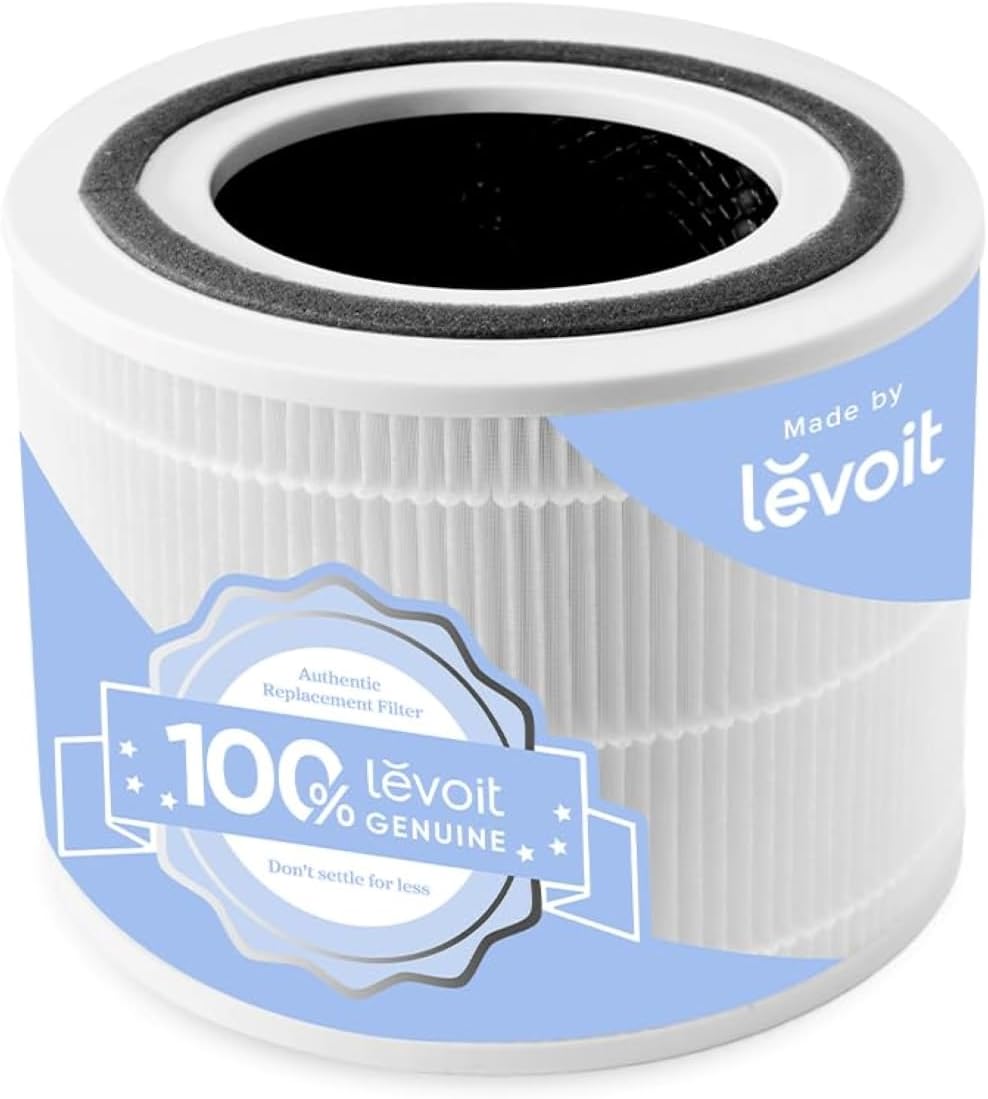
HEPA (High-Efficiency Particulate Air) filters are the gold standard for capturing fine dust particles. These filters are certified to trap at least 99.97% of airborne particles 0.3 microns in size. By continuously circulating and cleaning the air, an air purifier significantly reduces the amount of dust that settles on your furniture and floors.
Understanding Humidifiers: Moisture and Dust Control
A humidifier’s primary function is to add moisture to the air. When indoor air is too dry, dust particles can become lighter and more easily agitated, staying suspended in the air for longer periods. By increasing the humidity levels, a humidifier can help dust particles become heavier and settle down more quickly onto surfaces.
This settling effect can make dusting easier and reduce the amount of dust circulating in the air. However, it’s crucial to maintain optimal humidity levels, typically between 30% and 50%. Too much humidity can lead to mold and mildew growth, which can exacerbate respiratory problems. Therefore, while a humidifier can indirectly help with dust, it doesn’t actively remove it from the air like an air purifier does.
Air Purifier vs Humidifier for Dust: The Core Differences
The fundamental difference lies in their action: air purifiers remove dust, while humidifiers manage dust by influencing its behavior. If your main concern is reducing the actual amount of dust particles floating in your air, an air purifier is the more effective choice. It directly tackles the source of the problem by filtering out these particles.
A humidifier, on the other hand, is more about creating an environment where dust is less likely to become airborne. It’s a supportive role in dust management rather than a primary one. Consider your specific needs: are you trying to eliminate dust from the air, or are you looking to make existing dust easier to manage and less prone to becoming airborne?
When to Choose an Air Purifier for Dust
You should opt for an air purifier if your primary goal is to reduce airborne dust and its associated allergens. This is particularly beneficial for individuals with allergies, asthma, or other respiratory sensitivities. An air purifier actively cleans the air, providing immediate relief from dust particles that can trigger symptoms.
Key indicators that an air purifier is your best bet include visible dust motes in sunlight, frequent sneezing or coughing indoors, and a need to constantly dust surfaces. Investing in a model with a True HEPA filter will ensure maximum effectiveness against fine dust particles. Many reputable brands offer excellent options, such as Levoit air purifiers, known for their performance and features.
When to Choose a Humidifier for Dust Management
A humidifier is a better choice if your dust problem is exacerbated by dry air, or if you find that dust particles are easily agitated and seem to linger in the air. This is common in arid climates or during winter months when heating systems dry out indoor air. By increasing humidity, you can help dust particles settle more effectively.
If you experience dry skin, chapped lips, or static electricity, these are also signs that your home may benefit from increased humidity. While not a direct dust remover, a humidifier can make your environment more comfortable and indirectly assist in managing dust by making it heavier. Brands like Pure Enrichment offer a range of humidifiers suitable for various room sizes.
Can a Humidifier Make Dust Worse?
While a humidifier doesn’t directly create dust, it can inadvertently contribute to dust-related issues if not used properly. The primary concern is the potential for mold and mildew growth if humidity levels become too high, typically exceeding 60%. Mold spores are a significant allergen and can exacerbate respiratory problems, often mistaken for or contributing to dust sensitivity.
Additionally, some humidifiers, particularly ultrasonic models, can release minerals from tap water into the air as a fine white dust. This “white dust” can settle on surfaces and contribute to the overall dust load in your home. Using distilled or demineralized water can prevent this issue. Regular cleaning of the humidifier is also essential to prevent bacterial growth, which can then be dispersed into the air.
The Synergy: Using Both for Optimal Air Quality
For many households, the most effective solution for comprehensive dust management is to use both an air purifier and a humidifier in conjunction. The air purifier will actively remove dust particles from the air, while the humidifier will maintain optimal humidity levels, helping to keep any remaining dust settled and less prone to becoming airborne.
This dual approach tackles dust from multiple angles, creating a significantly healthier and more comfortable indoor environment. It’s particularly beneficial for those with severe allergies or respiratory conditions. Imagine breathing cleaner, fresher air that is also perfectly humidified – that’s the power of combining these two appliances.
Key Features to Consider in an Air Purifier for Dust
When selecting an air purifier specifically for dust, prioritize models with a True HEPA filter. This is non-negotiable for effective dust removal. Look for a high CADR (Clean Air Delivery Rate) rating, which indicates how quickly the unit can clean the air in a room of a specific size. Higher CADR means faster and more efficient dust removal.
Consider features like pre-filters to capture larger dust particles, extending the life of the HEPA filter. Activated carbon filters can also help with odors associated with dust or other household smells. Finally, noise levels and energy efficiency are important practical considerations for daily use.
Key Features to Consider in a Humidifier for Dust Management
If you’re opting for a humidifier to aid in dust management, choose a unit that allows you to control the humidity level, ideally with a built-in hygrometer or an adjustable humidistat. This prevents over-humidification. Consider the type of humidifier: cool mist humidifiers are generally safer for homes with children and pets, while warm mist humidifiers can help reduce airborne germs.
For dust concerns, an ultrasonic humidifier might be a good choice, but remember to use distilled or demineralized water to avoid releasing mineral dust. Ease of cleaning is also paramount to prevent mold and bacteria buildup. A larger tank capacity means less frequent refilling, which is a practical convenience.
Air Purifier vs Humidifier for Dust: A Comparative Table
To summarize the key differences and benefits, here’s a table comparing an air purifier and a humidifier for dust:
| Feature | Air Purifier | Humidifier |
|---|---|---|
| Primary Function | Removes airborne particles (dust, allergens, etc.) | Adds moisture to the air |
| Effect on Dust | Directly captures and eliminates dust | Indirectly helps dust settle by increasing air moisture |
| Best For | Reducing airborne dust, allergies, asthma triggers | Dry air conditions, dry skin, static electricity, indirect dust settling |
| Key Technology | HEPA filters, activated carbon filters | Evaporative, ultrasonic, impeller, steam |
| Potential Downsides | Filter replacement costs, can be noisy | Risk of mold/mildew if overused, potential for “white dust” (mineral deposits) |
This comparison highlights that while both devices can contribute to a cleaner home environment, their mechanisms for dealing with dust are distinct. Understanding these differences is crucial for making the right choice.
FAQ: Air Purifier vs Humidifier for Dust
Do air purifiers help with dust?
Yes, air purifiers are highly effective at removing dust from the air. They use filters, especially HEPA filters, to capture dust particles before they can settle on your surfaces or be inhaled.
Can a humidifier reduce dust?
A humidifier can indirectly help reduce dust by adding moisture to the air, making dust particles heavier and causing them to settle down faster. However, it does not remove dust from the air.
Which is better for allergies: an air purifier or a humidifier?
For allergies triggered by dust, pollen, or pet dander, an air purifier is generally much better as it actively removes these allergens from the air. A humidifier can help if dry air exacerbates allergy symptoms, but it doesn’t remove the allergens themselves.
Should I run an air purifier and a humidifier at the same time?
Yes, running both an air purifier and a humidifier simultaneously can be very beneficial. The air purifier cleans the air, while the humidifier maintains optimal humidity, creating a more comfortable and healthier environment.
What is “white dust” from a humidifier?
“White dust” is a term for the fine mineral deposits released into the air by ultrasonic or impeller humidifiers when using tap water. Using distilled or demineralized water can prevent this.
How often should I clean my air purifier and humidifier?
Air purifier pre-filters should be cleaned or replaced regularly (check manufacturer’s instructions, often monthly). Humidifiers require frequent cleaning, ideally every 1-3 days, to prevent mold and bacteria growth.
Can a humidifier cause mold growth?
Yes, if humidity levels are consistently too high (above 60%), a humidifier can contribute to mold and mildew growth in your home. It’s important to monitor humidity levels with a hygrometer.
Conclusion: Making the Essential Choice for Your Home
When faced with the question of an air purifier vs humidifier for dust, remember that they serve different purposes. An air purifier is your primary weapon for actively removing dust and other airborne irritants from your air. It’s the essential choice if your main concern is reducing the actual particulate matter that causes breathing difficulties and triggers allergies. On the other hand, a humidifier is a valuable tool for managing the effects of dry air, which can indirectly help dust settle and improve overall comfort.
For many, the ideal scenario involves using both appliances to achieve the best possible indoor air quality. An air purifier tackles the dust head-on, while a humidifier ensures your environment is comfortable and less conducive to dust becoming airborne. By understanding the distinct roles of each, you can confidently make the essential choice that best suits your home’s needs and leads to a cleaner, healthier living space.