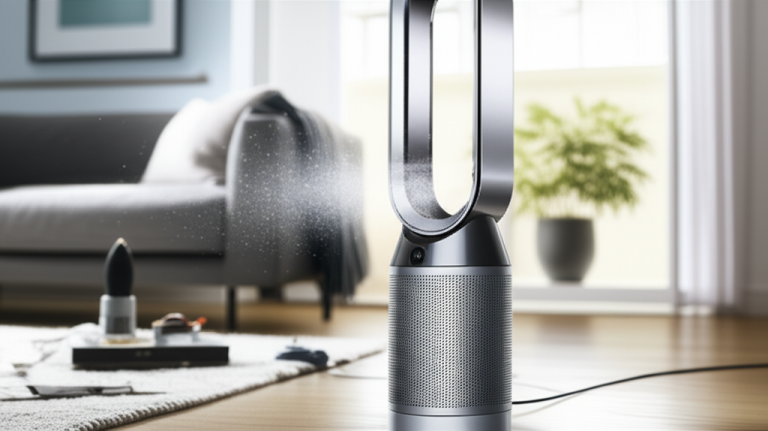
Air Purifier Good for Smoke: Essential Protection

Air Purifier Good for Smoke: Essential Protection Against Air Pollutants
Yes, an air purifier is indeed good for smoke, offering essential protection by removing harmful particles and gases from the air. Effectively tackling smoke from wildfires, cooking, or cigarettes, it significantly improves indoor air quality and safeguards your health from irritants and toxins.
Smoke, whether from a distant wildfire, a kitchen mishap, or everyday cigarette use, can fill your home with unpleasant odors and dangerous pollutants. These tiny particles and gases can linger in the air, causing respiratory irritation, triggering allergies, and posing long-term health risks. But what if I told you there’s a powerful ally in your fight for cleaner air? An air purifier can be your essential protection, working tirelessly to clear your home of smoke. Let’s explore how these devices work and why they are a crucial investment for your well-being.
How Air Purifiers Combat Smoke Effectively
Air purifiers are specifically designed to capture airborne contaminants, including the fine particulate matter and volatile organic compounds (VOCs) found in smoke. They draw in polluted air, pass it through a series of filters, and release cleaner air back into your space. This continuous cycle dramatically reduces smoke particles and associated odors, making your indoor environment healthier and more comfortable.
This process ensures that even microscopic smoke particles, which can easily bypass traditional ventilation, are trapped. By investing in the right air purifier, you are actively taking a stand against the detrimental effects of smoke exposure.
The Science Behind Smoke Filtration
Understanding how air purifiers tackle smoke reveals their true value. The key lies in their multi-stage filtration systems, primarily featuring HEPA (High-Efficiency Particulate Air) filters and activated carbon filters. HEPA filters are exceptionally effective at trapping at least 99.97% of airborne particles 0.3 microns in size, which includes many smoke-related irritants. Activated carbon filters then adsorb gases and odors, neutralizing the pungent smell and harmful VOCs present in smoke.
The combination of these filters creates a robust defense against the complex mixture of pollutants that constitute smoke. This scientific approach ensures comprehensive air purification, going beyond just particle removal to address the chemical aspects of smoke as well.
Types of Smoke and Their Impact on Air Quality
Different smoke sources present unique challenges. Wildfire smoke, for instance, contains a complex mix of fine particulate matter (PM2.5), carbon monoxide, and various toxic chemicals. Cooking smoke, especially from frying or burning food, releases grease particles, acrolein, and other irritants. Cigarette smoke is a notorious cocktail of over 7,000 chemicals, including carcinogens like tar and nicotine, along with fine and ultrafine particles.
Each type of smoke requires a robust air purification solution to effectively mitigate its specific harmful components. Recognizing these differences helps in selecting an air purifier that is best suited to your particular smoke concerns.
Choosing the Right Air Purifier for Smoke
When selecting an air purifier for smoke, prioritize models with a True HEPA filter and a substantial activated carbon filter. Look for a high CADR (Clean Air Delivery Rate) for smoke, indicating how quickly the unit can clean a room of smoke particles. Consider the size of your space and choose a purifier with a suitable coverage area (measured in square feet or meters). Extra features like pre-filters to catch larger particles and ionizers (used with caution) can also enhance performance.
Your choice should be guided by the specific type and volume of smoke you anticipate. A unit designed for heavy smoke loads will offer superior protection and faster air cleaning. Ensure the unit’s specifications align with your needs for maximum effectiveness.
Key Features to Look For:
- True HEPA Filter: Essential for capturing fine smoke particles.
- Activated Carbon Filter: Crucial for adsorbing smoke odors and VOCs.
- High CADR for Smoke: Ensures rapid cleaning of smoke-filled air.
- Appropriate Room Size Coverage: Matches the purifier’s capacity to your space.
- Pre-filter: Extends the life of main filters by capturing larger debris.
These features collectively contribute to an air purifier’s ability to deliver clean, fresh air. Prioritizing these aspects will lead you to a more effective and satisfactory purchase for your smoke-related air quality concerns.
Where to Place Your Air Purifier for Maximum Impact
Strategic placement is key to maximizing your air purifier’s effectiveness against smoke. Position it in the room where smoke is most likely to occur or where you spend the most time. Ensure there’s adequate space around the unit for unobstructed airflow, typically at least a foot or two from walls and furniture. Avoid placing it directly next to open windows or doors where smoke might be entering.
By giving your air purifier the best chance to draw in polluted air, you enhance its ability to clean your living space. Proper placement ensures that the device can operate at its peak efficiency, providing you with the cleanest possible air.
Maintenance: Keeping Your Air Purifier Effective
Regular maintenance is critical to ensure your air purifier continues to perform optimally, especially when dealing with persistent smoke. This primarily involves cleaning or replacing the filters according to the manufacturer’s recommendations. A clogged filter cannot effectively trap smoke particles or gases, diminishing the unit’s performance and potentially leading to strain on the motor.
Following the maintenance schedule is a small effort that yields significant rewards in terms of air quality and the longevity of your appliance. Neglecting this step can render even the best air purifier ineffective against smoke.
Filter Replacement Schedule (General Guideline)
| Filter Type | Recommended Replacement Interval |
|---|---|
| Pre-filter | Clean monthly; replace every 6-12 months |
| HEPA Filter | Replace every 6-12 months (depending on usage and smoke levels) |
| Activated Carbon Filter | Replace every 6-12 months (can become saturated with odors faster) |
This table provides a general overview, but always refer to your specific air purifier’s manual for precise instructions. Adhering to these guidelines ensures your filters are always working efficiently.
Beyond Smoke: Additional Benefits of Air Purifiers
While an air purifier is excellent for smoke, its benefits extend far beyond. These devices also capture common indoor allergens like dust mites, pollen, pet dander, and mold spores, providing relief for allergy sufferers. They can also help reduce airborne bacteria and viruses, contributing to a healthier home environment year-round. Many units also remove VOCs from household products, improving overall air freshness.
Investing in an air purifier for smoke is a multi-faceted approach to improving your indoor air quality. You gain protection from smoke while simultaneously enhancing your home’s environment against a wider range of pollutants.
Air Purifier vs. Other Smoke Mitigation Methods
While opening windows and using fans can offer temporary relief from smoke, they are often insufficient against pervasive smoke, especially from wildfires. Opening windows can actually draw in more smoke if the outdoor air quality is poor. Air purifiers provide a controlled, continuous method of cleaning indoor air, trapping particles and odors that ventilation alone cannot manage. Unlike air fresheners, which only mask odors, air purifiers physically remove the source of the smell and harmful particles.
For consistent and effective protection against smoke, an air purifier stands out as the most reliable solution. Its ability to actively filter the air offers a level of protection that passive methods cannot match.
Real-Life Scenarios: When an Air Purifier is a Lifesaver
During wildfire season, homes near affected areas can become choked with smoke, making breathing difficult and exacerbating respiratory conditions. An air purifier can create a safe haven within your home, allowing you to breathe freely. Similarly, if you or someone in your household smokes indoors, an air purifier is essential for mitigating the health risks associated with secondhand smoke and reducing lingering odors. Even occasional cooking smoke can be unpleasant and unhealthy; a good air purifier quickly clears the air, restoring comfort and safety.
These situations highlight the critical role an air purifier plays in protecting health and maintaining a comfortable living environment. It acts as a shield, ensuring your home remains a sanctuary even when outdoor air quality is compromised.
Frequently Asked Questions About Air Purifiers and Smoke
Can an air purifier completely eliminate smoke smell?
An air purifier with a robust activated carbon filter can significantly reduce and often eliminate smoke smell by adsorbing the odor-causing compounds. However, complete elimination may depend on the intensity of the smoke and the purifier’s capacity.
How long does it take for an air purifier to clear smoke from a room?
The time it takes varies depending on the air purifier’s CADR, the room size, and the density of the smoke. A high-performance unit in a suitable room can noticeably improve air quality within 30 minutes to a few hours.
Are air purifiers effective against wildfire smoke?
Yes, air purifiers equipped with True HEPA filters are highly effective against wildfire smoke, as these filters capture the fine particulate matter (PM2.5) that makes up a significant portion of wildfire smoke.
Do I need a special type of air purifier for cigarette smoke?
For cigarette smoke, it’s crucial to choose an air purifier with both a True HEPA filter and a substantial activated carbon filter to tackle both the particles and the numerous harmful gases and odors.
How often should I run my air purifier when smoke is present?
It’s recommended to run your air purifier continuously, especially when smoke is present or anticipated, to maintain the best possible indoor air quality. Running it on a higher setting during peak smoke times can be beneficial.
Can air purifiers help with smoke damage to furniture?
Air purifiers primarily address airborne smoke particles and odors. While they can help prevent smoke from settling further onto surfaces, they do not repair existing smoke damage to furniture or walls.
Conclusion: Your Essential Shield Against Smoke
In conclusion, an air purifier is not just a helpful appliance; it’s an essential protection against the pervasive threat of smoke. Whether it’s the lingering scent of cooking, the haze from a wildfire, or the harmful effects of secondhand smoke, a well-chosen air purifier equipped with True HEPA and activated carbon filters can make a profound difference in your home’s air quality. By investing in this technology, you are actively safeguarding your health, creating a more comfortable living environment, and ensuring that your home remains a sanctuary of clean air. Don’t underestimate the power of an air purifier good for smoke; it’s a vital step towards a healthier, happier life.