Air Purifier Good For Pet Hair: Essential Clean Air

Yes, an air purifier is good for pet hair, especially when it has the right filters, significantly improving indoor air quality by capturing dander, allergens, and odors.
Air Purifier Good for Pet Hair: Essential Clean Air for Your Home
Living with furry companions brings immense joy, but it also often means dealing with shedding hair, dander, and lingering pet odors. If you’re wondering whether an air purifier is good for pet hair, the answer is a resounding yes, provided you choose the right one. This guide will walk you through how these devices can transform your home environment, ensuring cleaner air for everyone, pets included. We’ll explore the science behind it, what features to look for, and how to maximize their effectiveness.
Why Pet Hair and Dander Affect Your Air Quality
Pet hair itself is a nuisance, but it’s the microscopic dander, saliva, and urine proteins attached to it that cause the most significant air quality issues. These tiny particles become airborne easily and can trigger allergies and asthma symptoms in sensitive individuals. They also tend to settle on surfaces, contributing to dust and making your home feel less fresh.
The constant shedding from dogs, cats, and other pets means a continuous release of these airborne irritants into your living space. Without intervention, these particles can circulate throughout your home, impacting respiratory health and overall comfort. Understanding this cycle is the first step to creating a healthier environment.
How Air Purifiers Tackle Pet Hair and Associated Allergens
Air purifiers work by drawing in air, passing it through a series of filters, and then releasing cleaner air back into the room. For pet owners, the key lies in the type of filters used. High-quality air purifiers are designed to capture not just larger particles like visible hair but also the much smaller dander and allergen particles that cause most problems.
These devices act as a crucial layer of defense against the invisible airborne pollutants pets introduce. By trapping these irritants, they significantly reduce their presence in the air you breathe. This makes them an invaluable tool for pet-friendly households aiming for optimal indoor air quality.
The Crucial Role of HEPA Filters for Pet Owners
When considering an air purifier good for pet hair, the presence of a True HEPA filter is non-negotiable. A True HEPA filter is certified to capture at least 99.97% of airborne particles as small as 0.3 microns. This includes pet dander, dust mites, pollen, and mold spores – the primary culprits behind pet-related allergies.
Without a HEPA filter, an air purifier might capture larger dust particles but will largely miss the fine dander that causes the most discomfort. This makes investing in a unit with a True HEPA filter essential for truly improving air quality for pet owners. Many reputable brands like Coway and Blueair offer models with excellent HEPA filtration.
Activated Carbon Filters: Your Ally Against Pet Odors
While HEPA filters excel at capturing physical particles, activated carbon filters are the heroes when it comes to tackling pet odors. These filters are made from porous carbon that has been treated to increase its absorbency. They work by adsorbing volatile organic compounds (VOCs) and gases, which are the source of unpleasant smells from litter boxes, pet accidents, or simply a “doggy” aroma.
A good air purifier for pet owners will often combine a True HEPA filter with a substantial activated carbon filter. This dual-action approach ensures that both the allergens and the odors associated with pets are effectively neutralized. The effectiveness of the carbon filter depends on its amount and quality.
Pre-filters: The First Line of Defense Against Pet Hair
Many air purifiers designed for pet owners include a washable pre-filter. This layer sits at the very front of the filtration system and is designed to capture larger particles like visible pet hair, lint, and dust bunnies. Its primary purpose is to protect the more sensitive HEPA and carbon filters from getting clogged too quickly.
A good pre-filter significantly extends the lifespan of your other filters, saving you money on replacements in the long run. Regularly cleaning or replacing the pre-filter is a simple yet effective maintenance step for any pet owner using an air purifier. It ensures the unit can continue to perform optimally.
Placement and Performance: Maximizing Your Air Purifier’s Effectiveness
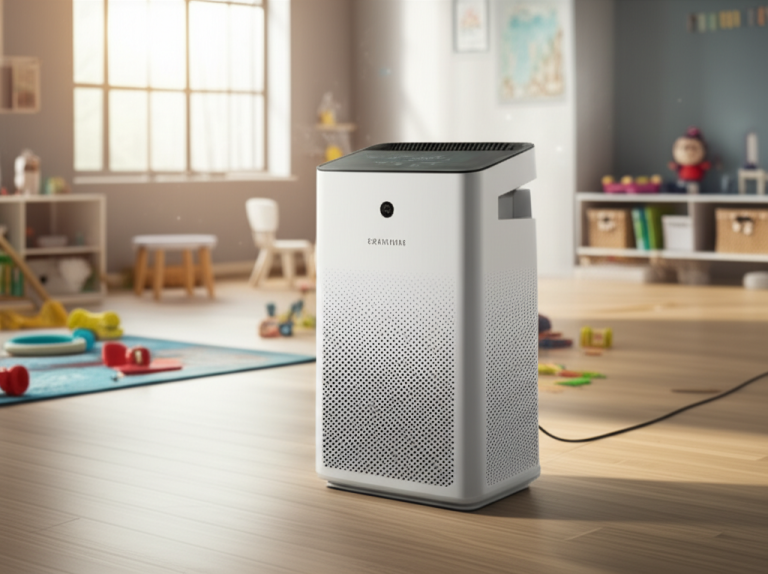
The placement of your air purifier can significantly impact its effectiveness in capturing pet hair and dander. Ideally, position the unit in the room where your pet spends the most time or where you spend the most time with your pet. Placing it on the floor, near where pets sleep or play, can be very beneficial.
Ensure the unit has adequate space around it for unobstructed airflow, as specified by the manufacturer. Avoid placing it behind furniture or in tight corners. For larger homes, consider using multiple units or a model with a high CADR (Clean Air Delivery Rate) suitable for the room size.
Maintenance: Keeping Your Air Purifier in Top Shape
Regular maintenance is key to ensuring your air purifier remains effective at combating pet hair and dander. This primarily involves cleaning or replacing the filters according to the manufacturer’s recommendations. Neglecting maintenance can lead to reduced airflow, decreased efficiency, and even a potential source of allergens if filters become overloaded.
The pre-filter should typically be cleaned weekly or bi-weekly, depending on your pet’s shedding level. HEPA and carbon filters have a longer lifespan but will eventually need replacement, usually every 6-12 months. Many modern units will alert you when it’s time to change a filter.
Here’s a typical maintenance schedule:
| Filter Type | Maintenance Action | Frequency (Typical) | Notes |
| :————– | :—————– | :—————— | :—————————————– |
| Pre-filter | Wash/Vacuum | Weekly/Bi-weekly | Captures visible hair and large dust. |
| HEPA Filter | Replace | 6-12 Months | Captures fine dander and allergens. |
| Activated Carbon | Replace | 6-12 Months | Absorbs odors and VOCs. |
Following this schedule ensures your air purifier continues to deliver the clean air you expect.
Choosing the Right Air Purifier for Your Pet Needs
When selecting an air purifier good for pet hair, look for models specifically marketed for pet owners or those with robust multi-stage filtration systems. Key features to prioritize include:
True HEPA Filter: Essential for capturing fine dander.
Substantial Activated Carbon Filter: For effective odor elimination.
Washable Pre-filter: To catch larger pet hair and extend other filter life.
Appropriate CADR Rating: Ensure it matches the square footage of your room.
Low Noise Levels: Especially important if the purifier will run continuously.
Energy Efficiency: For lower electricity bills.
Brands like Levoit, Coway, and Blueair offer excellent options that cater to pet owners’ specific needs. Always check independent reviews and specifications to ensure the unit meets your requirements.
Beyond Filters: Additional Features to Consider
Some air purifiers offer additional features that can enhance their performance for pet owners. Ionizers, for example, release negative ions that can help particles clump together, making them easier for the filters to capture. However, ensure any ionizer option is CARB (California Air Resources Board) certified to avoid ozone production, which can be harmful.
UV-C light technology is another feature that some purifiers incorporate to neutralize airborne bacteria and viruses. While not directly related to pet hair or dander, it can contribute to overall improved indoor air quality. Always research the safety and effectiveness of these additional technologies.
The Comprehensive Benefits of an Air Purifier for Pet Owners
An air purifier good for pet hair offers a multifaceted solution to common household challenges. Beyond simply reducing visible hair, it dramatically improves indoor air quality by trapping allergens, neutralizing odors, and removing airborne irritants. This leads to a healthier living environment for both humans and pets, potentially reducing allergy symptoms and making your home feel fresher and cleaner.
Investing in a quality air purifier is an investment in your family’s well-being. It allows you to enjoy the companionship of your pets without compromising on the air you breathe. The long-term benefits for health and comfort are substantial.
FAQ: Your Top Air Purifier Questions Answered
Can an air purifier eliminate all pet dander?
While an air purifier significantly reduces airborne pet dander, it cannot eliminate it entirely. Dander is constantly produced by pets, and some particles will always settle on surfaces. Regular cleaning, in addition to using an air purifier, is essential for comprehensive dander control.
How often do I need to replace filters in an air purifier for pets?
Filter replacement frequency varies by model and usage, but typically HEPA and carbon filters need replacing every 6 to 12 months. The pre-filter, which captures most pet hair, should be cleaned much more often, usually weekly or bi-weekly. Always consult your air purifier’s manual for specific recommendations.
Will an air purifier help with my pet allergies?
Yes, an air purifier, especially one with a True HEPA filter, is highly effective at reducing the allergens that trigger pet allergies. By capturing dander, saliva, and other microscopic particles, it can lead to fewer allergy symptoms like sneezing, itchy eyes, and respiratory irritation.
Can air purifiers remove pet odors?
Absolutely. Air purifiers equipped with activated carbon filters are excellent at adsorbing and neutralizing the volatile compounds that cause pet odors. The larger the amount of activated carbon, the more effective the odor removal will be.
Are air purifiers noisy, especially when dealing with pets?
Air purifier noise levels vary by model and fan speed. Many units are designed to be quiet, especially on lower settings, making them suitable for continuous operation. Some models even have a “sleep mode” that minimizes noise and dims indicator lights.
What size air purifier do I need for a room with pets?
You need to choose an air purifier with a Clean Air Delivery Rate (CADR) that matches or exceeds the square footage of your room. For rooms with pets, it’s often recommended to choose a unit rated for a slightly larger room to ensure maximum effectiveness against dander and odors.
Conclusion: Breathe Easier with an Air Purifier Good for Pet Hair
In conclusion, an air purifier is indeed very good for pet hair and the associated allergens and odors that come with our beloved animal companions. By understanding the importance of True HEPA and activated carbon filters, proper placement, and consistent maintenance, you can create a significantly cleaner and healthier living environment. Investing in a quality air purifier is a practical and effective way to enjoy the joys of pet ownership without the constant burden of poor indoor air quality. Make the choice today to breathe cleaner air and live more comfortably with your furry family members.