
Air Purifier Electrostatic: Essential Clean Air

Air purifier electrostatic technology offers a powerful, filter-free solution for cleaner indoor air by charging and capturing airborne particles. Discover how these innovative devices work to create a healthier living environment and why they are an essential choice for many homes.
The air inside our homes can be surprisingly dirty, filled with dust, allergens, and even microscopic pollutants. This can lead to sniffles, sneezes, and a general feeling of discomfort. If you’re searching for a reliable way to achieve truly fresh air, you’ve likely encountered the term “air purifier electrostatic.” This article will demystify this advanced technology, showing you how it works and why it’s a crucial component for a healthy home. Get ready to breathe easier as we explore the essentials of air purifier electrostatic systems.
What is an Air Purifier Electrostatic?
An air purifier electrostatic is a device that uses an electrical charge to remove pollutants from the air. Unlike traditional purifiers that rely on physical filters, electrostatic models charge incoming particles. These charged particles are then attracted to oppositely charged collection plates within the unit. This process effectively captures even very small airborne contaminants, providing a continuous stream of cleaner air.
This technology offers a unique approach to air purification, focusing on electrical attraction rather than physical trapping. It’s a smart solution for homes seeking advanced air quality management.
How Does Electrostatic Air Purification Work?
The magic behind an air purifier electrostatic lies in its ionization process. As air enters the purifier, it passes through a charging section. Here, a high-voltage corona discharge imparts an electrical charge to airborne particles like dust, pollen, and smoke. These now-charged particles are then drawn towards oppositely charged collector plates.
The plates act like magnets for these pollutants, ensuring they are removed from the airstream. This method is highly effective at capturing particles of all sizes.
The Ionization Process in Detail
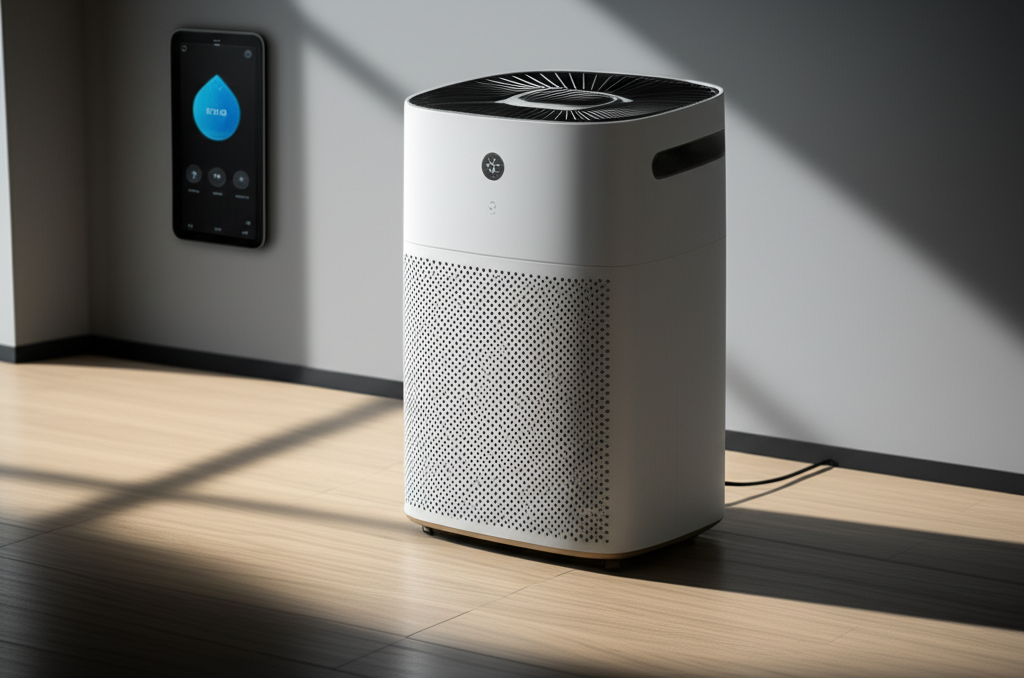
The core of electrostatic purification is the creation of ions. A high-voltage power supply generates a corona discharge, which is a faint electrical glow. This discharge ionizes the air molecules surrounding it.
When airborne particles pass through this ionized field, they pick up these ions, becoming electrically charged themselves. This charging is crucial for the next step in the purification process.
The Collection Plates: Capturing the Charge
Once particles are charged, they encounter a series of collector plates. These plates are typically arranged in an alternating pattern, with opposite electrical charges. For example, one plate might be positive, and the next negative.
When the charged particles enter this field, they are powerfully attracted to the plates with the opposite charge. This causes them to stick to the plates, effectively removing them from the air.
Types of Electrostatic Air Purifiers
There are a few main types of electrostatic air purifiers, each with slight variations in their design and operation. Understanding these differences can help you choose the best unit for your needs. The most common are electronic air cleaners (EACs) and some types of ionizers.
Some purifiers combine electrostatic technology with other filtration methods for enhanced performance. This hybrid approach can offer the best of both worlds.
Electronic Air Cleaners (EACs)
Electronic Air Cleaners are the classic example of an air purifier electrostatic system. They typically feature an ionizing section and a collector cell. The collector cell consists of multiple sets of plates designed to charge and then capture pollutants.
These units are known for their efficiency in removing fine particles. They are a popular choice for continuous air cleaning in homes and offices.
Ionizers and Their Role
While some purifiers are purely electrostatic, others are referred to as ionizers. These devices primarily release negative ions into the air. These ions attach to airborne particles, causing them to become heavier and fall to surfaces or stick to walls.
While effective at reducing airborne particles, some ionizers can produce ozone as a byproduct. It’s important to choose models that are certified for low or no ozone production.
Hybrid Electrostatic Purifiers
Some advanced air purifiers combine electrostatic technology with traditional HEPA filters. These hybrid systems use the electrostatic process to capture larger particles and pre-charge smaller ones. This reduces the load on the HEPA filter, extending its lifespan.
This combination can lead to highly efficient air purification. It offers the benefits of both electrostatic capture and physical filtration.
The Benefits of Using an Air Purifier Electrostatic
Choosing an air purifier electrostatic brings a host of advantages for your home environment. These purifiers are often more energy-efficient than models with powerful fans and offer a cost-effective solution due to their reusable components. Their ability to capture ultra-fine particles makes them excellent for allergy sufferers.
They provide a continuous and quiet operation, contributing to a more peaceful living space. The benefits extend to improved air quality and overall well-being.
Cost-Effectiveness and Reusability
One of the most significant advantages of an air purifier electrostatic is its long-term cost-effectiveness. Instead of constantly buying replacement filters, the collector plates can be washed and reused. This dramatically reduces ongoing expenses compared to HEPA filter replacements.
This reusable nature also makes them an environmentally friendly choice. You contribute less waste by avoiding disposable filters.
Efficiency in Capturing Fine Particles
Electrostatic purifiers excel at capturing microscopic particles that can easily pass through conventional filters. This includes ultra-fine dust, smoke particles, pet dander, and even some bacteria and viruses. Their ability to charge these tiny particles ensures they are effectively removed from the air.
For individuals with severe allergies or respiratory conditions, this level of filtration can be life-changing. It ensures a consistently cleaner breathing environment.
Low Noise Operation
Many electrostatic air purifiers operate with significantly less noise than filter-based models. This is because they often don’t require powerful fans to force air through dense filter media. The electrostatic attraction does much of the work, allowing for quieter operation.
This makes them ideal for use in bedrooms, nurseries, or any area where quiet is desired. You can enjoy clean air without disruptive noise.
Reduced Energy Consumption
Due to their design, electrostatic purifiers can be more energy-efficient. They often require less power to operate compared to units that rely on high-speed fans. This can lead to lower electricity bills over time.
Choosing an energy-efficient appliance is beneficial for both your wallet and the environment. It’s a smart choice for sustainable living.
Potential Downsides and Considerations
While an air purifier electrostatic offers many benefits, it’s important to be aware of potential downsides. One primary concern for some users is the possibility of ozone production. Additionally, the collector plates require regular cleaning to maintain efficiency.
Understanding these aspects will help you make an informed decision and ensure you get the most out of your unit. Proper maintenance is key to optimal performance.
Ozone Production Concerns
Some electrostatic purifiers, particularly older models or certain ionizers, can produce ozone as a byproduct of the ionization process. Ozone is a lung irritant, and prolonged exposure can be harmful. It’s crucial to select models that are certified by organizations like the California Air Resources Board (CARB) for low or no ozone emissions.
Always check product specifications and certifications before purchasing. Prioritize your health and safety by choosing ozone-free or low-ozone options.
Maintenance: Cleaning the Collector Plates
Unlike filter-based purifiers, electrostatic units require manual cleaning of their collector plates. These plates accumulate the captured pollutants and need to be removed and washed regularly. The frequency of cleaning depends on usage and the air quality in your home, but it’s typically recommended every few weeks.
While this is a recurring task, it eliminates the need to purchase replacement filters. It’s a trade-off that many find worthwhile for the cost savings.
Potential for Static Electricity
In some rare cases, very high-voltage electrostatic purifiers might generate a mild static charge in the surrounding air. This is usually not a significant issue and can be mitigated by ensuring proper grounding of the unit and maintaining appropriate humidity levels in your home.
Most modern units are designed to minimize any noticeable static effects. This is a minor consideration for the majority of users.
Air Purifier Electrostatic vs. HEPA Filters
When comparing air purifier electrostatic technology to HEPA filters, both have their strengths. HEPA filters physically trap particles in a dense mesh, offering excellent filtration for a wide range of contaminants. Electrostatic purifiers, on the other hand, use electrical charges to attract and capture particles.
The choice often depends on your specific needs, such as the types of pollutants you’re most concerned about and your preference for filter replacement versus plate cleaning. Many users find a combination of both technologies provides the best overall air quality.
Filtration Efficiency Comparison
HEPA filters are rated to capture at least 99.97% of particles 0.3 microns in size. This includes many common allergens and pollutants. Electrostatic purifiers are also highly effective, especially at capturing very fine particles due to the electrical charge.
Some studies suggest that electrostatic purifiers can be more efficient at capturing ultra-fine particles below 0.1 microns. However, their effectiveness can be influenced by particle type and charge.
Filter Replacement vs. Plate Cleaning
A key difference lies in maintenance. HEPA filters need to be replaced periodically, typically every 6-12 months, which adds to the ongoing cost. Electrostatic purifiers have washable collector plates, eliminating the recurring filter purchase cost.
This makes electrostatic purifiers a more economical choice in the long run. The trade-off is the manual cleaning task required for the plates.
Particle Size Effectiveness
Both technologies are effective across a range of particle sizes. HEPA filters are excellent for a broad spectrum of pollutants. Electrostatic technology is particularly strong against very fine particles that might otherwise escape a HEPA filter.
For those sensitive to the smallest airborne irritants, electrostatic might offer an edge. This is especially true when combined with other filtration stages.
Choosing the Right Air Purifier Electrostatic for Your Home
Selecting the ideal air purifier electrostatic involves considering several factors. Think about the size of the room where it will be used, your specific air quality concerns, and your budget. Always prioritize models with low or no ozone production certifications.
Reading reviews and comparing features will help you find a unit that best suits your household’s needs. A well-chosen purifier can significantly improve your indoor environment.
Room Size and Coverage
Air purifiers are rated for specific room sizes, often indicated by their CADR (Clean Air Delivery Rate). Ensure the unit you choose is appropriately sized for the space you intend to use it in. An undersized unit won’t be effective, while an oversized one might be unnecessarily expensive.
Match the purifier’s coverage area to your room dimensions for optimal performance. This ensures efficient air cleaning throughout the space.
Key Features to Look For
When shopping for an air purifier electrostatic, look for features like multiple fan speeds, a filter change indicator (even for washable filters, it can remind you of cleaning intervals), and a quiet mode for nighttime use. Energy Star certification is also a good indicator of efficiency.
Consider units with intuitive controls and a durable build quality. These features enhance user experience and longevity.
Budget and Long-Term Costs
While the initial purchase price of an air purifier electrostatic can vary, remember to factor in long-term costs. The savings from not needing replacement filters can make these units more economical over time. Compare the total cost of ownership, including electricity usage.
A thorough cost-benefit analysis will guide you toward the most sensible investment for your home. Prioritize value and effectiveness.
Maintenance and Best Practices for Electrostatic Purifiers
To ensure your air purifier electrostatic operates at peak efficiency, regular maintenance is essential. This primarily involves cleaning the collector plates and keeping the unit’s intake and outlet clear. Following these best practices will maximize its lifespan and performance.
Proper care guarantees you continue to enjoy the benefits of cleaner air for years to come. It’s a simple process with significant rewards.
Cleaning the Collector Plates
The most crucial maintenance task is cleaning the collector plates. These should be removed from the unit and washed with mild soap and water. Allow them to dry completely before reinserting them.
The frequency of cleaning will depend on your air quality and how often you run the purifier, but a good rule of thumb is every 2-4 weeks. Refer to your specific model’s manual for detailed instructions.
Regular Unit Cleaning
Beyond the collector plates, it’s a good idea to periodically wipe down the exterior of the air purifier with a damp cloth. Ensure the air intake and outlet vents are free of dust and obstructions. This helps maintain airflow and prevents the unit from overheating.
A clean unit performs better and lasts longer. Simple external cleaning contributes to overall efficiency.
Placement for Optimal Airflow
Positioning your air purifier electrostatic correctly is vital for its effectiveness. Place it in an open area, away from walls or furniture that could obstruct airflow. This allows the unit to draw in air from all directions and circulate purified air efficiently.
Avoid placing it in corners or behind curtains. Optimal placement ensures maximum air circulation and purification.
Are Electrostatic Air Purifiers Safe?
When choosing an air purifier electrostatic, safety is paramount. The main concern revolves around ozone production. Reputable manufacturers design their units to produce minimal to no ozone.
Always look for certifications like CARB compliance to ensure the unit meets strict safety standards for ozone emissions. With the right model, electrostatic purifiers are a safe and effective way to improve your indoor air quality.
Understanding Ozone Emissions
Ozone is a gas that can irritate the lungs and worsen respiratory conditions like asthma. While some electrostatic processes naturally produce trace amounts of ozone, modern purifiers are engineered to keep these levels extremely low. The goal is to meet stringent safety regulations.
CARB certification is a reliable indicator that a unit’s ozone output is within safe limits. This ensures the air you breathe is cleaner, not more polluted.
Choosing Certified Models
To guarantee safety, always opt for air purifiers that have been certified by recognized bodies. The California Air Resources Board (CARB) is a leading authority on air cleaner certification. Their approval signifies that the unit meets rigorous standards for safety and performance.
Checking for the CARB certification on the product packaging or manufacturer’s website provides peace of mind. It assures you of a safer, healthier appliance.
Conclusion: Breathe Freely with Electrostatic Air Purification
Investing in an air purifier electrostatic is a smart step towards a healthier home environment. These advanced devices offer a powerful, cost-effective, and energy-efficient solution for removing a wide range of airborne pollutants. By understanding how they work, their benefits, and essential maintenance, you can confidently choose a model that best suits your needs.
Embrace the power of electrostatic technology and enjoy the peace of mind that comes with breathing cleaner, fresher air every day. It’s an essential component for modern healthy living.
Frequently Asked Questions
What is the main advantage of an electrostatic air purifier over a HEPA filter?
The primary advantage is cost-effectiveness due to reusable, washable collector plates instead of disposable filters. They can also be more energy-efficient and quieter.
Do electrostatic air purifiers produce ozone?
Some electrostatic purifiers can produce ozone, but reputable models are certified for low or no ozone emissions by bodies like CARB. Always check for certification.
How often do I need to clean the collector plates on an electrostatic air purifier?
This depends on your air quality and usage, but generally, cleaning every 2-4 weeks is recommended. Refer to your unit’s manual for specific guidelines.
Are electrostatic air purifiers effective against viruses and bacteria?
Yes, electrostatic purifiers can capture very fine particles, including some bacteria and viruses, due to their charging mechanism. However, their effectiveness against specific pathogens can vary.
Can I use an electrostatic air purifier in a small room?
Yes, you can, but it’s crucial to choose a unit appropriately sized for the room. Check the CADR rating to ensure it’s suitable for the space.
What happens if I don’t clean the collector plates regularly?
If not cleaned, the collector plates become saturated with pollutants, reducing the purifier’s efficiency and potentially causing the unit to perform poorly or even shut down.
Are there any potential health risks associated with electrostatic air purifiers?
The main concern is ozone production. Choosing certified low-ozone models mitigates this risk, making them safe for most households.
