
Air Purifier Dyson vs Coway: Genius Clean Air

Comparing Dyson and Coway air purifiers reveals which offers the most intelligent clean air solutions for your home, balancing advanced technology with user-friendly features for superior indoor air quality.
Breathing clean air at home is more than a luxury; it’s essential for well-being. Yet, with so many options, choosing the right air purifier can feel overwhelming. You’re likely wondering, “Which is better: Dyson or Coway?” Both brands are lauded for their innovation, but they approach achieving “genius clean air” differently. This guide will break down the key differences, helping you make an informed decision for a healthier living space.
Dyson vs. Coway Air Purifier: The Ultimate Showdown
Choosing between a Dyson and a Coway air purifier involves understanding their core philosophies and technological strengths. Dyson often emphasizes multi-functionality and sleek design, integrating purification with heating and cooling. Coway, on the other hand, tends to focus on robust, dedicated purification with advanced filtration systems. This comparison aims to illuminate which brand aligns best with your specific air quality needs and home environment.
What to Consider When Choosing an Air Purifier
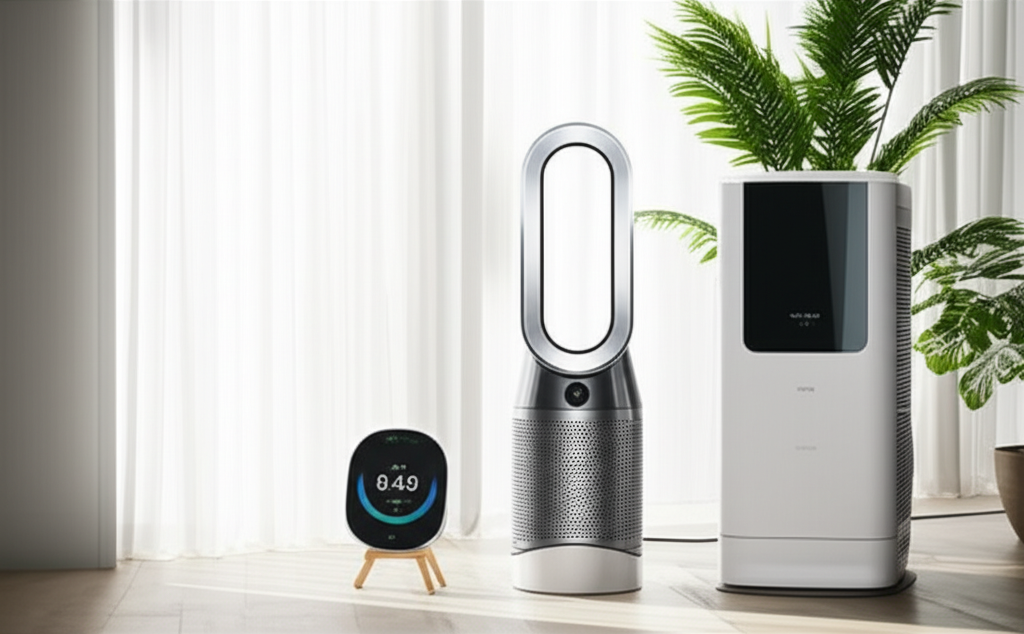
When selecting an air purifier, several factors are paramount to ensure you get the best value and performance. Beyond just brand names like Dyson and Coway, think about room size, the specific pollutants you need to target, noise levels, and ongoing maintenance costs. Understanding these elements will help you discern which unit will truly deliver genius clean air for your unique situation.
Dyson Air Purifiers: Innovation Meets Multi-Functionality
Dyson air purifiers are renowned for their cutting-edge technology and often integrate multiple functions into a single, stylish unit. Many Dyson models act as purifiers, fans, and heaters, offering year-round comfort and air quality management. Their bladeless design is a signature feature, contributing to safety and ease of cleaning.
Dyson’s commitment to advanced engineering means their purifiers often feature sophisticated sensors that continuously monitor air quality, automatically adjusting fan speed and purification levels. They are designed to capture a wide range of particles, including allergens, VOCs, and bacteria, providing a comprehensive approach to cleaner air.
Coway Air Purifiers: Dedicated Purification Powerhouses
Coway has carved out a significant niche by focusing on delivering highly effective, dedicated air purification. Their machines are often praised for their multi-stage filtration systems, which typically include a pre-filter, activated carbon filter, and a high-efficiency particulate air (HEPA) filter. This layered approach is designed to tackle a broad spectrum of airborne contaminants.
Many Coway models are also recognized for their quiet operation, making them ideal for bedrooms and living areas where noise can be a concern. They offer powerful performance without being intrusive, ensuring continuous purification throughout the day and night.
Filtration Technology: HEPA, Activated Carbon, and Beyond
The heart of any air purifier lies in its filtration system. Both Dyson and Coway employ HEPA filters, which are crucial for trapping microscopic particles like dust, pollen, and pet dander. However, their approaches to pre-filtration and activated carbon filtration can differ.
Dyson often integrates its filters into sealed systems, aiming to prevent allergens from escaping back into the room. Coway typically uses multiple layers of filtration, with a robust activated carbon filter specifically designed to absorb odors and harmful gases. Understanding these differences helps in choosing a unit that targets your primary air quality concerns.
Performance Metrics: CADR and Room Coverage
When comparing air purifiers, understanding their performance metrics is key. The Clean Air Delivery Rate (CADR) measures how quickly a purifier can clean a room of specific pollutants like smoke, dust, and pollen. A higher CADR generally means faster purification.
Room coverage is also critical. Manufacturers usually provide a recommended room size for their units. It’s important to match the purifier’s capacity to your space to ensure effective air cleaning. Dyson and Coway offer models suitable for various room sizes, from small bedrooms to larger living areas.
Smart Features and Connectivity: The Connected Home
In today’s smart homes, connectivity is a significant advantage. Many Dyson and Coway air purifiers come equipped with Wi-Fi connectivity, allowing users to control and monitor their devices via smartphone apps. This enables remote operation, scheduling, and real-time air quality reports.
These smart features provide convenience and insight into your home’s air quality. You can receive notifications about air quality changes or filter life, ensuring your purifier is always operating at peak efficiency. This level of control contributes to a truly “genius” approach to managing your indoor environment.
Design and Aesthetics: Form Meets Function
The appearance of an air purifier can be as important as its performance, especially in a home setting. Dyson is known for its futuristic, minimalist designs that often serve as a statement piece. Their bladeless technology also contributes to a sleek, modern aesthetic.
Coway units tend to be more traditionally designed, often prioritizing functionality and compactness. While perhaps less visually striking than some Dyson models, Coway purifiers are built to blend seamlessly into various home decor styles, offering effective purification without drawing undue attention.
Noise Levels: Quiet Operation for Peace of Mind
Noise is a crucial consideration, particularly for air purifiers that will run continuously in living spaces or bedrooms. Some high-powered air purifiers can be quite loud, disrupting sleep or conversation. Both Dyson and Coway strive to minimize noise, but their approaches and results can vary.
Coway models are frequently lauded for their quiet operation, especially on lower fan speeds. Dyson, while also focused on noise reduction, sometimes has higher fan speeds that can be more audible. It’s always wise to check specific model decibel ratings if noise is a primary concern for your air purifier Dyson vs Coway decision.
Maintenance and Filter Replacement: Ongoing Costs
The long-term cost of owning an air purifier includes filter replacement. HEPA and activated carbon filters need to be replaced periodically to maintain optimal performance. The frequency of replacement depends on usage and air quality, but manufacturers typically provide guidelines.
Dyson’s sealed filtration systems mean that when you replace a filter, you’re replacing a complete unit, which can sometimes be more expensive. Coway often offers more modular filter replacements, which might be more cost-effective over time. Always factor in the cost and availability of replacement filters when making your purchase.
Price Point and Value Proposition
When it comes to price, Dyson air purifiers often sit at the higher end of the market, reflecting their advanced technology, multi-functionality, and premium design. They represent an investment in a versatile home appliance.
Coway air purifiers generally offer a more competitive price point, providing excellent purification performance for their cost. They are often seen as a great value for consumers looking for powerful, dedicated air cleaning without the premium associated with some other brands. The “genius clean air” you receive from a Coway unit is often very cost-effective.
Dyson vs. Coway: Key Differences at a Glance
To summarize, here’s a quick look at how Dyson and Coway air purifiers stack up:
| Feature | Dyson Air Purifiers | Coway Air Purifiers |
| :—————— | :—————————————————— | :—————————————————— |
| Primary Focus | Multi-functionality (purify, fan, heat), sleek design | Dedicated, powerful air purification |
| Filtration | Sealed HEPA and activated carbon, advanced sensors | Multi-stage HEPA and activated carbon, robust systems |
| Design | Modern, futuristic, bladeless options | Functional, often compact, blends with decor |
| Noise Level | Generally moderate, can increase at higher speeds | Often very quiet, especially on lower settings |
| Smart Features | Advanced app control, real-time monitoring | App control, scheduling, air quality notifications |
| Price | Premium, higher investment | Mid-range, excellent value for performance |
| Maintenance | Often integrated filter units, can be pricier | Modular filters, potentially more cost-effective |
Which Air Purifier is Right for You?
The choice between a Dyson and a Coway air purifier ultimately depends on your priorities. If you value multi-functionality, cutting-edge design, and are willing to invest more, a Dyson might be your ideal choice. For those seeking highly effective, dedicated air purification with a focus on quiet operation and strong value, a Coway purifier is likely the better fit. Both brands offer “genius clean air” solutions, but they cater to different needs and preferences.
Frequently Asked Questions About Dyson vs. Coway Air Purifiers
Do Dyson air purifiers really work better than Coway?
Both Dyson and Coway are highly effective air purifiers. Dyson excels in multi-functionality and design, while Coway is often praised for its dedicated, powerful filtration at a competitive price. Your “better” choice depends on your specific needs for features and budget.
Which brand is quieter, Dyson or Coway?
Coway models are generally considered quieter than Dyson purifiers, especially on lower fan settings. This makes Coway a popular choice for bedrooms and quiet living spaces.
Are Dyson filters more expensive than Coway filters?
Yes, Dyson filters can sometimes be more expensive because they are often part of a sealed unit replacement. Coway typically uses more modular filter systems, which can be more cost-effective over time.
Which air purifier is better for allergies, Dyson or Coway?
Both brands offer excellent HEPA filtration suitable for allergy sufferers. Dyson’s sealed systems aim to prevent allergens from escaping, while Coway’s robust multi-stage filtration is also highly effective at capturing allergens.
Which brand offers more smart features?
Both Dyson and Coway offer smart features like app control and air quality monitoring. Dyson often integrates these features with its multi-functional capabilities, while Coway focuses on smart control for its dedicated purification systems.
Conclusion: Achieving Genius Clean Air at Home
Navigating the world of air purifiers can be daunting, but understanding the strengths of brands like Dyson and Coway simplifies the decision. Whether you prioritize the innovative multi-functionality and sleek design of a Dyson, or the dedicated, quiet, and value-driven performance of a Coway, both offer pathways to achieving “genius clean air” in your home. By considering your specific needs regarding room size, pollutant types, noise tolerance, and budget, you can confidently select the air purifier that will best support a healthier and more comfortable living environment for you and your family.
