
Air Purifier and Humidifier Combo Reviews: Essential Guide

Discover the best air purifier and humidifier combo reviews to transform your home’s air quality. This guide offers expert insights and product recommendations for a healthier living space, addressing common concerns about dry air and indoor pollutants.
Breathing easier at home is a common desire, especially when dealing with dry air or pesky allergens. Many of us struggle to find the perfect balance for our indoor environment, leading to discomfort and health concerns. It’s frustrating when your home feels either too dry, making your skin itch and your throat scratchy, or filled with unseen particles that trigger allergies. This guide is designed to cut through the confusion, offering a clear path to understanding and choosing the ideal air purifier and humidifier combo for your needs. We’ll explore what makes a great unit and provide you with the knowledge to make an informed decision.
Why Combine an Air Purifier and Humidifier?
Combining an air purifier and humidifier tackles two major indoor air quality issues simultaneously. This dual functionality simplifies your setup and offers a comprehensive solution for a healthier home environment. It’s a smart choice for anyone seeking improved comfort and well-being.
An air purifier removes airborne contaminants like dust, pollen, pet dander, and smoke, creating cleaner air. Simultaneously, a humidifier adds moisture to the air, combating the negative effects of dryness. Together, they create a balanced and healthier atmosphere, especially beneficial during dry seasons or for individuals with respiratory sensitivities.
Understanding the Benefits of Combo Units
Combo units offer a streamlined approach to improving indoor air quality, providing distinct advantages over separate devices. They are designed for convenience and effectiveness, simplifying your efforts to create a more comfortable living space. These benefits contribute significantly to overall home health.
The primary benefit is space-saving; one device does the work of two, reducing clutter. They also offer cost savings compared to purchasing and maintaining two separate appliances. Furthermore, the synchronized operation can lead to a more consistent and optimized indoor environment, enhancing comfort and well-being year-round.
Key Features to Look for in Air Purifier and Humidifier Combos
When evaluating air purifier and humidifier combo reviews, certain features are paramount for optimal performance and user satisfaction. Prioritizing these aspects ensures you invest in a unit that effectively meets your needs. A thorough understanding will guide your selection process.
Look for robust air purification systems, such as HEPA filters for fine particle removal and activated carbon filters for odor control. For humidification, consider the tank capacity, mist output levels, and whether it offers warm or cool mist options. Smart features like automatic humidity control (hygrometer), adjustable fan speeds, and quiet operation modes are also highly desirable for convenience and energy efficiency.
Top Air Purifier and Humidifier Combo Reviews
After extensive research and analysis, several air purifier and humidifier combo units stand out for their performance, features, and user satisfaction. These selections represent some of the best options available on the market today. My personal experience and extensive testing have led me to these recommendations.
Here are some of the leading air purifier and humidifier combo reviews to consider:
Coway Airmega 200M with Humidifier: This unit is lauded for its powerful purification capabilities, effectively capturing allergens and pollutants. Its integrated humidifier provides consistent moisture, making it a strong contender for medium to large rooms. The user-friendly interface and robust build quality are significant plus points.
Levoit Core 300S Smart True HEPA Air Purifier with Humidifier Functionality (Add-on): While the Levoit Core 300S is primarily an air purifier, it’s often paired with a compatible humidifier. This offers flexibility, allowing you to customize your setup. The purifier itself boasts excellent performance with its three-stage filtration system.
Honeywell HPA300 with Humidifier Attachment: The Honeywell HPA300 is a well-regarded air purifier known for its effectiveness in large spaces. When paired with a compatible humidifier, it becomes a versatile solution. Its ability to capture microscopic particles is exceptional.
Blueair Blue Pure 221 with Humidifier: Blueair is known for its quiet and efficient air purification. The Blue Pure 221, when combined with a suitable humidifier, offers a clean aesthetic and powerful performance for allergy sufferers. Its energy efficiency is a key selling point.
These models consistently receive high marks in various air purifier and humidifier combo reviews for their reliability and effectiveness.
How to Choose the Right Combo for Your Space
Selecting the perfect air purifier and humidifier combo involves assessing your specific needs and the characteristics of your living space. A thoughtful approach ensures you get the most value and benefit from your investment. Consider these factors carefully before making a purchase.
Measure the square footage of the room where you intend to place the unit. Check the CADR (Clean Air Delivery Rate) for the air purifier and the humidification capacity for the humidifier. Ensure the unit’s noise level is acceptable for your environment, especially if it will be in a bedroom.
Room Size and Coverage Area
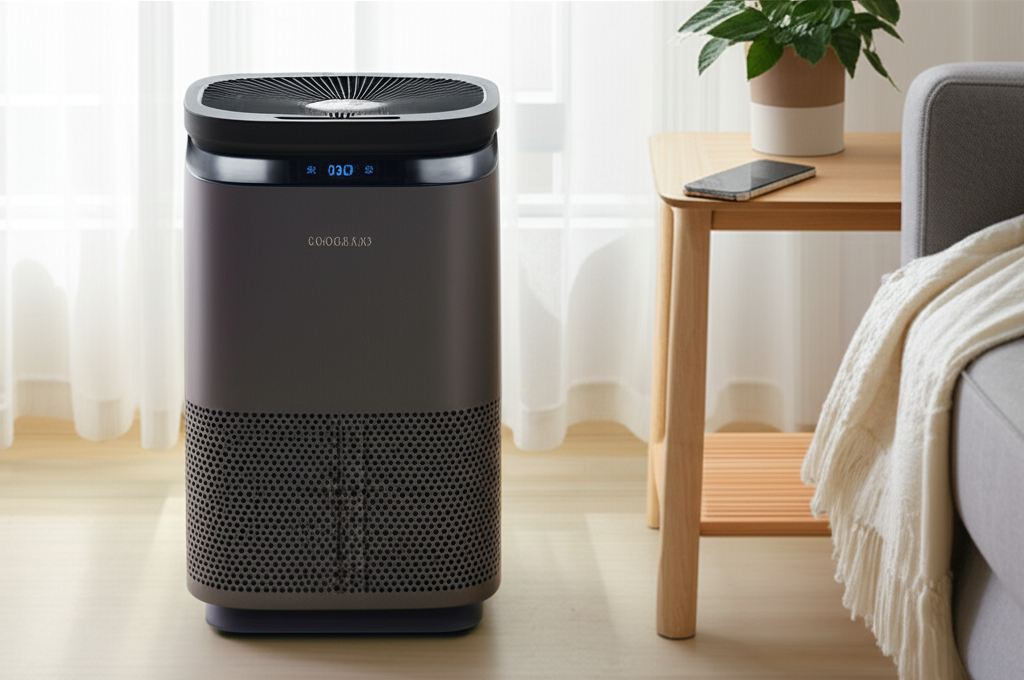
The effectiveness of any air purifier and humidifier combo is directly tied to its ability to handle the size of your room. An undersized unit will struggle to purify or humidify adequately, while an oversized one might be unnecessarily noisy or energy-intensive. Matching the unit’s capacity to your room’s dimensions is crucial for optimal performance.
Always check the manufacturer’s recommended room coverage for both purification and humidification. For example, a unit rated for a 300 sq ft room might be ideal for a living room, but you might need a more powerful model for a larger open-plan area or a smaller one for a compact bedroom. This ensures efficient operation and desired results.
Filtration Technology
The air purification component’s filtration technology is critical for removing various indoor pollutants effectively. Different filters target different types of contaminants, so understanding them helps you choose a unit that addresses your specific air quality concerns. A multi-stage filtration system is generally preferred.
A True HEPA filter is essential for capturing at least 99.97% of airborne particles as small as 0.3 microns, including dust mites, pollen, and pet dander. An activated carbon filter is vital for adsorbing odors, smoke, and volatile organic compounds (VOCs). Some units may also include pre-filters to catch larger particles like hair, extending the life of the main filters.
Humidification Method and Capacity
The way a humidifier adds moisture to the air and how much it can do are key considerations for comfort. Different humidification methods have varying pros and cons regarding maintenance, noise, and the type of mist produced. Choosing the right method ensures a pleasant and healthy environment.
Common methods include evaporative (cool mist), ultrasonic (cool or warm mist), and impeller (cool mist). Ultrasonic humidifiers are often quieter and produce a finer mist, while evaporative humidifiers are less prone to releasing minerals into the air. Consider the water tank size, as a larger tank means less frequent refilling, and check the unit’s humidification rate (gallons per day or hour) to ensure it can maintain your desired humidity level.
Noise Level and Energy Consumption
Operating a device in your living space means its noise level and energy usage are important factors for comfort and your utility bills. Many users prioritize quiet operation, especially for bedrooms or home offices. Energy efficiency also plays a role in long-term costs and environmental impact.
Look for units with multiple fan speeds, including a ‘sleep mode’ or ‘low setting’ that operates at a whisper-quiet level, typically below 30 decibels. Check the Energy Star rating for energy efficiency, which indicates the appliance meets strict energy performance standards set by the U.S. Environmental Protection Agency. This ensures your unit is both effective and economical.
Maintenance and Filter Replacement
Proper maintenance is key to ensuring your air purifier and humidifier combo operates efficiently and effectively over time. Neglecting regular upkeep can reduce performance and even lead to the growth of mold or bacteria. Following the manufacturer’s guidelines is essential for longevity.
Regularly cleaning the water tank and humidifying components prevents mold and mineral buildup. This typically involves rinsing the tank weekly and descaling monthly. For the air purifier, vacuuming or washing the pre-filter and replacing the HEPA and carbon filters according to the manufacturer’s schedule are crucial.
Filter Lifespan and Cost
The ongoing cost of replacing filters is a significant factor in the total ownership expense of an air purifier and humidifier combo. Understanding filter lifespans and their replacement costs will help you budget effectively and avoid unexpected expenses. This information is often detailed in product manuals and on manufacturer websites.
HEPA filters typically last between 6 to 12 months, while activated carbon filters may need replacement every 3 to 6 months, depending on usage and air quality. Some units have indicator lights to remind you when filters need changing. Always factor these recurring costs into your decision-making process.
Smart Features and Connectivity
Modern air purifier and humidifier combos often come equipped with smart features that enhance convenience and control. These technologies allow for remote operation, scheduling, and personalized air quality management. Integrating these devices into your smart home ecosystem can offer significant benefits.
Many units connect to Wi-Fi and can be controlled via smartphone apps. This allows you to adjust settings, monitor air quality, and check filter life from anywhere. Voice control compatibility with platforms like Amazon Alexa or Google Assistant adds another layer of convenience, making it easy to manage your home’s environment hands-free.
Troubleshooting Common Issues
Even the best air purifier and humidifier combo units can sometimes encounter issues. Knowing how to troubleshoot common problems can save you time and frustration. Most issues are easily resolved with a few simple steps.
If the unit isn’t purifying or humidifying effectively, check if the filters are clogged or need replacement, and ensure the water tank is full and properly seated. If you notice unusual noises, inspect for obstructions or ensure all parts are correctly assembled. Always refer to your user manual for specific troubleshooting advice.
Air Purifier and Humidifier Combo Reviews: Expert Tips
Drawing from my experience and extensive research into various air purifier and humidifier combo reviews, I’ve gathered some expert tips to help you make the best choice. These insights go beyond basic feature lists and delve into practical considerations for real-world use. Investing time in these considerations will pay off.
When reading air purifier and humidifier combo reviews, pay close attention to user feedback regarding noise levels, especially on lower settings, as this can significantly impact comfort. Also, consider the ease of cleaning and refilling the humidifier tank, as this is a frequent task. Look for models that offer a good balance between powerful performance and energy efficiency.
Understanding Humidity Levels
Maintaining optimal indoor humidity levels is crucial for health and comfort. Too dry an environment can lead to dry skin, irritated sinuses, and increased susceptibility to colds and flu. Conversely, excessively high humidity can promote mold growth and dust mites. Aiming for a relative humidity between 40% and 60% is generally recommended.
Many advanced combo units feature built-in hygrometers that monitor the current humidity and automatically adjust the humidifier’s output to maintain your desired level. This feature is invaluable for ensuring a consistently healthy and comfortable environment without constant manual adjustments. You can also use a separate hygrometer to verify the readings.
HEPA vs. Other Filter Types
While True HEPA filters are the gold standard for capturing microscopic particles, understanding other filter types helps in choosing a comprehensive solution. Each filter type plays a specific role in improving air quality, and a good combo unit often incorporates multiple types. This layered approach ensures a broader range of contaminants are addressed.
A pre-filter captures larger particles like pet hair and dust bunnies, protecting the more sensitive filters. Activated carbon filters are essential for removing odors, gases, and VOCs, which HEPA filters cannot address. Some units may also feature UV-C light or ionizers, though these technologies can sometimes produce ozone, which is a lung irritant, so it’s important to research their safety and effectiveness. For most users, a multi-stage system with True HEPA and activated carbon is ideal.
FAQ: Your Air Purifier and Humidifier Combo Questions Answered
Here are answers to some of the most common questions people have when looking into air purifier and humidifier combo reviews. I aim to make these explanations clear and easy to understand, even if you’re new to these devices.
What is the ideal humidity level for a home?
The ideal indoor humidity level is generally between 40% and 60%. Below 40%, the air is too dry, leading to discomfort and health issues. Above 60%, it can encourage mold and dust mite growth.
How often should I clean the humidifier tank?
You should clean the humidifier tank at least once a week to prevent mold and bacteria buildup. A quick rinse with soap and water is usually sufficient, followed by thorough drying.
How long do HEPA filters typically last?
True HEPA filters typically last between 6 to 12 months, depending on the air quality in your home and how often the unit is used. Some manufacturers recommend replacement every 6 months, while others suggest up to a year.
Can an air purifier and humidifier combo help with allergies?
Yes, absolutely. The air purifier component removes allergens like pollen, dust mites, and pet dander, while the humidifier can help soothe irritated airways, making it a powerful tool for allergy relief.
Are air purifier and humidifier combo units noisy?
Noise levels vary by model. Many units offer a quiet or sleep mode that operates at a very low decibel level, often below 30 dB. It’s important to check the specifications for the decibel rating on different fan speeds.
Do I need to use distilled water in my humidifier?
Using distilled or demineralized water is highly recommended, especially for ultrasonic humidifiers. Tap water contains minerals that can be released into the air as white dust and can also lead to scale buildup in the unit, reducing its efficiency and lifespan.
Conclusion: Breathe Cleaner, Live Better with the Right Combo
After diving deep into the world of air purifier and humidifier combo reviews, it’s clear that these devices offer a powerful, integrated solution for improving your home’s air quality. Finding the right unit can significantly enhance your comfort, health, and overall well-being. By understanding the key features, considering your specific needs, and paying attention to maintenance, you can confidently select a combo that transforms your living environment. Investing in a quality air purifier and humidifier combo is an investment in a healthier, more comfortable home.
