
Activated Carbon Air Purifier: Essential Guide

An activated carbon air purifier is a crucial device for removing odors, gases, and volatile organic compounds (VOCs) from your indoor air. This guide will help you understand how it works, its benefits, and how to choose the best one for your needs, ensuring a healthier home environment.
Breathing clean indoor air is vital for our well-being, yet common household pollutants can compromise its quality. Lingering odors, chemical fumes, and allergens often make our homes feel less like a sanctuary. Fortunately, an activated carbon air purifier offers a powerful solution. I’m here to guide you through everything you need to know to make an informed choice and enjoy fresher, healthier air.
What is an Activated Carbon Air Purifier?
An activated carbon air purifier utilizes a filter made from carbon that has been processed to be extremely porous. This increased porosity creates a vast surface area, making it highly effective at adsorbing (trapping) a wide range of airborne contaminants. It’s a key component in many air purification systems, working alongside other filters to tackle various pollutants.
How Does Activated Carbon Work for Air Purification?
Activated carbon works through a process called adsorption. The porous structure of the carbon traps gas and odor molecules onto its surface, effectively removing them from the air. Unlike HEPA filters that capture particulate matter, activated carbon specifically targets gaseous pollutants, making it a vital part of comprehensive air cleaning.
The Science Behind Adsorption
Adsorption is a surface phenomenon where molecules adhere to the surface of a material. Activated carbon’s unique structure, created through a heating process, results in millions of tiny pores. These pores provide an immense surface area, allowing it to attract and hold onto gas and odor molecules that pass through it.
Why is Activated Carbon Essential in Air Purifiers?
Activated carbon is essential because it tackles pollutants that other filter types miss. While HEPA filters excel at removing dust, pollen, and pet dander, they are ineffective against odors and chemical fumes. An activated carbon filter acts as a crucial second line of defense, ensuring a more complete purification of your indoor air.
Key Benefits of Using an Activated Carbon Air Purifier
Using an activated carbon air purifier offers significant advantages for your home environment. It effectively neutralizes unpleasant odors, removes harmful VOCs, and can even help alleviate allergy and asthma symptoms. This leads to a more comfortable, healthier, and odor-free living space.
Odor Elimination
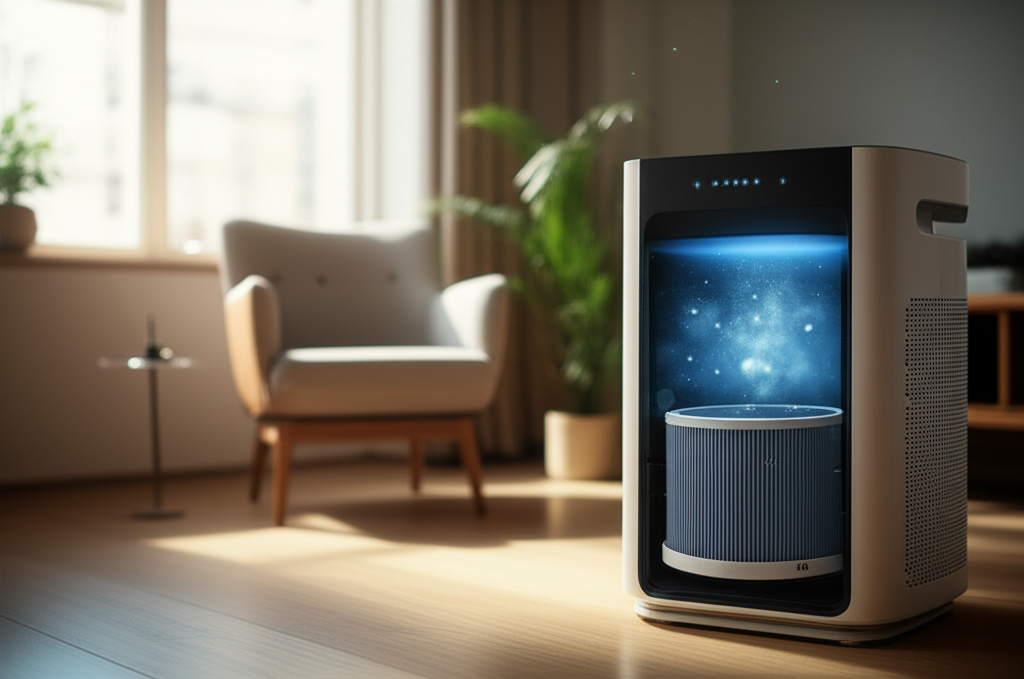
One of the most noticeable benefits is its ability to eliminate odors. From cooking smells and pet odors to smoke and musty dampness, activated carbon traps the molecules responsible for these unpleasant scents. This leaves your home smelling fresh and clean without the need for masking fragrances.
Removal of Volatile Organic Compounds (VOCs)
VOCs are gases emitted from paints, cleaning supplies, furniture, and other household items. These can be harmful to your health, causing headaches, dizziness, and long-term respiratory issues. Activated carbon effectively adsorbs these dangerous compounds, improving indoor air quality significantly. You can learn more about VOCs and their effects from the Environmental Protection Agency (EPA).
Alleviation of Allergy and Asthma Symptoms
While not its primary function, by removing odors and VOCs that can irritate the respiratory system, activated carbon can indirectly help those with allergies and asthma. Cleaner air reduces triggers, potentially leading to fewer symptoms and easier breathing.
Types of Activated Carbon Filters
Activated carbon filters come in various forms, each with specific strengths. The type and amount of activated carbon used can significantly impact the purifier’s effectiveness. Understanding these differences helps in choosing the right device for your specific needs.
Impregnated vs. Non-Impregnated Carbon
Non-impregnated activated carbon is the standard form, effective for general odor and VOC removal. Impregnated carbon has additional chemicals added to its surface to target specific pollutants, such as formaldehyde or ammonia. These specialized filters offer enhanced performance for particular air quality concerns.
Amount of Activated Carbon
The effectiveness of an activated carbon filter is directly related to the amount of carbon it contains. More carbon means a larger surface area for adsorption, leading to longer filter life and better performance. Look for purifiers that specify the weight or thickness of their carbon filter.
How to Choose the Right Activated Carbon Air Purifier
Selecting the best activated carbon air purifier involves considering several factors. Your specific air quality concerns, room size, and desired features will guide your decision. A well-chosen purifier will provide lasting benefits for your home’s air.
Consider Your Specific Needs
Are you primarily concerned about pet odors, cooking smells, or chemical fumes from new furniture? Identifying your main air quality issues will help you prioritize purifiers with appropriate carbon filter types and capacities. For example, a heavy smoker’s home might require a unit with a substantial amount of activated carbon.
Room Size and CADR Rating
Ensure the air purifier is rated for the size of the room you intend to use it in. The Clean Air Delivery Rate (CADR) indicates how quickly the purifier can clean the air. Higher CADR ratings are better for larger spaces or for tackling severe air quality problems quickly.
Filter Lifespan and Replacement Costs
Activated carbon filters have a finite lifespan and will need replacement. Consider the cost and availability of replacement filters when making your purchase. Some purifiers have washable pre-filters that can extend the life of the main filters, saving you money in the long run.
Additional Features
Look for features like multiple fan speeds, timers, air quality sensors, and quiet operation modes. Smart features that allow control via a smartphone app can also add convenience. These features can enhance the user experience and the purifier’s overall effectiveness.
Activated Carbon Air Purifier vs. Other Air Purification Technologies
Understanding how activated carbon purifiers stack up against other technologies provides a clearer picture of their role. Often, the most effective air purifiers combine multiple technologies for comprehensive pollutant removal.
HEPA Filters
HEPA (High-Efficiency Particulate Air) filters are designed to capture 99.97% of airborne particles 0.3 microns in size. This includes dust, pollen, mold spores, and pet dander. While essential for particulate matter, HEPA filters do not remove gases or odors, which is where activated carbon excels.
Ionizers and UV-C Light
Ionizers release negative ions that attach to airborne particles, causing them to clump together and fall to the ground or be attracted to collection plates. UV-C light is used to kill bacteria and viruses. While these technologies have their uses, some ionizers can produce ozone, a lung irritant. Activated carbon offers a safe and effective way to remove gases and odors.
Ozone Generators
Ozone generators intentionally produce ozone gas to neutralize odors and kill microorganisms. However, ozone is a known lung irritant and can be harmful, especially to individuals with respiratory conditions. Activated carbon air purifiers do not produce ozone, making them a safer choice for continuous indoor use.
Maintenance and Care for Your Activated Carbon Air Purifier
Proper maintenance ensures your activated carbon air purifier operates at peak performance. Regular cleaning and timely filter replacement are key to maximizing its lifespan and effectiveness. Neglecting maintenance can reduce its ability to clean your air.
Filter Replacement Schedule
Activated carbon filters typically need replacement every 6 to 12 months, depending on usage and air quality. Some purifiers have indicator lights to signal when it’s time for a change. Always refer to your manufacturer’s recommendations for the most accurate schedule.
Cleaning Other Components
The pre-filter, if present, should be cleaned regularly, usually every 2-4 weeks, to capture larger particles and extend the life of the main filters. You can typically vacuum or rinse it with water. Wipe down the exterior of the unit with a damp cloth as needed.
Where to Place Your Activated Carbon Air Purifier for Maximum Effectiveness
Strategic placement of your air purifier ensures optimal airflow and pollutant capture. Placing it in the right location can significantly enhance its performance and benefit the air quality throughout your home.
Central Location in Rooms
Position the air purifier in a central area of the room, away from walls or furniture that could obstruct airflow. This allows the unit to circulate air more effectively, drawing in polluted air from all directions and releasing cleaner air.
Areas with High Pollutant Concentration
Place the purifier in rooms where you spend the most time or where pollutants are most concentrated, such as kitchens, bedrooms, or living rooms. This ensures the air you breathe most often is the cleanest.
Table: Activated Carbon Air Purifier vs. HEPA Air Purifier
| Feature | Activated Carbon Air Purifier | HEPA Air Purifier |
| :—————- | :—————————————– | :—————————————- |
| Primary Function | Removes odors, gases, VOCs | Removes particulate matter (dust, pollen) |
| Mechanism | Adsorption | Filtration |
| Target Pollutants | Smoke, cooking smells, pet odors, chemicals | Dust mites, mold spores, pet dander |
| Ozone Production | No | No |
| Best For | Odor control, chemical removal | Allergies, asthma, dust reduction |
Common Questions About Activated Carbon Air Purifiers
How long do activated carbon filters last?
Activated carbon filters typically last between 6 to 12 months, but this can vary based on the amount of carbon in the filter, the level of pollutants in your air, and how often you run the purifier.
Can activated carbon air purifiers remove smoke smell?
Yes, activated carbon is highly effective at adsorbing the odor molecules responsible for smoke smells from cigarettes, fireplaces, or cooking.
Do I need an activated carbon filter if I already have a HEPA filter?
Yes, it’s highly recommended. HEPA filters capture particles, while activated carbon captures gases and odors. Combining both provides comprehensive air purification.
Can activated carbon air purifiers remove formaldehyde?
Standard activated carbon can remove some formaldehyde, but specialized impregnated carbon filters are much more effective at targeting and removing formaldehyde and other specific VOCs.
Are activated carbon air purifiers noisy?
The noise level depends on the fan speed and the overall design of the air purifier. Many units offer a quiet or sleep mode for nighttime operation.
Where is the best place to put an activated carbon air purifier in a bedroom?
Place it on a nightstand or dresser, away from the wall, to allow for optimal air circulation around the unit.
Conclusion
An activated carbon air purifier is an indispensable tool for achieving truly clean and fresh indoor air. By understanding its adsorption capabilities, the benefits it offers, and how to choose and maintain one, you can significantly improve your home’s environment. Investing in a quality activated carbon air purifier is an investment in your health and well-being, ensuring a more comfortable and breathable living space for you and your family.