
A Good Air Purifier: Essential for Smart Learning

A Good Air Purifier: Essential for Smart Learning and a Healthier Home
A good air purifier is crucial for creating an optimal environment for smart learning, improving focus, reducing distractions, and promoting overall well-being. By removing allergens, pollutants, and odors, it ensures cleaner air, leading to better cognitive function and a more productive study space.
Are you struggling with a stuffy home environment that makes it hard to concentrate? Do you find yourself or your children feeling sluggish, especially when trying to learn or work? Poor indoor air quality is a common culprit, impacting everything from focus to sleep. But what if a simple solution could transform your living space into a haven for productivity and health? I’m here to guide you through understanding why a good air purifier is not just a luxury, but an essential tool for smart learning and a healthier life.
Why Indoor Air Quality Matters for Learning
Clean indoor air is vital for cognitive function and academic success. When we breathe in polluted air, our bodies work harder, diverting energy away from essential brain functions like concentration and memory. This can lead to fatigue, headaches, and a general feeling of being unwell, all of which are detrimental to learning.
The impact of poor air quality on learning is significant. It can manifest as reduced attention spans and difficulty retaining information. Ensuring a healthy indoor environment supports sustained focus and better overall academic performance.
The Link Between Air Quality and Cognitive Performance
Studies have shown a direct correlation between air quality and cognitive performance. Pollutants like particulate matter and volatile organic compounds (VOCs) can negatively affect brain health and function. Improving air quality can lead to noticeable improvements in memory, decision-making, and overall mental clarity.
Investing in a good air purifier is an investment in sharper thinking. By removing airborne irritants, you create a clearer path for oxygen to reach your brain, enhancing your ability to learn and perform tasks efficiently.
Common Indoor Air Pollutants Affecting Learners
Our homes can be filled with invisible threats to our air quality. Common culprits include dust mites, pet dander, pollen, mold spores, smoke, and VOCs released from cleaning products and furniture. These can trigger allergies, asthma, and other respiratory issues, making it difficult to focus.
These pollutants don’t just cause physical discomfort; they actively interfere with our ability to concentrate. A good air purifier acts as a shield, removing these microscopic invaders and creating a healthier atmosphere for everyone.
How a Good Air Purifier Enhances Smart Learning
A good air purifier works by drawing in air, passing it through a series of filters, and releasing cleaner air back into the room. The most effective purifiers utilize HEPA (High-Efficiency Particulate Air) filters, which are certified to capture at least 99.97% of airborne particles as small as 0.3 microns. This includes common allergens, dust, mold spores, and even some bacteria and viruses.
By significantly reducing the presence of these airborne irritants, a good air purifier creates a more comfortable and conducive environment for study. This means fewer distractions from sneezing, coughing, or general discomfort, allowing learners to stay engaged and focused on their tasks.
The Role of HEPA Filters
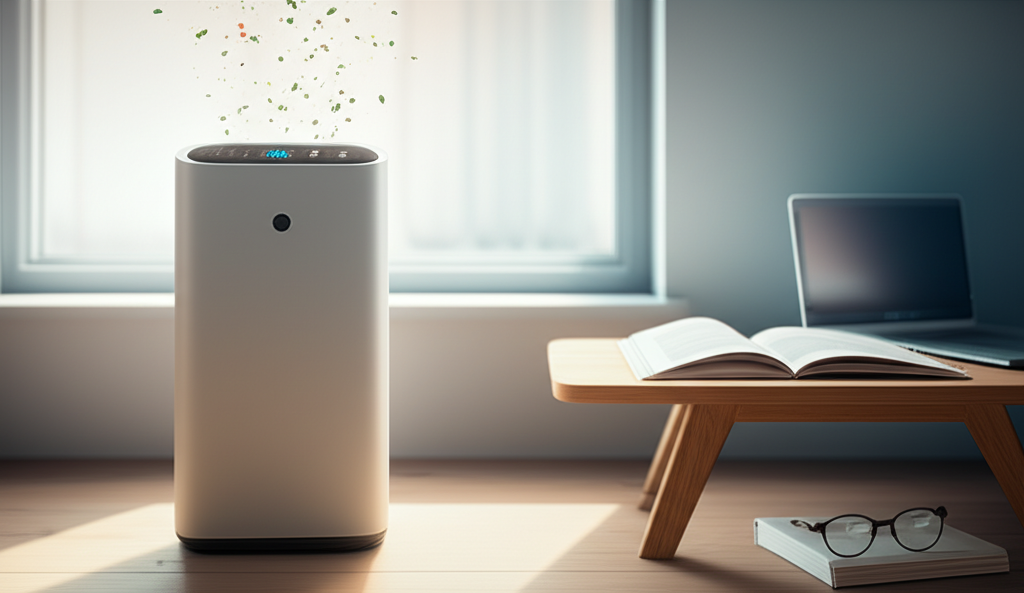
HEPA filters are the gold standard in air purification technology. They are designed with a dense mesh of fibers that trap microscopic particles. This makes them incredibly effective at removing allergens and pollutants that can aggravate respiratory conditions and impair concentration.
When choosing a good air purifier, always look for one with a true HEPA filter. This certification ensures that the device meets rigorous standards for air cleaning efficiency, directly contributing to a healthier learning environment.
Activated Carbon Filters for Odors and VOCs
Beyond HEPA filters, many air purifiers incorporate activated carbon filters. These filters are highly porous and excel at adsorbing gases, odors, and VOCs. This is particularly important for removing smells from cooking, pets, or chemical off-gassing from new furniture or paints.
Eliminating unpleasant odors and harmful VOCs contributes to a fresher, more pleasant study space. This can significantly improve alertness and reduce the feeling of stuffiness that often accompanies poor indoor air quality.
Choosing the Right Air Purifier for Your Needs
Selecting a good air purifier involves considering several factors to ensure it effectively serves your learning space. Key features include the size of the room it needs to cover, the types of pollutants you want to target, and the noise level of the unit. Always check the CADR (Clean Air Delivery Rate) to understand how quickly it can purify a room.
A well-chosen air purifier will seamlessly integrate into your home, providing quiet, efficient air cleaning. It should be powerful enough for the space but unobtrusive, allowing for uninterrupted study sessions.
Understanding CADR and Room Coverage
The Clean Air Delivery Rate (CADR) is a crucial metric indicating how much clean air an air purifier can produce. It’s measured for three common pollutants: smoke, dust, and pollen. A higher CADR means the purifier cleans the air more effectively and quickly.
Match the CADR to your room size. Manufacturers usually provide recommendations for room coverage based on CADR ratings. For a smart learning environment, ensure the purifier is rated for at least the size of your study area or bedroom.
Noise Levels and Smart Features
For a study environment, noise is a critical consideration. Look for air purifiers with low decibel (dB) ratings, especially on their lower settings. Many modern units offer sleep modes or ultra-quiet operation, ensuring they won’t disrupt concentration or sleep.
Smart features like app control, air quality sensors, and automatic modes can enhance convenience. These allow you to monitor air quality remotely and adjust settings as needed, ensuring optimal performance without constant manual intervention.
Top Air Purifier Brands and Models for Smart Learning
Several reputable brands offer excellent air purifiers suitable for creating a smart learning environment. Brands like Coway, Levoit, Blueair, and Winix consistently receive high ratings for performance, durability, and features. Researching specific models based on your room size and budget is key.
For instance, the Coway Airmega 200M is often recommended for its robust filtration and coverage, while Levoit’s Core series offers compact and budget-friendly options. Always check recent reviews for the latest performance data.
Integrating Air Purification into Your Smart Home Ecosystem
Air purifiers are increasingly becoming part of the broader smart home ecosystem. Many models now integrate with Wi-Fi and can be controlled via smartphone apps or voice assistants like Amazon Alexa and Google Assistant. This allows for seamless automation and remote management of your indoor air quality.
Imagine your air purifier automatically adjusting its fan speed based on real-time air quality readings, or scheduling it to run at peak efficiency during study hours. This level of integration ensures your learning environment is always optimized without any extra effort.
Maintaining Your Air Purifier for Peak Performance
To ensure your good air purifier continues to function effectively, regular maintenance is essential. This primarily involves cleaning or replacing the filters according to the manufacturer’s recommendations. Clogged filters reduce airflow and purification efficiency, making the unit less effective.
Most air purifiers will have indicator lights to remind you when it’s time to check or replace filters. Following these guidelines will prolong the life of your purifier and guarantee consistently clean air for your learning space.
Frequently Asked Questions
What is the most important factor when buying an air purifier for a bedroom?
For a bedroom, noise level and CADR are most important. Look for a low decibel rating, especially for sleep mode, and a CADR suitable for the room size to ensure effective purification without disturbance.
How often should I replace the filters in my air purifier?
Filter replacement frequency varies by model and usage, but generally, HEPA filters last 6-12 months, and pre-filters should be cleaned monthly. Always check your manufacturer’s manual for specific recommendations.
Can an air purifier help with allergies and asthma?
Yes, a good air purifier with a HEPA filter is highly effective at removing allergens like dust mites, pollen, and pet dander, which can significantly reduce symptoms for allergy and asthma sufferers.
Are air purifiers expensive to run?
The running cost depends on energy consumption and filter replacement. Modern, energy-efficient models are relatively inexpensive to operate, and filter costs are a predictable annual expense.
Do air purifiers remove odors effectively?
Air purifiers with activated carbon filters are very effective at removing odors from cooking, pets, smoke, and other sources. The effectiveness depends on the amount of activated carbon in the filter.
Conclusion
Investing in a good air purifier is a proactive step towards enhancing smart learning and fostering a healthier living environment. By understanding the impact of indoor air quality and choosing the right purification technology, you can create a focused, comfortable, and productive space for study and well-being. Prioritize clean air, and watch your learning capabilities flourish.
